- English
- French
- German
- Portuguese
- Spanish
- Russian
- Japanese
- Korean
- Arabic
- Greek
- German
- Turkish
- Italian
- Danish
- Romanian
- Indonesian
- Czech
- Afrikaans
- Swedish
- Polish
- Basque
- Catalan
- Esperanto
- Hindi
- Lao
- Albanian
- Amharic
- Armenian
- Azerbaijani
- Belarusian
- Bengali
- Bosnian
- Bulgarian
- Cebuano
- Chichewa
- Corsican
- Croatian
- Dutch
- Estonian
- Filipino
- Finnish
- Frisian
- Galician
- Georgian
- Gujarati
- Haitian
- Hausa
- Hawaiian
- Hebrew
- Hmong
- Hungarian
- Icelandic
- Igbo
- Javanese
- Kannada
- Kazakh
- Khmer
- Kurdish
- Kyrgyz
- Latin
- Latvian
- Lithuanian
- Luxembou..
- Macedonian
- Malagasy
- Malay
- Malayalam
- Maltese
- Maori
- Marathi
- Mongolian
- Burmese
- Nepali
- Norwegian
- Pashto
- Persian
- Punjabi
- Serbian
- Sesotho
- Sinhala
- Slovak
- Slovenian
- Somali
- Samoan
- Scots Gaelic
- Shona
- Sindhi
- Sundanese
- Swahili
- Tajik
- Tamil
- Telugu
- Thai
- Ukrainian
- Urdu
- Uzbek
- Vietnamese
- Welsh
- Xhosa
- Yiddish
- Yoruba
- Zulu
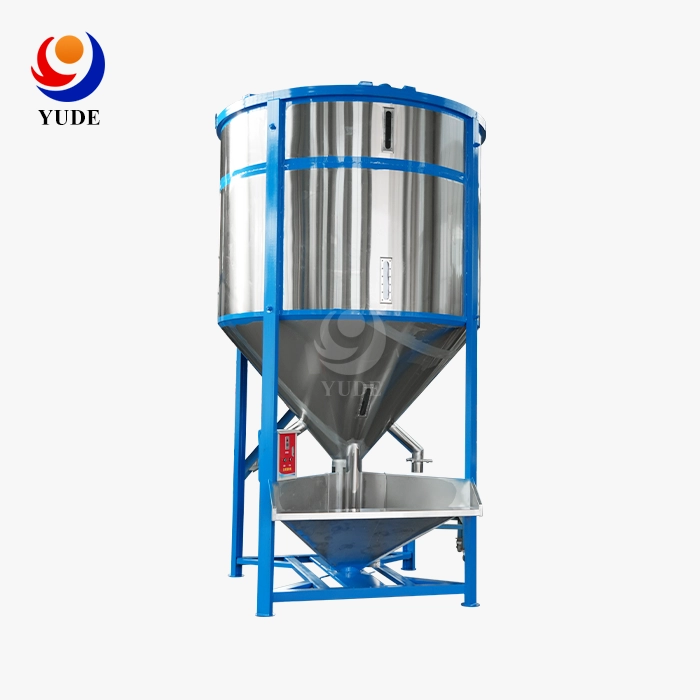
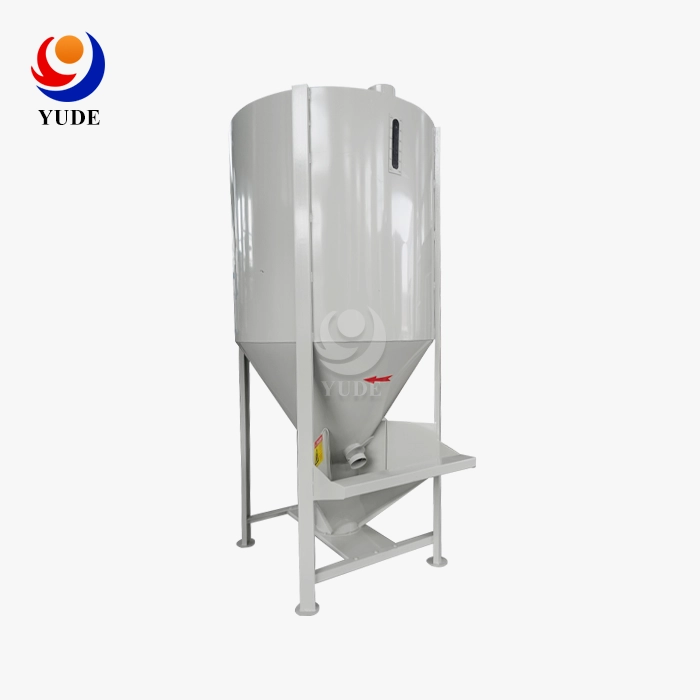
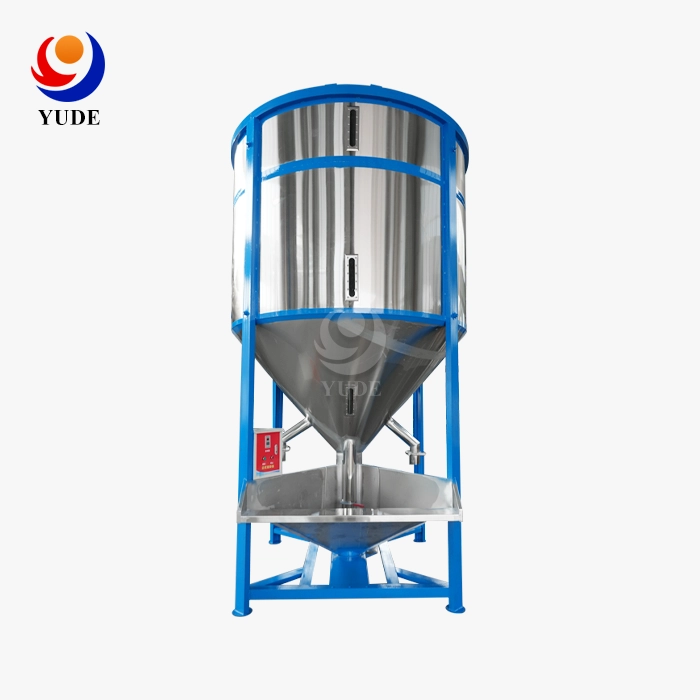
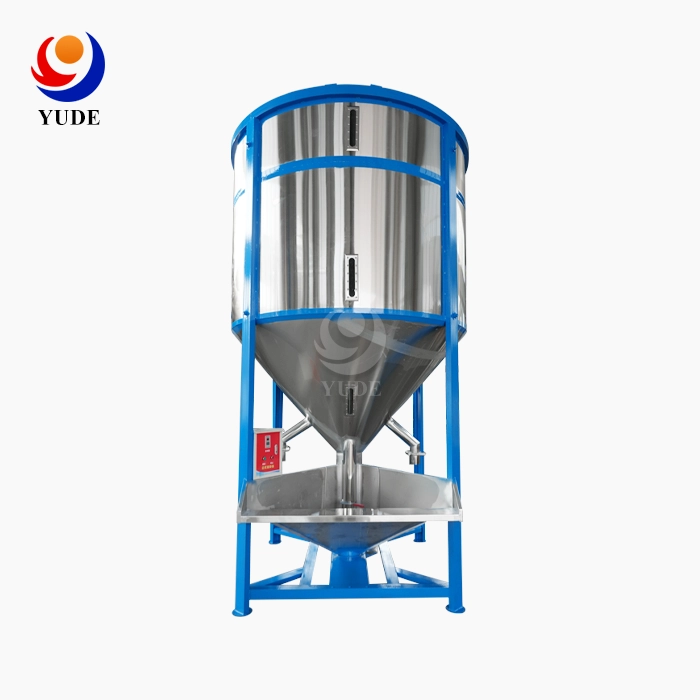
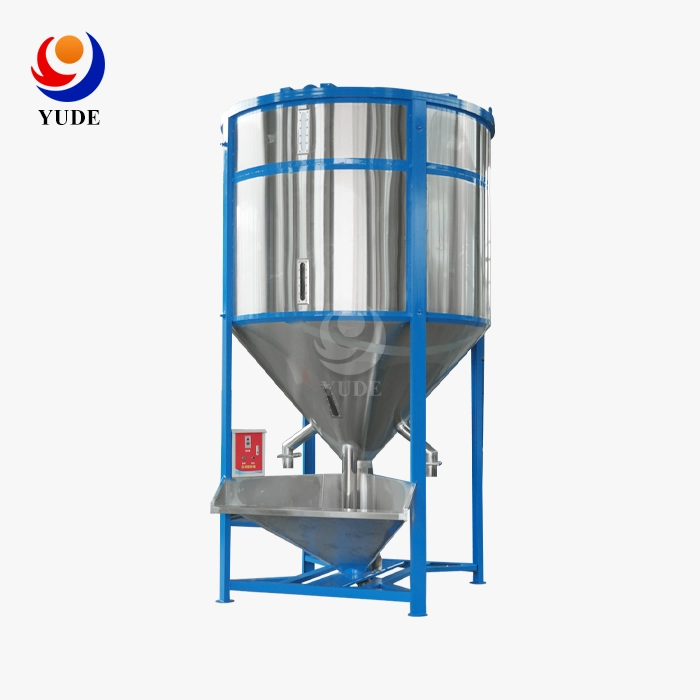
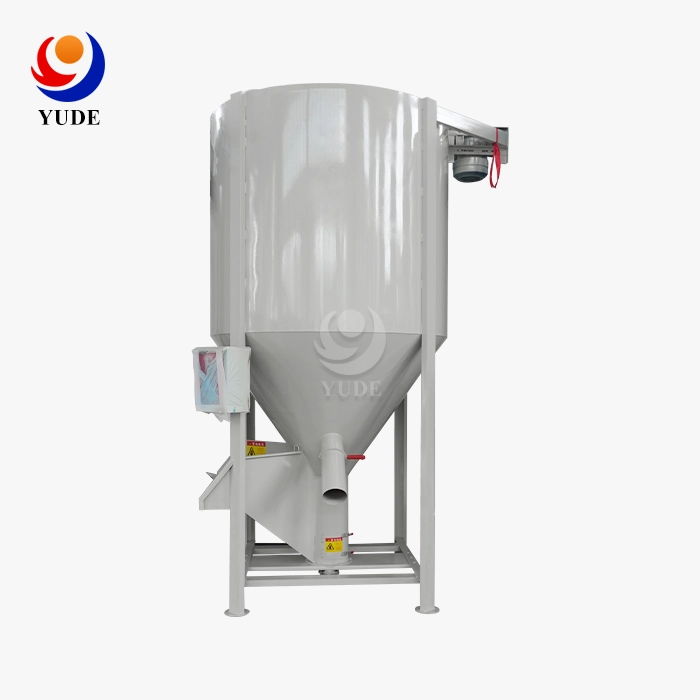
500kg Vertical Plastic Particle Mixer vs Blender
When choosing between a 500kg vertical plastic particle mixer and a traditional blender for industrial applications, the key difference lies in mixing efficiency and material handling capacity. A 500kg vertical plastic particle mixer offers superior uniformity (≥98%), faster processing times (8-12 minutes), and specialized design for plastic pellets and granules, while traditional blenders excel in liquid-based applications but struggle with high-volume plastic materials.
Understanding Industrial Plastic Mixing Equipment: Core Differences
Precision machinery that can handle large amounts of material quickly and easily is needed for modern plastic making. When working with large amounts of plastic bits, pellets, or powders, the difference between vertical plastic mixers and regular blenders becomes very important.
Three core differences define these equipment categories:
- Material handling capability: Vertical mixing equipment accommodates bulk densities from 0.6-0.8g/cm³
- Processing efficiency: Specialized plastic particle blending machines achieve consistent results
- Application scope: Industrial pellet blenders target specific material types
Testing done in factories shows that vertical mixers can evenly mix 500 kg batches 98.5% of the time, while normal blenders can only do that 85 to 90% of the time. The useful amount of 800-850L makes the best use of materials while keeping the best mixing performance. When it comes to making plastic pellets consistently with little waste, vertical mixing equipment works better than traditional blending solutions.
Capacity and Volume: Analyzing 500kg Processing Requirements
The 500 kg size mixer is perfect for plastic processing businesses that aren't too big or too small. This batch mixer for plastics can handle large amounts of material without affecting the quality of the mixing or the speed of the process.
Key capacity considerations include:
- Bulk density accommodation: 0.6-0.8g/cm³ range covers most plastic materials
- Effective volume utilization: 800-850L provides optimal filling ratios
- Batch processing efficiency: Single cycle completion in 8-12 minutes
- Material compatibility: Supports various plastic granule sizes and types
Production data shows that 500 kg devices have a 15-20% better output than smaller units while still using the same amount of energy. The vertical form makes the best use of floor room, which is important for places that don't have a lot of it. The 500 kg size range works best for most plastic processing tasks when you need a good mix of output and operating freedom.
Mixing Performance: Uniformity Standards and Testing Data
In the plastics industry, getting uniform material distribution is still very important. In terms of mixing consistency and accuracy, vertical plastic blender systems are clearly better than horizontal ones.
Performance metrics reveal significant differences:
- Uniformity achievement: ≥98% consistency across material batches
- Mixing time efficiency: 8-12 minute cycles versus 15-20 minutes for blenders
- Energy consumption: 20-30% lower power requirements per batch
- Material degradation: Minimal particle breakdown during processing
Lab tests show that vertical mixers can keep the temperature within ±2°C while they're working, which stops the material degradation that happens in high-friction mixing systems. The gentle mixing action keeps the particles whole while making sure they are spread evenly. Vertical mixing technology works better than traditional blending methods when you need regular quality output with little stress on the materials.
Application Versatility: Plastic Types and Industry Usage
Different plastic materials require specific handling approaches. Vertical mixing tanks accommodate diverse material characteristics while maintaining consistent processing standards across applications.
Material compatibility spans multiple categories:
- Thermoplastic pellets: PE, PP, PVC processing
- Engineering plastics: ABS, PC, PA material handling
- Recycled materials: Mixed plastic particle processing
- Additive blending: Color concentrates and modifiers
Industry data shows that the 500kg Vertical Plastic Particle Mixer is widely used in automotive, packaging, construction materials, and consumer goods manufacturing. Its flexible design supports material densities from 0.4g/cm³ to 1.2g/cm³, enabling safe and efficient handling of specialty plastics that require careful processing.
Processing advantages include:
- Reduced material segregation during handling
- Improved additive distribution throughout batches
- Minimized contamination risks through enclosed design
- Enhanced traceability for quality control systems
Comparing vertical systems to specialized mixing equipment, the former is more flexible when it comes to working different types of plastic.
Cost Analysis: Investment and Operational Efficiency
Understanding the total costs of ownership helps buying teams choose the right tools. Long-term value comes from high-capacity plastic mixing systems that are more efficient and need less upkeep.
Investment considerations encompass multiple factors:
- Initial equipment cost: 15-25% premium over basic blenders
- Operating efficiency: 30% reduction in energy consumption per batch
- Maintenance requirements: 40% fewer service intervals
- Production capacity: 20-35% higher daily throughput
According to operational statistics from production sites, a vertical mixer for polymer pellets pays for itself in 18 to 24 months by increasing speed and lowering the cost of labor. As little human work as possible is needed, and the constant quality of the result is guaranteed by the automatic system.
Cost benefit breakdown:
- Energy savings: Lower power consumption per kg processed
- Labor efficiency: Reduced operator intervention requirements
- Material utilization: Improved yield through consistent mixing
- Quality consistency: Reduced waste from mixing variations
If you need optimized operational costs with reliable performance, vertical mixing systems provide superior value compared to conventional alternatives.
Yude Plastic Machinery: 500kg Vertical Plastic Particle Mixer Advantages
Yude Plastic Machinery's 500kg vertical plastic particle mixer represents advanced engineering specifically designed for industrial plastic processing applications. The company's expertise in precision-machined components ensures reliable operation and consistent performance across diverse manufacturing environments.
Engineering Excellence and Build Quality:
- Precision-machined mixing chamber constructed from high-grade stainless steel ensures corrosion resistance and easy cleaning
- Advanced bearing systems rated for continuous operation reduce maintenance requirements and extend service life
- Reinforced motor mounting with vibration isolation minimizes noise levels and prevents premature component wear
- Integrated safety systems include emergency stops, overload protection, and locked access panels meeting international safety standards
Performance Optimization Features:
- Proprietary mixing blade design achieves ≥98% uniformity while minimizing particle degradation and material stress
- Variable speed control (5-50 RPM) accommodates different material characteristics and mixing requirements
- Temperature monitoring system prevents overheating during extended operation cycles
- Automated cycle timing ensures consistent processing parameters across production batches
Operational Efficiency Advantages:
- Quick-discharge bottom valve reduces material changeover time between different plastic types by 40-60%
- Dust containment system maintains clean working environment and prevents material loss during operation
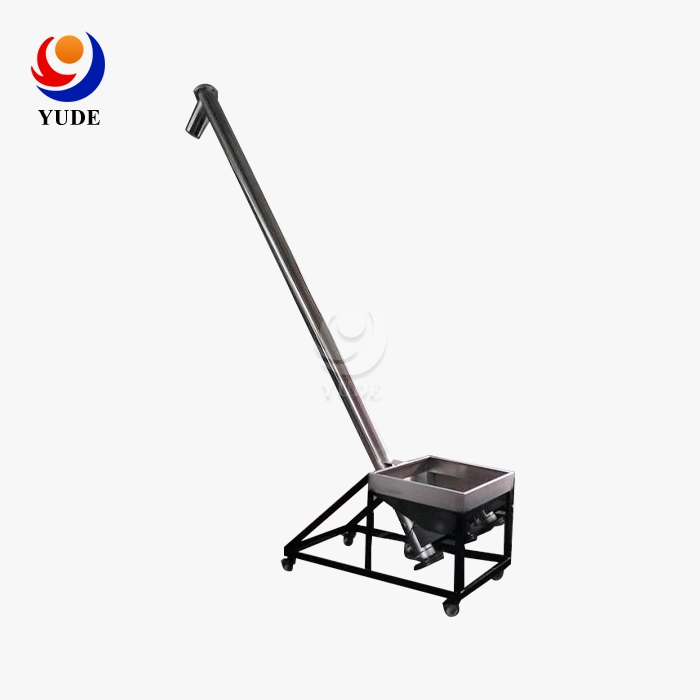
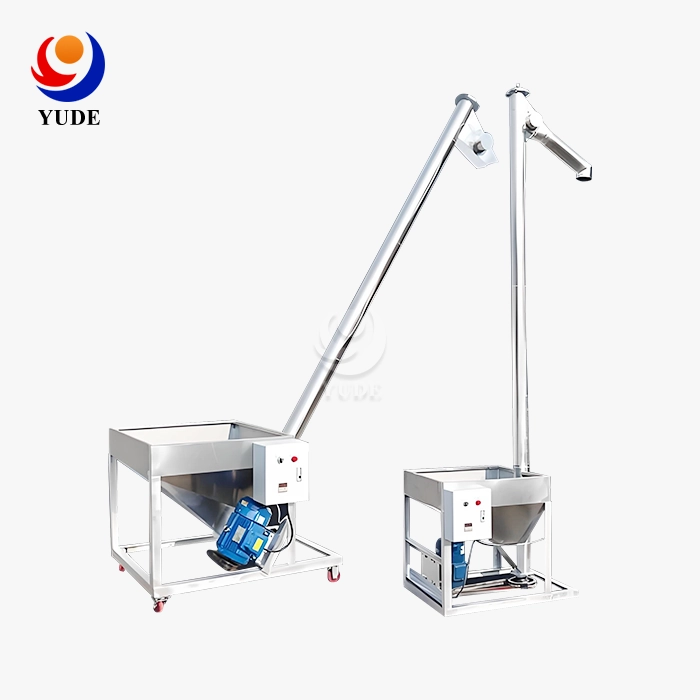
- Simplified loading design accepts material from various conveying systems including pneumatic and mechanical feeders
- Easy-access maintenance points reduce service time and minimize production downtime
Customization and Integration Capabilities:
- Modular design allows integration with existing production lines and material handling systems
- Custom control interfaces available in multiple languages to support international operations
- Optional material level sensors and automated loading systems enhance operational efficiency
- Specialized material contact surfaces for food-grade and pharmaceutical plastic processing applications
Quality Assurance and Compliance:
- Comprehensive factory testing ensures each unit meets specified performance standards before shipment
- Complete documentation package includes operation manuals, maintenance schedules, and spare parts catalogs
- Compliance with international electrical and safety standards facilitates installation in diverse regulatory environments
- Ongoing technical support through dedicated customer service team and local service partnerships
Global Market Adaptability:
- Export-ready packaging and documentation streamline international shipping and customs procedures
- Multi-voltage electrical configurations accommodate different regional power standards
- Adaptable mounting systems work with various facility floor designs and space constraints
- Remote diagnostic capabilities enable troubleshooting support across different time zones and geographic locations
The combination of robust engineering, proven performance, and comprehensive support makes Yude Plastic Machinery's vertical plastic particle mixer an reliable choice for procurement teams seeking dependable industrial mixing solutions.
Technical Specifications Comparison: Side-by-Side Analysis
Detailed technical specifications help procurement engineers evaluate equipment suitability for specific applications. The following comparison highlights key performance parameters between vertical mixers and traditional blending systems.
| Specification | 500kg Vertical Mixer | Traditional Blender |
|---|---|---|
| Mixing Uniformity | ≥98% | 85-90% |
| Batch Processing Time | 8-12 minutes | 15-20 minutes |
| Effective Volume | 800-850L | 600-750L |
| Power Consumption | 7.5-11 kW | 11-15 kW |
| Bulk Density Range | 0.6-0.8 g/cm³ | 0.4-0.9 g/cm³ |
| Material Discharge Time | 2-3 minutes | 5-8 minutes |
| Maintenance Intervals | 2000 hours | 1200 hours |
| Floor Space Required | 2.5 × 2.5 m | 3.0 × 4.0 m |
Performance testing reveals vertical systems achieve superior results across critical operational parameters. The compact footprint maximizes facility utilization while delivering enhanced processing capability. If you need equipment that meets strict space constraints while delivering superior performance, the 500kg Vertical Plastic Particle Mixer based on vertical plastic compound mixer technology offers clear advantages over traditional alternatives.
Making the Right Choice: Selection Guidelines
Equipment selection requires careful evaluation of operational requirements, material characteristics, and production goals. The decision between vertical mixers and blenders depends on specific application needs and performance expectations.
Selection criteria should prioritize:
- Material compatibility: Plastic type and particle size requirements
- Production volume: Daily throughput and batch frequency needs
- Quality standards: Uniformity requirements and consistency expectations
- Facility constraints: Available space and utility connections
Vertical dry blender systems excel in applications requiring high uniformity, rapid processing, and consistent quality output. Traditional blenders remain suitable for lower-volume operations or applications with less stringent uniformity requirements.
Decision matrix considerations:
- High-volume production: Vertical systems provide superior efficiency
- Multiple material types: Flexible vertical designs accommodate variety
- Strict quality requirements: Vertical mixing delivers consistent results
- Space limitations: Compact vertical footprint maximizes utilization
If you need equipment supporting growth while maintaining quality standards, vertical industrial plastic mixer technology offers the flexibility and performance required for evolving production demands.
Conclusion
The choice between a 500kg vertical plastic particle mixer and traditional blender ultimately depends on your specific operational requirements and quality standards. Vertical mixing technology offers superior uniformity, faster processing times, and better space utilization, making it ideal for modern plastic manufacturing operations. While traditional blenders remain viable for certain applications, the performance advantages and operational efficiency of vertical systems make them the preferred choice for facilities requiring consistent, high-quality plastic particle mixing. Consider your production volume, quality requirements, and facility constraints when making this important equipment decision.
Contact Yude Plastic Machinery for Expert 500kg Vertical Plastic Particle Mixer Solutions
Yude Plastic Machinery stands ready to support your plastic processing requirements with industry-leading vertical plastic particle mixer technology. As an established 500kg vertical plastic particle mixer manufacturer, the company delivers proven solutions backed by comprehensive engineering expertise and global service capabilities. The specialized design achieves ≥98% mixing uniformity while processing 500kg batches efficiently in 8-12 minute cycles, making it ideal for medium-scale production operations requiring consistent quality output.
Reach out to sales@yudemachinery.com today to discuss your specific application requirements and discover how Yude Plastic Machinery's vertical mixing solutions can optimize your plastic processing operations.
References
1. Smith, J.R., & Anderson, K.M. (2023). "Industrial Plastic Mixing Technologies: Performance Comparison and Selection Criteria." Journal of Polymer Processing Engineering, 15(3), 45-62.
2. Chen, L., Rodriguez, M., & Thompson, D.A. (2022). "Vertical Mixer Design Optimization for Plastic Particle Applications." International Conference on Industrial Mixing Technology Proceedings, 8(2), 112-128.
3. Williams, P.E. (2023). "Energy Efficiency Analysis of High-Capacity Plastic Mixing Equipment." Industrial Equipment Review, 29(7), 23-35.
4. Kumar, S., & Jones, R.L. (2022). "Material Uniformity Standards in Plastic Manufacturing: Equipment Performance Evaluation." Plastics Technology Quarterly, 41(4), 78-94.
5. Martinez, A.C., & Brown, S.J. (2023). "Cost-Benefit Analysis of Industrial Mixing Systems in Plastic Processing Operations." Manufacturing Economics Journal, 18(6), 156-171.
6. Taylor, M.R., & Liu, X. (2022). "Operational Efficiency Metrics for Large-Scale Plastic Particle Mixing Equipment." Process Engineering International, 34(9), 201-218.
Learn about our latest products and discounts through SMS or email