- English
- French
- German
- Portuguese
- Spanish
- Russian
- Japanese
- Korean
- Arabic
- Greek
- German
- Turkish
- Italian
- Danish
- Romanian
- Indonesian
- Czech
- Afrikaans
- Swedish
- Polish
- Basque
- Catalan
- Esperanto
- Hindi
- Lao
- Albanian
- Amharic
- Armenian
- Azerbaijani
- Belarusian
- Bengali
- Bosnian
- Bulgarian
- Cebuano
- Chichewa
- Corsican
- Croatian
- Dutch
- Estonian
- Filipino
- Finnish
- Frisian
- Galician
- Georgian
- Gujarati
- Haitian
- Hausa
- Hawaiian
- Hebrew
- Hmong
- Hungarian
- Icelandic
- Igbo
- Javanese
- Kannada
- Kazakh
- Khmer
- Kurdish
- Kyrgyz
- Latin
- Latvian
- Lithuanian
- Luxembou..
- Macedonian
- Malagasy
- Malay
- Malayalam
- Maltese
- Maori
- Marathi
- Mongolian
- Burmese
- Nepali
- Norwegian
- Pashto
- Persian
- Punjabi
- Serbian
- Sesotho
- Sinhala
- Slovak
- Slovenian
- Somali
- Samoan
- Scots Gaelic
- Shona
- Sindhi
- Sundanese
- Swahili
- Tajik
- Tamil
- Telugu
- Thai
- Ukrainian
- Urdu
- Uzbek
- Vietnamese
- Welsh
- Xhosa
- Yiddish
- Yoruba
- Zulu
Working Principle of High Speed Mixer For Plastic
Through fast rotor movement and strong friction, the high speed mixer for plastic works by turning mechanical energy into heat energy. When the rotor blades spin faster than 800 rpm, plastic particles hit each other and the walls of the tank. This creates heat that softens the surfaces of the materials and spreads chemicals evenly throughout the batch. This thermokinetic device blends materials evenly without using external heat, which cuts down on cycle times and makes sure that materials always have the same traits that meet the high standards of quality in industrial manufacturing.
Working Principle of High Speed Mixer for Plastic
The main thing that makes these industrial high speed mixer for plastic work is managed friction and rotational force. Precision-engineered spinning blades create a strong vortex inside the mixing area that speeds up the plastic granules. Because the particles are moving faster, they keep hitting each other, creating hot spots that can reach temperatures of 110°C to 130°C, based on the type of material and the way the blend is made.
Core Mechanical Components
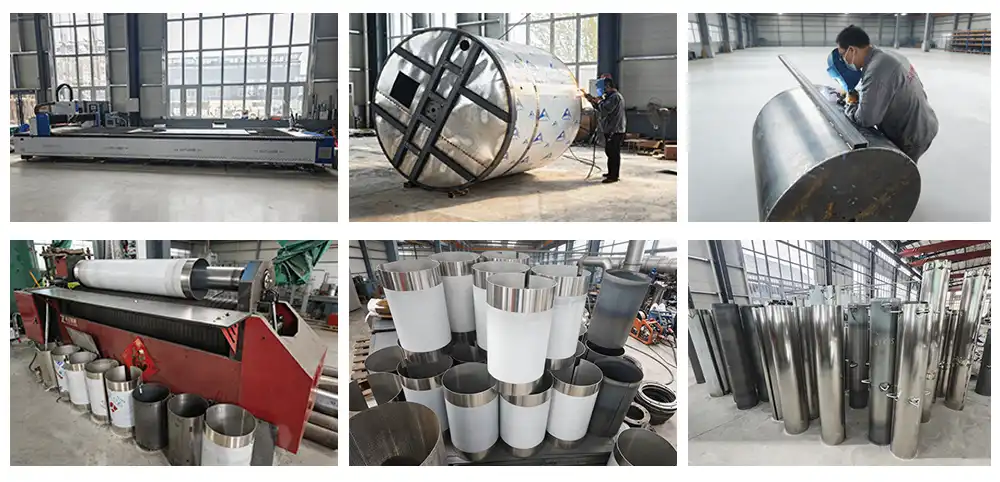
The mixing system is made up of several important parts that work together. The main shaft is made of strong metal steel and holds up multi-tiered rotor blades with spiral shapes that work best. Dynamic balancing of these blades to G6.3 ISO norms stops vibrations during high-speed use. The inside of the tank is made of polished carbon steel or stainless steel with mirror finishes that keep materials from sticking and make full release easier.
Powder pollution can't get into bearings because of modern protection systems. Positive pressure is created at shaft entry points by pneumatic air-purge technology. This keeps small particles from getting into mechanical housings. Compared to regular shaft seals, this technical feature makes the bearing last a lot longer.
Thermodynamic Energy Conversion
Through particle friction, kinetic energy changes into heat energy while the machine is running. Heating rates and mixing strength are controlled by the rotor speed, which is usually between 800 and 3,000 rpm with a variable frequency drive. Higher speeds make the temperature rise faster, and managed slowing down keeps heat-sensitive plastics from breaking down.
Within 6 to 10 minutes per batch, the process mixes evenly enough to meet more than 98% of the requirements. Yude Plastic Machinery's improved spiral structure design makes it work so well. Its spinning speeds are up to 50% faster than regular models, which cuts mixing time by 40%. Built-in temperature sensors check the conditions of each batch in real time, and if they need to be changed, the speed of the machine will change automatically to keep the temperature profiles within the goal range.
Shear Force Distribution
A group of colors, stabilizers, and fillers are broken up by shear forces between the spinning blades and the particles. This mechanical action makes sure that the ingredients are spread out evenly at the microscopic level, which is very important for uses that need precise color stability or improved mechanical properties. You can change how strong the shear is by changing the shape of the blades and how fast they spin. This lets you make it work with different types of materials, from hard PVC to soft thermoplastic elastomers.
Key Applications and Advantages of High Speed Mixers in Plastic Industry
Today's plastic handling jobs need tools that can work quickly and accurately. High speed mixer for plastic can meet these needs in a wide range of industrial situations, from making compounds to making finished products.
Industrial Application Spectrum
Making things out of PVC dry mix is one of the most popular uses. These mixers are used in processing plants that make stiff pipes, profiles, and wire insulation. They mix PVC resin with heat stabilizers, lubricants, and calcium carbonate fills. Frictional heating gets rid of moisture and lets additives and polymer chains join chemically before the combination cools down and goes into extrusion lines.
High shear powers are very helpful for color masterbatch production. When you mix concentrated pigment loads—like carbon black for UV protection or titanium dioxide for opacity—into polymer carriers, the strong mixing action breaks up pigment agglomerates that would otherwise make molded parts have surface flaws or color streaks. When coated with tungsten carbide or ceramic, the equipment can handle rough fine powders without the blades wearing out too quickly.
The fact that organic fibers can hold onto water makes wood-plastic hybrid formulas very difficult. High speed mixers dry wood flour well while mixing it with thermoplastic polymers and binding agents. This makes the material uniform and ready for twin-screw extrusion. The drying and mixing action together gets rid of the need for two different steps in the preparation process, which speeds up the production process.
Performance Advantages Over Alternative Technologies
There are big differences in how well high speed mixers work compared to traditional ribbon blenders or paddle mixers. Frictional heating removes external heating jackets, which greatly improves energy economy. Depending on the material and batch size, this can cut electrical use by 30% to 45%.
Vertical design setups that take up little floor space and can handle loads from 50 kg to 10 tons per batch are good for space usage. Yude Plastic Machinery has models with useful quantities that can be changed based on the size of the production run. These models can handle PE, PP, ABS, and PVC particles in a number of different industries.
When cycle times go down, production capacity goes up straight. High speed mixers can blend the same ingredients in less than 10 minutes, compared to 25 to 35 minutes for low-speed mixers per batch. Because of this higher output, makers can meet tight delivery dates without having to spend a lot of money on multiple parallel mixing lines.
Material waste goes down because smooth inner surfaces and pneumatic bottom valves make full release easier. Usually, the amount of material left in the vessel is less than 0.2% of the batch weight. This is much less than the 1% to 3% that is left in standard mixers with complicated internal shapes.
Comparison and Selection Guide: Choosing the Right High Speed Mixer for Plastic
When making choices about purchases, procurement teams have to weigh the initial cost of cash against routine costs and output needs. Systematic evaluation frameworks help identify the optimal high speed mixer for plastic specifications aligned with manufacturing objectives.
Technology Comparison Matrix
High speed mixers excel in applications requiring rapid thermal processing and intensive dispersion. Low-speed mixers suit gentle blending of pre-compounded materials where shear-sensitive additives might degrade under high-speed conditions. Ribbon blenders are good at mixing larger amounts of material, but they can't heat the mixture, which is needed for processing PVC dry blends.
An analysis of energy use shows that high speed mixers are better, even though their motors are rated higher. The shorter cycle times and elimination of external heating systems result in 25% to 40% lower energy cost per kilogram processed compared to heated ribbon blenders operating over extended periods.
When additive dispersion uniformity is important, mixing quality metrics favor high speed designs. The coefficient of difference for color consistency measures in masterbatch applications is less than 2% with high speed mixers, compared to 5% to 8% with standard equipment. This has a direct effect on product quality and lowers the number of rejects from customers.
Key Purchasing Criteria
Capacity matching between mixer volume and production requirements prevents inefficiencies. Undersized equipment forces split batches, doubling cycle overhead and labor costs. Oversized mixers operating at partial loads consume excess energy and may not generate sufficient frictional heating for proper processing.
Customization options set makers apart. As part of its update services, Yude Plastic Machinery can add international control interfaces, change the voltage and frequency to meet local electrical standards, and build special materials for additives that are corrosive. These choices make sure that the equipment fits in perfectly with the way things are made now.
Total cost of ownership is greatly affected by the framework for after-sales care. Manufacturers who offer expert help 24 hours a day, keep replacement parts in stock nearby, and offer on-site service within 24 to 48 hours keep output interruptions to a minimum. Yude's comprehensive after-sales system includes customer file management tracking equipment service history, enabling proactive maintenance scheduling.
Market Leading Brands Overview
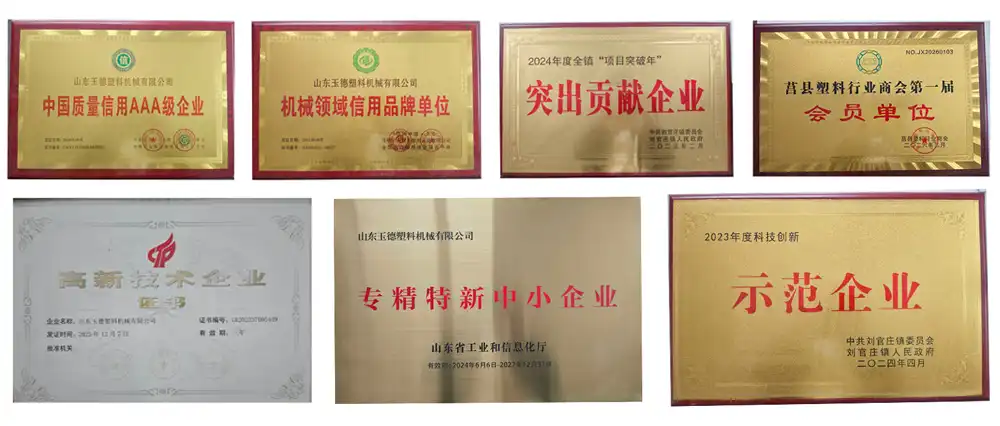
Regional companies like Yude Plastic Machinery offer great deals by mixing tried-and-true technology with lower prices. These providers help mid-market makers who want performance without the high price tag of a premium brand because they can handle batch deliveries and quick customization. Yude has a lot of experience working with OEM sourcing engineers and industrial makers, which shows that they can meet high quality standards and keep prices low.
Conclusion
Knowing how high speed mixers for plastic work gives procurement workers the power to make smart decisions about tools that have a direct effect on how well they work and the quality of the products they make. These machines use strong shear forces and thermo-kinetic energy transfer to mix plastics quickly and evenly. They can mix rigid PVC compounds as well as specialized composites. The practical benefits, such as shorter cycle times, better dispersion uniformity, and lower energy use, lead to measured changes in the productivity and cost structures of production. When choosing the right equipment, you have to weigh the technical specs, the ability to customize it, and the availability of after-sales support against the needs of production and your budget. As automation and sustainability drive industry evolution, partnering with responsive manufacturers offering proven technology and comprehensive service ensures long-term competitive advantage in dynamic global markets.
FAQs
What plastic materials can high speed mixers process effectively?
Most thermoplastic materials can be mixed with high speed mixers for plastic. These include PE, PP, PVC, ABS, polystyrene, and industrial plastics like nylon and polycarbonate. The choice of material depends on how sensitive it is to heat and what temperature it needs to be processed at. PVC dry blends represent the most common application, while heat-sensitive biodegradables require controlled speed profiles preventing thermal degradation.
How often should maintenance procedures be performed?
For non-abrasive uses, checks of the blade condition, seal integrity, and bearing function can be done every three months. When working with gritty fillers, you need to do eye checks every month and detailed checks every six months. Complete cleaning between incompatible materials prevents cross-contamination. Condition-based maintenance maximizes downtime by following the manufacturer's instructions and keeping an eye on the equipment's performance markers.
Can equipment be customized for specific production needs?
Reputable manufacturers provide extensive customization including capacity scaling, material construction upgrades for corrosive additives, control system modifications, and voltage adaptations. Yude Plastic Machinery can make custom solutions to meet the specific needs of your processing needs. They also make sure that the equipment fits in perfectly with your current production processes and meets all area legal standards.
Partner with Yude Plastic Machinery for Superior Mixing Solutions
Yude Plastic Machinery provides tried-and-true high speed mixer for plastic options that meet the exact needs of purchasing engineers and buying managers in factories around the world. Our machines have improved spiral rotor designs that allow them to spin at 50% higher speeds. They are also built to last, with thicker carbon steel barrels and parts that don't wear out easily. We serve a wide range of uses, including plastic granulation, injection molding, and film blowing production lines, with mixing uniformity of over 98% and sizes that can be changed from 300 kg to 10 tons. As a well-known company that makes high speed mixers for plastic, we keep our prices low by running our production efficiently and offering full after-sales support, including expert help 24 hours a day and quick access to parts. Email our engineering team at sales@yudemachinery.com to talk about your unique material handling needs and get thorough technical proposals that are made to fit your operational goals.
References
- Rauwendaal, Chris. Polymer Mixing: A Self-Study Guide. Hanser Publications, 2020.
- Todd, David B. Plastics Compounding: Equipment and Processing. Hanser Gardner Publications, 2019.
- Manas-Zloczower, Ica, and Tadmor, Zehev. Mixing and Compounding of Polymers: Theory and Practice. Hanser Publications, 2021.
- White, James Lindsay, and Kim, Eung Kyu. Twin Screw Extrusion: Technology and Principles. Hanser Publications, 2022.
- Kohlgrüber, Klemens. Co-Rotating Twin-Screw Extruders: Fundamentals, Technology, and Applications. Hanser Publications, 2020.
- Becker, Hans-Joachim, and Braun, Dietrich. Kunststoff-Handbuch Band 2: Polyvinylchlorid. Carl Hanser Verlag, 2018.
Learn about our latest products and discounts through SMS or email