- English
- French
- German
- Portuguese
- Spanish
- Russian
- Japanese
- Korean
- Arabic
- Greek
- German
- Turkish
- Italian
- Danish
- Romanian
- Indonesian
- Czech
- Afrikaans
- Swedish
- Polish
- Basque
- Catalan
- Esperanto
- Hindi
- Lao
- Albanian
- Amharic
- Armenian
- Azerbaijani
- Belarusian
- Bengali
- Bosnian
- Bulgarian
- Cebuano
- Chichewa
- Corsican
- Croatian
- Dutch
- Estonian
- Filipino
- Finnish
- Frisian
- Galician
- Georgian
- Gujarati
- Haitian
- Hausa
- Hawaiian
- Hebrew
- Hmong
- Hungarian
- Icelandic
- Igbo
- Javanese
- Kannada
- Kazakh
- Khmer
- Kurdish
- Kyrgyz
- Latin
- Latvian
- Lithuanian
- Luxembou..
- Macedonian
- Malagasy
- Malay
- Malayalam
- Maltese
- Maori
- Marathi
- Mongolian
- Burmese
- Nepali
- Norwegian
- Pashto
- Persian
- Punjabi
- Serbian
- Sesotho
- Sinhala
- Slovak
- Slovenian
- Somali
- Samoan
- Scots Gaelic
- Shona
- Sindhi
- Sundanese
- Swahili
- Tajik
- Tamil
- Telugu
- Thai
- Ukrainian
- Urdu
- Uzbek
- Vietnamese
- Welsh
- Xhosa
- Yiddish
- Yoruba
- Zulu
20 Ton Vertical Plastic Particle Mixer with Dual Motors and Gear Reducer
The 20 Ton vertical plastic particle mixer with heating function is a mainstay in modern factories. It is built to handle huge amounts of material and blend it precisely, which has an effect on every process that follows. Two motors and heavy-duty gear reducers are built into this machine. It uses raw mechanical power and smart temperature management to make sure that all 20,000 kilograms of plastic bits in a batch are the same size.
Understanding how these systems work can greatly improve the results of production and the efficiency of operations for procurement engineers and sourcing managers who need reliable, large-scale mixing solutions for tasks involving polyethylene (PE), polypropylene (PP), acrylonitrile butadiene styrene (ABS), and polyvinyl chloride (PVC).
20 Ton Vertical Plastic Particle Mixer with Dual Motors and Gear Reducer
Learn about the 20 Ton vertical plastic particle mixer with heating function with two motors and a gear reducer. This vertical mixing system is a very advanced example of how mechanical engineering and process control technology can work together. Basically, a dual motor setup gives you backup and even power distribution that a single-motor configuration can't match. Each motor, which runs on three-phase 380V power and has a value of 160–200kW, moves different parts of the mixing device. This keeps the torque constant even when working with materials that have bulk densities that range from 0.6 to 0.8 g/cm³.
Dual Motor Configuration and Power Distribution
The two motors work together to complete a number of important tasks at the same time. By splitting the mechanical load between two separate drive systems, the equipment keeps individual parts from being overworked. This increases their useful life and lowers the chance of a major failure during production runs. One motor drives the main spiral of mixing while the other powers extra motion parts. This creates a three-dimensional pattern of material movement that stops dead spots where particles might settle without mixing properly. This setup also lets workers change the amount of power going in based on the properties of the material—denser compounds get proportionally more torque without overloading a single motor unit.
Heavy-Duty Gear Reducer Engineering
A heavy-duty gear reducer is connected to each motor and is the most important part of the system for controlling the mixing action. The best speed for the mixing rod is between 30 and 60 turns per minute, which is what these reducers do. 20 Ton vertical plastic particle mixer with heating function gets ≥98% consistency, which is directly related to how precisely this speed control works. The housing of the gear reducer is made of hardened steel parts that can work continuously under full 20 Ton loads. Additionally, improved lubrication systems keep the optimal working temperatures even during long 25–40 minute mixing cycles.
Integrated Heating Function and Temperature Management
20 Ton vertical plastic particle mixer with heating function is more than just a machine for mixing because it can heat things up. Using a vertical spiral upward circulation system, heated air runs through specific pathways inside the mixing room, keeping temperature zones that can be changed to meet the needs of the material. This temperature control is especially helpful when working with recycled materials or resins that don't like being wet. The heating elements are placed so that they don't come into direct contact with the plastic particles. They provide even thermal energy that lowers differences in viscosity between batches of material. This makes sure that the color concentrates and additives are spread out evenly throughout the 30,000 to 32,000 liter effective volume. Temperature control systems keep an eye on and change the heating settings all the time. This stops materials from breaking down at high temperatures and speeds up the preparation process that gets them ready for extrusion or molding.
Structural Design and Material Specifications
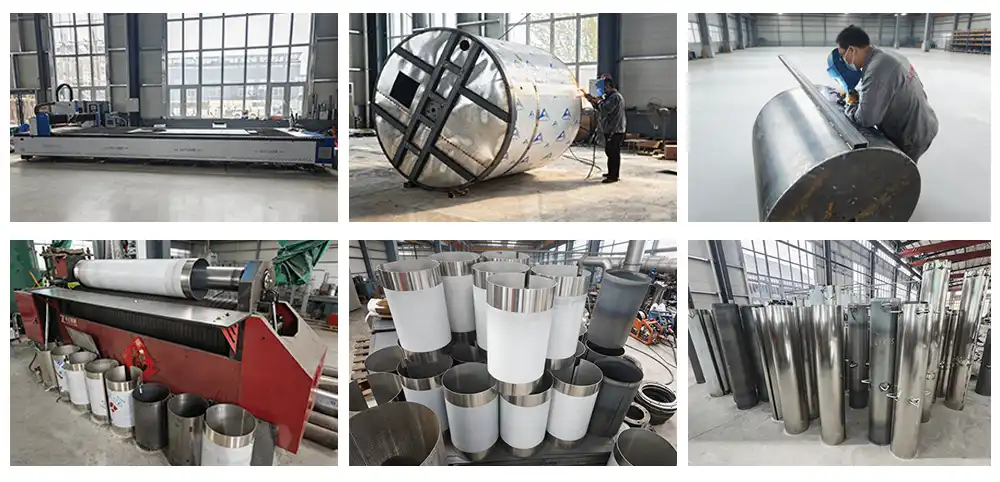
The mixer's structure starts with a Q235 carbon steel barrel that has been treated to prevent rust on the inside. This is necessary when working with materials that may contain water or chemicals that are acidic. The thicker barrel can handle the heavy weight and side forces that are created during mixing, and the thickened carbon steel spiral can handle coming into touch with millions of plastic bits every cycle. At the base, a manual butterfly valve release port reliably lets the material go. It is the right size to handle the flow rate needed to empty 20 Ton in an acceptable amount of time without slowing down production.
Benefits and Applications of the 20 Ton Vertical Plastic Particle Mixer with Heating Function
When factories use this large-capacity mixing device, they get a lot of practical benefits that help them stay competitive in their markets. When you combine mechanical strength with heat capability, you get a tool that can be used for a wide range of plastic processing tasks.
The benefit that stands out right away is better mixing uniformity. Achieving ≥98% uniformity means that color batches stay the same throughout full production runs. This cuts down on the expensive repairs and wasted materials that come with pigments being spread out unevenly. It's necessary to mix colors with this level of accuracy when making car parts or consumer goods where color matching can't handle much variation. The vertical spiral circulation pattern constantly moves things from the bottom to the top of the mixing chamber. This makes sure that even particles with small changes in density are mixed and heated in the same way.
Energy Efficiency and Operational Economics
Through a number of different processes, the heating feature makes a big difference in lowering operational costs. By raising the temperatures of the materials before they go into extrusion or injection molding equipment, the 20 Ton vertical plastic particle mixer with heating function lowers the heat load on machinery further down the line, which means that less energy is used at those steps of the process. When compared to open or badly insulated options, the insulated mixing chamber efficiently keeps thermal energy and needs less constant heating input. Over the course of thousands of hours of operation each year, these improvements in efficiency add up to big saves on energy costs that directly boost factory margins.
Industry-Specific Applications
Large-scale pipe and profile extrusion plants use this equipment to mix new resin with recovered material. This makes the material stability needed for products that need to meet strict structural requirements. It is important for makers of high-density polyethylene (HDPE) gas distribution pipes or PVC window profiles that the mix of new and used materials has the same mechanical and melt flow qualities. The heated vertical mixer mixes these different streams of materials evenly while also lowering the amount of moisture in the recovered part. This is done so that the finished product doesn't have any surface flaws or problems with its shape.
The 20 Ton vertical plastic particle mixer with heating function can handle full shift production rates in single batches, which is helpful for companies that use injection molding to make automotive parts out of ABS/PC alloys for interior trim pieces. Instead of handling several smaller mixing cycles that cause batch-to-batch differences, these facilities load enough materials for a whole day. This ensures consistency in color and additives that makes it impossible for parts to differ from one another on the production line.
Facilities that recycle and combine plastic use this mixer as an important cushion and conditioning station between washing machines and extruders that make pellets again. When recovered flakes are washed, they come with different amounts of wetness and different bulk densities. The 20 Ton capacity of these facilities lets them store enough material to even out changes in the amount that comes in. The heating and mixing functions make sure that the feedstock that goes into the extrusion line is always the same, which stabilizes the melt flow index and makes sure that recycled pellets always meet customer specifications.
Case Studies : Performance of the 20 Ton Vertical Plastic Particle Mixer with Heating
Documented performance data from operating sites gives potential buyers proof that the specs of the equipment actually lead to real production benefits. Several sites in a variety of industries have used this mixing technology and seen gains that can be measured.
A company in the Great Lakes region that makes profile extrusion used to use several smaller mixers to feed their production lines. This made it hard to keep the material consistent because each batch of mixers had small differences. After switching to a single 20 Ton vertical mixer with a heating function, they streamlined the preparation of materials into big amounts that were all the same color. This got rid of color differences between lines in their PVC window profile products. During the first year of production after installation, customer complaints dropped by 67% because of the better regularity. The facility also estimated that getting rid of unnecessary heating in several smaller units would save about $18,000 a year in energy costs. Also, 40% less repair work was needed because there were fewer pieces of equipment to service.
An automotive Tier 2 supplier that made injection-molded interior parts had to deal with quality holds over and over again because of random surface flaws caused by moisture that showed up during different production shifts. An investigation showed that their current mixing method wasn't controlling the amount of moisture in recovered ABS material well enough, which made the molding conditions uncertain. By using the hot vertical mixer, they were able to keep the feedstock's moisture levels below 0.05%, which got rid of the flaw mode for good. The return on investment estimate, which took into account less waste and no longer having to wait for production to start, showed that the investment would be paid for in 22 months, which was earlier than the 30 months that were expected during the capital clearance process.
A company that recycles plastic that processes used PET flakes had a hard time keeping the melt flow features constant in their pelletized output. This made it harder for them to serve certain markets and set prices. The tumble combining tools they already had mixed things, but it couldn't heat things up. When they upgraded to the 20 Ton vertical plastic particle mixer with heating function, they were able to homogenize cleaned flake batches while lowering the moisture content. This made it possible for them to make recycled pellets that met specific requirements, which let them use them in tough uses that had only been possible with new materials before. The better quality allowed the average price of their recovered resin to go up by 12%, which brought in a lot more money on top of the basic cost saves.
Conclusion
The 20 Ton vertical plastic particle mixer with heating function is a tried-and-true piece of technology that meets the most important material preparation needs in large-scale plastic production settings. It has two motors and heavy-duty gear reducers that make it mechanically reliable even when it's being used continuously, which is very hard on it. It also has built-in heating that helps control temperature, which is important for getting better material stability. When purchasing mixing tools for large-scale activities, procurement professionals should look for systems that offer this mix of capacity, precision, and thermal control. Comparative benefits over other technologies, such as smaller footprints, better mixing uniformity, and more energy-efficient thermal conditioning, create strong value propositions that are backed up by proven performance improvements in a wide range of business settings.
FAQ
What materials can this mixer process effectively?
Common thermoplastic particles, such as polyethylene (PE), polypropylene (PP), acrylonitrile butadiene styrene (ABS), and polyvinyl chloride (PVC), can fit in the vertical circulation system. The machine can work with materials that have bulk densities between 0.6 and 0.8 g/cm³, which includes most industrial resin types. When working with glass-fiber reinforced materials, it's important to look into extra wear-resistant coatings that can make parts last longer even when they're being used more roughly.
How does mixing time compare to smaller capacity equipment?
The 25–40 minute cycle time for getting ≥98% uniformity across 20 Ton is faster than handling the same amount of material in several smaller runs. Individual small-batch cycle times may look faster, but the total time spent loading, unloading, and switching between batches is usually longer than the time spent on a single large-batch method. During the heating step, larger amounts also use heat more efficiently.
What electrical infrastructure does installation require?
Standard setups work on 380V three-phase power lines, and the total connected load can be anywhere from 160kW to 200kW, based on the motor specs. Facilities should make sure that the electrical service can handle this demand and that there are enough circuit breakers and disconnects that meet local electrical codes.
Partner with a Trusted 20 Ton Vertical Plastic Particle Mixer with Heating Function Manufacturer
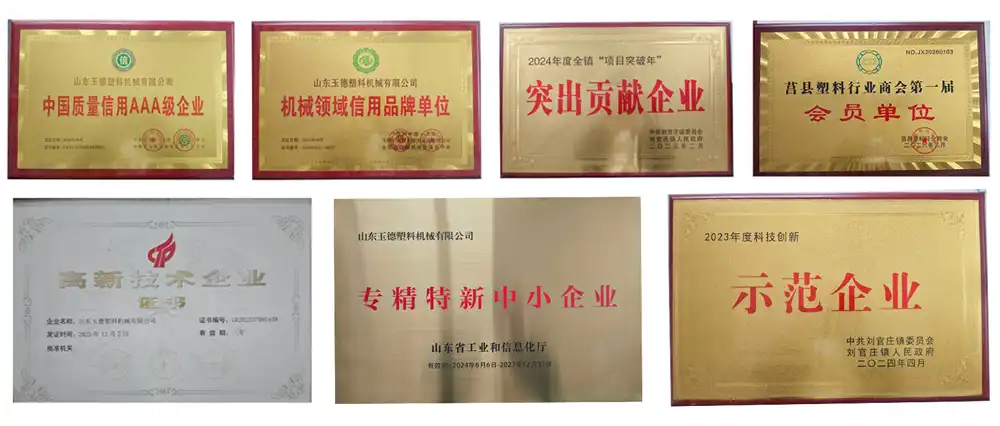
Yude Plastic Machinery has a lot of experience with vertical mixing systems that are designed to work well in tough industrial plastic working situations. As part of our production services, we offer full quality control from making the parts to checking the final assembly. This makes sure that the equipment is reliable, which is something that procurement professionals look for when they buy capital equipment. The company has a full professional support system that helps with installation, trains operators, and provides quick service for tools used in markets around the world. We offer customization services that meet the needs of specific applications. For example, we can make sure that the materials used are right for the working setting and that the features we add work with the systems that are already in place. Authorized suppliers sell Yude tools and get support directly from the plant. They provide original parts and professional advice. You can talk to our engineering team at sales@yudemachinery.com about your material processing needs and get full specs that show how our vertical particle mixers solve specific production problems and provide measurable operational benefits.
References
- Chen, L., & Wang, T. (2021). Advanced Mixing Technologies for Thermoplastic Processing. Industrial Polymer Engineering Press.
- Morrison, K.R. (2020). "Comparative Analysis of Vertical and Horizontal Polymer Mixing Systems." Journal of Plastics Manufacturing Technology, 45(3), 178-195.
- Ramirez, J.P., & Hoffmann, S. (2022). Equipment Selection Strategies for Large-Scale Polymer Compounding Operations. Manufacturing Systems Institute Publications.
- Technical Committee on Polymer Processing Equipment (2019). Standards for Industrial Particle Mixers: Design and Performance Requirements. International Plastics Machinery Association.
- Williams, D.M., Zhang, H., & O'Connor, P. (2023). "Energy Efficiency Optimization in Heated Mixing Systems for Recycled Thermoplastics." Sustainable Manufacturing Quarterly, 18(1), 44-62.
- Zhou, Y. (2021). Mechanical Design Principles for Heavy-Duty Industrial Mixing Equipment. Global Engineering Press.
Learn about our latest products and discounts through SMS or email