- English
- French
- German
- Portuguese
- Spanish
- Russian
- Japanese
- Korean
- Arabic
- Greek
- German
- Turkish
- Italian
- Danish
- Romanian
- Indonesian
- Czech
- Afrikaans
- Swedish
- Polish
- Basque
- Catalan
- Esperanto
- Hindi
- Lao
- Albanian
- Amharic
- Armenian
- Azerbaijani
- Belarusian
- Bengali
- Bosnian
- Bulgarian
- Cebuano
- Chichewa
- Corsican
- Croatian
- Dutch
- Estonian
- Filipino
- Finnish
- Frisian
- Galician
- Georgian
- Gujarati
- Haitian
- Hausa
- Hawaiian
- Hebrew
- Hmong
- Hungarian
- Icelandic
- Igbo
- Javanese
- Kannada
- Kazakh
- Khmer
- Kurdish
- Kyrgyz
- Latin
- Latvian
- Lithuanian
- Luxembou..
- Macedonian
- Malagasy
- Malay
- Malayalam
- Maltese
- Maori
- Marathi
- Mongolian
- Burmese
- Nepali
- Norwegian
- Pashto
- Persian
- Punjabi
- Serbian
- Sesotho
- Sinhala
- Slovak
- Slovenian
- Somali
- Samoan
- Scots Gaelic
- Shona
- Sindhi
- Sundanese
- Swahili
- Tajik
- Tamil
- Telugu
- Thai
- Ukrainian
- Urdu
- Uzbek
- Vietnamese
- Welsh
- Xhosa
- Yiddish
- Yoruba
- Zulu
20 Ton Vertical Plastic Particle Mixer with Heating Function for PE PP ABS PVC Processing
For facilities handling polyethylene (PE), polypropylene (PP), acrylonitrile butadiene styrene (ABS), and polyvinyl chloride (PVC), a 20 Ton vertical plastic particle mixer with heating function is an important investment. This industrial-grade machine has a vertical spiral upward circulation structure that is designed to mix common plastic grains evenly.
This machine can hold up to 20,000 kilograms, have a useful volume of 30,000 to 32,000 liters, and mix materials evenly more than 98% of the time. It meets the needs of processes that need precision, such as film blowing, granulation, and injection molding. With a single mixing cycle that lasts 25 to 40 minutes, it solves the problems of quality and flexibility that procurement engineers face when they are looking for reliable plastic processing solutions.
Benefits of Using a 20 Ton Vertical Plastic Particle Mixer with Heating in Plastic Processing
When you choose heated vertical mixing technology, you can see changes in a number of business measures. The benefits go beyond just mixing materials; they also include saving energy, making products better, and giving producers more options for how they make things.
Enhanced Mixing Quality Through Uniform Heat Distribution
Evenly applying heat to the whole 20-ton batch makes sure that the material is consistently conditioned, which can't be done with mixing at room temperature alone. When color concentrates are mixed with base resins, heat speeds up the spread of the pigments, which cuts down on the time needed to make the mixture look regular. This is especially helpful when making colored materials for parts inside cars or for electronics, since color consistency has a direct effect on how good something looks. The heat also slightly softens the sides of the particles, which helps different materials stick together better during compound modification processes.
Moisture and Static Reduction in Production Environments
Moisture pollution is still a problem in plastic processing because it leads to surface flaws, unstable dimensions, and loss of mechanical properties in final goods. During the mixing cycle, the heating function of the 20 Ton vertical plastic particle mixer actively lowers the moisture content. This acts as a preparation dryer that gets rid of the need for separate drying equipment in many situations. Higher temperatures make it easier for static charge to be released, which is what causes particles to stick together and feed unevenly into downstream equipment. All of these effects work together to make production runs go more smoothly with fewer breaks for cleaning and adjusting equipment.
Energy Efficiency and Cost Savings Analysis
When it comes to energy savings per ton of processed material, combined 20 Ton vertical plastic particle mixer with heating functions are better than separate heating and mixing processes. The protected tank keeps the heat in the batch longer, so it needs less constant power than a bunch of smaller hopper dryers that work on their own. When industrial users combine preparation tasks into a single hot vertical mixer, they save between 30 and 40 percent on energy costs. Over the course of a year's worth of production, which is measured in thousands of tons, these improvements in efficiency mean big cost savings that shorten the time it takes for the equipment to pay for itself.
How to Operate Your 20 Ton Vertical Plastic Particle Mixer with Heating Function?
To get the most out of your equipment's performance and extend its life, you need to follow set operating procedures and preventative maintenance plans. The right steps protect both the people working there and the products being handled, and they also cut down on unplanned downtime.
Step-by-Step Operational Guidelines
Before each mixing cycle starts, make sure the outflow valve is fully closed so that no material is lost during loading. Turn on the 20 Ton vertical plastic particle mixer without heating it to make sure it works mechanically before adding the material. Load plastic bits through the top entry port while keeping an eye on the level sign to make sure you don't go over the 20-ton capacity limit. Overloading raises the motor's current demand and lowers the mixing efficiency, which could damage the material through too much mechanical strain. Once the resin is added, close the access port and turn on the heating system. Make sure the target temperature is right for the resin being handled. To keep from breaking down, PVC usually needs lower temperatures than PP, and mild warmth is good for ABS to keep static from building up.
Temperature and Timing Adjustments for Different Plastics
Polyethylene and polypropylene can be heated up to 80 degrees Celsius while being mixed without changing their properties. This means they can be used for aggressively removing wetness. In order to keep its impact strength, ABS needs to be heated to temperatures between 60 and 70 degrees Celsius. Because it is so sensitive to temperature history, PVC presents its own set of problems. Once thermal conditioning goals are met, temps should stay below 65 degrees Celsius and mixing times should be kept to a minimum. When mixing different types of glue, start by setting the base temperature on the part that is most easily damaged by heat. This will keep the rest of the batch from breaking down.
Procurement Guide: Selecting the Ideal 20 Ton Vertical Plastic Particle Mixer with Heating Function
To make smart choices about capital tools, you need to look at suppliers in more ways than just the initial buy price. The total cost of ownership includes how reliable the equipment is, how easy it is to get service, and how efficiently it works over its entire useful life.
Supplier Reputation and After-Sales Service Evaluation
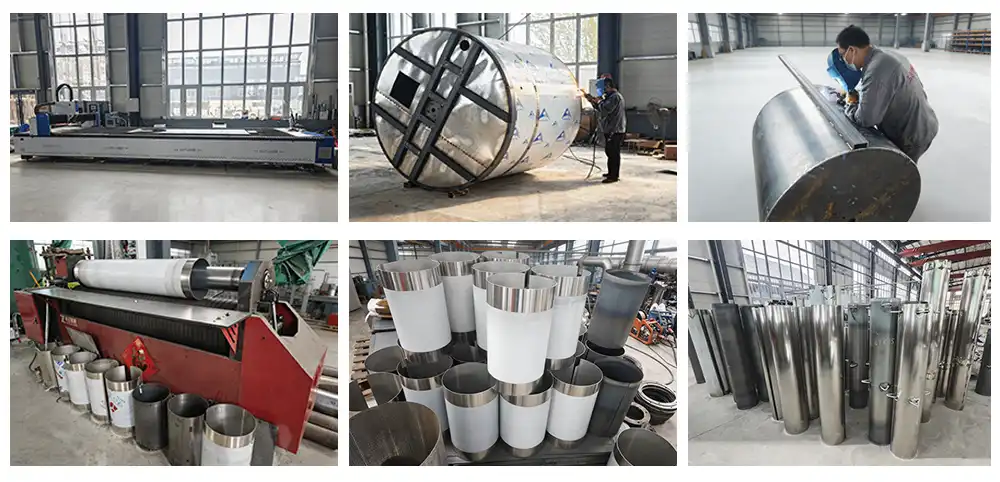
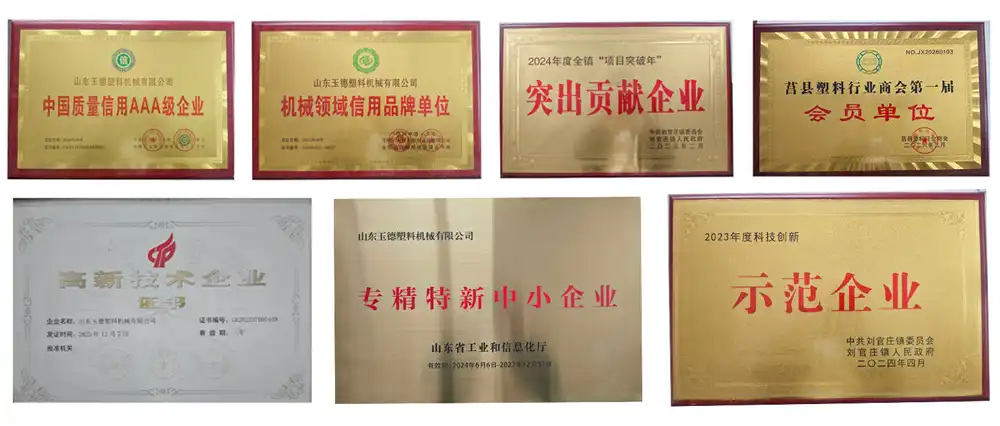
Established companies that have been in the business for a while show that they are dedicated to supporting their products and making them better all the time. This is shown by Yude Plastic Machinery, which has a full after-sales system with technical help available 24 hours a day and quick reaction procedures for equipment problems. When looking at possible sources, make sure they can quickly send new parts, especially for parts that wear out quickly, like mixing spirals and discharge valves. When they buy something from another country, they should make sure that the seller has local service partnerships that can help them get fixes done quickly without having to wait for long-distance shipping. It's important to carefully read the warranty terms, paying special attention to how long the coverage lasts, what parts are covered, and any exclusions that might mean regular wear and tear items aren't covered.
Customization Options for Specific Production Requirements
Standard equipment setups work well for many uses, but customizing them meets the specific needs of each business. Wear-resistant coats can be added to inner surfaces and mixing elements of facilities that work with abrasive materials as an option. This can greatly extend the time between service visits. Different discharge designs can work with various downstream feeding systems, such as pneumatic conveying, gravity chutes, or automatic packaging lines. Updating the control system lets it work with the plant's current automation system. This lets tracking and data collection be centralized for better process optimization. Some suppliers can change the voltage for foreign markets that don't use the normal three-phase 380-volt configuration. This means that expensive transformer installations aren't needed.
Conclusion
For industrial plastic processing to work, the preparation equipment needs to be reliable, efficient, and able to handle large amounts of output. 20 Ton vertical plastic particle mixer with heating functions with built-in heating features meet the important needs of facilities that work with PE, PP, ABS, and PVC materials thanks to their well-proven mechanical design and ability to condition heat. Precise temperature control, strong building, and good mixing action all work together to produce uniform material quality, which directly leads to better performance in later steps of the process. When purchasing professionals are looking at their choices, they should give more weight to suppliers that can provide full expert support, allow for customization, and have a history of reliability in a wide range of industrial settings. This will ensure long-term business success.
FAQs
What temperature ranges can the 20 ton vertical plastic particle mixer with heating function achieve?
Most commercial models work well between 60 and 90 degrees Celsius, and the exact PID temperature control keeps setpoints within one degree. This range works with popular thermoplastics like PE, PP, ABS, and PVC without causing them to break down at high temperatures. For some resin mixtures, suppliers may need to put special temperature profiles into the control system so that they work with the resin.
How does energy consumption compare between heated and non-heated mixers?
For the heating parts, heated vertical mixers need more electricity, which usually adds 30 to 50 kilowatts to the base motor load. However, this unified method uses 30 to 40 percent less energy than using different mixing and drying tools. This is especially true when working with moisture-sensitive materials that need to be preprocessed before they can be molded or extruded.
Can this equipment handle glass-fiber reinforced plastics?
When working with rough materials like glass-reinforced compounds, standard setups wear out faster. If a facility mixes these kinds of materials on a daily basis, it should offer wear-resistant coatings on the inside of the spirals and surfaces that come into contact with the materials. This will greatly increase the service life, even though the climate is tougher.
Partner with Yude Plastic Machinery for Your Mixing Solutions
You can trust Yude Plastic Machinery as a reliable 20 Ton vertical plastic particle mixer with heating function provider that serves markets around the world with tested equipment and full support. Our engineering team works with sourcing professionals to make sure that the mixers meet all of the needs of the production process, from making sure that the materials work well together to making sure that they can be added to current processing lines. With service networks in more than 30 countries and expert help in multiple languages, we make sure that your investment works well for as long as it's supposed to. If you have any questions, our 7x24 after-sales system is here to help right away, and within 24 hours, our local service teams will be there to help you in person. You can talk to our technical experts about your plastic processing problems and get full specifications for equipment that will work best in your production setting by emailing sales@yudemachinery.com. Find out how working with an experienced maker can turn material preparation from a slowdown in production into an advantage that gives you a competitive edge.
References
- Rauwendaal, C. (2014). Polymer Mixing: A Self-Study Guide. Hanser Publications, Munich.
- Tadmor, Z., & Gogos, C. G. (2013). Principles of Polymer Processing (2nd ed.). John Wiley & Sons, Hoboken.
- Whelan, A., & Craft, J. L. (2012). Developments in Plastics Technology: Volume 4. Springer Science & Business Media, London.
- Manas-Zloczower, I. (2009). Mixing and Compounding of Polymers: Theory and Practice (2nd ed.). Hanser Gardner Publications, Cincinnati.
- Crawford, R. J., & Throne, J. L. (2002). Rotational Molding Technology. William Andrew Publishing, Norwich.
- White, J. L., & Kim, E. K. (2010). Twin Screw Extrusion: Technology and Principles (2nd ed.). Hanser Publications, Munich.
Learn about our latest products and discounts through SMS or email