- English
- French
- German
- Portuguese
- Spanish
- Russian
- Japanese
- Korean
- Arabic
- Greek
- German
- Turkish
- Italian
- Danish
- Romanian
- Indonesian
- Czech
- Afrikaans
- Swedish
- Polish
- Basque
- Catalan
- Esperanto
- Hindi
- Lao
- Albanian
- Amharic
- Armenian
- Azerbaijani
- Belarusian
- Bengali
- Bosnian
- Bulgarian
- Cebuano
- Chichewa
- Corsican
- Croatian
- Dutch
- Estonian
- Filipino
- Finnish
- Frisian
- Galician
- Georgian
- Gujarati
- Haitian
- Hausa
- Hawaiian
- Hebrew
- Hmong
- Hungarian
- Icelandic
- Igbo
- Javanese
- Kannada
- Kazakh
- Khmer
- Kurdish
- Kyrgyz
- Latin
- Latvian
- Lithuanian
- Luxembou..
- Macedonian
- Malagasy
- Malay
- Malayalam
- Maltese
- Maori
- Marathi
- Mongolian
- Burmese
- Nepali
- Norwegian
- Pashto
- Persian
- Punjabi
- Serbian
- Sesotho
- Sinhala
- Slovak
- Slovenian
- Somali
- Samoan
- Scots Gaelic
- Shona
- Sindhi
- Sundanese
- Swahili
- Tajik
- Tamil
- Telugu
- Thai
- Ukrainian
- Urdu
- Uzbek
- Vietnamese
- Welsh
- Xhosa
- Yiddish
- Yoruba
- Zulu
Where to Buy 1000kg Vertical Plastic Particle Mixer
Finding reliable sources for a 1000kg vertical plastic particle mixer requires careful evaluation of manufacturers, distributors, and specialized suppliers worldwide. Professional procurement teams typically source these industrial vertical mixers through established machinery manufacturers in China, European industrial equipment dealers, North American processing equipment distributors, and specialized B2B platforms that focus on plastic processing machinery. Understanding supplier capabilities, certification standards, and after-sales service networks becomes crucial when investing in large-capacity mixing equipment for industrial applications.
The global demand for high-capacity plastic mixing equipment continues expanding as manufacturers seek efficient solutions for processing recycled materials, color masterbatch blending, and large-scale production operations. Sourcing the right vertical particle blender involves understanding regional market dynamics, supplier verification processes, and long-term support capabilities that ensure consistent production performance.
Global Market for Large-Scale Plastic Mixing Equipment
Market Dynamics and Regional Demand Patterns
The industrial plastic mixer market has a lot of geographical differences in demand and supply capacities. Asia-Pacific regions, especially China, lead in the production capacity of vertical mixing equipment, accounting for about 60% of the worldwide market share for heavy-duty plastic mixers. European markets demand for precision manufactured plastic granule mixers meeting strict CE certification criteria and environmental norms is solid.
Food-grade applications and pharmaceutical processing are driving North American procurement teams to look for plastic pellet blenders that meet with FDA rules. Latin American markets are seeking economical solutions for recycling operations. Middle East clients are looking for equipment that can handle the great temperature changes and environmental conditions of the desert.
In Shandong, Jiangsu and Guangdong provinces, there are many vendors of vertical mixing machines with competitive prices and fast customisation ability in manufacturing clusters. European vendors in Germany, Italy and Netherlands provide superior engineering solutions with advanced automation features and robust service networks.
Supply Chain Considerations and Capacity Planning
The global supply chains of mixers with capacity of 1000kg are facing several issues such availability of raw materials, shipping logistics, and technical support infrastructure. Lead times often run 4-12 weeks depending on degree of customisation and supplier manufacturing schedules. There are also peak demand times in Q3 and Q4, when plastic processors prepare for high-volume manufacturing cycles. That generally means longer delivery windows.
Vertical batch mixers mainly source components from specialised steel suppliers, motor manufacturers and control system integrators. Any disruption in supply in any segment might affect total equipment availability and pricing structures across regions.
Comprehensive Analysis of Sourcing Channels
Direct Manufacturer Partnerships
If you are going to be purchasing in bulk, there are a number of definite benefits you can realise by working with plastic particle homogeniser manufacturers that are industry specialists. Direct relationships remove the middleman markup and offer technical engineering assistance and customisation options not available through distributors.
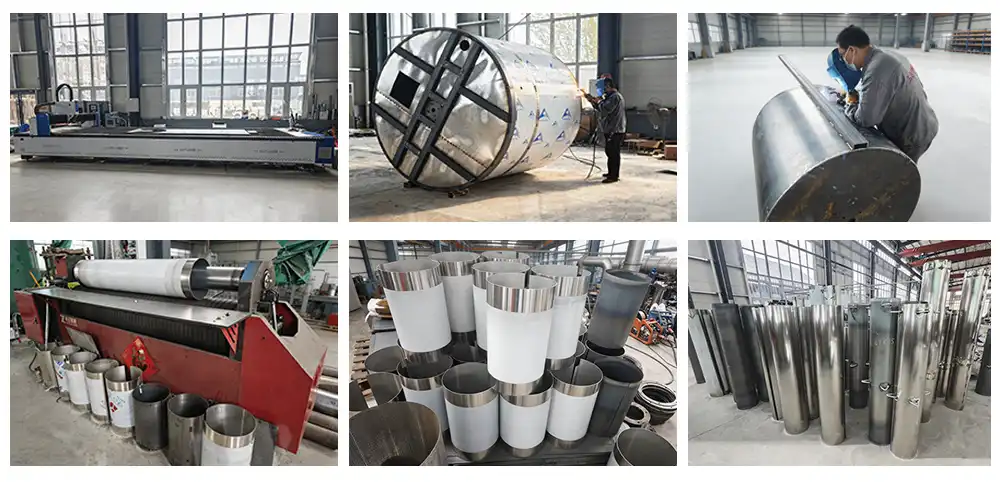
Manufacturers’ facilities usually have dedicated export divisions staffed with qualified technical sales engineers who are familiar with foreign shipping procedures, certification standards, local installation methods and 1000kg vertical plastic particle mixer requirements. This flexibility allows procurement teams to conduct design evaluations, identify unique features and negotiate favourable payment conditions for numerous unit purchases.
If you are dealing with the producers directly, the quality control methods are more visible. Procurement teams may plan factory visits, observe testing methods and check compliance with specific industry requirements before equipment shipping. Visibility decreases the risk of quality issues and ensures the equipment fulfils demanding operational standards.
Regional Distributor Networks
Manufacturer collaborations are complemented by established distributor networks which provide significant local support services. The common spare parts are stocked by the regional distributors, who also deliver the technical training programs. They also have fast response capabilities for maintenance situations. These services are especially advantageous for businesses with many locations in various geographical areas.
Many distributor networks are highly specialised in certain parts of the business, and have developed extensive know-how in applications such as plastic resin mixing for automotive components, or pharmaceutical processing needs. This specialisation allows distributors to give the kind of focused technical assistance and application-specific recommendations that generic vendors just can’t deliver.
The service capabilities of distributor networks differ greatly. The premium distributors have skilled teams of technicians, carry vital spare parts and provide preventative maintenance contracts to help keep your production downtime to a minimum. The need to assess service capabilities while choosing distributor partners for mission critical mixing activities
B2B Platform Advantages and Limitations
Digital B2B platforms have changed the way that suppliers find and pre-qualify industrial vertical mixers. Websites such as Alibaba, Made-in-China and other dedicated equipment trading sites connect you to hundreds of vendors, with product specs, user reviews and price comparisons.
They are quite good at getting you in touch with a supplier for the first time and doing basic standard comparisons. Advanced filtering tools allow procurement teams to search for suppliers based on certification criteria, manufacturing capacity, export experience and customer ratings. However, Interactions on these platforms demand thorough verification of supplier credentials and quality promises.
Established B2B platforms include transaction security measures to secure first payments and dispute resolution systems. However, intricate technical conversations and specific customisation needs frequently necessitate direct contact outside the confines of platform settings. Successes of the platform use tend to be preceded by an initial supplier identification and direct connection building.
Regional Market Analysis and Supplier Characteristics
Asian Manufacturing Hub Advantages
Asian manufacturers, in particular suppliers from China, have the major share of worldwide manufacturing capacity for big scale plastic mixers. Integrated supply chains, availability of specialised work force and government backing to export industrial equipment help to keep manufacturing prices competitive. In the last decade the standards of quality have been dramatically improved. The major firms have achieved ISO 9001 certification and have implemented extensive quality management systems.
In many areas, the technical skills of the best Asian manufacturers are now on par or exceed European requirements. Precision vertical mixing systems may be produced to stringent industrial standards using advanced CNC machining centers, automated welding systems and computerised testing facilities.
Experienced Asian vendors with export experience may help make international transactions go smoothly. Our experienced export departments know the documentation needs, arrange for overseas shipment and work with local installation teams. This experience decreases the complexity of procurement and minimises project risks for multinational purchasers.
European Quality and Innovation Leadership
European producers continue to lead the way in innovation in the field of plastic granule homogeniser technology, especially in the areas of automation, energy efficiency and environmental compliance. The German and Italian providers are specialists in high-precision equipment for demanding applications such as pharmaceutical processing and the handling of food-grade materials.
European suppliers have built advanced control systems with extensive monitoring capabilities, predictive maintenance features and interaction with corporate production systems. Such characteristics justify higher prices for applications needing maximal operational stability and data transparency.
European vendors tend to deliver a full technical support package comprising on-site commissioning, operator training and long-term maintenance contracts. Our service networks are worldwide with authorised partner arrangements ensuring consistent level of support no matter where the installation is located.
North American Market Specialization
Most North American vendors are more application and custom engineering orientated than they are product manufacturers. Strengths include regulatory compliance experience, application engineering capability and quick prototype creation for specialised processing requirements.
The main competitive advantage of North American providers is their service skills for 1000kg vertical plastic particle mixer. What does “Reliable Service” mean? Certified technicians in your area, fast parts availability and extensive service networks to get you back to production fast. These characteristics are especially beneficial for continuous operation facilities in which equipment dependability directly affects profitability.
Supplier Evaluation and Verification Strategies
Technical Capability Assessment
An evaluation of a supplier’s technical skills includes a systematic evaluation of the supplier’s production infrastructure, quality control systems and engineering knowledge. The site visit is the most holistic assessment approach that allows seeing the production processes, quality testing protocols and the competence of the staff directly.
In cases when site visits are not feasible, an alternate evaluation approach is documentation review. Request thorough information on the manufacturing process, quality control techniques, and specs of the equipment. Contact the granting organisations to confirm certificates. Request customer references for similar projects that have been completed within the last two years.
In evaluation phases, technical talks should focus on the specific application needs, not on broad capabilities. Detailed material requirements, processing conditions and performance objectives will be provided for evaluation of supplier comprehension and solution development capability.
Financial Stability and Business Continuity
The financial viability of the supplier directly affects the long-term availability of parts and the capacity to provide service assistance for 1000kg vertical plastic particle mixer. Request Audited Financial Statements, Bank References and Credit Ratings, if available. Evaluate business continuity strategies and backup production capabilities to continue support over the equipment life cycle.
Production capacity evaluation validates ability to satisfy supply obligations and future growth needs. Analyse existing order backlogs, production scheduling processes, and capacity utilisation to uncover any possible delivery issues or limitations.
Insurance coverage verification guards against any concerns of supplier responsibility and guarantees proper protection throughout periods of equipment installation and warranty. Where appropriate, check product liability protection, professional indemnity insurance and export credit insurance.
Quality Assurance and Compliance Verification
Certification to a quality management system gives a baseline guarantee of consistent production and quality control methods. ISO 9001 certification is the minimum, however there may be other certifications for more particular uses such as FDA compliance or ATEX certification depending on the business.
Material traceability systems assure component quality and enable speedy problem solving when problems emerge. Assess the practices in place for procuring the materials from suppliers, the inbound inspection practices, and the paperwork that tracks the origin of parts in the production process.
The testing and inspection processes must be in line with the requirements of the application and the industry norms. Availability of suitable test equipment, calibration methods and personnel certifications. Request sample test reports and watch the testing methods if feasible.
Conclusion
Successfully sourcing a 1000kg vertical plastic particle mixer requires careful evaluation of global supplier capabilities, regional market dynamics, and long-term support requirements. Asian manufacturers offer competitive pricing and rapid delivery, European suppliers provide premium engineering and innovation, while North American partners excel in specialized applications and service support. Effective procurement strategies combine direct manufacturer relationships with regional distributor networks to optimize both initial acquisition costs and lifetime operational expenses. Thorough supplier verification, appropriate risk mitigation measures, and comprehensive service agreements ensure successful equipment integration and sustained production performance.
Ready to Source Your Industrial Mixing Solution? Contact Yude Plastic Machinery Today
Shandong Yude Plastic Machinery stands as your trusted 1000kg vertical plastic particle mixer manufacturer, combining two decades of specialized engineering expertise with comprehensive global service capabilities. Our vertical mixing machines achieve ≥98% mixing uniformity within 8-15 minutes, featuring robust construction and precision-engineered components that ensure reliable performance in demanding industrial environments. Contact our technical sales team at sales@yudemachinery.com to discuss your specific application requirements and receive detailed technical specifications tailored to your operational needs.
FAQ
What is the typical lead time for a 1000kg vertical plastic mixer?
Standard lead times range from 6-12 weeks depending on customization requirements and supplier production schedules. Peak demand periods during Q3 and Q4 may extend delivery windows. Custom configurations or specialized materials can add 2-4 weeks to standard timelines.
How do I verify supplier quality certifications?
Contact certification bodies directly to verify ISO 9001, CE marking, or industry-specific certifications. Request certificate numbers and validation dates. Conduct site visits when possible to observe quality control procedures and manufacturing processes firsthand.
What payment terms are standard for international equipment purchases?
Typical terms include 30-50% advance payment with balance due before shipment. Letters of credit provide security for both parties. Some suppliers offer milestone payments tied to manufacturing progress and inspection acceptance.
Are spare parts readily available for imported mixing equipment?
Spare parts availability depends on supplier service networks and local distributor partnerships. Verify parts inventory locations, typical delivery times, and stocking commitments for critical components. Consider initial spare parts purchases with equipment orders.
What installation support should I expect from suppliers?
Professional suppliers provide installation supervision, commissioning assistance, and operator training. Remote support capabilities have expanded significantly, though complex installations may require on-site technician presence. Clarify installation support scope during purchasing negotiations.
How do I evaluate mixing uniformity performance claims?
Request detailed test reports showing mixing uniformity percentages and testing methodologies. Industry standard tests use tracer materials and statistical sampling to verify performance claims. Witness testing during factory acceptance provides additional verification.
References
1. Global Industrial Mixing Equipment Market Analysis and Forecast 2024-2029, Industrial Research Institute
2. Plastic Processing Machinery: Technology Trends and Regional Market Dynamics, Manufacturing Technology Review
3. Vertical Mixing Systems for Polymer Processing: Design Principles and Performance Optimization, Journal of Plastic Engineering
4. International Trade Patterns in Industrial Mixing Equipment: Supply Chain Analysis, Global Manufacturing Quarterly
5. Quality Assurance Standards for Plastic Processing Equipment: Certification and Compliance Guide, Industrial Standards Association
6. Procurement Best Practices for Large-Scale Manufacturing Equipment: Risk Management and Supplier Evaluation, B2B Procurement Journal
Learn about our latest products and discounts through SMS or email