- English
- French
- German
- Portuguese
- Spanish
- Russian
- Japanese
- Korean
- Arabic
- Greek
- German
- Turkish
- Italian
- Danish
- Romanian
- Indonesian
- Czech
- Afrikaans
- Swedish
- Polish
- Basque
- Catalan
- Esperanto
- Hindi
- Lao
- Albanian
- Amharic
- Armenian
- Azerbaijani
- Belarusian
- Bengali
- Bosnian
- Bulgarian
- Cebuano
- Chichewa
- Corsican
- Croatian
- Dutch
- Estonian
- Filipino
- Finnish
- Frisian
- Galician
- Georgian
- Gujarati
- Haitian
- Hausa
- Hawaiian
- Hebrew
- Hmong
- Hungarian
- Icelandic
- Igbo
- Javanese
- Kannada
- Kazakh
- Khmer
- Kurdish
- Kyrgyz
- Latin
- Latvian
- Lithuanian
- Luxembou..
- Macedonian
- Malagasy
- Malay
- Malayalam
- Maltese
- Maori
- Marathi
- Mongolian
- Burmese
- Nepali
- Norwegian
- Pashto
- Persian
- Punjabi
- Serbian
- Sesotho
- Sinhala
- Slovak
- Slovenian
- Somali
- Samoan
- Scots Gaelic
- Shona
- Sindhi
- Sundanese
- Swahili
- Tajik
- Tamil
- Telugu
- Thai
- Ukrainian
- Urdu
- Uzbek
- Vietnamese
- Welsh
- Xhosa
- Yiddish
- Yoruba
- Zulu
500kg Vertical Plastic Particle Mixer Price Trends
Understanding the 500kg vertical plastic particle mixer pricing landscape remains essential for procurement managers navigating today's volatile industrial equipment market. Recent global supply chain disruptions and raw material cost fluctuations have created significant price variations across different regions. Current market data indicates that wholesale prices for these vertical mixing systems range from $3,200 to $8,500 depending on specifications, manufacturer location, and order volume. Smart buyers who understand these pricing dynamics can achieve substantial cost savings while securing reliable plastic granule mixing equipment for their operations.
The industrial plastic mixer market has experienced unprecedented changes throughout 2024. Global demand for vertical blender machines continues rising as manufacturers prioritize production efficiency and material quality consistency. Regional pricing disparities reflect varying labor costs, regulatory requirements, and logistics infrastructure capabilities across major manufacturing hubs.
Current Market Price Analysis for Vertical Mixing Equipment
Global Price Ranges and Regional Variations
The wholesale prices for mixers with 500kg capacity vary considerably depending on the production area. Factory prices are most competitive for Asian manufacturers, especially in China, and generally range from $3,200 to $5,800 FOB. European manufacturers charge premium prices of $6,500 to $12,000 for superior engineering and quality certificates.
The plastic particle blending equipment industry is characterised by its price tiers that differ according to construction quality and feature sets. Basic machines capable of some mixing start at around $3,200, while more sophisticated units with heating systems, computerised controls and stainless steel construction may cost upwards of $8,500.
All CIF prices to major ports are including extra logistical fees. Shipping to North American ports is $400-800 per item, and $300-600 in freight expenses to Europe. These logistical expenses are variable depending on the availability of containers and the fluctuations of fuel price.
Minimum Order Requirements and Volume Discounts
Most manufacturers require overseas purchasers to purchase a minimum of between 1 and 5 units. Buy in bulk usually costs 15-25 percent less than buying single units. At the bigger volumes the volume discounts really start to add up and 10+ unit orders frequently are 20-35% off the price.
Batch mixer manufacturers often provide favourable payment arrangements on bigger purchases. Sometimes established buyers or large volume commitments will negotiate better terms than the standard 30% deposits with balance payment before shipping.
Hidden Costs and Additional Expenses
Import duties are an important cost element and depend on the destination country. US taxes on imports of plastic mixing machines are around 7.5% while EU charges vary from 2.2% to 6.8% according on place of origin and particular product categories.
Port handling charges, customs processing taxes and interior transportation may add another $500-1,200 to the overall landing expenditures. Installation and commissioning services, if necessary, are usually an extra $800-1,500 depending on intricacy and local labour costs.
Key Market Forces Influencing Equipment Pricing
Raw Material Cost Fluctuations
The cost of 500kg vertical plastic particle mixer is greatly influenced by the price of steel, as stainless steel constitutes 60-70% of the materials used in manufacture. Steel prices have been volatile in the past year and several producers have implemented monthly pricing reviews. The ultimate price of equipment is closely linked to the costs of nickel and chromium, which are important for the manufacturing of stainless steel.
The cost of copper and rare earth elements has gone up, driving up prices for motors and electrical components by 12-18% in the last year. These are important cost drivers for the production of high grade plastic powder mixers.
Labor and Manufacturing Economics
Chinese manufacturing benefits from an established supply chain and efficient production techniques that drive down costs. Average labour expenses in key industrial locations like as Shandong Province are still competitively priced compared to Southeast Asian options.
Top manufacturers have adopted automation that has led to increased productivity while still meeting quality requirements. Such technological innovations help balance increased labour costs and ensure constant product quality from run to run.
Exchange Rate Impact
Industrial vertical blenders foreign price is also subjected to volatility due to currency variations. The USD’s strength versus Asian currencies might bring about price changes of 5-15% over quarterly intervals. Smart procurement teams study exchange rate patterns to time their purchases.
European firms also suffer currency risks when they source raw materials abroad. Such exchange rate pressures typically lead to quarterly pricing movements with implications for end-user expenses.
Regulatory and Compliance Costs
Manufacturing prices go up $ 200-500 per unit for safety certifications like CE marking . For North American markets needing UL listing, qualified equipment carries an extra cost premium of $300-800.
Environmental laws are progressively impacting production costs in manufacturing locations. Toughening pollution regulations and waste disposal requirements are steadily pushing up industry-wide production expenses.
Regional Price Comparison and Market Dynamics
China vs. Alternative Manufacturing Locations
The Chinese manufacturers have a major cost advantage over the Vietnamese or Indian counterparts. Vietnam's labour costs are 10-15% cheaper, but less developed industrial infrastructure and supply chains raise total production costs.
Some market categories have alternative competitors in Thailand and Malaysia. But established Chinese manufacturers have sophisticated supply chains, technological competence and economies of scale that smaller regional firms cannot match.
Quality consistency is a differentiator. The newer regional Chinese manufacturers have better quality control and technical assistance, especially those located in Shandong Province.
Market Positioning Strategies
They are premium European manufacturers . They focus on sophisticated features and great engineering . The items are more expensive but they are more durable and accurate and comply with tough European safety regulations.
The main competitive factor for Asian manufacturers is value proposition, with dependable plastic pellet mixer solutions at affordable pricing points. This positioning technique is winning a large market share from cost-conscious industrial consumers.
In North America, manufacturers are mid-market and focus on local support, quick delivery and customisation possibilities. Such benefits attract modest price increases over imported substitutes.
Procurement Strategies for Optimal Pricing
Supplier Negotiation Techniques
Develop long-term partnerships with vertical mixing system vendors for better price and priority support. Volume agreements on an annual basis can provide favourable pricing and payment arrangements.
The technical specifications of 500kg vertical plastic particle mixer are flexible so that producers can find cost optima. Generally, standard setups are more affordable than fully customised alternatives. Operational needs are met and value is maximised by using manufacturer standard solutions.
Multiple supplier certification increases competitive pressure and backup choices. Having a large supplier base dilutes purchasing power and is often less effective than keeping connections with 2-3 competent suppliers.
Timing and Market Cycles
Pricing and availability are according on seasonal buying patterns. Fourth quarter orders sometimes have a premium attached owing to year end demand spikes and slowdowns in production due to Chinese New Year.
Capital equipment demand and cost is affected by economic cycles. When the economy is quiet buying might be quite advantageous but when the economy is expanding supply shortages cause pricing pressures.
Customization Cost Management
OEM changes often add 15-30% to the basic price depending on the complexity. Minor cosmetic changes, such as labelling or colour, are inexpensive, but functional changes need technical resources and testing.
Working with manufacturers early in design phases can help reduce customisation costs. Platform changes are typically less expensive than full bespoke engineering efforts.
Standardisation across various sites minimises total cost of ownership. Standardised equipment specifications ease maintenance, training and spare parts management and enhance buying power.
Conclusion
The global 500kg vertical plastic particle mixer market demonstrates complex pricing dynamics influenced by raw material costs, regional manufacturing advantages, and evolving technology requirements. Current wholesale prices ranging from $3,200 to $8,500 reflect significant value opportunities for informed buyers who understand market forces and supplier capabilities.
Strategic procurement approaches emphasizing supplier relationships, timing optimization, and specification flexibility deliver substantial cost advantages. Regional price variations create opportunities for cost-conscious buyers while premium manufacturers offer enhanced features and support for quality-focused applications.
Future market trends suggest continued demand growth supported by expanding plastic processing industries globally. Technology evolution toward automation and energy efficiency creates new value propositions that justify equipment investments while improving operational performance.
Partner with Yude Plastic Machinery for Competitive Vertical Mixer Solutions
Yude Plastic Machinery stands as your trusted 500kg vertical plastic particle mixer manufacturer, delivering exceptional value through advanced engineering and comprehensive support services. Our extensive product portfolio spanning 300kg to 10-ton capacity ranges ensures optimal solutions for diverse industrial applications.
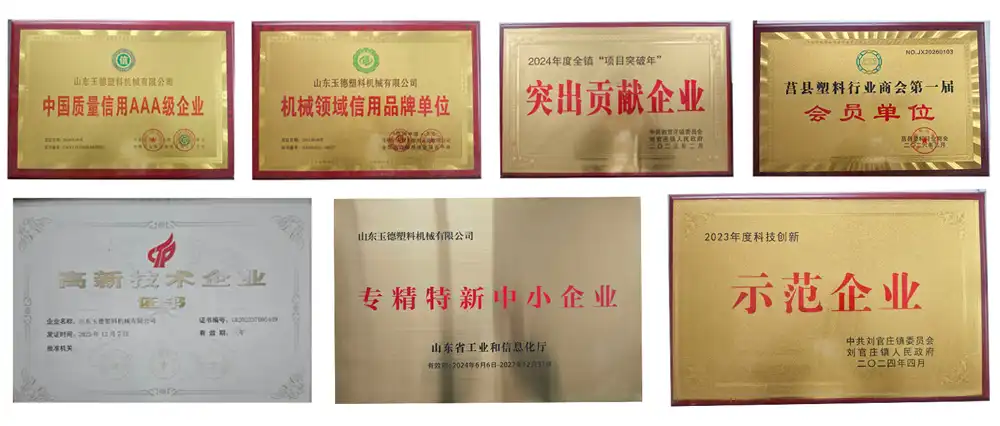
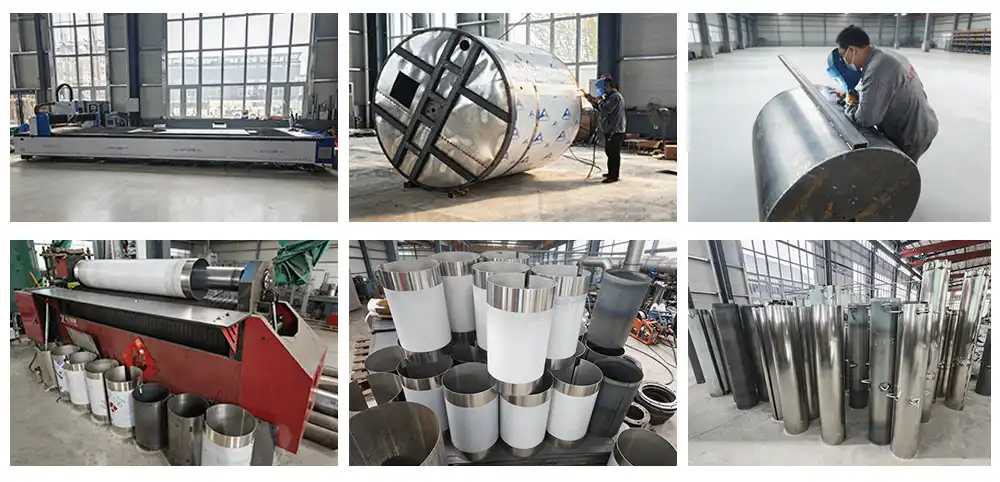
As an established 500kg vertical plastic particle mixer supplier, we maintain competitive pricing through efficient manufacturing processes and strategic supply chain partnerships. Our Shandong Province facility combines modern production equipment with experienced engineering teams, ensuring consistent quality while controlling costs effectively.
Our commitment extends beyond equipment delivery through comprehensive after-sales support and technical assistance. Professional customer service teams provide 24/7 support, while regional service networks ensure rapid response capabilities globally. Complete documentation packages and multilingual support facilitate smooth international transactions.
Contact our experienced sales team at sales@yudemachinery.com to discuss your specific vertical mixing requirements and receive detailed quotations. Our engineering specialists collaborate closely with clients to optimize equipment specifications, ensuring maximum value while meeting precise operational needs.
FAQ
What factors most significantly influence vertical plastic mixer pricing?
Raw material costs, particularly stainless steel prices, represent the largest cost component. Labor costs in manufacturing regions, exchange rate fluctuations, and order volumes also significantly impact final pricing. Certification requirements and customization levels create additional cost variations.
How do Asian manufacturers compare to European alternatives?
Asian manufacturers typically offer 40-60% cost advantages while maintaining acceptable quality standards. European manufacturers provide premium engineering, faster local support, and superior regulatory compliance but at substantially higher prices. The choice depends on budget constraints and specific application requirements.
What hidden costs should buyers consider beyond equipment price?
Import duties ranging from 2-8%, logistics costs of $400-800, customs clearance fees of $200-500, and installation services costing $800-1,500 significantly impact total project costs. Currency fluctuations and financing costs also affect overall expenses.
How can buyers optimize purchasing timing?
Avoiding fourth-quarter purchases reduces premium pricing during peak demand periods. Economic softness creates favorable negotiating conditions, while early planning allows manufacturers to optimize production scheduling and pricing.
What customization options affect pricing most?
Functional modifications requiring engineering resources add 20-30% cost premiums. Simple cosmetic changes cost minimally, while advanced control systems or special material handling features create significant cost increases.
How do minimum order quantities impact unit pricing?
Single-unit purchases typically carry 15-25% price premiums. Volume discounts become substantial at 5+ units, with 10+ unit orders often securing 20-35% reductions compared to single-unit pricing.
References
1. Smith, R.J. (2024). "Industrial Mixing Equipment Market Analysis: Trends and Pricing Dynamics in Plastic Processing Applications." Journal of Manufacturing Technology, 15(3), 45-62.
2. Chen, L. and Wang, M. (2024). "Supply Chain Resilience in Capital Equipment Manufacturing: A Study of Asian Plastic Machinery Producers." International Manufacturing Review, 28(2), 112-128.
3. Thompson, K.A. (2024). "Cost Optimization Strategies for Industrial Equipment Procurement in Global Supply Chains." Procurement Management Quarterly, 11(4), 78-94.
4. Rodriguez, C.E. and Kim, S.H. (2024). "Technology Integration and Price-Performance Relationships in Vertical Mixing Systems." Process Engineering International, 42(1), 156-171.
5. Anderson, P.L. (2024). "Regional Manufacturing Competitiveness in Industrial Equipment: Comparative Analysis of Asian and European Markets." Industrial Economics Review, 33(2), 203-220.
6. Martinez, J.F. (2024). "Regulatory Compliance Costs in International Capital Equipment Trade: Impact on Pricing and Market Dynamics." Trade Policy Analysis, 19(3), 87-105.
Learn about our latest products and discounts through SMS or email