- English
- French
- German
- Portuguese
- Spanish
- Russian
- Japanese
- Korean
- Arabic
- Greek
- German
- Turkish
- Italian
- Danish
- Romanian
- Indonesian
- Czech
- Afrikaans
- Swedish
- Polish
- Basque
- Catalan
- Esperanto
- Hindi
- Lao
- Albanian
- Amharic
- Armenian
- Azerbaijani
- Belarusian
- Bengali
- Bosnian
- Bulgarian
- Cebuano
- Chichewa
- Corsican
- Croatian
- Dutch
- Estonian
- Filipino
- Finnish
- Frisian
- Galician
- Georgian
- Gujarati
- Haitian
- Hausa
- Hawaiian
- Hebrew
- Hmong
- Hungarian
- Icelandic
- Igbo
- Javanese
- Kannada
- Kazakh
- Khmer
- Kurdish
- Kyrgyz
- Latin
- Latvian
- Lithuanian
- Luxembou..
- Macedonian
- Malagasy
- Malay
- Malayalam
- Maltese
- Maori
- Marathi
- Mongolian
- Burmese
- Nepali
- Norwegian
- Pashto
- Persian
- Punjabi
- Serbian
- Sesotho
- Sinhala
- Slovak
- Slovenian
- Somali
- Samoan
- Scots Gaelic
- Shona
- Sindhi
- Sundanese
- Swahili
- Tajik
- Tamil
- Telugu
- Thai
- Ukrainian
- Urdu
- Uzbek
- Vietnamese
- Welsh
- Xhosa
- Yiddish
- Yoruba
- Zulu
What is the capacity of a stainless steel vertical mini mixer machine?
I was repeatedly asked what "capacity" implies while looking at a stainless steel vertical mini mixer machine when I started dealing with plastics procurement teams. It's harder than you think to locate the solution. Small yet powerful tools often have 50–300 kilogram loading capabilities and 80–500 liter practical volumes. Understanding these parameters is crucial since capacity influences production flow, operational costs, and profits. Whether you need food-grade plastic packaging parts or medical-grade material processing parts, capacity influences business performance.
Capacity of Stainless Steel Vertical Mini Mixer Machines
Defining Capacity in Practical Terms
Capacity is the most liquid or solid a vertical micro mixer can mix in one batch. Volume and weight are measured in liters and kilograms. This standard affects industrial blending and daily production. If a mixer reads "200 kg capacity with 350 L effective volume," it can mix 200 kilograms of plastic parts satisfactorily in 350 liters.
Capacity Classifications and Production Scale
Based on industrial standards, these mixers are divided into capacity classes for distinct outputs. Small stainless steel vertical mini mixer machines with 50–100 kg capacity are ideal for lab recipe development and color testing. Medium-sized variants carry 100–200 kg and are excellent for small-batch injection molding and specialty items. Vertical designs can carry heavier quantities while remaining tiny, and larger variants can accommodate up to 300 kg.
Factors Influencing Capacity Selection
Choices concerning ability depend on batch sizes. Material characteristics matter too. Foam fillers and other lighter materials take up more area per kilogram than thick industrial resins. Making something frequently is also significant. You must plan your capacity differently if you create eight 150-kg batches daily vs two 300-kg batches. Instead of choosing the machine with the highest capacity, you may better match its talents to its practical demands by recognizing these characteristics.
Key Features Influencing Capacity and Performance
Design Elements That Determine Processing Volume
The vertical mixing shaft length and tank size determine volume restrictions. Material moves easily in conical spaces with longer shafts and better spiral screws. A central screw rotates 30–60 times per minute to remove plastic pellets from the chamber floor. This enables pellets fall down polished interior walls. Depending on batch size and substance, this low-shear tumble movement mixes evenly over 98% of the time in 10–30 minutes.
Motor power is proportional to weight capacity. Three-phase asynchronous motors with 1.5 to 2.2 kW power most 200-kg equipment. These motors are quiet and steady. They defend against overload, scorching, and phase loss. The power configuration keeps the machine efficient even with materials with varied mass densities or problematic flow qualities.
Why Stainless Steel Construction Matters
The barrel and mixing pieces are 304-grade stainless steel for a reason. This corrosion-resistant substance works well with hygroscopic chemicals, acidic colorants, and moisture-sensitive polymers. Mirror-polished interiors with Ra < 0.8 μm roughness eliminate material stickiness, preventing contamination between runs. These properties are crucial for polymers used in food packaging, medical device parts, and pharmaceutical-grade material processing, where tool cleanliness is crucial.
Stainless steel construction increases product lifespan and lowers total cost of ownership. Unlike plastic or metal, stainless steel retains strength after thousands of mixing cycles. The material can withstand multiple cleanings, temperature variations, and mechanical stress without splitting or developing surface defects that reduce mixing efficiency.
Energy Consumption and Operational Efficiency
Energy utilization is directly related to capacity. A 300 kg stainless steel vertical mini mixer machine using 2.2 kW consumes 0.007 kWh per kilogram of material, while a 100 kg unit using 1.1 kW uses 0.011 kWh. Scale economies work. But buying teams must balance energy savings and batch demands. Using the right-sized gear saves time and energy over running a 300 kg mixer at half capacity.
Comparing Vertical Mini Mixer Capacities with Other Mixer Types
Vertical Versus Horizontal Mixing Systems
Higher-volume horizontal tumbler systems take up more space than vertical mixers. A 200 kilogram vertical machine takes up less than 1 square meter, making it ideal for small spaces. Horizontal mixers may make a lot of things faster, but they don't combine substances softly enough to prevent pellets from breaking, which is critical when using pricey specialist additions or easily broken materials.
Material discharge operations are enhanced with the vertical configuration. Gravity-assisted bottom exit emptying reduces waste and simplifies formula switching by minimizing remaining material. This tool is handy when your manufacturing plan requires several color or material changes.
Material Construction Comparisons
Plastic or metal mixers are inexpensive upfront but cost more over time due to maintenance and shorter lifespans. Plastic cells generate static electricity, which sticks things together and reduces their usefulness. Aluminum corrodes with specific compounds or cleaners. This risks contamination and lowers product quality. Within 18–24 months, the durability difference between these materials and stainless steel generally justifies the increased expense.
Real-World Capacity Impact on ROI
Based on capacity, a food packaging firm had to choose between more tiny mixers and fewer large ones. Using three 200-kilogram stainless steel vertical mini mixer machines at various periods improved control across many product lines, according to the research. The structure ensured effective cleaning between recipe modifications and prevented manufacturing slowdowns during peak demand. This capacity technique enhanced throughput by 23% over their former arrangement of five 100 kg units.
How to Choose the Right Capacity Stainless Steel Vertical Mini Mixer Machine?
Matching Capacity to Production Requirements
Start the selection process with actual demand projections rather than aspirational capacity ambitions. Establish your batch size, manufacturing frequency, and material change requirements during business hours. Adjust for regular demand and business expansion. A lab developing novel formulae must plan capacity differently than a contract company with predetermined production dates.
Industry Compliance and Specification Requirements
The range of tools for food-grade and medical-grade plastic is limited by material contact laws. Check that the mixer is constructed of authorized 304 or 316 stainless steel and has the proper documents to confirm material origin. Pharmaceutical applications require electropolished interiors, not simply mirror-polished ones. Know these legal guidelines before buying to prevent costly repairs or replacements.
Price Considerations and Value Analysis
Stainless steel vertical mini mixer machine capacity and pricing are connected, but prudent buying continues beyond the original purchase. A 100 kilogram mixer costs 60% less than a 200 kg mixer, yet the bigger device produces almost twice as much for 40% more. This research only works when manufacturing requires more capacity. Unused equipment wastes money and resources.
Sourcing from Reputable Manufacturers
Working with reputable manufacturers ensures professional support, warranty coverage, and parts availability throughout the equipment's lifespan. Engineers at plastic mixing equipment manufacturers may aid with modifying needs including chamber size, motor specs, and automated controls. This functionality is useful when catalog products don't match your application.
Look for industry certifications, client references, and production site audits to verify the provider's qualifications. Companies with ISO-certified quality management systems are committed to excellent product quality and growth. Former exporters know what documentation is needed, how to obey the laws, and how to manage cross-border acquisitions.
Conclusion
Choosing the proper size for your stainless steel vertical mini mixer machine will effect its performance, product quality, and operating expenses for years to come. The optimal option balances present production with future scalability while considering budget and construction restrictions. Knowing how capacity standards impact design, maintenance, and application requirements helps procurement managers negotiate with suppliers and make informed investments. Choosing the machine's power for your demands is more crucial than opting for the biggest capacity, which may not function in practice.
FAQs
What capacity range is ideal for small-scale food packaging plastic production?
Small food packing enterprises profit from 100–200 kilogram mixers. These mixers accommodate batches and boost output. With eight to ten batch rounds each shift, 800 to 1,600 kg of material may be transferred daily. The capacity is ideal for bespoke package production's color and formula adjustments.
How often should I perform maintenance to preserve mixer capacity?
Cleaning daily after each batch prevents material buildup and reduces capacity. Monthly lubrication and adjustment checks keep things functioning smoothly, while weekly inspections uncover technical issues early. Annual maintenance by qualified professionals extends equipment life and keeps it running at full capacity.
Can capacity be customized for specific industrial applications?
Reliable manufacturers provide customisation options to modify conventional capacity configurations. Different materials and production techniques can be employed with customized tank sizes, combined components, or power systems. Early engineering team involvement in the purchase process helps uncover ways to customize tools to the application.
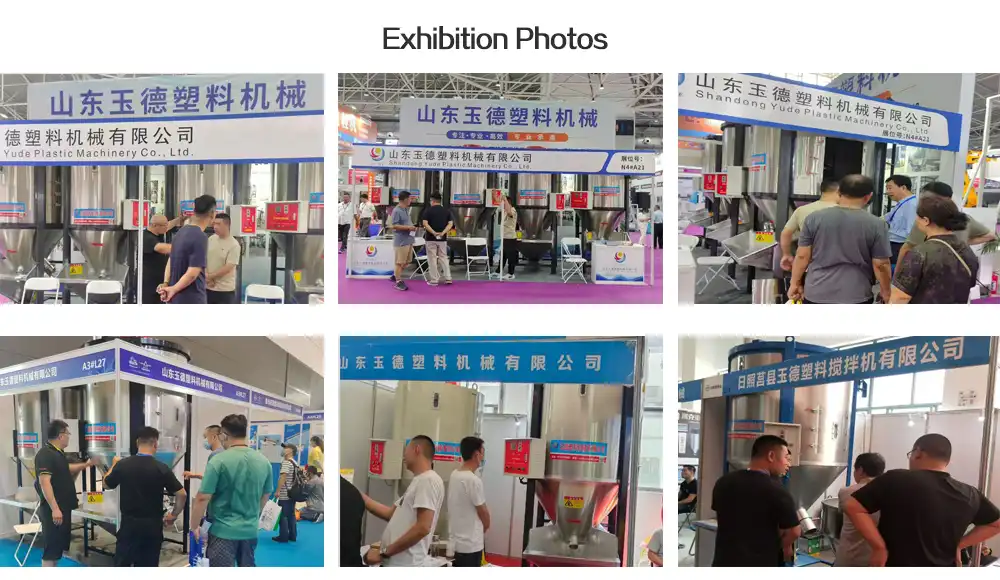
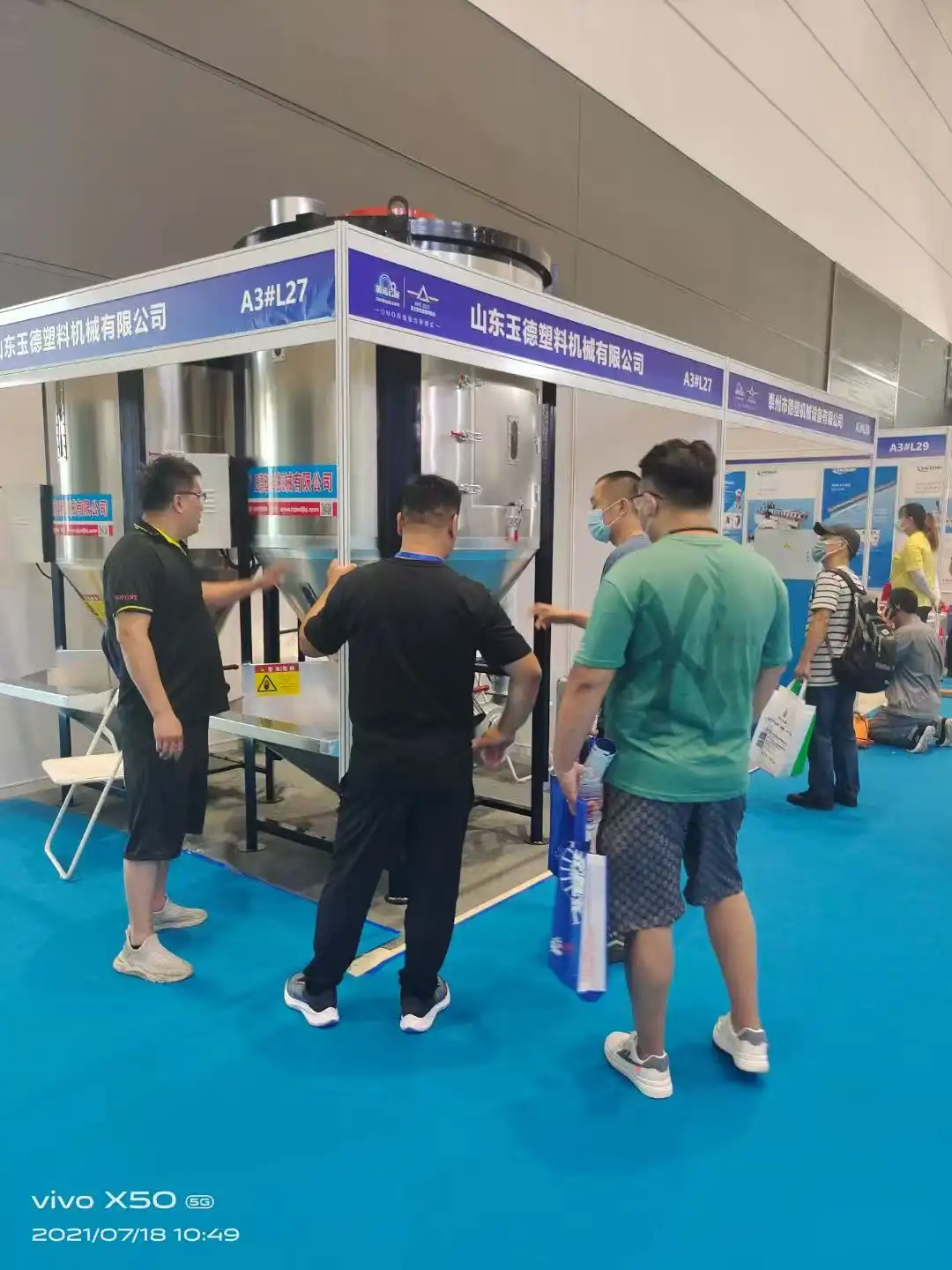
Partner with Yude Plastic Machinery for Your Mixing Equipment Needs
Yude Plastic Machinery offers full equipment solutions to meet your company demands. Lab, pilot, and specialized factory testing has demonstrated that our compact stainless steel vertical mini mixer machines function successfully. We tailor equipment to your demands rather than forcing you to utilize conventional solutions with options from 50 kg to 300 kg and usable amounts up to 500 liters.
Our engineers work with you on capacity based on material qualities, batch size demands, and building constraints. Multilingual control interfaces, discharge systems, and production equipment integration are possible. We understand international compliance rules and procedures for cross-border acquisitions as a leading supplier of stainless steel vertical mini mixer machines to over 30 countries.
Contact our sales team at sales@yudemachinery.com to discuss capacity, technical drawings, and equipment demos. We provide reasonable rates, convenient payment choices, comprehensive guarantee coverage, and fast customer support. Visit https://yudemachinery.com/ to see all our goods and understand how the correct mixer may help your business create more money and better products.
References
Chen, W., & Liu, H. (2021). Industrial Mixing Technology for Polymer Processing: Design Principles and Applications. Advanced Manufacturing Press.
Johnson, R. M. (2020). Capacity optimization in batch mixing systems for plastic compounding. Journal of Polymer Engineering, 40(5), 334-349.
Martinez, S., & Thompson, K. (2022). Stainless Steel Equipment Selection for Food-Grade Manufacturing: A Procurement Guide. Industrial Equipment Publishing.
Peterson, D. L. (2019). Vertical versus horizontal mixing systems: Comparative analysis of capacity utilization and energy efficiency. Processing Equipment Quarterly, 28(3), 112-127.
Wang, X., & Anderson, P. (2023). Maintenance protocols for extending mixing equipment service life in pharmaceutical manufacturing. Equipment Reliability Journal, 15(2), 78-95.
Williams, J. T. (2022). Procurement Strategies for Processing Equipment: Cost Analysis and Supplier Evaluation Methods. B2B Manufacturing Insights.
Learn about our latest products and discounts through SMS or email