- English
- French
- German
- Portuguese
- Spanish
- Russian
- Japanese
- Korean
- Arabic
- Greek
- German
- Turkish
- Italian
- Danish
- Romanian
- Indonesian
- Czech
- Afrikaans
- Swedish
- Polish
- Basque
- Catalan
- Esperanto
- Hindi
- Lao
- Albanian
- Amharic
- Armenian
- Azerbaijani
- Belarusian
- Bengali
- Bosnian
- Bulgarian
- Cebuano
- Chichewa
- Corsican
- Croatian
- Dutch
- Estonian
- Filipino
- Finnish
- Frisian
- Galician
- Georgian
- Gujarati
- Haitian
- Hausa
- Hawaiian
- Hebrew
- Hmong
- Hungarian
- Icelandic
- Igbo
- Javanese
- Kannada
- Kazakh
- Khmer
- Kurdish
- Kyrgyz
- Latin
- Latvian
- Lithuanian
- Luxembou..
- Macedonian
- Malagasy
- Malay
- Malayalam
- Maltese
- Maori
- Marathi
- Mongolian
- Burmese
- Nepali
- Norwegian
- Pashto
- Persian
- Punjabi
- Serbian
- Sesotho
- Sinhala
- Slovak
- Slovenian
- Somali
- Samoan
- Scots Gaelic
- Shona
- Sindhi
- Sundanese
- Swahili
- Tajik
- Tamil
- Telugu
- Thai
- Ukrainian
- Urdu
- Uzbek
- Vietnamese
- Welsh
- Xhosa
- Yiddish
- Yoruba
- Zulu
What are the model numbers and specifications of the plastic mixers?
When sourcing industrial blending equipment, understanding the model numbering system and technical specifications of plastic mixers is crucial for making informed procurement decisions. Model numbers typically reflect key parameters such as mixing capacity (measured in kilograms or tons), motor power ratings, and functional design variations. At Yude Plastic Machinery, we manufacture a comprehensive range of vertical and horizontal blending equipment spanning from compact 300 kg stainless steel vertical mini mixer machines to industrial-scale 10-ton large-capacity plastic mixers. Each model designation encodes critical information about capacity, construction materials (predominantly SUS304/316 stainless steel), mixing mechanisms (single or double spiral configurations), and specialized features like integrated drying functions or automatic color dosing systems.
Plastic Mixers Model Numbering System
Industrial blending equipment for thermoplastic materials serves a fundamental role in manufacturing operations where consistent material homogeneity directly impacts product quality. These machines handle diverse applications from simple virgin resin blending to complex operations involving masterbatch dispersion, regrind incorporation, and multi-component formulation mixing.
Defining Plastic Mixers and Their Industrial Applications
Our equipment portfolio addresses the full spectrum of polymer processing needs across injection molding, extrusion, and blow molding operations. A high-efficiency vertical plastic mixer employs helical screw mechanisms to create fountain-pattern material circulation, ensuring uniform distribution of colorants, additives, and fillers throughout the polymer matrix. This design eliminates the dead zones commonly found in horizontal tumblers, achieving mixing uniformity coefficients below 5% in typical 15-minute cycles. Industries we serve include automotive component manufacturers requiring precise glass fiber dispersion in engineering resins, pipe extrusion plants processing PVC dry blends, and packaging converters blending recycled content with virgin polymers.
Understanding Manufacturer Model Coding Systems
Model designations at Yude Plastic Machinery follow a logical structure that procurement engineers can decode systematically. Our nomenclature typically incorporates capacity indicators (300, 500, 600, 1000 representing kilogram batch sizes), material specifications (SS for stainless steel construction), functional descriptors (V for vertical orientation, H for heating capability, D for drying integration), and specialized application codes (CM for color mixing, AG for agitator style). A model designated "SS-V-1000-HD" immediately communicates stainless steel construction, vertical configuration, 1000kg capacity, with both heating and drying capabilities. This standardization enables rapid specification matching during the quotation process.
Common Mixer Types and Model Series Overview
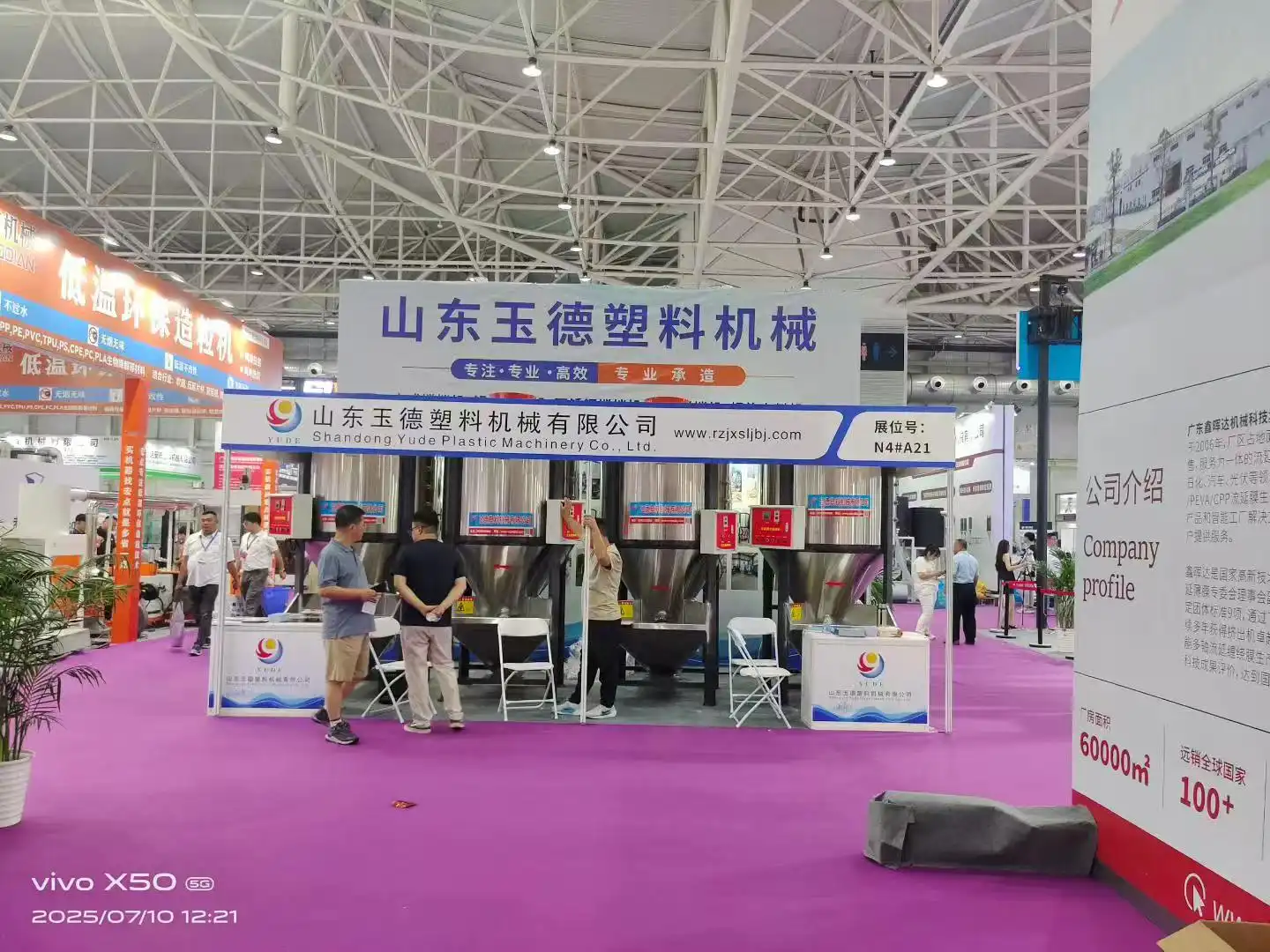
We organize our product range into distinct series addressing specific operational requirements. The Vertical Screw Mixer series encompasses standard Plastic Particle Mixers from 300kg to 2000kg capacities, ideal for general-purpose granule blending. Our Elevated plastic mixer series features hopper-mounted configurations that gravity-feed downstream injection molding machines, eliminating material transfer steps. The specialized Automatic Plastic Particle Color Mixer line integrates precision dosing systems for masterbatch injection, maintaining color consistency within tight tolerances. Material-specific variants include dedicated PP, PE (both HDPE and LDPE), PVC, ABS, and PS configurations, each optimized for the density and flow characteristics of particular resins.
Key Specifications to Consider Across Plastic Mixer Models
Selecting appropriate blending equipment demands careful evaluation of multiple technical parameters that directly influence operational performance and long-term cost-effectiveness.
Capacity Ranges and Power Ratings
Our manufacturing capabilities span from compact 300kg Plastic Particle Mixers powered by 4kW motors suitable for small-scale operations, through mid-range 600kg to 1000kg units with 7.5kW to 11kW drives serving medium production environments, up to industrial 5-ton and 10-ton Plastic Particle Silo Mixers equipped with 22kW to 37kW high-torque motors. Power ratings correlate not only with batch size but also with material characteristics—high-bulk-density resins and formulations containing significant filler percentages require greater torque capacity. The 1000kg vertical screw model operating at 85 RPM delivers sufficient shear for standard polyethylene pellet blending, while high-intensity applications processing impact modifiers into rigid PVC may require 150 RPM speeds with proportionally higher power inputs.
Material Construction and Chemical Compatibility
Construction materials profoundly affect equipment longevity and contamination prevention. Our standard offerings utilize SUS304 stainless steel for all product-contact surfaces, providing adequate corrosion resistance for most thermoplastics. The premium Stainless Steel Hopper Mixer Machine for Plastic employs SUS316 grade steel, essential when processing hygroscopic resins like nylon that require frequent washing, or when blending corrosive additives such as flame retardants containing halogenated compounds. Carbon steel construction with food-grade coatings represents a cost-effective alternative for dedicated single-resin applications where cross-contamination concerns are minimal. Sealing systems incorporate PTFE gaskets and mechanical shaft seals rated for continuous operation, preventing material leakage and external contamination ingress.
Mixing Mechanisms and Operational Principles
The fundamental distinction exists between vertical screw designs and horizontal paddle configurations. Our Plastic Vertical Screw Mixer utilizes a centrally mounted helical auger rotating within a conical hopper, lifting material from the base while simultaneously throwing it outward against the vessel walls. This three-dimensional circulation pattern achieves thorough blending without applying excessive shear that could degrade pellet surfaces or generate fines. The Double Spiral Plastic Particle Mixer incorporates counter-rotating ribbons that create intersecting material streams, particularly effective for difficult-to-mix formulations with significant density differentials between components. Rotation speeds are application-tuned—gentle 60 RPM operation suits fragile additives like impact modifiers, while robust 120 RPM speeds handle abrasive mineral fillers.
Popular Plastic Mixer Models and Their Detailed Specifications
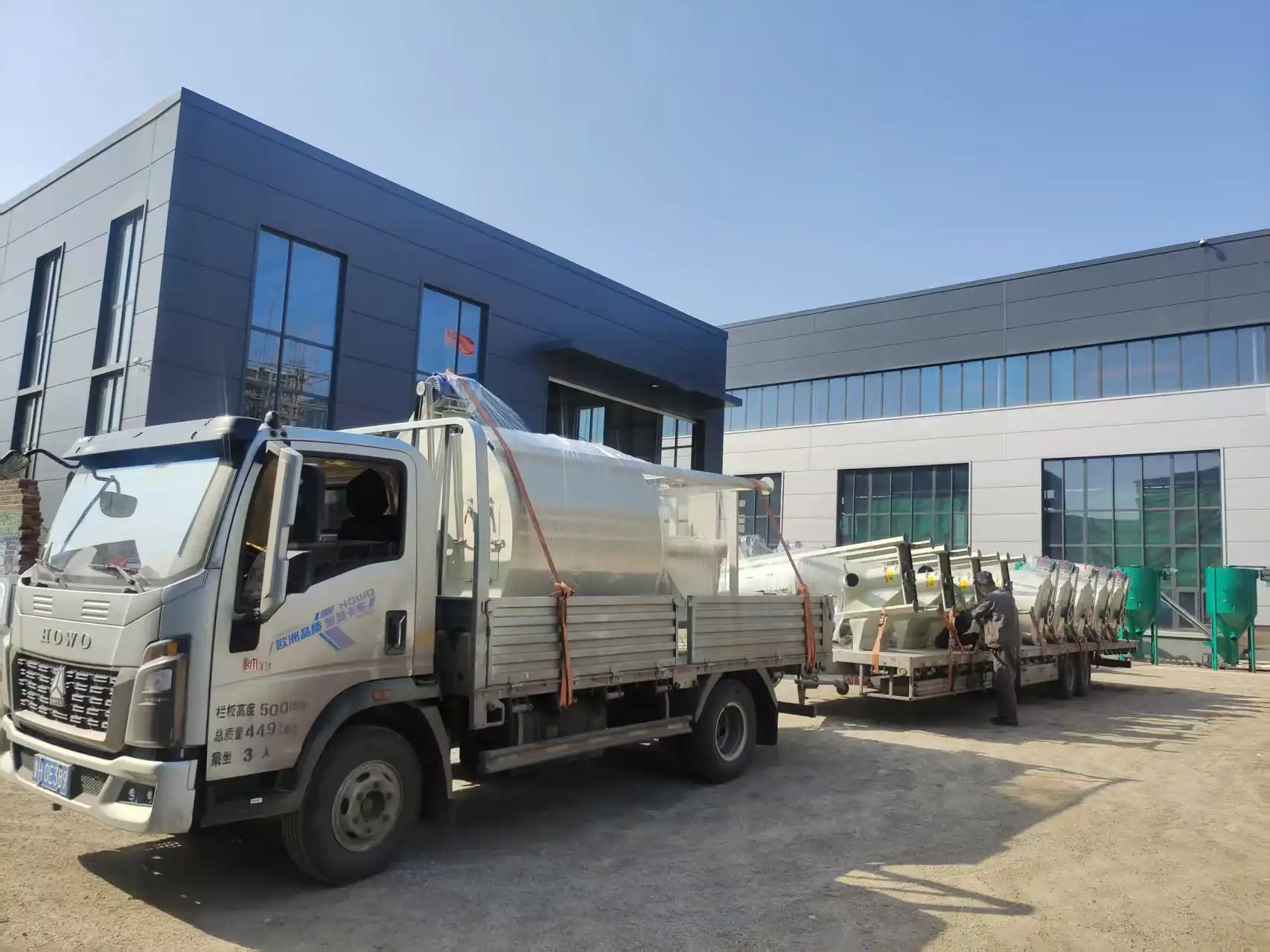
Our product portfolio reflects decades of application engineering focused on solving real-world manufacturing challenges across diverse polymer processing sectors.
Standard Catalog Models with Technical Details
The YD-V-500 represents our most popular mid-capacity offering, featuring 500kg batch capacity, 5.5kW motor with cycloidal reducer, 90 RPM mixing speed, and 15-minute typical cycle time. Constructed entirely from SUS304 stainless steel with mirror-polished interior surfaces, this Plastic Material Mixer achieves CV values below 4% for color masterbatch dispersion applications. The discharge gate utilizes a pneumatic butterfly valve with quick-release clamp for tool-free cleaning access. Overall dimensions of 1200mm height and 800mm diameter suit standard factory floor heights. This model serves injection molding operations processing PE, PP, and ABS resins with up to 5% additive loading.
The YD-V-1000-HD Multi-Functional Plastic Particle Mixer extends capabilities with integrated 6kW electric heating elements and desiccant air circulation for moisture removal. This configuration addresses hygroscopic resins like PET and nylon that require pre-drying before processing. Temperature control ranges from ambient to 150°C with PID regulation maintaining ±2°C stability. Vacuum ports enable connection to external dehumidification systems for enhanced moisture extraction. The 11kW main drive handles 1000kg batches with mixing cycles completing in 18-20 minutes including heating phases.
Automatic Versus Manual Operation Models
Our Full-Automatic plastic mixer series incorporates PLC control systems with touchscreen HMI interfaces supporting recipe storage and batch tracking. The Automatic Plastic Particle Color Mixer model features integrated gravimetric dosing for masterbatch injection, automatically proportioning colorant based on programmed formulation ratios. Photoelectric level sensors trigger sequential material loading, timed mixing cycles, and automated discharge to downstream equipment. This eliminates operator variability and ensures lot-to-lot consistency critical for color-critical applications in consumer products.
Manual variants like the standard Vertical Mixers for Plastic Granules provide cost-effective solutions for operations with stable formulations and experienced operators. These units feature manual material loading, timer-controlled mixing cycles, and hand-operated discharge gates. While lacking automation sophistication, their mechanical simplicity translates to lower initial investment and simplified maintenance requirements suitable for budget-conscious operations.
Application-Specific Model Variations
Resin-specific optimization characterizes our specialized model range. The PVC Plastic Particle Mixer incorporates abrasion-resistant stellite hard-facing on screw flights to withstand the erosive nature of calcium carbonate-filled rigid PVC compounds. Explosion-proof electrical components and static-dissipative construction address safety requirements when processing styrenic resins prone to static accumulation. The Heating Plastic Particle Mixer designed for polyolefin compounding includes jacketed vessel construction enabling thermal oil circulation for precise temperature management during heat-sensitive additive incorporation. Each variation reflects deep application knowledge developed through partnerships with processors across multiple industry segments.
How to Choose the Right Plastic Mixer Model for Your Procurement Needs?
Successful equipment selection requires systematic evaluation of operational requirements against available model specifications and supplier capabilities.
Aligning Capacity with Production Throughput
Batch size selection should account for downstream equipment consumption rates with appropriate buffer capacity. An injection molding cell consuming 200kg per hour of blended material benefits from a 500kg mixer providing 2.5-hour supply per batch, allowing time for cleaning between color changes. Conversely, extrusion lines with 1000kg per hour throughput require our large-capacity plastic mixer models or continuous blending systems. Oversizing capacity by 20-30% accommodates future production increases and provides operational flexibility for rush orders.
Evaluating Cost Against Quality and Features
Our pricing structure reflects genuine value rather than lowest initial cost. The Stainless Steel Plastic Particle Mixer commands premium pricing justified by superior corrosion resistance, ease of cleaning, and elimination of iron contamination risks that compromise product aesthetics. Facilities processing light-colored resins or food-contact applications recover this investment through reduced scrap rates and faster changeovers. Conversely, dedicated dark-color operations may find painted carbon steel construction adequate at significantly lower capital outlay. Feature evaluation should prioritize needs-based selection—automated controls benefit high-mix operations with frequent formulation changes, while simple applications may not justify the complexity.
Supplier Credibility and Support Infrastructure
Yude Plastic Machinery maintains a comprehensive after-sales infrastructure, including 7×24-hour technical support, rapid spare parts availability, and cooperative relationships with regional service providers across North America. Our technical team possesses deep application expertise, assisting with mixing parameter optimization and troubleshooting during commissioning. We provide detailed operator training, maintenance documentation in English, and equipment modification services for evolving production requirements. This support ecosystem minimizes downtime risks and protects your capital investment over the equipment's 15-20 year operational life span.
Conclusion
Successful procurement of plastic mixing equipment demands thorough understanding of model specifications, operational requirements, and supplier capabilities. The systematic approach outlined above equips industrial buyers with frameworks for evaluating capacity needs, construction materials, automation features, and total cost of ownership considerations. Yude Plastic Machinery's comprehensive product range spanning compact 300kg units through industrial 10-ton systems ensures optimal solutions exist for operations of any scale. Our commitment to manufacturing excellence, responsive technical support, and competitive pricing positions us as the preferred supplier for North American processors seeking reliable blending equipment backed by genuine application expertise and long-term partnership orientation.
Partner with Yude Plastic Machinery for Superior Blending Solutions
Yude Plastic Machinery stands ready to support your material mixing requirements with industrial-grade equipment combining proven reliability, competitive wholesale pricing, and comprehensive technical support. Our position as an established plastic mixer manufacturer enables us to offer favorable pricing structures unavailable through distributor channels, delivering exceptional value without compromising quality standards. We maintain extensive inventory supporting rapid delivery of standard models while our agile manufacturing operations accommodate custom specifications within reasonable lead times.
Our sales engineering team possesses deep application expertise across injection molding, extrusion, and compounding operations, providing consultative support throughout the selection process. We invite procurement professionals to request detailed specification sheets, application-specific recommendations, and competitive quotations by contacting sales@yudemachinery.com. Complimentary material testing using your actual formulations can be arranged at our technical center, providing empirical validation of mixing performance before purchase commitment.
FAQ
How Do I Interpret Plastic Mixer Model Numbers?
Model designations from Yude Plastic Machinery systematically communicate equipment specifications through standardized coding. The prefix identifies construction material—SS indicates stainless steel, CS represents carbon steel. The orientation code follows—V for vertical, H for horizontal configurations. Numerical capacity ratings express maximum batch weight in kilograms. Suffix letters denote specialized features—D signifies integrated drying, H indicates heating capability, A represents automatic control systems, and CM designates color mixing optimization. This logical structure enables rapid specification comparison across our product range during the quotation process.
What Factors Most Influence Mixer Durability?
Material quality and construction precision determine operational longevity. Our utilization of marine-grade SUS304 stainless steel with 2B finish provides superior corrosion resistance compared to painted mild steel alternatives that deteriorate within 3-5 years in demanding processing environments. Precision machining of screw flights maintains critical clearances preventing material bypassing while minimizing wear rates. Heavy-duty gearbox selection with 2.0 service factor ratings ensures torque capacity exceeds normal operating loads by substantial margins. These design philosophies enable 15-20 year service lives with proper maintenance, dramatically superior to economy equipment requiring replacement within 5-8 years.
Can Mixer Models Be Customized for Specific Applications?
Yude Plastic Machinery maintains comprehensive customization capabilities addressing unique operational requirements. We routinely modify hopper geometries to interface with existing facility infrastructure, adapt electrical specifications to match regional voltage standards (208V, 230V, 380V, 460V configurations available), and incorporate customer-specified control systems including Siemens, Allen-Bradley, or Mitsubishi PLC platforms. Material-contact surface treatments like electropolishing enhance cleanability for pharmaceutical applications. Explosion-proof certifications for Class II Division 2 hazardous locations support operations processing combustible polymer dusts. Our engineering team collaborates closely during specification development, ensuring delivered equipment integrates seamlessly into your production environment.
References
1. Modern Plastics Magazine. "Advances in Polymer Blending Technology for Injection Molding Applications." Industrial Processing Equipment Annual Review, 2023.
2. Society of Plastics Engineers Technical Papers. "Optimizing Color Masterbatch Dispersion in Polyolefin Matrices Through Controlled Mixing Parameters." Annual Technical Conference Proceedings, 2022.
3. Chemical Engineering Progress Journal. "Material Handling and Mixing Systems for Thermoplastic Processing Operations." Equipment and Materials Section, Volume 119, 2023.
4. Plastics Technology Handbook. "Selection Criteria for Industrial Mixing Equipment in Polymer Processing Facilities." McGraw-Hill Professional Engineering Series, 2021.
5. International Journal of Polymer Processing. "Comparative Analysis of Vertical Screw Versus Horizontal Ribbon Mixing Technologies for Particulate Polymer Blending." Volume 38, Issue 2, 2023.
6. Manufacturing Engineering Magazine. "Total Cost of Ownership Analysis for Polymer Processing Auxiliary Equipment." Capital Equipment Procurement Guide, 2022.
Learn about our latest products and discounts through SMS or email