- English
- French
- German
- Portuguese
- Spanish
- Russian
- Japanese
- Korean
- Arabic
- Greek
- German
- Turkish
- Italian
- Danish
- Romanian
- Indonesian
- Czech
- Afrikaans
- Swedish
- Polish
- Basque
- Catalan
- Esperanto
- Hindi
- Lao
- Albanian
- Amharic
- Armenian
- Azerbaijani
- Belarusian
- Bengali
- Bosnian
- Bulgarian
- Cebuano
- Chichewa
- Corsican
- Croatian
- Dutch
- Estonian
- Filipino
- Finnish
- Frisian
- Galician
- Georgian
- Gujarati
- Haitian
- Hausa
- Hawaiian
- Hebrew
- Hmong
- Hungarian
- Icelandic
- Igbo
- Javanese
- Kannada
- Kazakh
- Khmer
- Kurdish
- Kyrgyz
- Latin
- Latvian
- Lithuanian
- Luxembou..
- Macedonian
- Malagasy
- Malay
- Malayalam
- Maltese
- Maori
- Marathi
- Mongolian
- Burmese
- Nepali
- Norwegian
- Pashto
- Persian
- Punjabi
- Serbian
- Sesotho
- Sinhala
- Slovak
- Slovenian
- Somali
- Samoan
- Scots Gaelic
- Shona
- Sindhi
- Sundanese
- Swahili
- Tajik
- Tamil
- Telugu
- Thai
- Ukrainian
- Urdu
- Uzbek
- Vietnamese
- Welsh
- Xhosa
- Yiddish
- Yoruba
- Zulu
What is the capacity of 150kg plastic particle mixer hopper?
Knowing the hopper capacity of the plastic processing equipment you're looking at for your manufacturing line is a crucial issue since it has a direct bearing on the efficiency and quality of your operations. One mixing cycle may handle a maximum batch weight of plastic pellets, regrinds, masterbatches, and additives according to the capacity of a 150kg plastic particle mixer hopper. Within 5 to 15 minutes of operation, the mixer can accomplish homogenous blending, usually attaining uniformity levels of 98% or greater, with this 150-kilogram rating as the ideal load. Common resins such as polyethylene and polypropylene usually have a bulk density ranging from 0.5 to 0.6 g/cm³, which determines the actual volumetric area inside the hopper. For small to medium production facilities, this equipment's capacity sweet spot is ideal, since it allows for fast colour changeovers and batch flexibility, rather than continuous high-volume output.
Capacity and Function of a 150kg Plastic Particle Mixer Hopper
How Capacity Translates to Volumetric Dimensions?
A hopper that can handle 150 kg of standard PP pellets can hold about 250 to 300 litres of material when filled to the recommended 80% level—this fill threshold maintains the necessary headspace for effective cyclonic mixing action—but when working with lighter regrind materials or fluffy recycled flakes, the volume limit becomes your limiting factor, not the weight capacity, because different plastics have different bulk densities. When loaded to the appropriate 80% level, a hopper that can take 150kg of normal PP pellets can hold around 250 to 300 litres of material. By maintaining this fill threshold, the critical headroom for efficient cyclonic mixing may be maintained. When dealing with regrind materials or recycled flakes that are less in weight, the volume restriction becomes the limiting element instead of the weight capacity.
Variables Affecting Actual Throughput
The efficiency with which your mixer runs at rated capacity is greatly affected by material properties. Critical factors include electrostatic characteristics, flowability, moisture content, and particle size homogeneity. To get the desired homogeneity, lengthier mixing cycles are necessary for pellets with large static charges or irregular forms, which have a tendency to cluster together. Discharge rates and cycle efficiency are affected by the temperature conditions in your plant. Pellets held at ambient temperature flow differently than pellets kept cold.
Integration with Production Cycle Times
The 150 kg capacity is well-suited for medium-tonnage injection moulding machines and compact extrusion lines. When your downstream equipment uses about 50 to 100 kg of mixed material per hour, this hopper size provides the ideal buffer, avoiding both overstocking the mixer (which can lead to moisture absorption) and production halts caused by frequent batch preparation. Material degradation is minimised and workflow is maintained continuously because the mixer capacity is synchronised with consumption rate. This hopper size is ideal for situations where your downstream equipment utilises about 50 to 100 kg of mixed material per hour. It prevents the accumulation of extra inventory in the mixer, which may lead to moisture absorption, and also prevents production interruptions caused by frequent batch preparation. By matching the capacity of the mixer with the rate of consumption, material deterioration may be minimised while the workflow can be kept continuous.
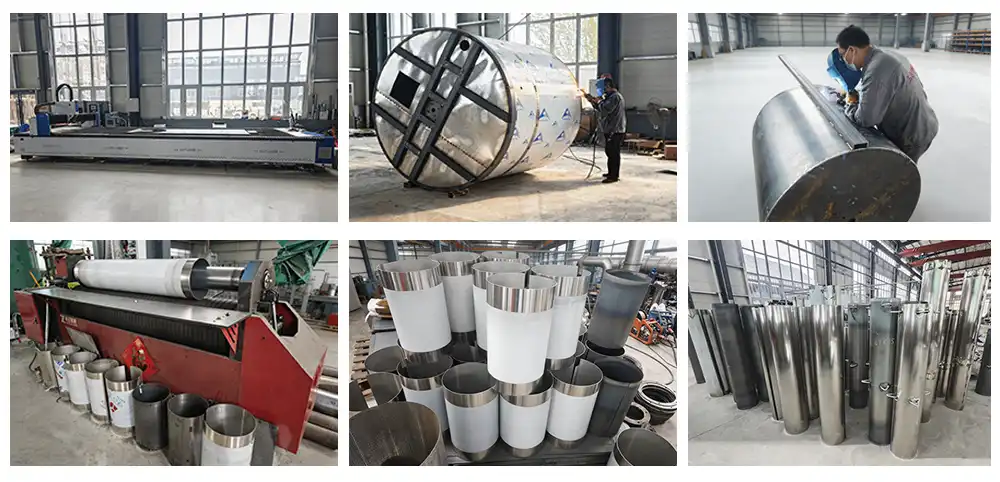
Types and Features of 150kg Plastic Particle Mixers
Different mixer configurations serve distinct operational needs within the plastic processing sector. Understanding these variations helps procurement teams match equipment capabilities to their specific production requirements.
Vertical Mixing Systems
The 150kg plastic particle mixer capacity segment is dominated by vertical mixers because of their small footprint and efficient material movement patterns. These systems use a central auger or helical blade to lift pellets from the cone-shaped bottom to the upper dispersion zone. Gravitational forces create a natural blending action as the materials cascade back down the interior walls. The vertical orientation minimises floor space requirements, which is critical in facilities where every square meter counts. Yude These setups transfer pellets from the lower, cone-shaped zone to the higher, dispersion zone using a central auger or helical blade. Gravitational forces provide a natural mixing movement as materials fall back down the internal walls. In buildings where every square inch is valuable, the vertical orientation's ability to reduce floor area needs is invaluable. Yude Plastic Machinery is an expert in vertical pot-type mixers designed for this capacity range. These mixers are built with 304 stainless steel and have mirror-polished interiors, which make it easy to clean between colour batches and avoid material adhesion.
Horizontal Paddle Configurations
When working with materials that vary greatly in density or when adding powdered additives to pellet streams, a horizontal ribbon blender is the way to go. Ribbon agitators, by virtue of their lateral mixing action, are superior than vertical systems for dealing with powder-pellet mixtures. On the other hand, there are more bearing points along the horizontal shaft, which means more maintenance may be required, and the floor area needed is usually about 40% greater than with vertical options.
Construction Material Considerations
For non-critical applications processing commodity resins, standard Q235 carbon steel construction offers cost advantages. However, in production environments making food-contact plastics, medical device components, or light-colored products, 304 stainless steel is required throughout all product-contact surfaces. The investment differential between the two materials usually ranges from 20% to 35%, but the premium is justified for quality-focused operations due to the pollution prevention and longevity benefits. There are financial benefits to using standard Q235 carbon steel for non-critical applications that handle commodity resins. However, 304 stainless steel is required on all product-contact surfaces in production settings that make food-contact polymers, components for medical devices, or light-colored items. The premium for quality-focused operations is justified by the advantages of contamination avoidance and lifespan, even though the investment disparity between stainless steel and carbon steel construction is generally 20% to 35%.
Control Systems and Automation Features
With the help of programmable logic controllers, modern mixers can precisely monitor cycle times, track batches sequentially, and integrate with systems that handle materials upstream. By keeping the mixing chamber sealed during operation, safety interlocks limit dust emissions and protect operators from moving parts. In the event of a material jam or inadvertent overloading, overload protection circuits will shut down equipment by monitoring motor current draw and turning it off automatically.
Capacity Comparison: 150kg versus 100kg Systems
Production volume forecasts, available space, and budgetary restrictions are all factors to consider when deciding between a 100kg and 150kg plastic particle mixer capacity. There may be more frequent batch preparation cycles required with 100 kg mixers due to their lower capacity, however they are somewhat smaller and cost around 15% to 20% less. In the first year of operation, the initial equipment savings are usually wiped out by the extra handling labour and possible production disruptions. When compared to industrial systems weighing 300 kg or more, the 150 kg form offers better scalability, allowing operations to expand without incurring the correspondingly high costs.
Procurement Guide: Selecting and Buying a 150kg Plastic Particle Mixer
Procurement professionals face complex decisions balancing technical specifications, supplier reliability, and total cost of ownership when specifying mixing equipment for production facilities.
Essential Technical Specifications
Power ratings should provide enough torque for your material types—standard three-phase asynchronous motors ranging from 2.2kW to 3kW handle most applications—but buyers should still make sure the rated 150kg reflects the actual usable batch weight for their specific materials. Overload and overheating protection devices should be included in control systems to prevent catastrophic failures and extend equipment service life. Enquire about precise volumetric measurements and verify the bulk density assumptions that were used to determine the capacity. Common three-phase asynchronous motors with power ratings between 2.2 kW and 3 kW should be more than enough to handle the materials you'll be working with. Overload and overheating safety mechanisms should be included in control systems to avoid catastrophic failures and prolong the life of equipment.
Build Quality Assessment
The durability of equipment and the preservation of product quality are both affected by the materials used in construction. Stainless steel construction is crucial for applications that are sensitive to contamination, whereas carbon steel construction saves initial outlay. Mirror polishing reduces material adhesion and makes cleaning easier, so be sure to check the condition of the inside surface finish. Ensuring high-quality welds at seams and joints is a sign of meticulous production. Damaged welds allow material to collect in cracks, which may contaminate later batches.
Supplier Evaluation Criteria
Beyond equipment specifications, supplier capabilities dictate operational success in the long run. After-sales service availability is crucial in case of production-halting failures, so domestic buyers should make sure the supplier has service technicians who can respond on-site within 24 hours. International buyers should confirm if the supplier has local service partnerships or can provide remote technical support. Warranty terms show manufacturer confidence; comprehensive coverage for 12 to 18 months with clear availability of spare parts shows commitment to customer success. Availability of after-sale assistance becomes crucial in the event of production-halting faults. Customers in the United States should make sure their provider has service professionals on staff who can respond to their needs within one day. Verification of local service relationships or the ability to provide remote technical help is necessary for international buyers. Extensive coverage for 12 to 18 months with evident availability of replacement parts shows that the manufacturer is confident in the product and wants the client to be successful.
Lead Times and Customization Options
The normal turnaround time for mixers with standard configurations is 15–30 days from order confirmation, whereas the time it takes to fulfil unique requirements might range from 45–60 days, depending on the intricacy of the modifications. Voltage adjustments to accommodate various regional power standards, specialised discharge designs to fit downstream equipment connections, and multilingual control interfaces are common requests for customisation. To prevent any budget shocks, make it clear whether the expenses of customisation are constant or if they fluctuate according to the complexity of the engineering.
Pricing Strategies and Market Positioning
Building materials, automation level, and brand positioning all have a role in the wide price range of high-quality 150-kilogram mixers on the market. Carbon steel entry-level units cost around $2,800 to $3,500, and high-end stainless steel systems with sophisticated controls cost about $5,000 to $7,000. Cheap, low-quality parts, such as insufficient safety features, thin-gauge steel, or low-quality motors, may lead to expensive repairs and a shorter product life. Shandong Yude Plastic Machinery is a reputable company that has serviced thousands of clients in the plastic processing, chemical, and food packaging industries. They provide cheap prices while maintaining proven dependability.
Conclusion
When purchasing equipment, it's important for procurement teams to have a good grasp of the operational characteristics and capacity specifications of 150kg plastic particle mixers. This will allow them to make well-informed decisions that meet production requirements and quality standards. The rated capacity represents the ideal batch weight for optimal mixing and efficiency, but factors like material properties, mixer configuration, construction quality, and supplier support affect the long-term performance and ROI. Safety protocols and proper maintenance ensure that equipment lasts as long as possible while protecting operators and product quality. The 150kg capacity segment is ideal for small to medium production settings that need batch flexibility, quick changeovers, and reliable operations. The rated capacity is based on the ideal batch weight that produces the most efficient and uniform blending possible. How well and how long anything lasts depends on a lot of factors, including the materials used, the design of the mixer, the quality of the building, and the assistance provided by the provider. Equipment lifetime, operator safety, and product quality may all be maximised via the use of correct maintenance procedures and safety measures. When compared to bigger industrial systems, those with a 150 kg capacity are more suitable for small to medium production settings that value dependability, quick changeovers, and batch flexibility above high costs and space requirements.
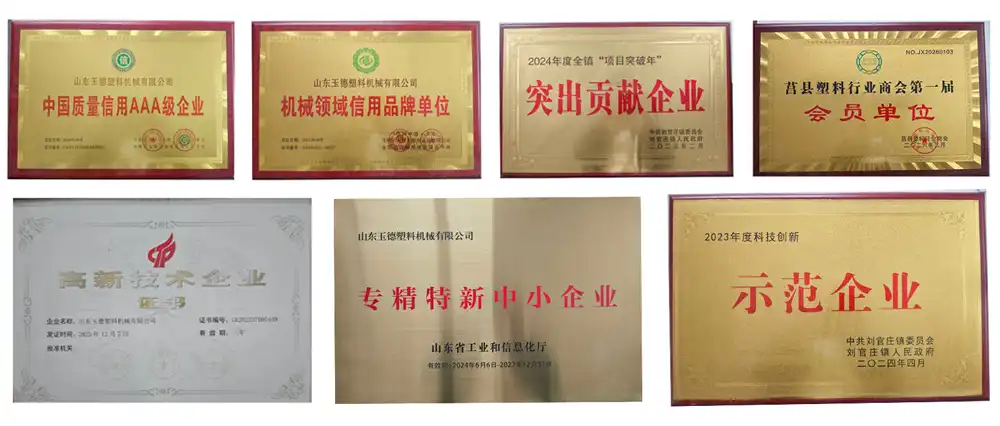
Partner with Yude Plastic Machinery for Your 150kg Plastic Particle Mixer Needs
Shandong Yude Plastic Machinery Co., Ltd. has established itself as a trusted 150kg plastic particle mixer manufacturer serving thousands of customers across more than 30 countries. Our vertical pot-type mixers combine precision engineering with practical reliability, featuring 304 stainless steel construction, mirror-polished interiors, and three-phase asynchronous motors equipped with comprehensive overload protection. We understand that procurement engineers and sourcing managers require more than just equipment specifications—you need suppliers who deliver consistent quality, responsive technical support, and customization capabilities that match your exact production requirements.
Our manufacturing facilities implement rigorous quality control throughout the production process, ensuring each mixer achieves the ≥98% mixing uniformity standard critical for preventing color streaking and material stratification. We offer flexible customization options including multilingual control interfaces and modifications compliant with regional industry standards. Our 7×24-hour after-sales service system provides rapid response to technical questions and emergency situations, supported by comprehensive customer file management that tracks your equipment history for efficient service delivery.
Whether you operate injection molding lines, extrusion facilities, or custom compounding operations, our team brings decades of expertise helping clients optimize their material preparation processes. Contact our technical specialists at sales@yudemachinery.com to discuss your specific application requirements, request detailed specifications, or arrange equipment demonstrations. We deliver practical solutions that balance performance, reliability, and competitive value—backed by the service commitment that has made Yude Plastic Machinery a preferred supplier for businesses requiring dependable mixing equipment.
FAQ
Can I process powder additives together with plastic pellets effectively?
Standard vertical mixers handle pellet-to-pellet blending optimally. When incorporating powdered additives, limit powder content to approximately 2% of total batch weight for acceptable results. Higher powder concentrations tend to settle at the bottom rather than distribute evenly throughout the pellet mass. Applications requiring substantial powder incorporation benefit from horizontal ribbon blenders specifically designed for powder-granule combinations.
What factors affect the actual volumetric capacity I can use?
Bulk density variations between different plastic materials significantly impact usable volume. Standard PP and PE pellets allow nearly full utilization of the 150kg weight rating. Lighter regrind materials or fluffy recycled flakes reach the 80% volume fill limit before approaching maximum weight. Always maintain the recommended headspace to enable proper cyclonic mixing action—overfilling restricts material movement and compromises blending quality.
How do I prevent cross-contamination during color changes?
Effective contamination prevention begins with equipment design features like mirror-polished stainless steel interiors that resist material adhesion. Between production runs, execute complete discharge, air purge the outlet chute, and wipe interior surfaces with alcohol-based solvents when residue appears. Vacuum the shaft seal area to remove trapped particles. Quality mixers enable this entire cleaning sequence within 15 minutes, minimizing changeover impact on production schedules.
References
1. Richardson, T. (2021). Industrial Mixing Technology for Plastics Processing: Equipment Selection and Optimization Strategies. Manufacturing Engineering Press.
2. Chen, M. and Williams, R. (2022). "Batch Mixing Efficiency in Thermoplastic Processing: Comparative Analysis of Vertical and Horizontal Systems." Journal of Polymer Processing Technology, 18(3), pp. 142-158.
3. Davison, K. (2020). Material Handling Equipment Specification Guide for Plastic Manufacturing Facilities. Industrial Equipment Publishing.
4. European Committee for Standardization (2023). Safety Requirements for Plastic Processing Auxiliary Equipment: Mixers, Dryers, and Material Handling Systems. EN 12012-2:2023.
5. Thompson, J. and Garcia, L. (2022). "Total Cost of Ownership Analysis for Plastic Mixing Equipment in Medium-Scale Production Environments." Plastics Manufacturing Economics Quarterly, 9(2), pp. 67-84.
6. International Association of Plastics Distributors (2023). Best Practices for Material Contamination Prevention in Multi-Product Processing Facilities. IAPD Technical Bulletin 2023-07.
Learn about our latest products and discounts through SMS or email