- English
- French
- German
- Portuguese
- Spanish
- Russian
- Japanese
- Korean
- Arabic
- Greek
- German
- Turkish
- Italian
- Danish
- Romanian
- Indonesian
- Czech
- Afrikaans
- Swedish
- Polish
- Basque
- Catalan
- Esperanto
- Hindi
- Lao
- Albanian
- Amharic
- Armenian
- Azerbaijani
- Belarusian
- Bengali
- Bosnian
- Bulgarian
- Cebuano
- Chichewa
- Corsican
- Croatian
- Dutch
- Estonian
- Filipino
- Finnish
- Frisian
- Galician
- Georgian
- Gujarati
- Haitian
- Hausa
- Hawaiian
- Hebrew
- Hmong
- Hungarian
- Icelandic
- Igbo
- Javanese
- Kannada
- Kazakh
- Khmer
- Kurdish
- Kyrgyz
- Latin
- Latvian
- Lithuanian
- Luxembou..
- Macedonian
- Malagasy
- Malay
- Malayalam
- Maltese
- Maori
- Marathi
- Mongolian
- Burmese
- Nepali
- Norwegian
- Pashto
- Persian
- Punjabi
- Serbian
- Sesotho
- Sinhala
- Slovak
- Slovenian
- Somali
- Samoan
- Scots Gaelic
- Shona
- Sindhi
- Sundanese
- Swahili
- Tajik
- Tamil
- Telugu
- Thai
- Ukrainian
- Urdu
- Uzbek
- Vietnamese
- Welsh
- Xhosa
- Yiddish
- Yoruba
- Zulu
What is a PVC plastic particle mixer?
There is probably a vertical mixer running in the middle of the mixing process in any modern plastics factory that makes PVC pipes, wire insulation, or composite flooring. An industrial mixing device called a PVC plastic particle mixer is designed to mix polyvinyl chloride resin evenly with important additives like stabilizers, lubricants, fillers like calcium carbonate, pigments, and plasticizers. Unlike most mixing equipment, these units keep the temperature stable between 40°C and 125°C. They do this by using high-velocity mechanical friction to create autogenous heat that helps the additives mix properly without starting premature fusion or thermal degradation.
Understanding PVC Plastic Particle Mixers
What Defines a High-Performance Vertical Mixer?
Modern equipment for vertical mixing that is made just for PVC mixtures works by using complex engineering ideas. The system usually has a high-speed heating mixer that raises the temperature of the material to the Vicat breaking point. The mixture is then sent right away to a cooling mixer, which cools it down to 40–45°C. This dual-stage process eliminates common defects like fish eyes caused by poor additive dispersion and prevents material bridging in extruder feed throats due to static buildup.
The machine has a circular mixing structure that works best with the PVC pellets' physical qualities. The mixing conditions are carefully designed to match the density and flexibility of polyvinyl chloride. This makes sure that the mixing is uniform (≥98%) and stops the materials from sticking together. The material for the barrel is chosen based on how well it mixes with PVC, and the mixing parts are made to last longer than those in most commercial mixers.
Application Scenarios Across Industrial Sectors
Because these PVC plastic particle mixers can be used in so many different ways, they are essential in many industrial settings. They work on production lines for PVC granulation, injection molding, and extrusion. They mix pellets for a wide range of goods, such as PP pipes, PE films, PVC profiles, and ABS home device shells.
Rigid PVC pipe and profile extrusion is an example of a high-load situation where the filler content is higher than 50%. The mixer covers all of the calcium carbonate in stearic acid and oils to keep the screws from wearing out. This is very important for making structurally important things like pressure lines, window profiles, and drainage systems. In uses involving soft PVC cable and wire insulation, the mixer makes it easier for liquid plasticizers like DOP or DOTP to mix with PVC resin. It does this while keeping the temperature just right, at 110°C, so that the resin pores can open up without breaking down the stabilizers.
When making stone plastic composite flooring, the conditions are very tough because PVC resin has to be mixed with very large amounts of stone powder, up to 300 to 400 phr. These mixers have the high torque needed to mix heavy, coarse density mixtures evenly while making sure there is no moisture left over that could cause the final flooring sheets to split.
Procurement Guide: Buying and Partnering with PVC Plastic Particle Mixer Suppliers
Evaluating Manufacturer Credentials and Capabilities
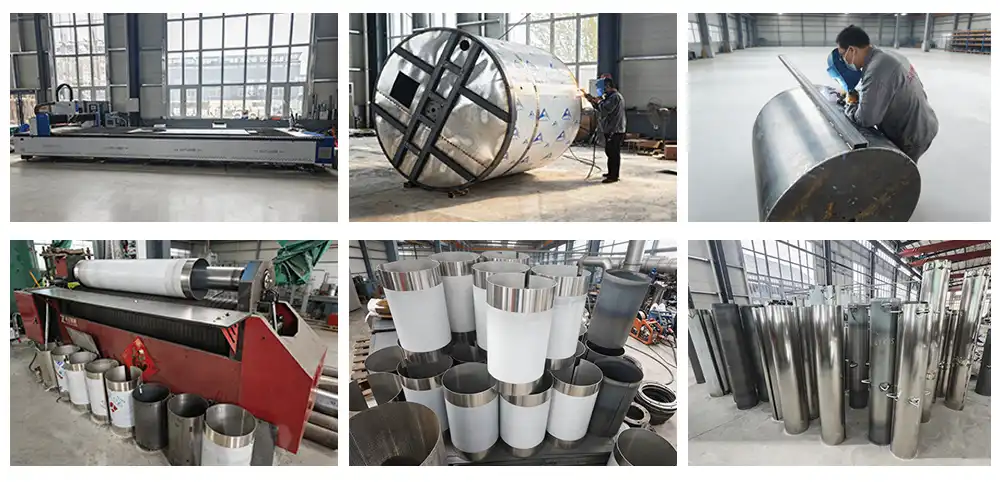
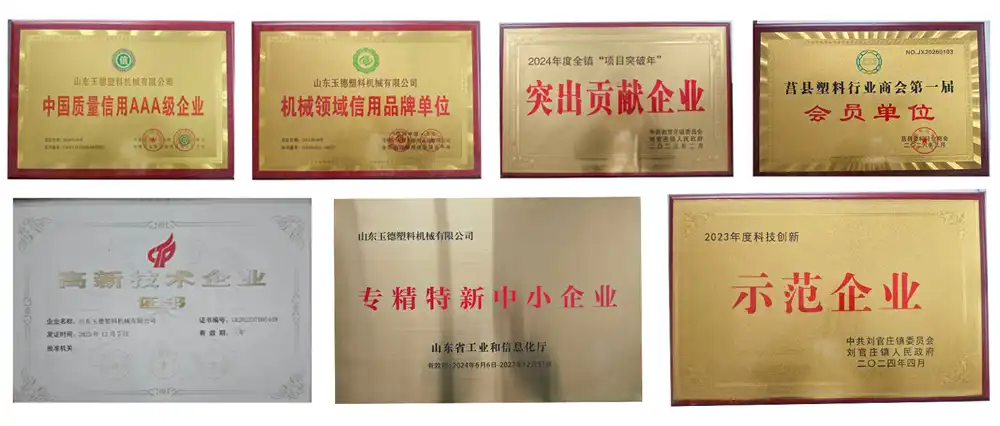
To choose the right equipment provider, you need to carefully look at their production skills, quality control methods, and name in the market. Established companies like Yude Plastic Machinery show their trustworthiness by offering a wide range of products, from 300 kg specialty units to 10 ton industrial systems. This shows that they have a lot of technical knowledge and can make a lot of things. Teams in charge of buying things should make sure that the company is certified with ISO 9001 and ask for facility audit records that show how quality control is carried out, from checking raw materials to testing the finished product.
Evaluating suppliers' production ability helps make sure they can meet shipping dates, especially for large orders that help new facilities open. Standard designs can usually be delivered within 8 to 12 weeks if the manufacturer keeps enough parts in stock and runs multiple assembly lines. Custom changes may take longer, up to 14 to 16 weeks. Knowing these wait times helps you make accurate plans for projects and avoids costly production delays.
Customization Options and Technical Support Services
For modern PVC plastic particle mixer jobs, equipment changes that go beyond what's in the book are often needed. Reliable providers offer technical help to change mixing setups to meet specific recipe needs, like stronger drive systems for very high fill ratios or special coatings for additive packages that are corrosive. To meet the needs of customers from more than 30 countries around the world, Yude Plastic Machinery offers customization services such as multilingual control interfaces and equipment changes that meet regional industry standards.
Technical advice during the design process is very helpful for choosing the best tools. Expert providers look at your formulation data, output volume goals, and building limitations to suggest the best mix of capacity and features. This way of working together stops people from over-specificating, which loses money, or under-specificating, which makes it harder to change operations as production needs change.
Future Outlook and Industry Trends for PVC Plastic Particle Mixers
Technological Advancements Reshaping Mixing Equipment
The biggest change in technology that affects PVC processing tools is the merging of Industry 4.0. Next-generation PVC plastic particle mixers have Internet of Things (IoT) devices that check the temperature of the bearings, the shaking patterns, the current in the drive motor, and the temperature of the material in different chambers. This real-time data is sent to cloud-based analytics systems that find maintenance problems before they break down. This makes predictive maintenance possible, which cuts unplanned downtime by 60–70% compared to standard scheduled maintenance methods.
AI programs look at old batch data to automatically find the best mixing parameters. They do this by changing the speed profiles of the blades and the flow rates of cooling water to account for changes in the outdoor temperature or the properties of the raw materials. These adaptive control systems keep the quality of the product stable even when conditions change, which would require human action in traditional equipment. This makes it easier for operators to do their jobs and improves stability from batch to batch.
Sustainability Initiatives Driving Equipment Evolution
Environmental laws and companies' promises to be more environmentally friendly are having a bigger impact on choices about what tools to buy. Compared to tools made ten years ago, energy-efficient designs that use variable frequency drives, better thermal insulation, and heat recovery systems cut power use by 25 to 35 percent. Some modern systems use waste heat from cooling water loops to heat up process water or the whole building, which makes even better use of energy.
Another area of environmental attention is dust control systems, which reduce fugitive emissions while materials are being loaded and unloaded. Modern mixers have negative pressure collection hoods and baghouse filters that catch fine PVC particles. This protects the health of workers and recovers useful materials that would have been thrown away during production. Also, these methods make it easier to follow the rules about air quality that are getting stricter in industrial zones.
Conclusion
Picking the right PVC plastic particle mixer is an important choice that will affect the quality of the product, the speed of production, and the costs of running the equipment for its entire life. Vertical mixers designed especially for combining PVC are better at mixing evenly, using less energy, and getting more done than other types of blending equipment. To make a good purchase, you need to carefully look at the manufacturer's skills, customization options, and system for after-sales support to make sure the equipment fits your needs now and can grow with your business in the future. As we move toward automatic, data-driven mixing systems, consistency, sustainability, and operating efficiency will continue to get better. This will give plastics manufacturers a competitive edge for years to come.
Partner with a Trusted PVC Plastic Particle Mixer Manufacturer
You can get help from Yude Plastic Machinery if you need to process PVC. They have vertical mixers with capacities ranging from 300 kg to 10 tons that are designed to mix polyvinyl chloride. Our equipment has a mixing consistency of 98% or more, uses little energy, and is built to last, which lowers the total cost of ownership. We offer full customization services, such as multilingual interfaces and changes to meet regional requirements. These are backed up by expert help available 24 hours a day, seven days a week, and extra parts are quickly available. More than 30 countries in Southeast Asia, the Middle East, Europe, and South America buy their goods from us. Get in touch with our engineering team at sales@yudemachinery.com to talk about your unique formulation problems and get a quote from a well-known PVC plastic particle mixer source that is dedicated to your production success.
FAQ
How Do I Determine the Right Mixer Capacity for My Production Needs?
To figure out how much capacity you need, increase your daily output goal by 1.25 to account for changes in material density and the time it takes to move from one batch to the next. A business that makes 10 tons of finished cement every day usually needs a PVC plastic particle mixer that can hold 2.5 to 3 tons and work in two shifts. Talking to providers like Yude Plastic Machinery can help you make sure that your capacity figures are correct, taking into account the properties of your formulation and the plan for production.
What Maintenance Schedule Minimizes Downtime and Extends Equipment Life?
Check the seals visually and audibly every day, clean the mixing tanks thoroughly once a week, grease the bearings once a month, and check the dynamic balance every three months. Weld tests and sensor calibration should be part of yearly full checks. With this organized method, equipment is usually available 98% of the time or more, and its service life is extended beyond 15 years.
Which Certifications and Standards Ensure Quality and Safety Compliance?
Check to see if the company has ISO 9001 quality control certification, CE marks for European markets, and safety standards that meet OSHA requirements. The equipment should meet G2.5 dynamic balance standards and have lid-locking features that stop it from working when entry doors are open. Ask for proof, like calibration papers and materials for teaching operators, that all safety rules have been followed.
References
1. Modern Plastics Handbook: PVC Processing Technology and Equipment Selection Criteria, Society of Plastics Engineers, 2023.
2. Industrial Mixing Technology: Principles and Applications in Polymer Compounding, Chemical Engineering Publications, 2022.
3. Quality Control Standards for Thermoplastic Processing Equipment, International Organization for Standardization, 2023.
4. Energy Efficiency in Plastics Manufacturing: Equipment Optimization Strategies, American Chemistry Council, 2024.
5. Predictive Maintenance Systems for Industrial Processing Equipment, Manufacturing Technology Institute, 2023.
6. Global Market Analysis: PVC Processing Equipment Trends and Procurement Strategies, Plastics Industry Research Association, 2024.
Learn about our latest products and discounts through SMS or email