- English
- French
- German
- Portuguese
- Spanish
- Russian
- Japanese
- Korean
- Arabic
- Greek
- German
- Turkish
- Italian
- Danish
- Romanian
- Indonesian
- Czech
- Afrikaans
- Swedish
- Polish
- Basque
- Catalan
- Esperanto
- Hindi
- Lao
- Albanian
- Amharic
- Armenian
- Azerbaijani
- Belarusian
- Bengali
- Bosnian
- Bulgarian
- Cebuano
- Chichewa
- Corsican
- Croatian
- Dutch
- Estonian
- Filipino
- Finnish
- Frisian
- Galician
- Georgian
- Gujarati
- Haitian
- Hausa
- Hawaiian
- Hebrew
- Hmong
- Hungarian
- Icelandic
- Igbo
- Javanese
- Kannada
- Kazakh
- Khmer
- Kurdish
- Kyrgyz
- Latin
- Latvian
- Lithuanian
- Luxembou..
- Macedonian
- Malagasy
- Malay
- Malayalam
- Maltese
- Maori
- Marathi
- Mongolian
- Burmese
- Nepali
- Norwegian
- Pashto
- Persian
- Punjabi
- Serbian
- Sesotho
- Sinhala
- Slovak
- Slovenian
- Somali
- Samoan
- Scots Gaelic
- Shona
- Sindhi
- Sundanese
- Swahili
- Tajik
- Tamil
- Telugu
- Thai
- Ukrainian
- Urdu
- Uzbek
- Vietnamese
- Welsh
- Xhosa
- Yiddish
- Yoruba
- Zulu
What type of mixer is used for LDPE granules?
Procurement engineers and production managers need to know what kind of mixer is used for LDPE pellets when they are looking for industrial mixing tools for polymer processing. The answer lies in vertical mixers that are specially made for use with low-density polyethylene. An LDPE plastic particle mixer has specially designed circular mixing structures that work with the unique flow and density of LDPE pellets to make sure that they are evenly spread out without breaking down at high temperatures. These mixers achieve mixing consistency rates of more than 98%, which stops agglomeration and keeps the material's purity, which is important for making high-quality products in injection molding and extrusion.
Understanding LDPE Granule Mixing: Basics and Requirements
Due to the way it is made, low-density polyethylene poses unique problems in industry mixing settings. LDPE grains have lower melting points (105°C to 115°C) than higher-density polymers. They are also more sensitive to frictional heat release during processing. The material tends to make static electricity when it is tumbled, which adds to the problems and often causes separation issues and uneven batch quality.
Why LDPE Requires Specialized Mixing Equipment?
Because of how LDPE behaves viscoelastically, it needs mixing equipment that is designed to handle heat carefully. Standard all-purpose mixers often create too much shear force, which softens the surfaces of pellets and leads to clumping and batch variation. These problems can be solved by professional LDPE mixing systems that use well-thought-out blade shapes and low-shear mixing actions that keep temperatures below critical softening levels.
When mixing LDPE with things like slip agents, vitamins, or color masterbatches, temperature control is very important. During the mixing process, the ingredients must be evenly spread out so that there are no hot spots that could cause the mixture to melt too soon. Modern methods use jacketed vessels that can be cooled by water to keep the temperature inside below 60°C during long mixing processes.
Critical Performance Parameters for LDPE Mixing
To get regular product quality with an LDPE plastic particle mixer, you need to pay attention to a number of performance factors that can be measured. Values of the coefficient of variation (CV) less than 5% show that trace chemicals at amounts as low as 0.5% are properly dispersed. This level of accuracy has a direct effect on the speed of subsequent steps and the properties of the finished product in a wide range of situations, from making blown film to making wire insulation.
Managing bulk density also has an effect on how well mixing works. Bulk values of LDPE pellets are usually between 0.52 and 0.56 g/cm³, which makes them much lighter than many industrial plastics. For mixing tanks to work properly, the volume capacity estimates need to take this lower density into account and stop bridging events that stop the flow of materials.
Benefits and Features of Optimal LDPE Plastic Particle Mixers
Specialized LDPE plastic particle mixer has measured benefits that have an immediate effect on the cost of production and the quality of the finished product. These benefits cover more than just blending; they cover the whole process of mixing.
Enhanced Product Homogeneity and Quality Consistency
Particle distribution that meets the high quality standards needed for technical uses is achieved by precision-engineered mixing devices. LDPE vertical mixers have an optimized spiral mixing structure that makes consistent flow patterns that keep materials with different particle sizes or densities from settling on top of each other. This level of uniformity leads straight to stable processes further down the line, lowering differences in extrusion and flaws in injection molding.
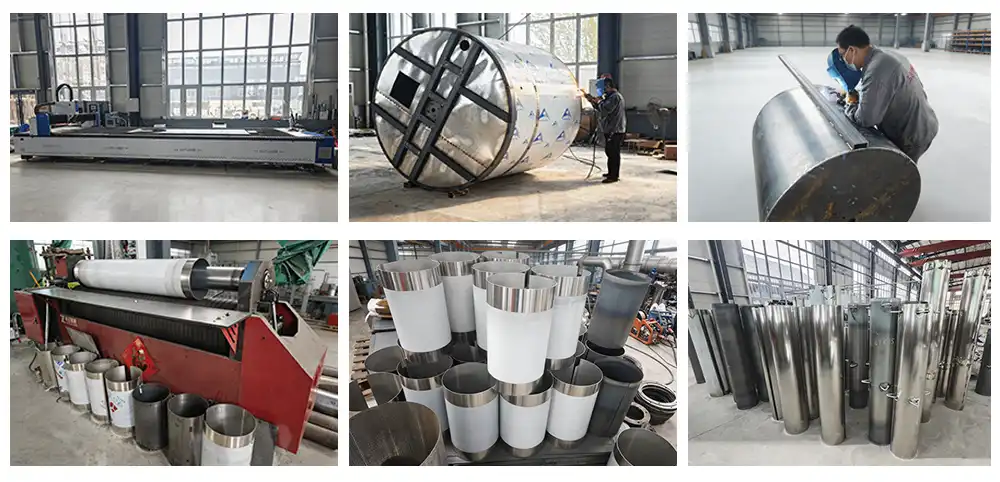
Interior areas that are mirror-polished and have a roughness value of 0.8 micrometers or less stop materials from sticking and get rid of spots of contamination. It is very important to have smooth contact areas between batches when working with light-colored LDPE formulations because even small amounts of contamination can be seen in the finished goods. Using 304 or 316L grade stainless steel for building makes sure that it can be used in food-contact situations and stops corrosion from harsh additives.
Operational Efficiency and Energy Management
The design of LDPE plastic particle mixer has a direct effect on running costs through how much energy it uses and how much it can handle. LDPE systems that are properly set up need a lot less motor power than high-intensity options because they mix things with low shear. Most installations need between 0.8 and 1.5 kW of power per cubic meter of working space to run. This ensures thorough mixing while keeping energy costs low.
By letting the material fall directly into equipment further down the line, the vertical mixing arrangement cuts down on the number of steps needed to move the material. Installations that are higher up feed straight into extruder hoppers or pelletizing systems, skipping the steps of using air conveying systems that use energy and heat. Batch cycle times between 3 and 8 minutes can handle high flow needs while still allowing enough time for mixing to fully distribute the additives.
Procurement Guide: Where and How to Buy LDPE Plastic Particle Mixers?
In addition to basic equipment specs, the buying process for specialized LDPE plastic particle mixer equipment needs to take into account a number of practical and business issues.
Identifying Reputable Manufacturers and Authorized Suppliers
There are a lot of different sources of mixing tools on the global market, and they all specialize in different types of polymer processes. When compared to general industrial mixing providers, companies that make tools just for processing plastics usually have more technical know-how and better designs. Checking a company's qualifications means looking at things like its business license, quality management certifications, and the production facility's abilities.
Dealing directly with manufacturers can often save you money, make it easier to get professional help, and let you make changes to the product. Authorized distributor networks offer benefits of having a local presence, such as faster shipping, deals in the local currency, and easier guarantee service. The best way to source relies on the specifics of the project, such as the level of customization needed, the time constraints, and the level of ongoing help that is expected.
Pricing Structures and Budget Planning
The price of LDPE plastic particle mixer changes a lot depending on its size, the type of material it is made of, its level of automation, and the features it comes with. Basic manual control systems that can handle 300 to 500 kilograms usually cost between $8,000 and $15,000. These are good for small businesses or new businesses just starting out. Prices range from $18,000 to $35,000 for mid-range automatic systems with PLC controls and capabilities of 1,000 to 2,000 kilograms. Installations with a capacity of more than 3,000 tons, full automation, and special features cost at least $45,000 to $75,000 or more.
Opportunities to buy in bulk and orders for more than one unit are often good reasons to ask for price cuts or extras that add value, like longer warranties or spare parts packages. Manufacturers may offer better terms to customers who agree to standard setups instead of designs that are highly customized. When making a budget, you should include costs for things like installation, commissioning, user training, and the first stock of extra parts, in addition to the price of the equipment itself.
Conclusion
When choosing the right mixer for LDPE pellets, you need to carefully think about the needs of the material, your production goals, and the limitations of your operations. Vertical mixers designed for low-density polyethylene uses work best because they have special features that take into account the material's unique thermal sensitivity and flow properties. When making a purchase choice, it helps to carefully look at technical specs, the supplier's skills, and the total cost of ownership. Operations and buying teams can make decisions that support production quality and operational efficiency goals when they know the basics of mixing, the different types of tools available, and how to choose the right one.
Get Your Custom LDPE Plastic Particle Mixer from a Trusted Manufacturer
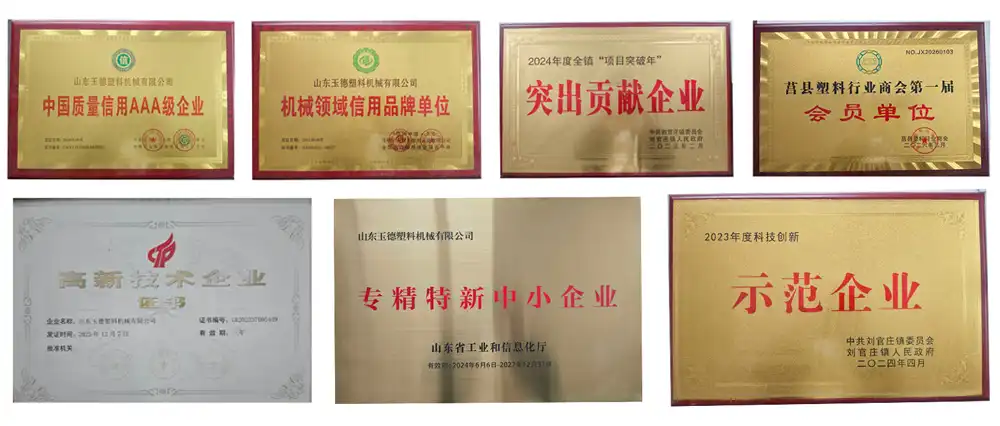
Yude Plastic Machinery has vertical mixing equipment that is specifically made for low-density polyethylene uses and is ready to help you with your LDPE processing needs. Our engineering team has a lot of experience finding the best mixing conditions for LDPE milling, extrusion, and injection molding in a wide range of businesses. As a well-known company that supplies LDPE plastic particle mixers, we make machines with sizes ranging from 300 kg to 10 tons. These machines can be customized with features like jacketed temperature control, automatic PLC systems, and mirror-polished stainless steel construction.
Our global service network covers more than 30 countries and offers full help from developing the initial specifications to completing the installation and providing ongoing technical support. You can email our technical sales team at sales@yudemachinery.com to talk about your unique mixing needs and get detailed equipment suggestions that are made to fit your production setting and processing goals.
FAQ
How do you prevent LDPE pellets from melting during high-speed mixing?
To keep LDPE from breaking down during mixing, you need to use two-stage cooling methods and carefully build the blades. Water-jacketed vessels keep chamber temperatures below critical breaking points, and the best blade tip speeds balance the need for spread with the limits of shear. Vertical screw mixers produce a lot less frictional heat than high-intensity designs. This makes them better for only LDPE uses unless the needs of the mixing process call for higher-energy options.
Can these mixers handle liquid additives like colorants or antistatic agents?
Professional LDPE mixing systems have special injection tools that turn liquids into a fine mist during the pellet fluidization phases so that they can be added as an addition. This method makes sure that the coating is even on all particle sides without causing them to stick together. The time of the injection works with the steps of the mixing cycle to get the best distribution while avoiding wet spots that make the batch less uniform.
What steps can be taken to stop the building of static electricity that happens with LDPE?
There are several ways to handle static electricity, such as using standard grounding links on equipment frames and extra active ionizing systems. Ionizing air bars placed in hopper lids help high-volume production lines by neutralizing static charges. This keeps light pellets from sticking to chamber walls and maintains consistent discharge performance over long production runs.
How long does it take to clean between color changes?
Full changeover processes can be done in 15 to 20 minutes with equipment that has mirror-polished, easy-to-clean inner surfaces and blade removal systems that don't need any tools. The design gets rid of dead zones where LDPE fines tend to gather, which speeds up cleaning processes and reduces the time that production is stopped while new formulations are being made.
Does mixing recycled LDPE fluff require different specifications than virgin pellets?
Recycled LDPE fluff has a much lower bulk density than new pellets, so the motor power needs to be changed and the paddle shapes need to be changed to stop bridging. By choosing the regrind or fluff setup when placing an order, you can be sure that the motor torque is the right size and that the agitator shape is optimized so that these less dense material forms can be handled well.
References
1. Smith, J.R., & Thompson, K.L. (2023). Industrial Polymer Mixing Technology: Principles and Applications. Technical Publishing International.
2. Anderson, M.P. (2024). "Optimizing Low-Density Polyethylene Processing Parameters for Film Extrusion." Journal of Plastics Engineering, 78(3), 145-162.
3. European Plastics Machinery Association. (2023). Guidelines for Polymer Mixing Equipment Selection and Operation. EPMA Technical Standards Committee.
4. Chen, W., & Rodriguez, A. (2024). "Thermal Management Strategies in Polyethylene Granule Mixing Systems." International Polymer Processing, 39(1), 87-103.
5. Williams, D.K. (2023). Procurement Best Practices for Industrial Processing Equipment: A Guide for B2B Buyers. Manufacturing Excellence Press.
6. Zhang, L., Kumar, S., & Jensen, F. (2024). "Comparative Analysis of Vertical and Horizontal Mixing Technologies for Thermoplastic Polymers." Plastics Technology Review, 42(2), 221-238.
Learn about our latest products and discounts through SMS or email