- English
- French
- German
- Portuguese
- Spanish
- Russian
- Japanese
- Korean
- Arabic
- Greek
- German
- Turkish
- Italian
- Danish
- Romanian
- Indonesian
- Czech
- Afrikaans
- Swedish
- Polish
- Basque
- Catalan
- Esperanto
- Hindi
- Lao
- Albanian
- Amharic
- Armenian
- Azerbaijani
- Belarusian
- Bengali
- Bosnian
- Bulgarian
- Cebuano
- Chichewa
- Corsican
- Croatian
- Dutch
- Estonian
- Filipino
- Finnish
- Frisian
- Galician
- Georgian
- Gujarati
- Haitian
- Hausa
- Hawaiian
- Hebrew
- Hmong
- Hungarian
- Icelandic
- Igbo
- Javanese
- Kannada
- Kazakh
- Khmer
- Kurdish
- Kyrgyz
- Latin
- Latvian
- Lithuanian
- Luxembou..
- Macedonian
- Malagasy
- Malay
- Malayalam
- Maltese
- Maori
- Marathi
- Mongolian
- Burmese
- Nepali
- Norwegian
- Pashto
- Persian
- Punjabi
- Serbian
- Sesotho
- Sinhala
- Slovak
- Slovenian
- Somali
- Samoan
- Scots Gaelic
- Shona
- Sindhi
- Sundanese
- Swahili
- Tajik
- Tamil
- Telugu
- Thai
- Ukrainian
- Urdu
- Uzbek
- Vietnamese
- Welsh
- Xhosa
- Yiddish
- Yoruba
- Zulu
What are the applications of a vertical plastic granule color mixer?
A vertical plastic granule color mixer addresses the critical challenge of achieving homogeneous color distribution in polymer processing, where microscopic pigment particles must uniformly coat larger resin granules. These specialized units employ vertical helical screw mechanisms within cylindrical vessels to create continuous upward lifting and radial dispersion patterns, preventing density-based segregation between lightweight colorants and heavier plastic pellets. Achieving mixing uniformity above 99% eliminates color streaking in final products and ensures batch-to-batch consistency across automotive dashboards, food packaging films, and construction profiles—making this equipment indispensable for quality-focused manufacturers.
Vertical Plastic Granule Color Mixers
Core Design and Operating Principles
Cylindrical or conical chambers with a centrally located Archimedes screw that revolves at 250-450 RPM characterise vertical mixers built for plastic colour masterbatch mixing. The screw thread raises the laden material from the bottom of the vessel, which is then hurled outward against the chamber walls before falling back into the center. via a process resembling a fountain's circulation, colourant particles are exposed to polymer granules several times, allowing them to coat them via mechanical tumbling and triboelectric attachment.
Several operational advantages are brought about by the vertical design. The space utilisation is kept to a minimum because the equipment footprint is about 30–40% of horizontal mixers with equivalent capacity. For continuous production applications, these machines are economically appealing because to their energy usage, which generally varies from 3kW to 15kW depending on batch size. Operators may create automatic discharge sequences, monitor motor load, and change mixing time via centralised control via electric cabinets.
Material Construction and Customization
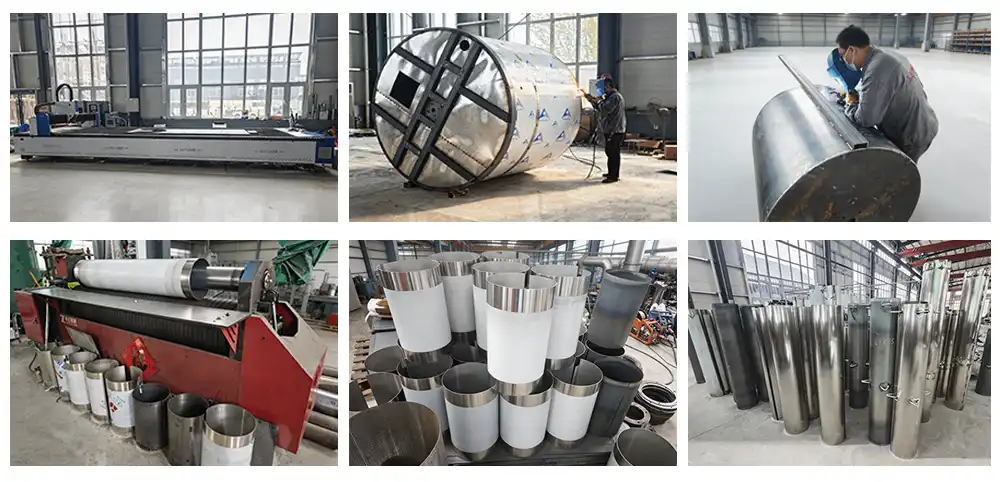
How well and how often an vertical plastic granule color mixer has to be serviced are both affected by its construction. For single-color processes or applications with low cross-contamination concerns, Q235 carbon steel provides cost-effective durability; it is also one of two material alternatives that dominate the market. The 304 stainless steel variety is ideal for firms that handle several pigment formulas every day since it is corrosion resistant and makes colour changeovers easier by allowing for faster cleaning. To reduce powder adherence and allow for complete washing between batches, internal surfaces may be polished to Ra values below 0.4 micrometres.
Chamber capacities may be specified by manufacturers ranging from 300 kg for bench-scale devices to 10 tonnes for industrial systems, thanks to customisation options. Pneumatic slide gates are one kind of discharge device that may be used to completely evacuate the material, reduce waste, and avoid colour carryover. To save processing time and address moisture sensitivity in hygroscopic resins like polyamide and PET, optional hot air injection systems allow drying and mixing to be done simultaneously.
Primary Industrial Applications of Vertical Plastic Granule Color Mixers
Injection Molding Pre-Blending
To keep aesthetic standards intact during thousands of moulding cycles, injection moulding processes need accurate dosing of colourants. The ready-to-mold mixes are made in vertical mixers by mixing colour masterbatch with virgin resin pellets in ratios usually between one hundred and fifty to one hundred to one. It is unnecessary to make dosing changes in real-time at the moulding press because of the shot-to-shot colour drift is prevented by the high mixing uniformity, which achieves coefficients of variation below 1%. In the case of high-gloss automobile parts and consumer electronics, where the surface finish significantly affects the perceived quality, this pre-blending method is particularly useful.
Having the ability to quickly switch between colours is a huge boon for manufacturers that work in small quantities. The stainless steel chambers may be cleaned in around fifteen to twenty minutes with solvent wipes or compressed air, allowing for production schedules with five or more colour swaps every shift. Processing compounds with glass fillers or mineral reinforcements increases mechanical stress, yet motor overload and overheating prevention devices keep the machine running continuously.
Extrusion and Film Production
The ability to maintain colour uniformity over long periods of time is essential in extrusion procedures used to make pipes, profiles, and films. The material remains homogeneous even after extended storage in silos or gaylord containers because vertical plastic granule color mixers feed the extruder hoppers with pre-blended material. The colour banding that is often seen when using gravimetric dosing alone is prevented by the lack of segregation during handling.
Since even small differences in concentration may be seen as streaking or haze in films that are transparent or translucent, film blowing processes greatly benefit from a consistent distribution of colourants. The use of stainless steel in packaging material for food contact applications is highly regarded for its ability to meet hygiene requirements and avoid contamination from surfaces of equipment.
Masterbatch and Compound Production
As a last step before packaging colour concentrates, masterbatch manufacturers use vertical mixers to homogenise the pigments. After high-shear twin-screw extrusion disperses the pigments in the resins, the cooled pellets may have surface powder or slight concentration gradients. By gently tumbling the pellets in the vertical plastic granule color mixers, any loose pigment is redistributed, and the end-users can be assured that all the bags or drums in the production lot will have consistent masterbatch performance. Compound producers who blend multiple additives, such as UV stabilisers, flame retardants, impact modifiers, and colourants, depend on vertical mixing to achieve uniform distribution without thermal degradation. The low-shear mechanical action preserves the additive integrity while ensuring that each pellet contains the specified formulation. When pigments are mixed with carrier resins using high-shear twin-screw extrusion, the resulting cooled pellets may have surface powder or small concentration gradients. All of the bags or drums in a manufacturing lot should have similar masterbatch performance, thus a gentle tumble in a vertical mixer is used to disperse any loose pigment.
To achieve equal distribution without triggering thermal deterioration, compound makers that combine numerous additives—UV stabilisers, flame retardants, impact modifiers, and colorants—rely on vertical mixing. Technical datasheet specifications and regulatory compliance documents rely on the low-shear mechanical action to maintain additive integrity and guarantee that each pellet has the required formulation.
Recycling and Regrind Integration
Increasing use of post-consumer recyclate and production scrap in plastic products is driven by sustainability initiatives. One challenge with regrind materials is their inconsistent colour and irregular particle geometry compared to virgin resins. To overcome this, manufacturers use vertical mixers to physically intersperse irregular flake particles among uniform virgin pellets and distribute colour correction masterbatch throughout the mixture. This application tackles a key quality concern in recycled plastic manufacturing: visible contaminants or colour inconsistency, which reduces market acceptance. By thoroughly blending before processing, manufacturers can produce recycled products with appearance quality approaching virgin material standards, expanding market opportunities and improving product quality. Regrind materials, in contrast to virgin resins, usually have uneven particle shape and colour. Blends with 10–50% regrind are homogenised in vertical mixers by physically including colour correction masterbatch and irregular flake particles amid uniform virgin pellets.
One major issue with recycled plastic production is the presence of visible impurities or colour inconsistencies, which might lower the product's market acceptability. This application seeks to solve this problem. Manufacturers may create recycled items that look almost as good as virgin material standards by mixing them thoroughly before processing. This opens up new markets and helps achieve the goals of the circular economy.
Vertical Plastic Granule Color Mixer in Various Industry Sectors
Automotive and Transportation Components
Using vertical plastic granule color mixers, automotive tier suppliers are able to achieve consistent colour matching across multiple injection moulding machines and production shifts, which is essential for interior components like dashboards, door panels, and center consoles. This is achieved by creating homogeneous blends that eliminate machine-to-machine variation and handle compounds with up to 40% glass fibre reinforcement, which are used in structural applications. The equipment also evenly distributes UV-stabilized colourants for exterior applications like bumper covers and body side moulding, preventing premature fading. Pre-blending these weather-resistant additives alongside colour masterbatch ensures that these components are consistently produced. In order to avoid machine-to-machine variance and maintain tight colour tolerances (usually ΔE < 0.5), vertical mixers allow automotive tier suppliers to prepare uniform mixes. The machinery can blend colourants evenly into even the most complex formulas, and it can process compounds with structural applications that include up to 40% glass fibre reinforcement.
If you want to avoid premature fading in exterior applications like bumper covers and body side moulding, you'll need UV-stabilized colourants that disperse uniformly. To provide full protection for all exposed surfaces, mix these weather-resistant additives with the colour masterbatch before application.
Packaging and Consumer Goods
The visual appeal of products is of utmost importance to packaging manufacturers. This is because product shelf presence directly impacts consumer purchasing decisions. One solution is to use vertical mixers, which not only accommodate rapid changeovers between product lines but also deliver the colour vibrancy and uniformity that brands demand. In the case of consumer goods moulders, having equipment that handles both standard commodity resins and engineering polymers simplifies equipment portfolios and reduces capital investment. As an example, a single 1,000kg mixer can support production of dozens of SKUs each week, each requiring distinct colour formulations. While allowing for quick changes between product lines, vertical mixers provide the consistency and brilliance of colour that companies want. With different colour formulas needed for each SKU, a single 1,000 kg mixer may handle dozens of SKUs every week.
Moulders in the consumer products industry who work with both common commodity resins and engineering polymers have a leg up when it comes to packaging for things like toys, home goods, and personal care items. Mixers that can handle a wide variety of materials, from polyethylene to polycarbonate, streamline equipment portfolios and save down on capital expenditure.
Construction Materials and Building Products
Before extruding, makers of PVC pipe, vinyl siding, and composite decking use vertical plastic granule color mixers to combine processing aids and colourants. For these uses, high-capacity mixers that keep mixing conditions consistent over long periods of time are essential. Batch sizes in these applications typically range from 2,000 to 5,000 kg. Products that adhere to architectural standards for colour matching in subsequent installation projects are guaranteed to have a consistent distribution of colours.
For outdoor use, it is important to evenly disperse colourants and UV stabilisers so they weather consistently. Extruded profiles or moulded components are protected from premature deterioration in some regions by vertical mixing, which eliminates localised defects.
OEM and Contract Manufacturing
The operational versatility of the equipment allows contract moulders to confidently bid on projects with varied technical requirements. The vertical mixer is reliable and flexible, accommodating formulations ranging from commodity resins to engineering resins. It processes batch sizes ranging from 300kg prototypes to 5,000kg production runs and switches between applications with minimal downtime. For regulated industries like medical devices, food contact applications, and electrical components, the quality documentation capabilities of the equipment, such as batch tracking, mixing time records, and temperature monitoring, support customer audit requirements and traceability mandates. Batch sizes range from 300 kg for prototypes to 5,000 kg for production runs, and the equipment can transition between applications with little downtime, and it can handle compositions ranging from commodity resins to engineering resins. Contract moulders are able to safely compete on projects with a wide range of technical requirements because of their operational agility.
Customer audit needs and traceability demands are supported by quality documentation capabilities, such as batch tracking, mixing time records, and temperature monitoring. These characteristics are crucial for the processing of materials used in regulated sectors, such as electrical components, medical devices, and food contact applications.
Selecting a Vertical Plastic Granule Color Mixer for Your Application
Capacity and Throughput Matching
When choosing a mixer, it's important to consider production volume, batch frequency, and process integration. As a general rule, the capacity of the mixer should be 1.5 to 2 times the hourly consumption rate of downstream equipment. This will ensure uninterrupted feeding without interruptions to production. Operations with multiple processing machines or shift schedules can benefit from larger mixers, as they reduce batch frequency and operator intervention. Batch cycle times usually range from 3 to 8 minutes, depending on the complexity of the formulation and the required uniformity. Determining daily throughput requirements helps in deciding whether a single large mixer is better suited to production patterns and whether multiple smaller units provide redundancy during maintenance periods. A good rule of thumb is that the mixer's capacity should be 1.5 to 2 times the downstream equipment's hourly consumption rate. This will ensure that production can continue uninterrupted while feeding the material. Machines with many processing heads or shifts might benefit from bigger mixers, which decrease the frequency of batches and the need for human interaction.
Depending on the intricacy of the formulation and the needed level of homogeneity, the batch cycle time might vary from 3 to 8 minutes. The optimal number of smaller units to fit production patterns and provide redundancy during maintenance times may be determined by calculating daily throughput needs. Alternatively, a single big mixer might be considered.
Material Compatibility and Construction Selection
Carbon steel is ideal for processes that only involve processing one colour family or for uses where it is not essential to clean the equipment thoroughly between batches. This choice is appealing for specialised manufacturing lines due to its cost advantage, which is generally 20-30% cheaper than stainless steel. When dealing with corrosive compounds, such as certain flame retardants, or when equipment has to fulfil requirements for food contact or medical grade cleanliness, stainless steel becomes an absolute must.
The design of the discharge mechanism impacts the extent to which materials are evacuated. For costly compounds or situations where cross-contamination must be avoided, pneumatic sliding gates provide rapid and thorough discharge with little leftover material. Although they are more difficult to build, manual butterfly valves nevertheless allow for the acceptable retention of 0.5-1% of batch material in some applications.
Supplier Evaluation and Support Capabilities
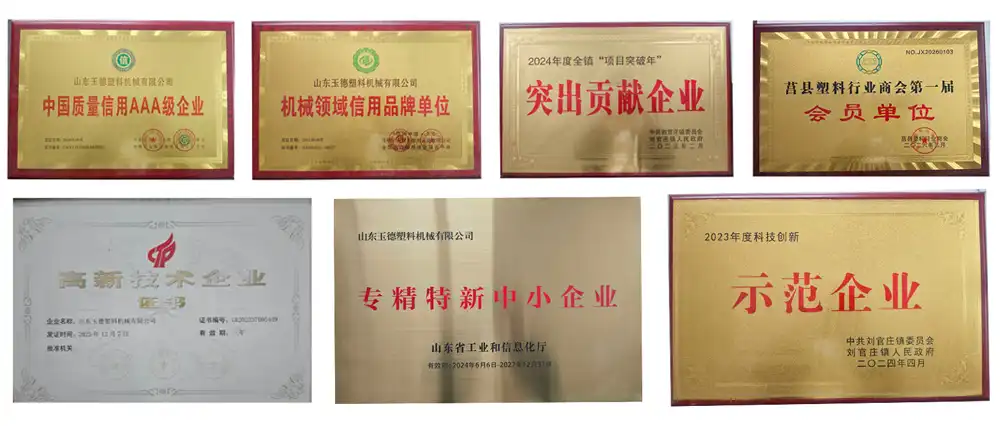
You can be certain that you will have access to technical assistance, spare parts, and design refinement based on field experience when you source mixers from reputable manufacturers with proven competence. It is important to verify the supplier's after-sale support capabilities, such as remote diagnostics, on-site commissioning, and operator training programs, as well as to study their installation portfolios and obtain customer references.
It is important for international procurement teams to ensure that suppliers can meet regional electrical standards, provide documentation in the necessary languages, and efficiently manage shipment and installation deadlines. Realistic investment analysis goes beyond just looking at the purchase price and takes into account the overall cost of ownership, which includes energy consumption, maintenance needs, and estimated service life.
Conclusion
Vertical plastic granule color mixers deliver measurable quality improvements and operational efficiencies across plastic manufacturing sectors. Their ability to achieve 99%+ mixing uniformity eliminates costly quality defects including color streaking, part rejection, and customer complaints. The compact vertical design optimizes facility space utilization while energy-efficient operation reduces processing costs. From automotive tier suppliers managing strict color tolerances to recycling operations improving regrind appearance, these mixers prove indispensable for manufacturers prioritizing product consistency and production flexibility. Understanding application-specific requirements and selecting appropriate equipment configurations enables procurement teams to make investments that strengthen competitive positioning through enhanced quality and operational reliability.
Partner with Yude Plastic Machinery for Superior Mixing Solutions
Achieving consistent color quality and production efficiency demands reliable equipment from an experienced vertical plastic granule color mixer manufacturer. Yude Plastic Machinery specializes in vertical mixers ranging from 300kg laboratory units to 10-ton industrial systems, serving processors across automotive, packaging, construction, and consumer goods sectors. Our equipment delivers 99%+ mixing uniformity through precision-engineered vertical spiral lifting circulation, eliminating color variation that compromises product appearance.
We offer both Q235 carbon steel and 304 stainless steel construction tailored to your specific application requirements and budget parameters. Each mixer features centralized electric control cabinets with motor overload protection, ensuring safe operation and extended service life. Our technical team provides customized solutions addressing unique material characteristics, capacity requirements, and facility integration challenges—backed by comprehensive after-sales support including installation guidance, operator training, and responsive technical assistance.
Whether you're sourcing a vertical plastic granule color mixer for sale to upgrade existing processes or establishing new production capacity, Yude Plastic Machinery delivers proven performance and competitive value. Contact our team at sales@yudemachinery.com to discuss your application requirements and receive detailed specifications with project-specific quotations.
FAQ
What types of plastic materials can vertical mixers process effectively?
Vertical plastic granule color mixers accommodate virtually all thermoplastic resin families including polyethylene, polypropylene, polystyrene, PVC, ABS, polycarbonate, and engineering polymers like polyamide and PET. The equipment handles materials in pellet, granule, or flake form with particle sizes ranging from 2mm to 8mm. Glass-filled and mineral-reinforced compounds up to 40% loading levels mix successfully, though abrasive materials may accelerate screw wear requiring more frequent inspection intervals.
How do vertical mixers compare to horizontal alternatives for color blending?
Vertical mixers prevent density-based segregation that often occurs in horizontal tumble mixers where heavier polymer granules settle below lighter colorant powders during transport or storage. The continuous upward-outward circulation pattern maintains homogeneity throughout the batch. Vertical designs require significantly less floor space—typically 30-40% of horizontal mixer footprints—and facilitate complete discharge with minimal residual material retention.
What factors determine appropriate mixer capacity for specific production requirements?
Capacity selection should consider hourly processing rates of downstream equipment, desired batch frequency, and available storage for blended material. A practical guideline suggests mixer capacity equaling 1.5 to 2 times hourly consumption, enabling continuous feeding without production interruptions. Multi-shift operations and multi-machine installations benefit from larger capacities reducing batch frequency and labor requirements.
References
1. Chen, W., & Martinez, R. (2021). Advanced Polymer Processing: Mixing Technology and Quality Control. Industrial Press Publishing.
2. Johnson, K. T. (2020). Color Consistency in Plastic Manufacturing: Equipment Selection and Process Optimization. Journal of Polymer Engineering, 40(6), 487-502.
3. Liu, S., Thompson, D., & Ahmed, F. (2022). Vertical Mixing Systems for Thermoplastic Compounding: Design Principles and Industrial Applications. Materials Processing Institute.
4. Peterson, J. M. (2019). Comparative Analysis of Batch Mixing Technologies for Masterbatch Production. Plastics Technology International, 35(3), 112-127.
5. Rodriguez, A., & Wong, H. (2023). Quality Management in Polymer Processing: From Raw Material to Finished Product. Technical Publishing Group.
6. Williams, E. R., & Zhang, Y. (2021). Energy Efficiency and Footprint Optimization in Plastic Processing Equipment. International Polymer Processing, 36(4), 345-359.
Learn about our latest products and discounts through SMS or email