- English
- French
- German
- Portuguese
- Spanish
- Russian
- Japanese
- Korean
- Arabic
- Greek
- German
- Turkish
- Italian
- Danish
- Romanian
- Indonesian
- Czech
- Afrikaans
- Swedish
- Polish
- Basque
- Catalan
- Esperanto
- Hindi
- Lao
- Albanian
- Amharic
- Armenian
- Azerbaijani
- Belarusian
- Bengali
- Bosnian
- Bulgarian
- Cebuano
- Chichewa
- Corsican
- Croatian
- Dutch
- Estonian
- Filipino
- Finnish
- Frisian
- Galician
- Georgian
- Gujarati
- Haitian
- Hausa
- Hawaiian
- Hebrew
- Hmong
- Hungarian
- Icelandic
- Igbo
- Javanese
- Kannada
- Kazakh
- Khmer
- Kurdish
- Kyrgyz
- Latin
- Latvian
- Lithuanian
- Luxembou..
- Macedonian
- Malagasy
- Malay
- Malayalam
- Maltese
- Maori
- Marathi
- Mongolian
- Burmese
- Nepali
- Norwegian
- Pashto
- Persian
- Punjabi
- Serbian
- Sesotho
- Sinhala
- Slovak
- Slovenian
- Somali
- Samoan
- Scots Gaelic
- Shona
- Sindhi
- Sundanese
- Swahili
- Tajik
- Tamil
- Telugu
- Thai
- Ukrainian
- Urdu
- Uzbek
- Vietnamese
- Welsh
- Xhosa
- Yiddish
- Yoruba
- Zulu
Comparison between a Pot-type Plastic Granule Mixer with Drying Function and an Ordinary Plastic Mixer
When selecting mixing equipment for plastic processing operations, understanding the differences between a pot-type plastic granule color mixer with integrated drying and a standard ordinary mixer becomes critical. The pot-type variant combines moisture removal with blending in a single automated cycle, eliminating the need for separate drying equipment and reducing production time by approximately 30-40%. Ordinary mixers perform only mechanical blending without addressing moisture content, which can lead to defects like surface blemishes, inconsistent melt flow, and dimensional instability in final products. This fundamental distinction directly impacts production efficiency, product quality, and long-term operational costs for manufacturers across automotive components, packaging films, and recycled material processing sectors.
Plastic Granule Mixers: Pot-Type vs. Ordinary Mixers
Plastic granule mixers are an important part of quality control in injection moulding and extrusion processes. They mix base resins, colour masterbatches, additives and regrind materials very thoroughly before they are heated. If the mixing is not done properly, manufacturers may face expensive problems such as streaks of colour, changes in mechanical properties and inconsistencies between batches, which can lead to rejections by clients in industries such as food packaging and automotive interiors that require high quality. The machines guarantee a uniform distribution of basic resins, colour masterbatch, additives and regrind materials before the heat process. Without good mixing, producers face expensive problems such as colour streaking, fluctuation in mechanical properties and batch-to-batch inconsistency, leading to rejections by quality-conscious customers in industries like as food packaging and car interiors.
Understanding Pot-Type Mixer Technology
The pot-type plastic granule color mixer represents an evolution in material preparation technology. This equipment features a conical stainless steel chamber where a central vertical auger lifts materials from the bottom in a controlled fountain pattern. What distinguishes this system is its integrated heating elements embedded in the chamber walls. These elements maintain temperatures between 60-80°C, sufficient to evaporate surface moisture without melting the granules. The design addresses a persistent challenge in plastics processing: hygroscopic materials like Nylon, ABS, and polycarbonate absorb atmospheric moisture that causes hydrolysis during melting, resulting in brittleness and visual defects.
Conventional Mixer Limitations
The usual plastic mixers use mechanical agitation by horizontal paddles or ribbon blades. These devices are good at mixing dry materials, but they can't handle moisture content. Manufacturers working with traditional mixers have to add separate hopper dryers or desiccant devices, producing a two-stage process. This strategy increases the need for floor space, lengthens cycle times, and adds material handling steps with increased contamination hazards. The absence of control over the environment also implies that the mixing takes place at ambient temperature and humidity leading to uneven outcomes during seasonal swings.
Working Principles and Functional Advantages
The operational differences between these mixer types directly translate to production outcomes. Understanding these mechanisms helps procurement engineers evaluate which technology aligns with their quality standards and throughput requirements.
Integrated Drying and Mixing Cycle
Programmable controllers operate pot-type plastic granule color mixers with drying capabilities through four discrete steps. Loading consists of an entry of materials through a pneumatically sealed hatch at the top of the mixer that prevents the escape of dust. Mixing starts with the vertical screw turning at 40-60 RPM circulating materials continuously while heating elements increase the temperature of the chamber. This dual-action phase usually lasts 8-12 minutes depending on moisture content and batch size. Drying continues at temperature while the rate of agitation decreases allowing moisture vapour to escape through filtered vents. A cooling phase reduces the temperature of the materials to safe handling levels before automated discharge through bottom butterfly valves. This closed-loop process removes exposure to ambient conditions and operator variability. During the loading phase, the materials are fed via a top gate which is pneumatically shut to prevent dust escape. The heating elements boost the temperature of the chamber and the mixing phase begins by starting the vertical screw at 40-60 RPM, generating a constant circulation of the material. This dual action phase usually lasts 8-12 minutes depending on moisture level and batch size. Drying phase: temperature is maintained while agitation speed is reduced to enable moisture vapour to escape via filtered vents. Next, a cooling phase brings the material temperature down to safe handling temperatures and it is discharged automatically via bottom butterfly valves. The closed loop procedure reduces environmental circumstances and operator unpredictability.
Single-Function Mixing Mechanics
Normal mixers merely provide the mixing action. Horizontal paddle mixers employ counter-rotating shafts with offset blades that tumble ingredients through a trough-shaped chamber. Distribution in vertical screw mixers without heating is effected by gravity and mechanical lifting. Both designs provide good colour consistency for non-hygroscopic materials such as polypropylene and polyethylene under low humidity conditions. Performance deteriorates dramatically while processing moisture-sensitive resins, or in humid seasons. This is a key limitation for precision applications, as these mixers lack environmental controls to avoid moisture absorption during the mixing cycle itself.
Measurable Performance Differences
Independent testing indicates measurable benefits of integrated drying-mixing systems. The moisture content is decreased from normal ambient levels of 0.15-0.20% to processing-safe values below 0.05% throughout the standard cycle. Spectrophotometric analysis of the colour distribution inside sample pellets indicates a 35-50% better standard deviation than the dry-blend-only technique. Defect rates in injection-molded products, such as silver streaking and void formation, are reduced by 60-75% when employing dried-mixed ingredients. These advances immediately impact scrap rates and rework costs that eat into profitability in competitive production settings.
Comparative Analysis: Pot-Type vs. Ordinary Plastic Granule Mixers
Procurement decisions require evaluating multiple operational and financial factors beyond initial purchase price. A comprehensive comparison across key performance indicators reveals the true cost of ownership and production impact.
Capacity and Throughput Considerations
Pot-type plastic granule color mixers with drying features generally have batch sizes of 300kg to 10-ton and cycle periods of 15-25 minutes including loading and discharge. This equates into processing speeds of 720kg to 24 tonnes per hour for mid range machines. Ordinary mixers have typical cycle periods of 3-8 minutes, but the benefit is lost when adding the needed 2-4 hour drying time in separate equipment. The integrated strategy avoids material transfer delays and buffer storage between the operations. The simplified workflow is especially beneficial in manufacturing operations that operate three-shifts of production, since it minimises the number of process hand-offs, a common source of tracking mistakes and contamination.
Energy Consumption Analysis
Energy costs are a significant part of the costs of mixing operation. Pot type dryer-mixers use 0.75kW to 15kW depending on size and the heating elements during the drying step use 3-9kW. The average total energy per kg of processed material is 0.08-0.12 kWh. Conventional mixers use less power in operation (0.5-7kW) but the comparison is misleading as it does not take into account the energy of 2-15kW for the separate hopper dryer that operates continuously. Based on system calculations the integrated pot type approach can reduce the total energy consumption by 18-25%, and also reduce the footprint of the equipment by not having separate drying units. Pot type dryer-mixers are from 0.75kW to 15kW depending on the capacity and the drying phase uses heating elements which add another 3-9kW. Average specific energy of treated material is 0.08-0.12 kWh/kg. Conventional mixers have lower operating power usage (0.5-7kW) however this is misleading as it does not include the energy consumption of the separate hopper drier which may be 2-15kW and runs constantly. The integrated pot-type technique decreases overall energy usage by 18-25% on a system basis, while at the same time minimises equipment footprint by removing independent drying units.
Maintenance Requirements and Equipment Longevity
For total cost of ownership, maintenance regimes are a key factor. Pot-type mixers are manufactured from stainless steel 304 or 316 and are resistant to corrosion from chemical additives and exposure to moisture. The vertical screw design is less prone to wear than horizontal paddles, because material flow assists rather than resists the mixing action. Planned maintenance entails quarterly checks of drive belt tension, annual lubrication of the gearbox and testing of heating elements. The sealed chamber design prevents material spillage which contaminates surrounding production areas. Conventional mixers, particularly horizontal paddle designs, suffer from accelerated wear on blade edges and shaft seals. The open or minimally sealed design allows dust to build up on motors and bearings, necessitating more frequent cleaning interventions. The corrosion resistant pot type mixers are made of stainless steel 304 or 316 for chemical additives and moisture exposure. The vertical screw design is less prone to wear than horizontal paddles because the material flow assists the mixing operation rather than working against it. Scheduled maintenance Every three months, check the drive belt tension. Lubricate the gearbox once a year. Test the heating element. The sealed chamber design prevents the escape of material that contaminates nearby manufacturing areas. The blades and shaft seals of ordinary mixers, particularly in particular horizontal paddle types, wear down at an accelerated pace. The open or somewhat sealed structure causes dust to build up on motors and bearings, necessitating more regular cleaning interventions.
Return on Investment Calculations
Upfront investment in pot-type dryer-mixers is 40-60% higher than the cost of traditional mixers, and this differential raises red flags for cost-conscious buyers. But a full ROI analysis needs to include savings in the form of eliminated costs for separate drying equipment, lower defect rates, shorter cycle times and lower energy consumption. For manufacturing operations that run 5 tonnes per day of moisture-sensitive materials, the combination of savings usually translates to payback within 14-18 months. For high-volume operations above 20 tonnes per day, payback can occur in less than 12 months. The calculation becomes even more attractive when factoring in savings in floor space and simplified production scheduling that improves overall equipment effectiveness. Full ROI analysis should also include saved costs from separate drying equipment, lower failure rates and shorter cycle times and energy usage. These combined savings generally pay for manufacturing operations processing 5 tons/day of moisture-sensitive commodities in 14-18 months. Payback might be less than 12 months for high volume operations of >20 tons/day. And it gets better when you include in the lower cost of floor space and simpler production scheduling that helps increase total equipment performance.
Choosing the Right Mixer for Your Business Needs
Selecting appropriate mixing equipment requires matching technical specifications to your specific production requirements, material characteristics, and business growth plans. Hasty decisions based solely on purchase price often lead to performance compromises that multiply costs over the equipment's operational life.
Material Compatibility Assessment
Different plastic resins present distinct processing challenges. Hygroscopic engineering resins including nylon (PA6, PA66), polycarbonate (PC), ABS, and polyethylene terephthalate (PET) absolutely require moisture removal before thermal processing. These materials chemically bond with water molecules, and mechanical mixing alone cannot address the issue. A pot-type plastic granule color mixer with integrated drying becomes essential for consistent results. Commodity resins like polypropylene (PP), high-density polyethylene (HDPE), and polystyrene (PS) absorb minimal moisture and mix effectively in ordinary equipment under controlled environmental conditions. Recycled material blending introduces additional complexity because regrind flakes have irregular shapes and higher surface area that traps more moisture than virgin pellets, often making drying functions beneficial even for typically non-hygroscopic base resins.
Production Volume and Scalability
Batch capacity selection should align with your shift production requirements while allowing flexibility for growth. Undersized equipment forces multiple batch cycles that waste operator time and increases per-unit processing costs. Oversized mixers process small batches inefficiently and occupy valuable production floor space. Mid-range operations producing 2-8 tons per shift perform optimally with 500-1500kg capacity pot-type mixers. Large-scale operations benefit from multiple parallel mixing lines rather than single oversized units, providing redundancy during maintenance periods and flexibility to process different material formulations simultaneously. Companies experiencing growth should prioritize suppliers offering modular systems where control panels and automation levels can upgrade without replacing core mechanical components.
Customization and Engineering Support
Standard catalog equipment serves general applications adequately, but specialized production requirements demand customization capabilities. Custom modifications include material-contact surface upgrades to stainless steel 316L for corrosive additive compatibility, explosion-proof electrical systems for facilities processing flammable materials, multilingual PLC interfaces for international operations, and integration with existing plant automation through standard industrial protocols like Modbus or Profibus. Suppliers providing in-house engineering teams can adapt discharge configurations, modify heating zone distribution, or adjust agitator designs to accommodate unique material flow characteristics. This technical partnership becomes particularly valuable when scaling production or introducing new product lines with unfamiliar material requirements.
Supplier Evaluation Criteria
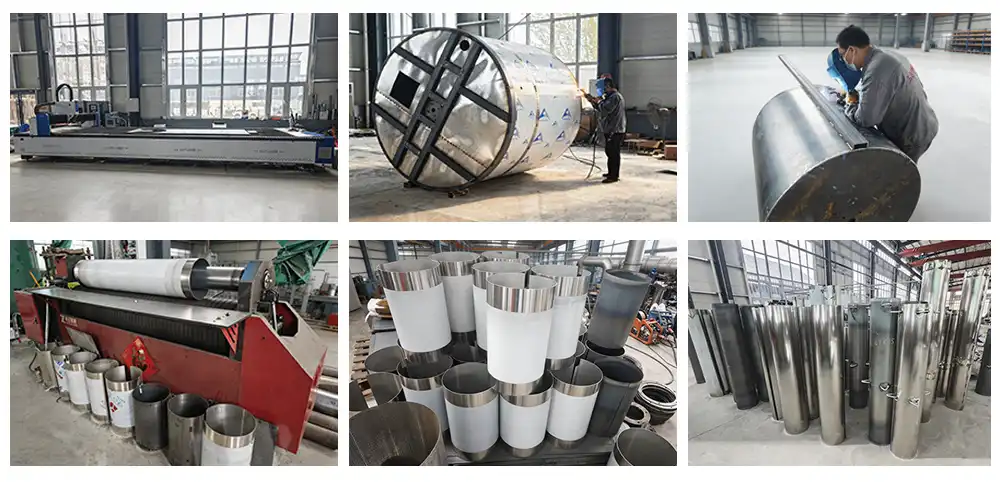
Equipment reliability depends heavily on manufacturer quality standards and ongoing support infrastructure. When evaluating potential suppliers, verification of ISO 9001 quality management certification provides baseline assurance of consistent manufacturing processes. Review of material certifications for stainless steel components confirms grade authenticity and corrosion resistance properties. Warranty terms should cover mechanical components for minimum 18 months and electrical systems for 12 months, with clear definition of covered repairs versus consumable parts. After-sales service responsiveness separates competent suppliers from exceptional partners. Assess whether the supplier maintains technical support staff available during your operating hours, provides remote diagnostic capabilities for rapid troubleshooting, stocks common replacement parts for quick shipment, and offers periodic equipment health inspections. Supplier reputation within your specific industry segment, verifiable through reference customers and trade association memberships, indicates proven performance in similar applications.
Conclusion
The decision between pot-type plastic granule mixers with integrated drying and ordinary mixing equipment fundamentally depends on your material characteristics, quality requirements, and production scale. Operations processing hygroscopic resins or maintaining stringent quality standards for automotive, medical, or food packaging applications will find the integrated drying function essential rather than optional. The higher initial investment delivers measurable returns through reduced defect rates, eliminated secondary drying equipment, lower energy consumption, and faster production cycles. Commodity resin processors in cost-sensitive markets may adequately serve their needs with conventional mixers under controlled environmental conditions. Regardless of equipment choice, partnering with experienced manufacturers offering technical support and customization capabilities ensures your mixing system evolves alongside your business growth and changing market demands.
Partner with Yude Plastic Machinery for Advanced Mixing Solutions
Yude Plastic Machinery stands as a specialized pot-type plastic granule color mixer manufacturer delivering integrated solutions tailored to your production requirements. Our equipment line spans 300kg to 10-ton capacities, constructed from corrosion-resistant stainless steel with precision-engineered drive systems ensuring reliable performance across demanding industrial applications. We recognize that procurement engineers require more than catalog specifications—you need responsive technical partnerships supporting equipment selection, installation guidance, operator training, and ongoing optimization. Our engineering team provides customization services adapting control interfaces, modifying discharge configurations, and ensuring compliance with regional safety standards for seamless integration into your existing production lines. With documented success serving automotive component manufacturers, packaging film producers, and recycling operations across international markets, we deliver proven technology backed by comprehensive after-sales support. Contact our technical consultants at sales@yudemachinery.com to discuss your specific mixing challenges and receive detailed specifications with competitive pricing for pot-type plastic granule color mixer for sale. We're committed to building long-term partnerships that enhance your manufacturing capabilities and market competitiveness.
FAQ
What specific advantages does integrated drying provide?
Integrated drying eliminates moisture-related defects like silver streaking and brittleness while removing the need for separate drying equipment. This reduces floor space requirements, simplifies material handling, and cuts cycle times by combining two processes into one automated operation, particularly critical for hygroscopic resins.
How do I determine which mixer capacity suits my production volume?
Calculate your shift production requirements and divide by realistic cycle times including loading and discharge. Select capacity providing 10-15% overhead to accommodate growth and unexpected demand spikes. Operations running multiple shifts benefit from parallel moderate-capacity units rather than single oversized mixers.
What warranty and service should I expect from reputable suppliers?
Quality manufacturers provide minimum 12-18 month warranties covering mechanical and electrical components with clear terms distinguishing covered repairs from consumable parts. After-sales support should include technical assistance during your operating hours, remote diagnostics, parts availability, and periodic maintenance services.
References
1. Chen, M. & Liu, Y. (2021). Advanced Polymer Processing Technologies: Mixing and Drying Systems. Industrial Press Publishing.
2. Robertson, K. (2020). "Moisture Control in Engineering Thermoplastics: Impact on Final Product Quality." Journal of Polymer Engineering, 40(5), 387-402.
3. Daniels, P. & Martinez, R. (2022). Equipment Selection Guide for Plastics Manufacturing. Technical Publishing International.
4. Zhang, H. (2019). "Comparative Analysis of Batch Mixing Technologies in Industrial Plastics Processing." Manufacturing Technology Review, 33(2), 156-171.
5. Thompson, J. (2023). Energy Efficiency in Polymer Processing Equipment. Green Manufacturing Press.
6. Anderson, S. & Kumar, V. (2021). "Total Cost of Ownership Analysis for Material Handling Systems." Industrial Equipment Management Quarterly, 18(4), 78-93.
Learn about our latest products and discounts through SMS or email