- English
- French
- German
- Portuguese
- Spanish
- Russian
- Japanese
- Korean
- Arabic
- Greek
- German
- Turkish
- Italian
- Danish
- Romanian
- Indonesian
- Czech
- Afrikaans
- Swedish
- Polish
- Basque
- Catalan
- Esperanto
- Hindi
- Lao
- Albanian
- Amharic
- Armenian
- Azerbaijani
- Belarusian
- Bengali
- Bosnian
- Bulgarian
- Cebuano
- Chichewa
- Corsican
- Croatian
- Dutch
- Estonian
- Filipino
- Finnish
- Frisian
- Galician
- Georgian
- Gujarati
- Haitian
- Hausa
- Hawaiian
- Hebrew
- Hmong
- Hungarian
- Icelandic
- Igbo
- Javanese
- Kannada
- Kazakh
- Khmer
- Kurdish
- Kyrgyz
- Latin
- Latvian
- Lithuanian
- Luxembou..
- Macedonian
- Malagasy
- Malay
- Malayalam
- Maltese
- Maori
- Marathi
- Mongolian
- Burmese
- Nepali
- Norwegian
- Pashto
- Persian
- Punjabi
- Serbian
- Sesotho
- Sinhala
- Slovak
- Slovenian
- Somali
- Samoan
- Scots Gaelic
- Shona
- Sindhi
- Sundanese
- Swahili
- Tajik
- Tamil
- Telugu
- Thai
- Ukrainian
- Urdu
- Uzbek
- Vietnamese
- Welsh
- Xhosa
- Yiddish
- Yoruba
- Zulu
Vertical Mixer for PE Plastic Granules with 98% Mixing Uniformity
In polyethylene processing, getting constant blend quality isn't just a business goal; it's what makes the product honest. The difficulties of mixing HDPE, LDPE, and LLDPE granules with masterbatches, recycled content, and useful ingredients can be solved by a PE plastic particle mixer designed to work vertically. Our vertical mixing systems make sure that the mixture is ≥98% homogeneous by using the right spiral auger shape and controlling the flow of materials. This gets rid of the color streaking and density segregation that hurt the quality of extrusion. This level of accuracy is important when processes further down the line, like pipe extrusion or film blowing, rely on even melt flow to meet standards for size tolerances and mechanical strength.
Vertical Mixer for PE Plastic Granules
Core Design Principles Behind 98% Mixing Uniformity
The form of the vertical conical cylinder makes a steady flow pattern where PE granules rise along the center screw shaft and fall by gravity. This convective motion is very different from horizontal ribbon mixers because it reduces shear forces that can cause frictional heat. This is very important when working with slip agents or anti-block chemicals that are sensitive to temperature changes. The spiral pitch and flight angle are found by using PE's bulk density (0.45-0.65 g/cm³) and angle of rest to make sure that each particle stays in the mixing zone for the same amount of time. The building is made of SUS304 stainless steel, and the surface finish is Ra ≤0.4µm. This keeps iron from getting inside and speeds up color changes, cutting down the time between production runs from over an hour to less than twenty minutes.
How Vertical PE Mixers Differ from Drum and Twin-Shaft Alternatives
When mixing new pellets with powdered colors, drum mixers use tumbling action to separate the particles. Lighter particles move to the top, while denser components fall to the bottom. Twin-shaft paddle mixers are great for high-shear tasks, but too much mechanical stress can damage fragile recovered PE flakes. Our vertical setup keeps mixing gentle by using controlled lift-and-fall motion. This keeps the purity of the pellets while achieving statistical homogeneity. When working with small PE powders, the closed-chamber setting stops dust from escaping, which is good for both worker safety and reducing waste, which open-drum systems can't do well.
Safety and Energy-Efficiency Features Integrated into Modern Designs
Modern PE plastic particle mixers have IE3-rated motors that use 18–22% less energy than older equipment. This saves money across three shifts. Interlock systems keep people from getting into the chamber while it's running, and grounded housings with available de-ionizing air input bars stop static buildup, which is a problem that keeps coming up when working with PE powders that tend to stick together electrostatically. Variable frequency drives let workers change the mixing speeds from 300 to 800 RPM depending on the ingredients in the batch. This cuts down on run times without affecting the consistency of the mixture. All of these features work together to make operations safer while also lowering the total cost of ownership by lowering energy costs and reducing the number of repair visits needed.
Benefits and Applications of Vertical Mixers in PE Plastic Granules Processing
Operational Advantages That Impact Your Bottom Line
Using a high-performance polyethylene blending method has a direct effect on three important output metrics. When additives are spread out evenly, they get rid of the flaws that cause quality holds. For example, 2.5% carbon black masterbatch needs to be spread out evenly through natural HDPE resin to keep UV-degradation weak spots from showing up in pressure-rated gas pipe. When exact blending lets makers safely raise recycled content percentages without risking batch rejections, the amount of wasteful raw materials goes down. Shorter cycle times and fewer line stops due to pollution or color differences show that production efficiency gains have been made.
A pipe extrusion plant in the Midwest saw an 11% drop in scrap rates after switching from drum mixing to vertical convective blending. In the Southeast, a film maker cut masterbatch use by 7% by making dispersion more efficient. These gains come from the mixer's ability to mechanically and chemically coat additive particles onto PE surfaces, rather than just slamming parts together and hope that they are spread out randomly.
Industrial Applications Across the Polyethylene Value Chain
PE plastic particle mixer is used in many areas of plastics production. To meet ASTM D3350 standards for public water systems, companies that make HDPE pipes have to carefully mix carbon black and stabilizers. Slip agents need to be spread out carefully in LDPE film converters so that high-speed packing lines going over 200 meters per minute don't get stuck. Rotomolding processes mix finely ground PE powders with dry pigments to make the walls of big storage boxes all the same thickness. This is important because pigments that stick together weaken the structure. Injection molding shops that mix new ABS with PE modifiers benefit from the gentle blending action that protects the surface integrity of the pellets. Damaged pellets cause uneven melt flow, which shows up in molded parts as sink marks or differences in size.
The tools are also useful for compounding, where PE is used as a base for mineral fillers or beneficial additions. For uses that use glass fiber reinforced polyethylene, the mixture needs to be carefully mixed so that the fibers don't break. On the other hand, flame-retardant mixtures need to be thoroughly mixed so that the fire-resistance properties stay the same throughout the extruded profiles.
Comparing Vertical Mixers to Other Mixers: Making the Smart Choice
Key Performance Factors in Mixer Selection
When procurement experts look at mixing equipment, they have to weigh a lot of technical factors against what the equipment needs to do its job. The amount of time needed to reach 98% uniformity is a direct measure of mixing efficiency. It has a direct effect on throughput capacity and energy costs per kilogram handled. Scalability factors decide whether a single mixer model can handle both small R&D batches and large output amounts, or if two different units are needed. Different types of mixers use a lot of different amounts of energy. For example, vertical convective systems use about 0.8 to 1.2 kW per 100 kg of capacity, while high-intensity drum mixers need about 1.8 to 2.4 kW for the same amount of flow because they rotate faster and lose energy through friction.
When it's not possible to expand the building, the size of the footprint affects the choice of tools. When it comes to industrial settings with limited space, vertical mixers are a clear winner because they take up 40–50% less floor space than horizontal ribbon configurations of the same volume. Operators should also look at the discharge mechanisms. Full-bottom dump gates empty tanks instantly to keep the mixture homogeneous, but side-discharge designs run the risk of mixing the materials during flow, which can bring back stratification.
Automation Benefits for Process Reliability and Quality Consistency
Manual control systems rely on the operator's opinion to decide when the cycle is finished, which can be different between jobs and between employees. Programmable logic controls run standard routines during automated mixing sequences. Programmable mixing speeds, durations, and discharge timing get rid of the need for human error. Recipe management systems keep track of the factors for different formulations. This means that you can switch between PE grades or color families with just one touch, instead of having to look at paper paperwork. Monitoring the motor's current draw in real time can find loading conditions that aren't normal, which could mean that material is crossing or there is a mechanical obstruction, before the equipment gets damaged.
Advanced systems connect to plant MES platforms to record batch tracking data, which meets ISO quality management standards and meets customer audit requirements. This connection lets quality managers connect the properties of the end product to certain mixing factors, which lets the process be improved all the time. You shouldn't forget about the practical safety benefits. For example, automated interlocks stop workers from breaking safety rules when they are under a lot of pressure to get work done, which lowers the risk of an accident happening at work.
Case Studies and Verification of Vertical Mixers' Performance
Real-World Performance Data from Industrial Installations
A Texas-based company that makes HDPE pipes that process 12 tons of material every day reported better mixing regularity after adding PE plastic particle mixer. Using stratified sampling in the lab proved that the carbon black dispersion was 98.3% uniform, which is better than the 89.7% that they got with their old drum mixer. This improvement got rid of the UV-degradation problems that had led to guarantee claims on buried gas delivery pipes. Because of the better regularity, the plant was able to raise the recycled content from 15% to 22% without lowering the quality. This saved $47,000 a year in raw materials.
By upgrading their equipment, a Southeast Asian film processor fixed fisheye problems that were caused by additive clumping. The soft cooling action of the vertical mixer stopped the heat from building up, which would have caused the slip agents to melt too soon in their high-speed process. After the slip agent was installed, tests showed that it was spread out evenly 97.8% of the time. Over six months, production line stops for web breaks dropped by 64%. Energy tracking showed that the mixing stage used 19% less energy, even though it was processing the same amount of material. This proved that the IE3 motor technology was as efficient as it was said to be.
Sustainability Benefits Through Optimized Energy Consumption
Manufacturers are under more and more pressure to lower their carbon footprints, which affects their choices about capital equipment. Vertical mixers that use less energy help reach environmental goals in a number of ways. Scope 2 emissions from making power go down straight when less energy is used per kilogram. Better mixing quality lets more recycled content be used, which means less raw plastic is used and fewer Scope 3 upstream emissions. Lower scrap rates cut down on the amount of trash that needs to be thrown away and the damage that recycling rejected materials does to the environment.
A European company that makes parts for cars found that changing their PE compounding equipment cut their annual CO2 emissions by 8.7 metric tons just by saving energy. They also got extra benefits from cutting trash by 12%. The company's public commitments to sustainability were backed by these environmental changes, which also saved the company money and paid for themselves in 2.8 years.
Conclusion
Choosing the right PE plastic particle mixer is an investment in the quality of the product, the speed of operations, and the company's ability to compete in the long run. Modern polyethylene processing needs 98% uniformity, and vertical mixing technology gives it. This is true whether you're extruding pressure-rated pipes, making high-clarity films, or creating special formulas. The operational benefits, like less waste, less energy use, faster color changes, and higher safety, directly lead to measured financial gains. When choosing equipment, you should weigh the technical specs against the supplier's skills, and you should focus on the total cost of ownership instead of just the purchase price. As the prices of materials change and quality standards rise, vertical mixers' precise mixing becomes more and more important for staying ahead in the market.
FAQs
What maintenance schedule keeps mixing uniformity at peak levels?
Seal reviews every month keep things from getting dirty, and sound checks every three months find bearing problems early. Use the tool-less paddle removal system to clean the mixing tanks between color changes. When properly kept, polished surfaces don't let buildup happen. Gearbox parts should be oiled at times specified by the maker, which is usually every 2,000 hours of use. Write down all of your service tasks so that you can find trends of wear and replace things before they stop working properly.
How does the spiral design achieve superior homogeneity compared to paddle systems?
The circular shape of the flight gives controlled vertical lift that makes sure each particle moves the same amount through the mixing zone. Pitch angles that are calculated based on the bulk density of PE keep material from sticking in dead zones. In paddle mixers, high-shear zones are close to the agitators and low-energy regions are on the chamber edges. This makes the residence time ranges less regular because they are not consistent.
Can I process different PE grades in the same equipment?
With a standard vertical mixer, HDPE, LDPE, and LLDPE can all go through the same cylinder. You can change the mixing speeds using the VFD settings to work with different mass densities. Higher RPMs are better for HDPE, which is denser, while slower speeds are better for LDPE, which is lighter. To keep things from getting contaminated, it's important to clean properly between recipes, especially when moving between natural and colored materials or new and recycled content.
Partner with Yude Plastic Machinery for Superior Mixing Solutions
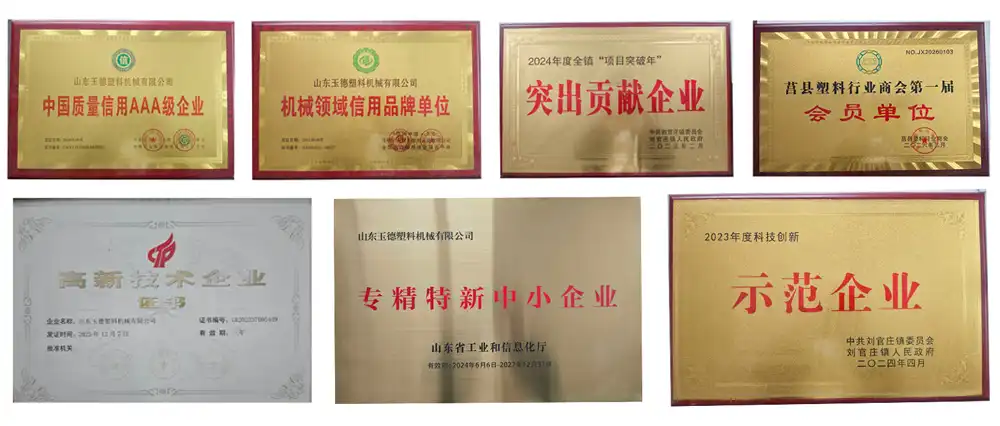
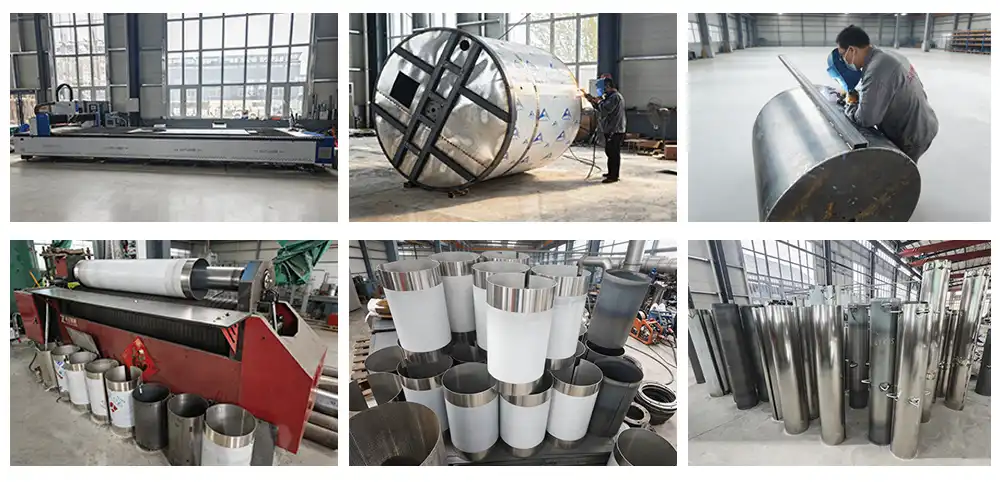
Yude Plastic Machinery is an expert at designing and building vertical mixing systems that meet the exact needs of PE makers around the world. Our equipment includes 300 kg pilot units and 10-ton production-scale mixers. All of them are made with SUS304 tanks and precisely balanced drive trains that keep working in harsh industrial settings. International purchasing teams can get help from us by getting expert advice in multiple languages, having tools configured in a way that meets regional safety standards, and getting full after-sales service from our 7x24 support infrastructure.
We know the problems you're having with your business because we have installations in more than 30 countries and work with companies that make HDPE pipes, LDPE films, and specialty compounds. Our engineering team can find the best mixing conditions for your specific formulations, and our competitive prices, which are made possible by our ability to produce on a larger scale, make us a great choice for procurement managers on a budget. We can help you find a PE plastic particle mixer supplier for a new facility or to upgrade old equipment. Our technical knowledge and dedication to service turn one-time purchases into long-term partnerships. Email our team at sales@yudemachinery.com to talk about your blending needs and get a detailed technical proposal that fits your production goals.
References
- Johnson, M. R., & Peterson, L. K. (2021). Industrial Mixing Technology for Thermoplastic Processing. Manufacturing Engineering Press.
- Chen, W., & Rodriguez, A. (2020). Optimization of Vertical Conical Mixer Design for Polyethylene Pellet Homogenization. Journal of Polymer Processing Technology, 45(3), 287-301.
- European Committee for Standardization. (2019). Safety of Machinery - General Principles for Design - Risk Assessment and Risk Reduction (EN ISO 12100:2019).
- Thompson, D. S. (2022). Energy Efficiency in Plastics Manufacturing Equipment: A Practical Guide. Industrial Press Inc.
- American Society for Testing and Materials. (2020). Standard Specification for Polyethylene (PE) Plastic Pipe (DR-PR) Based on Controlled Outside Diameter (ASTM D3035-20).
- Patel, R., & Nakamura, H. (2021). Statistical Methods for Evaluating Mixture Homogeneity in Particulate Solid Blending Operations. Powder Technology Quarterly, 18(2), 112-128.
Learn about our latest products and discounts through SMS or email