- English
- French
- German
- Portuguese
- Spanish
- Russian
- Japanese
- Korean
- Arabic
- Greek
- German
- Turkish
- Italian
- Danish
- Romanian
- Indonesian
- Czech
- Afrikaans
- Swedish
- Polish
- Basque
- Catalan
- Esperanto
- Hindi
- Lao
- Albanian
- Amharic
- Armenian
- Azerbaijani
- Belarusian
- Bengali
- Bosnian
- Bulgarian
- Cebuano
- Chichewa
- Corsican
- Croatian
- Dutch
- Estonian
- Filipino
- Finnish
- Frisian
- Galician
- Georgian
- Gujarati
- Haitian
- Hausa
- Hawaiian
- Hebrew
- Hmong
- Hungarian
- Icelandic
- Igbo
- Javanese
- Kannada
- Kazakh
- Khmer
- Kurdish
- Kyrgyz
- Latin
- Latvian
- Lithuanian
- Luxembou..
- Macedonian
- Malagasy
- Malay
- Malayalam
- Maltese
- Maori
- Marathi
- Mongolian
- Burmese
- Nepali
- Norwegian
- Pashto
- Persian
- Punjabi
- Serbian
- Sesotho
- Sinhala
- Slovak
- Slovenian
- Somali
- Samoan
- Scots Gaelic
- Shona
- Sindhi
- Sundanese
- Swahili
- Tajik
- Tamil
- Telugu
- Thai
- Ukrainian
- Urdu
- Uzbek
- Vietnamese
- Welsh
- Xhosa
- Yiddish
- Yoruba
- Zulu
Is a spiral mixer better?
Answering the question "Is a spiral mixer better?" when looking at mixing tools for plastic processing relies on the type of material you are working with and your production goals. A single spiral plastic particle mixer is often the best choice for companies that work with pelletized plastics like PE, PP, ABS, and PVC. This machine mixes evenly more than 98% of the time, breaks down particles very little, and can handle batches from 300 kg to 10 tons. The vertical spiral design is different from horizontal paddle or ribbon blenders because it creates a fountain-like circulation pattern that lifts materials gently from the bottom to the top. This makes sure that the materials are mixed evenly without making too much heat or dust, which are important for keeping the pellets' integrity during injection molding and extrusion processes.
Spiral Mixers: What Makes a Single Spiral Plastic Particle Mixer Unique?
Core Design Architecture and Operating Mechanics
The single spiral plastic particle mixer has a conical cylinder that is angled vertically and has an Archimedes-style screw blade in the middle of it. A high-efficiency mixing structure with a single screw is used in this design to make sure that materials move smoothly along a known flow path. It is managed that the helical ribbon spins at speeds of 30 to 60 r/min. This causes plastic granules to rise along the room walls from the cone's base. At the top, the materials are spread out in a fountain shape and fall downhill due to gravity, while new pellets keep entering the rising cycle.
This system is very different from high-shear rotor systems or horizontal drum tumblers. Plastic pellets like PE, PP, ABS, and PVC can be mixed and stirred in the vertical design without being ground down by the forces that happen in twin-screw designs. The power setup includes an asynchronous three-phase motor that is matched to the mass needs and a heavy-duty gear reducer that keeps the machine running smoothly even when it's fully loaded.
Material Construction and Durability Features
Modern spiral mixers have barrels made of Q235 carbon steel with an anti-stick covering on the inside walls. This keeps materials from sticking together when changing colors. When working with rough materials like glass fibers or mineral fillers, screw blades that don't wear out quickly make the machine last a lot longer. Because they are well-built and carefully designed, these mixers can keep mixing evenly at 98% or higher for thousands of rounds. This meets the reliability needs that procurement specialists look for when they consider long-term equipment purchases.
Comparing Single Spiral Mixers with Other Mixing Technologies
Single Spiral Versus Double Spiral Configurations
Counter-rotating screws in double spiral systems speed up the mixing process but make it more complicated. Even though they cut cycle times by 20–30%, the extra mechanical parts make upkeep more difficult and raise the cost of the initial investment. For regular pellet blends, single spiral units achieve similar homogeneity within 15 to 25 minutes. They are easier to maintain and use less energy—about 30% less power than dual-screw options at the same flow levels.
Paddle Mixers and Ribbon Blenders in Plastic Processing
When working with pelletized materials that have different mass densities, paddle mixers have trouble bridging. They work best with powders that flow easily. Their horizontal position takes up more floor room and makes the release process more difficult. Ribbon blenders work gently, so they're good for mixing in fragile ingredients, but they don't create the vertical convection currents that spiral designs do. This makes them less useful for spreading concentrated masterbatches through base resin pellets, which is often needed to make internal parts for cars where colorimetric uniformity can't handle differences between batches.
Energy Efficiency and Throughput Metrics
Twin screw extruders can process continuously, but they use a lot more power, which creates frictional heat that can turn on stabilizers too early or break down temperature-sensitive chemicals. Batch-style single spiral plastic particle mixers work with materials at temperatures close to room temperature, keeping the additives' useful properties while using 60–70% less energy per kilogram of mixed material. When working with recovered content, where thermal history is already getting close to breaking down limits for materials, this benefit becomes very important.
Advantages and Applications of Single Spiral Plastic Particle Mixers
Here are the main benefits that are pushing polymer production industries to adopt them:
Uniform Particle Distribution with Minimal Degradation: The gentle lifting action stops pellet breaking and static buildup, which are problems that often happen with high-speed propeller designs. We have seen fault rates drop by more than 40% when clients switch from paddle systems to spiral setups. This is especially true in clear ABS applications where even small particle damage shows up as flaws.
Energy-Efficient Operation Across Batch Sizes: The effective volume can be changed based on the model specs. This lets facilities properly size their equipment so that they don't waste energy running single spiral plastic particle mixers that are too big for their jobs. A 2-ton unit that works with 1.5-ton amounts stays as efficient as fixed-volume ribbon blenders that need to carefully handle their loads.
Less chance of contamination during material changes: the split bearing assembly design uses mechanical seals or air-purge systems to keep bearings away from mixing tanks. This stops fine powder from getting in, which is a problem that keeps happening in older designs and causes bearing seizure. The clean-out door at the spiral base and polished inner surfaces make it easy to change colors quickly, which is very important for contract makers who have to meet the needs of a wide range of customers.
These benefits can be used right away in the workplace. When injection molders mix new PP with 1% to 3% color masterbatch, they get consistent color from lot to lot, which means they don't have to do as much expensive redo when the color doesn't spread out enough. Recycling centers mix used HDPE flakes with new pellets to even out differences in bulk density. This keeps melt flow index data stable during extrusion runs. Manufacturers of PVC pipes that use calcium carbonate fillers and stabilizers keep the additive content stable over long production runs. This is directly linked to reliable burst pressure ratings in finished products.
How to Choose the Best Single Spiral Plastic Particle Mixer for Your Business?
Evaluating Process-Specific Requirements
Batch number is the main factor used for selection. Facilities that process 500 kg lots every 30 minutes need different standards than those that process 5 tons twice a day. The features of the tools are also determined by the qualities of the materials. For example, free-flowing virgin pellets need less rough mixing than irregular regrind flakes that are prone to static electricity. Mixing speed choices balance cycle time and energy costs, and drive systems that can be changed allow for both quick return and long, gentle blending for recipes that are sensitive to shear.
Critical Supplier Evaluation Factors
Energy efficiency ratings and written records of how much power is used allow for accurate estimates of running costs. Options for modular customization, such as multilingual control interfaces, explosion-proof electrical packages for handling flammable materials, and built-in dust collecting ports, affect both the original investment and the machine's ability to adapt in the long term. Supplier assistance goes beyond installation and includes training for operators, making sure there are extra parts on hand, and offering expert advice for changes to the formulation.
Maintenance Protocols and Uptime Maximization
As single spiral plastic particle mixer of routine maintenance, the seals' strength is checked, the temperatures of the bearings are tracked, and the wear patterns on the screw blades are looked at. Quality units have access doors that don't need to be used with tools and screws that can be rotated in both directions to remove dust. This cuts down on downtime during preventive maintenance. Following safety rules, such as lockout-tagout processes and emergency stop systems, keeps people safe and meets insurance and government requirements that procurement specialists must check before approving equipment.
When you take these things into account, you can confidently choose tools. A facility that plans to be open 24 hours a day, seven days a week needs different durability standards than a research lab that only runs small experimental batches every once in a while. For example, abrasive glass-fiber materials need hard-faced screws, which would be too much engineering for normal masterbatch mixing.
Procurement Guide: Where and How to Buy Single Spiral Plastic Particle Mixers
Identifying Reputable Manufacturers and Distribution Networks
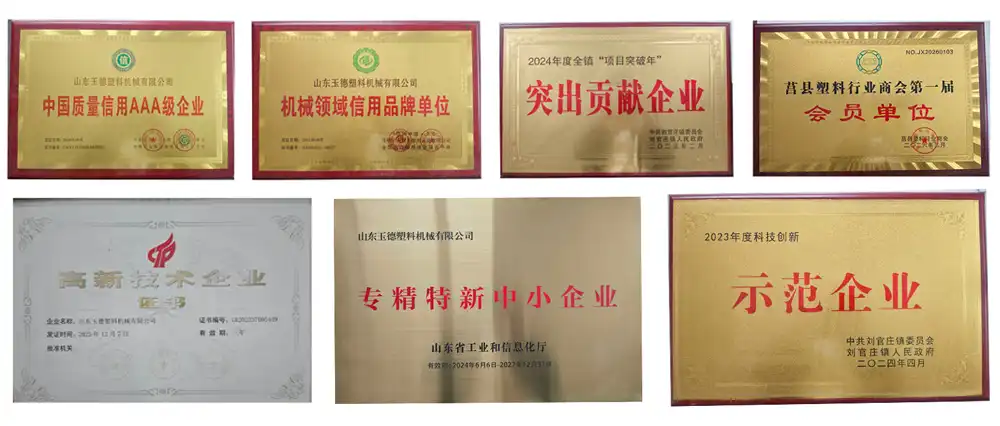
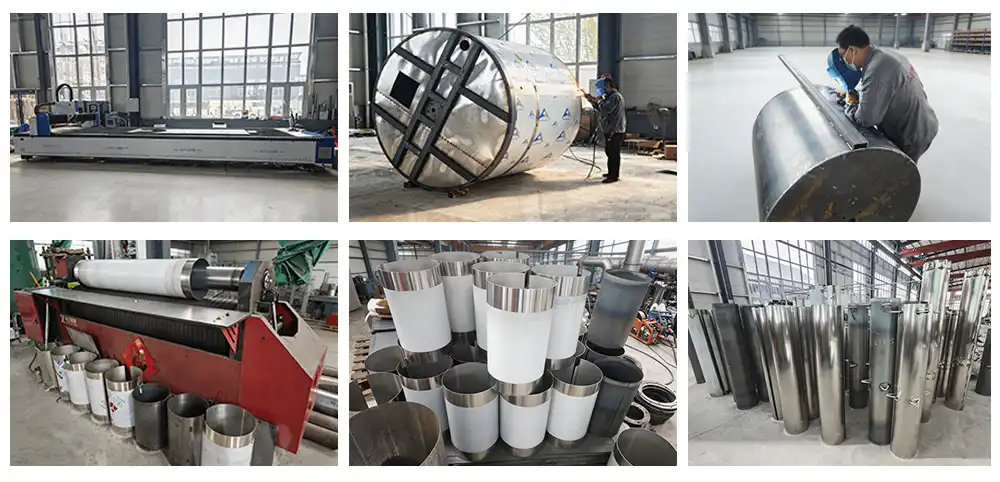
Reliable makers have output capabilities that can be checked, quality certifications, and a history of satisfied customers in your business. Shandong Yude Plastic Machinery Co., Ltd. fits this profile because they have all the tools they need to make things and use standard methods for everything, from cutting parts to putting them together. Their equipment is used by manufacturing companies in Southeast Asia, the Middle East, Europe, and South America. These are all areas with strict performance standards and rules that must be followed.
Pricing Transparency and Value Assessment
Clear price separates the costs of single spiral plastic particle mixers, installation, and extra features, which helps you plan your budget more accurately. Bulk order benefits show up when facilities stick to a single provider, which helps with managing spare parts supplies and getting technicians familiar with the system. The total cost of ownership is affected by customization options more than just the initial purchase price. These options include making changes to tools that meet local electricity codes and setting up motors in a way that is specific to the tonnage.
Warranty Terms and After-Sales Support Infrastructure
Having a full guarantee that covers mechanical parts, electrical systems, and wear items for set amounts of time lowers the risk of putting together new equipment. When production problems happen outside of normal business hours, the 7x24 support systems that top providers keep up are very helpful. The service network at Yude Plastic Machinery, which includes 24 hour local reaction and coordinated foreign service partnerships, is a good example of the kind of help that B2B procurement teams should need. Their customer file management system keeps track of service records and equipment information, so things stay the same even when people in buying organizations change jobs.
When you negotiate service level agreements with your suppliers that spell out response times, technician skills, and promises of parts availability, your relationships with them go from being transactional to being strategic partnerships. This method works especially well for project procurement leads who are in charge of installing capital equipment and downtime directly impacts when the contract is due.
Conclusion
To figure out if a spiral mixer is better for your business, you need to compare the equipment's skills to the facts of production. When mixing pellets, single spiral plastic particle mixers are very helpful because they keep the material's purity, use energy efficiently, and mix the pellets evenly, all of which affect the quality of the final product. Their strong construction, upright design, and gentle convection currents solve the problems that injection molders, recyclers, and extrusion operations face every day.
The choice process is based on batch characteristics, throughput needs, and source dependability, not just the cost of the equipment. As global supply chains call for tighter quality control and faster changeovers, spiral mixing technology has been shown to keep pellets' structure while keeping them 98% or more uniform. This makes it the best choice for procurement teams that want to ensure long-term operational success and manufacturing competitiveness.
FAQs
What prevents bearing failure from powder infiltration?
Separated bearing systems with special dust seals—mechanical seals or air-purge configurations—at shaft penetrations are used in high-quality mixers. Fine particles can't get into the bearing races because of this separation. This is a common way for designs that don't have good seals to fail. All of Yude Plastic Machinery's products have this protected structure built into them.
How quickly does a 1-ton batch reach uniformity?
With standard granule-to-granule mixing, it takes about 15 minutes to get everything to the same consistency. Formulations with fine chemical powders need twenty to twenty-five minutes to make sure they are fully mixed and adhere. Actual cycle times depend on the changes in material bulk density and the amount of dispersion that is needed.
Can these mixers also dry materials?
A lot of them are a mix of a dryer and a mixer, with heating elements and vent fans that move hot air through the materials while they are being mixed. This two-in-one feature successfully gets rid of surface moisture while blending, which speeds up process steps in places with limited floor room.
What kind of care makes screw blades last longer?
Standard stainless steel screws last between 5 and 10 years, depending on how rough the material is. Glass-fiber strengthened metals wear out much faster, so screws with a hard face or a coating are best. Damage to barrel coats can be stopped by checking blade edges often and replacing old parts right away.
Partner with Yude Plastic Machinery for Superior Mixing Solutions
Yude Plastic Machinery is ready to help you evaluate your equipment with the technical know-how it has gained from working with thousands of clients in the United States and other countries. Our line of single spiral plastic particle mixers has sizes ranging from 300 kg to 10 tons. They are made using standard methods that guarantee uniform quality. As a well-known provider of plastic particle mixers, we keep full production facilities that allow for quick shipping and customization based on your needs.
When you contact us, our technical team will get back to you within hours and will help you with application analysis, capacity estimates, and integration in a way that works for your production setting. You can email us at sales@yudemachinery.com to talk about your mixing needs, get full specs, or set up a demonstration of our equipment. We sell single spiral plastic particle mixers that can be used on their own or as part of fully-integrated processing lines. We offer full support from the initial consultation to installation and ongoing service to make sure that your investment pays off in the form of better product consistency and increased operational efficiency.
References
- Crawford, R.J. & Throne, J.L. (2002). Rotational Molding Technology. William Andrew Publishing.
- Rauwendaal, C. (2014). Polymer Mixing: A Self-Study Guide. Hanser Publications.
- Tadmor, Z. & Gogos, C.G. (2006). Principles of Polymer Processing (2nd ed.). John Wiley & Sons.
- White, J.L. & Kim, E.K. (2010). Twin Screw Extrusion: Technology and Principles (2nd ed.). Hanser Publications.
- Butters, G. (1991). Particulate Nature of PVC: Formation, Properties, Processing and Performance. Applied Science Publishers.
- Manas-Zloczower, I. (2009). Mixing and Compounding of Polymers: Theory and Practice (2nd ed.). Hanser Publications.
Learn about our latest products and discounts through SMS or email