- English
- French
- German
- Portuguese
- Spanish
- Russian
- Japanese
- Korean
- Arabic
- Greek
- German
- Turkish
- Italian
- Danish
- Romanian
- Indonesian
- Czech
- Afrikaans
- Swedish
- Polish
- Basque
- Catalan
- Esperanto
- Hindi
- Lao
- Albanian
- Amharic
- Armenian
- Azerbaijani
- Belarusian
- Bengali
- Bosnian
- Bulgarian
- Cebuano
- Chichewa
- Corsican
- Croatian
- Dutch
- Estonian
- Filipino
- Finnish
- Frisian
- Galician
- Georgian
- Gujarati
- Haitian
- Hausa
- Hawaiian
- Hebrew
- Hmong
- Hungarian
- Icelandic
- Igbo
- Javanese
- Kannada
- Kazakh
- Khmer
- Kurdish
- Kyrgyz
- Latin
- Latvian
- Lithuanian
- Luxembou..
- Macedonian
- Malagasy
- Malay
- Malayalam
- Maltese
- Maori
- Marathi
- Mongolian
- Burmese
- Nepali
- Norwegian
- Pashto
- Persian
- Punjabi
- Serbian
- Sesotho
- Sinhala
- Slovak
- Slovenian
- Somali
- Samoan
- Scots Gaelic
- Shona
- Sindhi
- Sundanese
- Swahili
- Tajik
- Tamil
- Telugu
- Thai
- Ukrainian
- Urdu
- Uzbek
- Vietnamese
- Welsh
- Xhosa
- Yiddish
- Yoruba
- Zulu
Horizontal Mixer or Spiral Mixer: Which is Right for You?
When you need to choose plastic pellet mixing tools, it can be hard to decide between horizontal mixers and single spiral plastic particle mixers. As someone who has worked with sourcing teams in injection molding shops, extrusion facilities, and compounding operations for years, I know that this choice has a direct effect on the consistency of production, energy bills, and maintenance plans. The single spiral plastic particle mixer is positioned vertically and gently lifts the particles. Horizontal mixers, on the other hand, mix batches thoroughly using paddle or ribbon mechanisms. To get the most out of your investment and avoid expensive repairs later on, you need to know which technology fits your material properties, floor space, and throughput goals.
Horizontal Mixers and Single Spiral Plastic Particle Mixers
Although both types of mixers do the same basic job of mixing plastic resins, color masterbatches, fillers, and regrind, they do it in very different ways. Horizontal mixers usually have a trough that is shaped like a cylinder or a U, and they have spinning paddles or bands that move material side to side. This design works really well in high-shear situations where small additives need to be quickly mixed into pellets. Horizontal mixers are often used for combining tasks that involve calcium carbonate fillers, stabilizers, or impact modifiers. This is because their rough mechanical action breaks up clumps and makes sure that the material is evenly distributed.
Core Characteristics of Horizontal Mixers
Horizontal mixers work by spinning things through ribbon flights or paddle arrangements that meet. The mixing room is parallel to the floor, which means it takes up a lot of space but makes it easy to clean out and check. Wave lengths are usually between eight and fifteen minutes, and batch sizes run from 100 kg to several tons. These machines are good at working with materials that have a high density, and they can fit hot jackets that lower the moisture level during the mixing process.
What Defines a Single Spiral Plastic Particle Mixer?
A single spiral plastic particle mixer has a vertical barrel that is either shaped like a cone or a cylinder and has a helix screw auger attached to the middle shaft. The screw moves slowly, usually 30 to 60 times per minute, and moves pellets from the bottom of the tank to the top distribution zone. Then, gravity pulls the material down along the smooth inner walls, making a design that moves like a river. This slow, gentle movement mixes evenly more than 98% of the time without making too much heat or breaking up fragile pellets. Because it is upright, it takes up less floor room, which makes it perfect for places that don't have a lot of space.
Benefits and Limitations of Each Type
Single spiral plastic particle mixers save floor room and money on energy costs because the flow is slower and more efficient. The gentle pulling action cuts down on dust production and pellet breakage, which is very important when working with chemicals that are clear or sensitive to light. Some problems with them are that they have slightly longer cycle times than horizontal units and they don't work as well with very fine powders that might not flow easily under gravity. When small bits get into the lower shaft seal, they can cause it to wear out faster than it should.
Comparing Single Spiral Mixers with Horizontal Mixers: Efficiency, Energy, and Performance
To support capital expenditures and predict total cost of ownership, procurement engineers often ask for side-by-side comparisons of operational data. The amount of energy used is a big variable. With paddle speeds between 60 and 120 spins per minute, horizontal mixers need more motor power to get past material resistance and mechanical friction. A standard horizontal mixer that can handle 1,000 kilograms may need 15 to 22 kilowatts of power for each batch run. A single spiral plastic particle mixer, on the other hand, has the same capacity but only spins 30 to 60 times per minute, using only 7 to 11 kilowatts of power for the same amount of work. This means that over constant production shifts, the energy costs are 40% less.
Mixing Mechanisms and Uniformity
Horizontal mixers make the mixture uniform by cutting through layers of material with paddles that use shear and impact forces. This mechanical energy makes sure that the particles spread out quickly, but it can also cause hot spots in certain areas, especially when heat-sensitive additives are mixed in. Gravitational flow and repeated lifting processes are what make single spiral plastic particle mixers work. This makes the temperature profile of the whole lot more even. Independent lab tests show that spiral mixers regularly achieve uniformity of 98% or more within 15 to 25 minutes, achieving strict quality standards for medical and automobile uses.
Throughput Capacity and Maintenance Demands
When speed is important, horizontal mixers can finish batch runs in eight to twelve minutes, which means they can produce more per hour. Single spiral plastic particle mixers need 15 to 25 minutes for each batch, but this longer cycle time is usually fine for tasks that value gentle handling over pure volume.
Maintenance for horizontal units includes replacing ribbon flights, shaft bearings, and seals on a regular basis. Cleanout doors make this easy to do. Spiral mixers have fewer working parts, which means they need less upkeep. Screw blades and lower shaft seals are the main parts that wear out. Both are made to last a long time, usually five to ten years under normal working conditions.
Common Operational Challenges
Material bridging can happen in horizontal mixers when they handle pieces with a lot of static electricity, which needs to be fixed by hand or with mechanical help. Very fine powders that stick to the barrel walls can be a problem for single spiral plastic particle mixers, but current anti-stick coats make this less of a problem. Both types benefit from regular inspections that check the temperatures of the bearings, the amount of oil in the gearbox, and the electrical links to avoid unplanned downtime.
Procurement Insights: Where and How to Secure Your Ideal Mixer
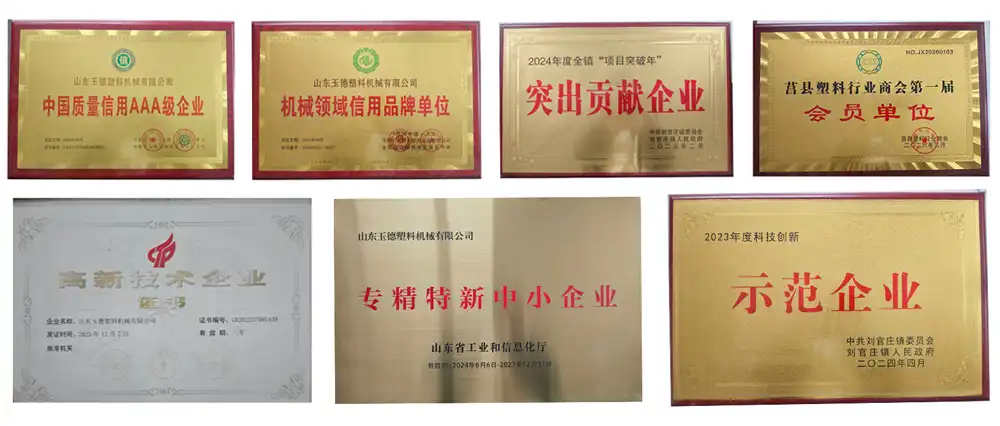
When looking for a mixer around the world, you need to pay attention to the qualifications of the manufacturers, the lead times, and the support systems that are in place after the purchase. Direct factory sourcing from well-known makers is often the best way to get the best product at the best price. Shandong Yude Plastic Machinery is a professional company that both makes and sells things. They have single spiral plastic particle mixers with capacities from 300 kg to 10 tons, as well as stainless steel and color mixing options. They have an after-sales care system that is open 24 hours a day, seven days a week, and they already export to Southeast Asia, the Middle East, Europe, and South America. This shows that they have the infrastructure to help foreign B2B clients.
Evaluating Manufacturers and Brands
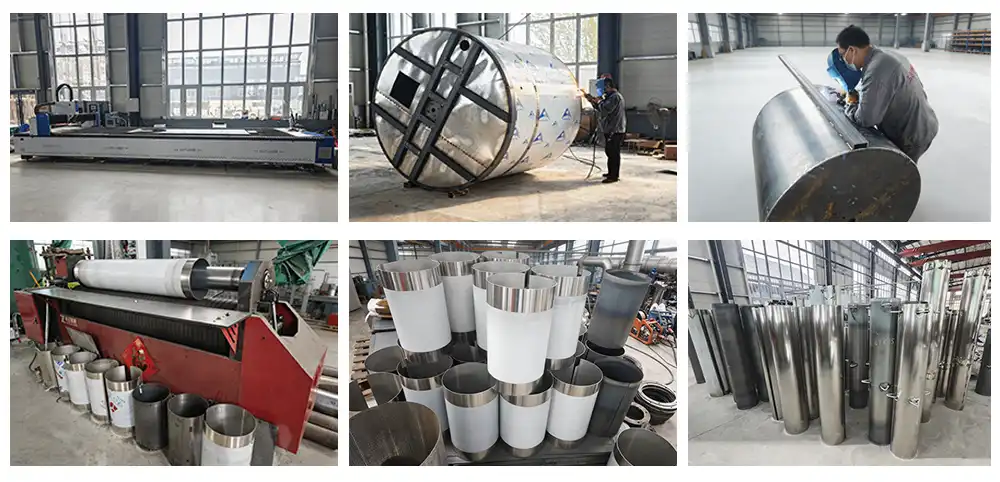
Check out more than just price quotes to see how well they can produce and control quality. When manufacturers use uniform production methods, from cutting out parts to putting them together, the equipment works better every time. Ask for written proof of the quality inspection procedures that cover checking arriving raw materials, checking work in progress, and making sure everything is okay before delivery. Companies with their own technical research and development teams can quickly change designs to meet non-standard needs, like motor housings that won't explode or materials that won't rust in seaside areas.
Pricing, Lead Times, and Buying Channels
Single spiral plastic particle mixers for sale usually cost between $5,000 and $35,000. The price depends on the volume, the building materials, and the amount of automation. The least expensive models have Q235 carbon steel barrels and manual discharge valves. The most expensive models are made of stainless steel and have programmable logic controls and automatic weighing systems. For stock setups, lead times range from four to ten weeks. For custom-engineered options, they range from twelve to sixteen weeks. When you buy directly from the factory, you don't have to pay the markups that distributors charge, but you do have to be careful about export paperwork, shipping operations, and customs compliance.
After-Sales Service and Supplier Vetting
Long-term equipment dependability is affected by installation support, operator training, and preventative maintenance plans in a big way. On-site setup services from suppliers make sure that the machine is properly aligned, oiled, and wired, which lowers the risk of it breaking down too soon. Make sure that makers keep customer file management systems to keep track of serial numbers, service records, and when to replace wear parts. This makes it possible to plan preventative upkeep and quickly fix technology problems.
Conclusion
Choosing between horizontal mixers and single spiral plastic particle mixers depends on how much flow you need, how much energy you want to save, how much floor room you have, and how much material you need to move. Horizontal mixers are best for high-shear mixing and quick batch cycles. Vertical spiral mixers, on the other hand, blend ingredients gently and efficiently, leaving little waste and pellets behind. Procurement teams can make sure that the mixer they choose fits with operational and financial goals by carefully considering things like space limitations, the amount of capacity needed, and long-term upkeep needs. Partnering with well-known makers that offer strong after-sales support and the ability to customize makes it even more likely that investments in equipment will continue to pay off as production settings change.
Partner with a Trusted Single Spiral Plastic Particle Mixer Manufacturer
Yude Plastic Machinery designs and builds single spiral plastic particle mixers with capacities ranging from 300 kg to 10 tons. These mixers are used in injection molding facilities, extrusion lines, and compounding processes all over the world for precise mixing. Our equipment has single-screw high-efficiency designs that make mixing more even than 98% of the time. It is made of Q235 carbon steel and has anti-stick coats and wear-resistant parts that make it last longer. Our mixers work well in applications like plastic granulation, film blowing, and color mixing because they have three-phase asynchronous motors that are matched to the mass needs and heavy-duty gear reducers that make sure the spin is solid.
To talk about your material mixing needs, get full specs, or set up a demonstration, please email our procurement experts at sales@yudemachinery.com. Find out how working with a specialized single spiral plastic particle mixer provider can help you make your production more efficient, cut down on energy costs, and improve the quality of your products in today's global supply chains.
FAQ
What are the primary advantages of single spiral plastic particle mixers in pellet blending?
Single spiral plastic particle mixers mix materials gently and low-shear, which keeps pellets whole and reduces the amount of dust that is made. The vertical form saves floor room and makes it easier to arrange the building. Due to slower spinning speeds, they usually use 40% less energy than horizontal mixers. This saves a lot of money over continuous work shifts. When mixing accuracy is more than 98%, it meets strict quality standards for medical- and automotive-grade uses.
How often should I perform maintenance to avoid production disruptions?
Checking the electrical connections, motor bearings, and lubricant of the gears once a week keeps small problems from getting worse. Cleaning the inside surfaces once a month and checking the shaft seals every month keep the performance at its best. Long-term dependability is ensured by overhauls that happen once a year and include replacing bearings and recalibrating parts. Under normal conditions, stainless steel screw blades should last between five and ten years. However, materials that are very rough may need to be replaced more often.
Can single spiral mixers handle diverse plastic pellet types effectively?
Yes, single spiral mixers can handle pellets made of PE, PP, ABS, and PVC, as well as color masterbatches and regrind. The fountain-like movement pattern makes sure that the material is spread out evenly, even if the bulk density is different. Screw blades that don't wear out and finishes that don't stick make tools last longer for a wider range of materials. Hard-faced screws are suggested for highly abrasive glass-fiber reinforced materials to keep up performance and shorten the time between repair visits.
References
1. Johnson, M. & Chen, L. (2021). Comparative Analysis of Mixing Technologies in Polymer Processing. Industrial Machinery Press.
2. Smith, R. T. (2020). Energy Efficiency in Plastic Compounding Equipment: A Procurement Guide. Manufacturing Technology Publications.
3. Zhao, W. & Patel, S. (2022). Vertical vs. Horizontal Mixing Systems: Performance Metrics for B2B Buyers. Journal of Plastics Engineering, 78(4), 112-128.
4. Thompson, K. (2019). Maintenance Strategies for Industrial Mixing Equipment. Equipment Reliability Institute.
5. Garcia, A. & Liu, H. (2023). Global Supply Chain Management for Plastic Processing Machinery. International Trade Press.
6. Williams, D. (2020). Cost-Benefit Analysis of Mixing Technologies in Pellet Processing Operations. Polymer Production Quarterly, 15(2), 45-61.
Learn about our latest products and discounts through SMS or email