- English
- French
- German
- Portuguese
- Spanish
- Russian
- Japanese
- Korean
- Arabic
- Greek
- German
- Turkish
- Italian
- Danish
- Romanian
- Indonesian
- Czech
- Afrikaans
- Swedish
- Polish
- Basque
- Catalan
- Esperanto
- Hindi
- Lao
- Albanian
- Amharic
- Armenian
- Azerbaijani
- Belarusian
- Bengali
- Bosnian
- Bulgarian
- Cebuano
- Chichewa
- Corsican
- Croatian
- Dutch
- Estonian
- Filipino
- Finnish
- Frisian
- Galician
- Georgian
- Gujarati
- Haitian
- Hausa
- Hawaiian
- Hebrew
- Hmong
- Hungarian
- Icelandic
- Igbo
- Javanese
- Kannada
- Kazakh
- Khmer
- Kurdish
- Kyrgyz
- Latin
- Latvian
- Lithuanian
- Luxembou..
- Macedonian
- Malagasy
- Malay
- Malayalam
- Maltese
- Maori
- Marathi
- Mongolian
- Burmese
- Nepali
- Norwegian
- Pashto
- Persian
- Punjabi
- Serbian
- Sesotho
- Sinhala
- Slovak
- Slovenian
- Somali
- Samoan
- Scots Gaelic
- Shona
- Sindhi
- Sundanese
- Swahili
- Tajik
- Tamil
- Telugu
- Thai
- Ukrainian
- Urdu
- Uzbek
- Vietnamese
- Welsh
- Xhosa
- Yiddish
- Yoruba
- Zulu
Industrial PE Plastic Particle Mixer for Granulation Production
The PE plastic particle mixer is an important piece of machinery in modern polymer processing facilities because it makes it possible to make uniform, high-quality plastic pellets. Before going into the extrusion or molding process, these specialized mixing tools make sure that the polyethylene pellets, chemicals, color masterbatches, and stabilizers are all mixed evenly. Color streaking, inconsistent melt flow, and structural flaws in final products are all expensive problems that makers have to deal with when they don't mix their materials properly. When purchasing engineers and sourcing managers look at tools for granulation lines, they need to know about the technical features and operating benefits of these mixers in order to keep up output standards and stay competitive in today's tough business world.
Working Principle and Types of PE Plastic Particle Mixers
A PE plastic particle mixer works by mechanically stirring the granules so that they move in convective and diffusive ways. The machine usually has a cylinder- or cone-shaped room where spinning paddles, ribbons, or screws lift and fold the material over and over again until it is evenly distributed. Most industrial mixers have two different functions. The main agitator moves the bulk, and secondary parts break up groups and make sure that small parts like UV protectors or slip agents are evenly distributed.
Core Components and Mechanical Architecture
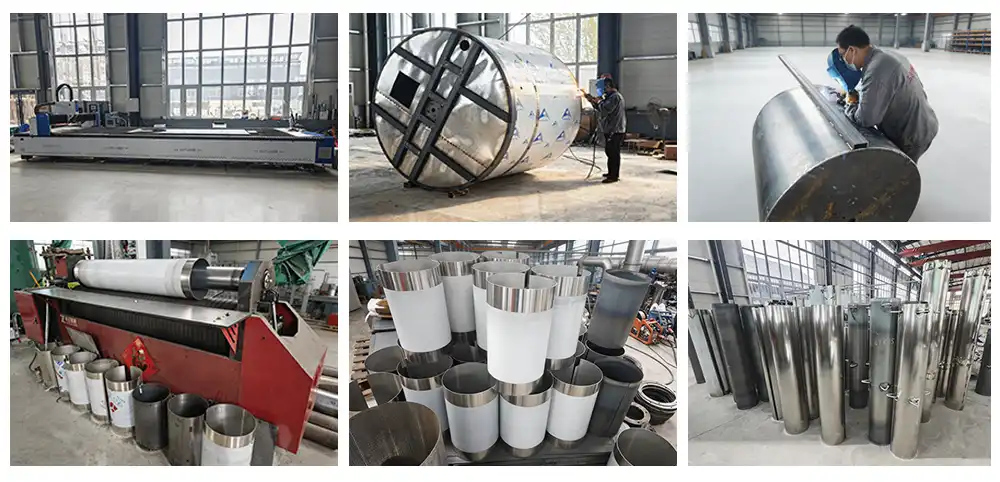
Modern mixing units have drive shafts that are precisely balanced and placed on external bearings. This keeps dust from getting into important parts. The mixing box is made of SUS304 or SUS316 stainless steel, and the inside is cleaned to a finish of Ra ≤ 0.4µm. This keeps materials from sticking and makes switching between production runs quick. High-torque motors with varying frequency drives let workers change the speed of rotation between 300 and 800 RPM, which lets them fit the amount of agitation to the properties of the material. Positive pressure barriers made by air-purged shaft seals keep small particles away from bearing housings, greatly extending the time between maintenance visits.
Mixer Classification and Application Suitability
Large amounts (600 kg to 10 tons) are no problem for vertical screw mixers. This makes them perfect for high-volume pipe extrusion jobs that only need to blend colors. Their small size makes them good for places with limited floor room. Horizontal ribbon mixers have a soft tumbling action that works well for adding sensitive ingredients and blending at low percentages (below 1%), which is common in film production where keeping the purity of the material is important. Higher shear forces are created by paddle-type mixers, which are good for adding viscous liquid ingredients or getting fast cycle times when preparing material for injection molding. Small units that can hold between 300 kg and 500 kg are used by research labs and companies that make specialty products that need to be able to adapt to different formulas.
Benefits and Advantages of Using Industrial PE Plastic Particle Mixers
Using professional-grade mixing tools leads to measurable gains in a number of areas of performance. Material uniformity has a direct effect on the stability of downstream processes and the properties of the finished product. Higher working efficiency leads to lower costs per unit of production. Safety improvements keep people safe, and following the right upkeep procedures makes sure that technology works well for many years.
Enhanced Material Uniformity and Product Consistency
Achieving mixing regularity of 98% or more stops resin-rich and additive-rich zones from forming within pellet batches. This uniformity is especially important when extruding HDPE pipes, because uneven carbon black distribution makes UV-vulnerable weak spots that weaken the structure over time. When LDPE film is blown at speeds higher than 200 meters per minute, even small agglomerates show up as flaws known as "fisheyes" that cause expensive web breaks and production stops. Vertical PE plastic particle mixers made just for polyethylene solve these problems by using spiral mixing structures that are designed for the density and flow properties of PE pellets. This keeps the materials from sticking together and separating.
Production Efficiency and Cost Reduction
Changeover downtime is kept to a minimum by equipment with quick release systems and easy-clean features. Color changes from black to natural white can happen in 15 to 20 minutes instead of hours with mixers that have tool-less deflector cone removal and air-purge systems. This flexibility lets makers make smaller batches at a lower cost, which means they don't have to keep as much raw material on hand. Energy-efficient IE3/IE4-rated motors that meet international standards use less electricity during operation, and wear-resistant internal parts extend the time between replacements and lower the cost of extra parts.
Safety Features and Maintenance Protocols
Modern units have many safety interlocks that keep people from getting into the room while it's running, which is required by CE approval. When an emergency stop device is activated, it stops all motion in two seconds. As part of the planned maintenance, the PTFE shaft seals are checked every month, and the drive belt tightness and bearing state are checked every three months. Facilities that work with rough materials like glass-fiber-reinforced grades can benefit from better air-purged seal designs that stop particles from getting in at all. This stops premature bearing failure that used to cause unplanned downtime.
Diverse Industrial Applications
These mixers are used for more than just granulating. They have specific jobs in many different areas. Rotational molding relies on high-intensity fluidizing action to evenly coat pigment particles onto pulverized PE powder. This makes sure that the walls of big empty containers are all the same thickness and can withstand impacts. Compounding plants use them to mix new resins with recycled materials in exact amounts, which allows long-term use of materials without affecting their mechanical qualities. When making FDA-compliant formulations, medical device makers depend on their stainless design to keep materials clean.
Selecting the Right PE Plastic Particle Mixer: Comparison and Decision-Making
When making choices about what to buy, you have to compare tools to specific working needs, production numbers, and budget limits. When buyers compare different PE plastic particle mixer setups and learn about material compatibility issues, they can avoid expensive mistakes where equipment capabilities don't match up with real production needs.
Material-Specific Compatibility Considerations
PVC powder manufacturing tools are very different from PE mixing equipment. Polyethylene pellets need low to moderate shear forces to keep them from heating up through friction, which softens them too quickly. On the other hand, PVC powder needs high-speed turbo mixers that heat up through friction to mix the additives. When you use PVC-optimized equipment for PE applications, it uses too much energy and could damage the material. On the other hand, trying to process PE pellets in PVC mixers leads to bad spread and motor overload.
Automation Level and Labor Efficiency
Automated systems with programmable logic controls, automatic ingredient dosing, and combined material conveying cut down on the need for direct work and make it easier to repeat batches. These methods work well in places with a lot of traffic and three shifts that work nonstop. Manual loading setups have lower initial costs and are best for job shops that make a lot of small batches of custom formulas and value freedom over output. Hybrid designs that are partially automated are a middle ground. They automate major component feeds while still allowing human addition of unique additives.
Energy Consumption and Long-Term Durability
When you compare how many kilowatt-hours are used per kilogram of mixed material, you can see that the costs of running the equipment change a lot over its lifetime. When you buy high-quality motors with better agitator designs and higher efficiency ratings, you save money on energy costs over time, which often covers the difference in the initial purchase price within three years of operation. When testing for durability, the materials used for the parts should be looked at. For example, hardened steel shafts, strengthened paddle edges, and abrasion-resistant chamber liners will help the machine last longer in harsh production settings, which will lower the total cost of ownership.
Scalability and Facility Integration
Modular equipment designs that let capacity grow through parallel installs instead of full repair are good for businesses that are growing. It is not necessary to make expensive changes if the mixer output heights are matched to the current conveying systems and granulator infeed heights. Buyers should make sure that the electrical supply is compatible and that the building's power system can handle motor starting currents without the need for changes to the transformer.
Procurement Insights: Buying and Ordering Industrial PE Plastic Particle Mixers
To get things bought, you need to carefully consider each seller, communicate clear specifications, and negotiate terms that protect your interests during the delivery, installation, and commissioning parts of the equipment. Reviewing scientific information and verification of a PE plastic particle mixer manufacturer is essential for a successful transaction.
Supplier Verification and Specification Review
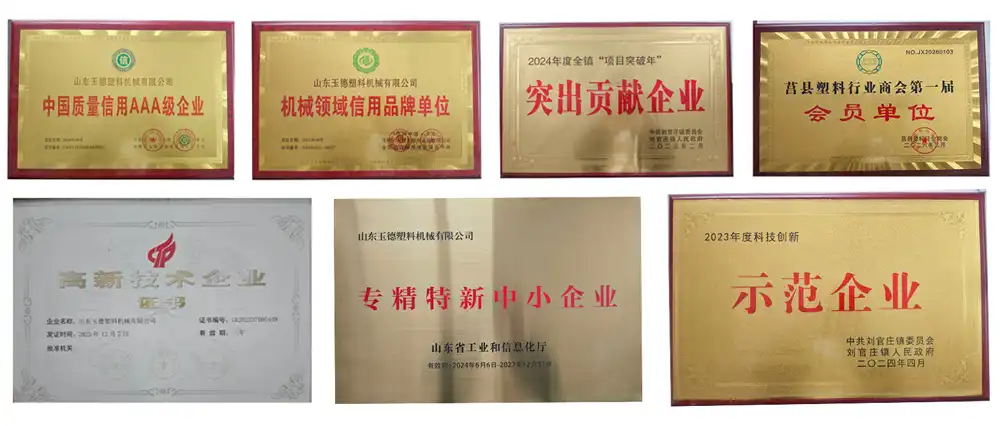
Manufacturers with a good reputation give out a lot of scientific information, like dimensional models, electrical schematics, and material certificates. Asking for examples from current customers who run similar production lines can give you an idea of how well the product works in real life and how quick the company is after the sale. Checking badges like ISO 9001 quality management compliance and CE marking on a product shows that it meets known manufacturing standards. Specification sheets should be very specific about the size of the mixing chamber, the motor's power level, the cycle time, and the type of discharge mechanism. This way, you can easily compare different offers.
Pricing Structure and Warranty Coverage
Optional features like hot air drying systems, automatic ingredient feeds, and better control interfaces are usually not included in the base price of equipment. Getting detailed quotes keeps people from getting confused about what parts are included. Standard warranties cover flaws in the way the product was made for 12 to 24 months, but buyers should make sure that they cover wear items like belts and seals. For remote installations where quick access to expert help is restricted, extended warranty choices or full service contracts may save you money.
Delivery Schedules and Installation Support
Lead times for normal setups are usually between 4 and 8 weeks, while lead times for custom units are between 10 and 14 weeks. Buyers should check with providers to see if they include installation control, help with start-up, and operator training in the purchase deal or if they charge extra for these services. Understanding the necessary exit paperwork, shipping processes, and import duty effects can help keep foreign deals from being slowed down or costing more than expected.
Conclusion
When choosing the right PE plastic particle mixer for making polyethylene granulation, you have to think about technical requirements, operating needs, and your budget. The right mixer ensures uniform mixing of materials, which helps keep the process stable further down the line. Its strong build and well-thought-out upkeep features also make it reliable over time. For procurement to go well, suppliers must be carefully evaluated, application needs must be clearly communicated, and post-sale assistance must be carefully considered. Demands for polymer processing are always changing, so working with flexible makers who offer both standard and unique solutions is the best way for businesses to stay competitive.
FAQ
How do I choose appropriate mixer capacity for my production requirements?
Figure out the batch size by looking at how fast your downstream processing goes and how often you're willing to do cycles. If your extruder needs 500 kg of power every hour and you don't mind making batches every 30 minutes, a 300–400 kg PE plastic particle mixer will give you enough output and storage capacity. By going 20–30% bigger, you can handle more production without having to buy new tools.
What maintenance schedule ensures optimal mixer performance?
Visually check the shaft seals once a month and grease the external bearings every three months, as directed by the maker. Check the mixing timers' accuracy once a year and look for wear on the internal buttons. Facilities with multiple shifts should change bearings as a safety measure every 18 to 24 months, no matter how good they look.
Can PE plastic particle mixers integrate with automated production lines?
Modern units with PLC controls can receive signs from systems that move materials upstream and send information to equipment further downstream when a batch is finished. During purchase, it is common to have to define control voltage compatibility and communication methods in order to integrate.
Partner with Yude Plastic Machinery for Your Mixing Equipment Needs
With decades of experience making things and a dedication to customer happiness, Yude Plastic Machinery offers a wide range of PE plastic particle mixers. Our vertical mixer designs made just for PE pellets achieve ≥98% consistency, which stops problems with clumping that lower the quality of the product. With capacities ranging from 300 kg to 10 tons and a lot of room for customization, we can meet a wide range of needs in the grinding, film, pipe, and injection molding industries. Our world service network makes sure that we can provide quick technology help, and our competitive prices show that we can make a lot of things at once. Please email our team at sales@yudemachinery.com to talk about your unique needs with experienced engineers who know how to deal with problems that come up when handling materials. As a well-known supplier, we offer clear pricing, thorough specs, and advice on how to use our products. This helps you make an informed buying choice.
References
- Richardson, T. (2018). Industrial Plastics Processing: Theory and Practice. Hanser Publications.
- Michaeli, W., Greif, H., & Wolters, L. (2017). Technology of Plastics Compounding and Mixing. Carl Hanser Verlag.
- Rauwendaal, C. (2019). Polymer Mixing: A Self-Study Guide. Hanser Gardner Publications.
- Goodship, V. (2020). Practical Guide to Injection Moulding and Extrusion. Smithers Rapra Technology.
- Tadmor, Z. & Gogos, C.G. (2021). Principles of Polymer Processing. John Wiley & Sons.
- White, J.L. & Kim, E.K. (2016). Twin Screw Extrusion and Compounding: Technology and Optimization. Hanser Publications.
Learn about our latest products and discounts through SMS or email