- English
- French
- German
- Portuguese
- Spanish
- Russian
- Japanese
- Korean
- Arabic
- Greek
- German
- Turkish
- Italian
- Danish
- Romanian
- Indonesian
- Czech
- Afrikaans
- Swedish
- Polish
- Basque
- Catalan
- Esperanto
- Hindi
- Lao
- Albanian
- Amharic
- Armenian
- Azerbaijani
- Belarusian
- Bengali
- Bosnian
- Bulgarian
- Cebuano
- Chichewa
- Corsican
- Croatian
- Dutch
- Estonian
- Filipino
- Finnish
- Frisian
- Galician
- Georgian
- Gujarati
- Haitian
- Hausa
- Hawaiian
- Hebrew
- Hmong
- Hungarian
- Icelandic
- Igbo
- Javanese
- Kannada
- Kazakh
- Khmer
- Kurdish
- Kyrgyz
- Latin
- Latvian
- Lithuanian
- Luxembou..
- Macedonian
- Malagasy
- Malay
- Malayalam
- Maltese
- Maori
- Marathi
- Mongolian
- Burmese
- Nepali
- Norwegian
- Pashto
- Persian
- Punjabi
- Serbian
- Sesotho
- Sinhala
- Slovak
- Slovenian
- Somali
- Samoan
- Scots Gaelic
- Shona
- Sindhi
- Sundanese
- Swahili
- Tajik
- Tamil
- Telugu
- Thai
- Ukrainian
- Urdu
- Uzbek
- Vietnamese
- Welsh
- Xhosa
- Yiddish
- Yoruba
- Zulu
How to use the plastic mixer?
To properly use a plastic mixer, https://www.yudemachinery.com/plastic-mixer/vertical-color-plastic-mixeryou first have to know what material you are combining, how much you are mixing and how uniform the mixture needs to be. A plastic mixer mixes polymer pellets, colour masterbatch, additives and fillers to form a homogeneous compound, before feeding into an injection moulding machine or extruder. Load the ingredients in the correct order, select the correct rotation speed and temperature, and then run the cycle for 10 to 15 minutes. Visually or via CV test monitor discharge quality. Proper operation can consistently achieve > 98% mixing homogeneity, eliminate colour variation in produced parts and improve the service life of equipment.
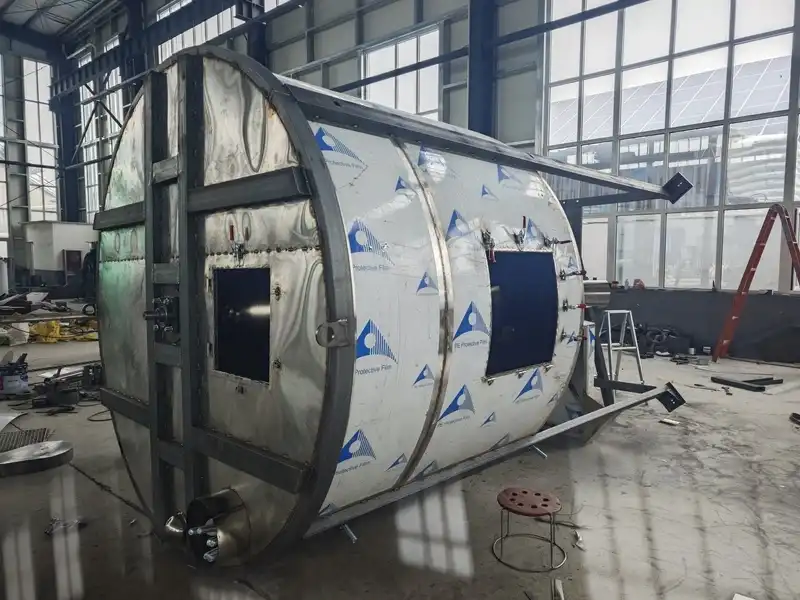
Understanding Plastic Mixers: Types and Working Principles
Knowing how different types of blending tools work will help you choose the right one for the job before you use it.
Batch vs. Continuous Systems
Batch mixers process one load at a time, so operators have complete control over each blend. Continuous mixers take in material and discharge final product at the same time. "They perform effectively in large volume lines where you can't stop production. Batch vertical screw mixers are still the norm for mid-sized injection moulding facilities that change colours on a daily basis. That’s because they empty the whole room between runs.
Vertical vs. Horizontal Orientations
A central spiral agitator in a vertical plastic mixer lifts and drops material from the chamber floor, creating a three-dimensional tumbling motion. Horizontal ribbon blenders move things from side to side. This method works well for powders but can leave dense pellets in pockets that aren't mixed. The granule market is dominated by vertical forms because gravity helps release with no residue.
Key Design Principles to Evaluate
Everyday performance in production settings is based on four design factors:
- Mixing uniformity: Premium systems like Yude’s Double Spiral Plastic Particle Mixer and Single Spiral Plastic Particle Mixer achieve ≥98% homogeneity, the stringent criterion most injection moulders need to eliminate color-streak rejects.
- Material compatibility: The contact surfaces are made of stainless steel (SUS304) for no metallic contamination and fast colour change. Yude’s Stainless Steel Plastic Particle Mixer series includes this standard in all of the parts that make up the chamber.
- Energy consumption: Variable-frequency drives reduce motor demand by 15–20% compared to fixed-speed motors, a consideration that might tip the scales on a procurement decision when utility costs are analysed over a 12–18 month payback window.
- Scalability: Yude manufactures equipment from small plastic particle mixers (300 kg) to big capacity plastic mixers (10-ton), so plants may match capacity to present production and add larger units as volume develops.
These basic design elements have a direct effect on how well things are made, how much is wasted, and the total cost of ownership.
Step-by-Step Guide: How to Use a Plastic Mixer Effectively
The most common mistakes in production can be avoided and equipment can be kept safe by knowing the right operating order.
Preparation: Capacity and Material Assessment
Make sure that the weight of your batch is within the mixer's recommended range. Overfilling cuts down on the space for tumbling and makes the uniformity too low to be acceptable. Make sure that the type of pellet (PP, HDPE, LDPE, PE, PVC, ABS, PS) matches the type of mixer. For example, a PVC Plastic Particle Mixer has heat-resistant seals to handle the rough PVC compound, and an ABS Plastic mixer has polished interiors to keep sticky ABS fines from sticking to the sides.
Operating Procedures: Loading, Speed, and Temperature
Put in the base resin first, then the color masterbatch and additives. This way of stacking makes sure that all of the small parts are spread out fairly at the beginning of the cycle. Set the PID temperature setting to the goal drying range on a Heating Plastic Particle Mixer or Plastic Particle Drying and Mixing Machine. For resins that are sensitive to moisture, like ABS, this is usually 60–80 °C. Then, let the room heat up before starting the agitator. Set the spin speed based on the density of the material. For example, lighter powders need lower RPM to keep them from dusting, while thick pellets work better with higher agitation rates.
Maintenance and Troubleshooting
Every 500 hours of use, you should check the bearings. Yude's Vertical Shaft Granule Agitator Plastic mixer comes with external bearing designs that keep the bearings out of the dust zone. This keeps older designs from failing too soon. After each color change, use compressed air and a non-fiberglass wipe to clean the inside. Before starting up again, make sure the cleanout door seal is still in place. By keeping track of batch cycle times and CV test results for each shift, you can see any unusual wear weeks before it leads to downtime.
Comparing Plastic Mixers: Making an Informed Procurement Decision
Selecting equipment against clear criteria avoids costly replacements within the first equipment lifecycle.
Vertical vs. Horizontal and Plastic vs. Rubber Mixers
Vertical mixers for plastic granules produce less floor dust, discharge fully by gravity, and require less cleaning time between batches than horizontal units. Rubber internal mixers (Banbury type) use a completely different closed-rotor shear mechanism designed for vulcanizable compounds and are not interchangeable with polymer pellet blending equipment. Misapplying a rubber mixer to pellet blending damages both the equipment and the material.
Price Factors and New vs. Used Equipment
New equipment from a direct factory supplier like Yude Plastic Machinery carries full warranty coverage, current CE or local certifications, and guaranteed spare parts supply — factors that protect the 12–18 month ROI target procurement managers typically use. Used machines may appear 30–40% cheaper at purchase but frequently lack documentation, have worn agitator flights, and carry unknown bearing hours. For plants in Southeast Asia or the Middle East where on-site service response is a documented concern, sourcing a new Full-Automatic Plastic Mixer with a 7×24 after-sales agreement typically costs less over three years than managing an unwarrantied second-hand unit.
Evaluating Supplier Credibility
Assess any supplier against delivery lead time (standard models should ship within 15–25 days), spare-parts availability, and multilingual interface capability. Yude Plastic Machinery exports to more than 30 countries and provides customized multilingual operation interfaces on request, addressing a documented procurement pain point for buyers in non-Chinese-speaking markets.
Real-World Applications and Case Studies
Plastic mixing equipment operates across a wide range of manufacturing sectors, each placing different demands on the machine.
Automotive and Packaging Applications
A plastic mixer for a granule injection molding machine is situated above the injection press throat for automotive interior component plants using PP and HDPE compounds. The gravity feed system eliminates a conveyor step and the potential for pellet segregation. LDPE and PE blends used to make packaging film are processed by producers using a PE plastic particle mixer with a drying function to reduce moisture to below 300 ppm before extrusion to avoid bubble defects in the finished film.
Modified Compound and Color Masterbatch Production
Modified plastics producers blending calcium carbonate or talc into PP base resin require high-shear action and wear-resistant contact surfaces. Yude's Spiral Type Large Vertical Mixer and Plastic Vertical Screw Mixer series use hardened flight surfaces to resist mineral abrasion. A compound producer in the Guangdong cluster reported that switching to an external-bearing vertical design reduced unplanned downtime by more than two days per year compared with their previous horizontal ribbon blender.
Laboratory and Small-Batch R&D
Formulation teams validating new additive packages will employ a Stainless Steel Vertical Mini Mixer Machine or a tiny Pellets Vertical Colour Mixer and run trial batches of 300-500 kg before they commit to full production scale. The small and big Yude units use the same mixing geometry so results scale up predictably to production.
Ensuring Long-Term Value: Maintenance, Safety & Future Trends
Scheduled Maintenance and Spare Parts
Write a maintenance schedule that includes daily eye inspections, weekly lubrication of the agitator shaft seals, and a three-month check of the motor mounts and drive belts. Having wear parts, such as shaft seals, agitator flights and drive belts, in stock, sourced locally, saves time, compared to ordering from abroad at the last minute, which might take several days.
Operator Safety Protocols
Add an interlocked lid sensor to each unit so that the motor stops working when the chamber is opened. Before each shift, connect the machine frame to a known earth point to get rid of the static that builds up while the pellets are being tumbled. Train workers should never reach into the chamber while the agitator is stopping. Large vertical mixers can have leftover inertia for 15 to 30 seconds after the power is turned off.
Automation and Smart Technology Trends
Modern Automatic Plastic Particle Color Mixers and Full-Automatic Plastic mixer units can now store recipes on a PLC touchscreen, which lets operators access approved blend programs by product SKU. Mid-range equipment is starting to use sensor-based CV monitoring, in which a conductivity probe checks for homogeneity in real time. This will be standard in the next generation of products. Plants that order PLC-ready units now will protect the money they spent on automation.
Conclusion
The most direct control a production team has over the quality of final parts and the amount of scrap they have is how they run a plastic mixer. This includes the right way to load materials, the right time for the cycle, keeping the right temperature, and regular upkeep. It doesn't matter what kind of equipment you use; what matters is that the mixer type, capacity, and material compatibility match your polymer and output volume. This will determine whether the machine pays for itself within your target window. Yude Plastic Machinery has a lot of products, prices them directly from the plant, and has a well-established network of people who can help buyers from the time they first ask a question until they have finished production.
FAQ
How do I choose between a batch mixer and a continuous mixer?
Batch vertical screw mixers are good for plants that change colors or materials often because the full-discharge design lets the mixer be completely cleaned out between runs. Continuous mixers are used on dedicated high-volume lines where it wouldn't make sense to stop for a changeover. Batch systems give most mid-sized injection molding plants more freedom.
How often should I perform maintenance on my mixing equipment?
Every 500 hours of use, check the bearings and shaft covers. Every time the color changes, clean the inside of the chamber. Every week, grease the seals on the agitator shaft. Check the motor bolts, drive belts, and links on the control panel every three months. If you stick to this schedule, your annual unplanned downtime will be less than three days.
Can one mixer handle multiple polymer types without contamination?
Yes, as long as the inside is made of polished SUS304 stainless steel and the base has a door for cleaning. A plastic hopper mixer made of stainless steel with an easy-to-reach release button lets you clean thoroughly between different resin grades, stopping cross-contamination that changes the mechanical properties.
Why does my mixer leave unmixed material at the bottom?
Bottom dead zones usually mean that the agitator flight is worn out and can't reach the floor of the chamber, or that the RPM is too high for the density of the material. Compare the flight clearance to what the manufacturer says it should be, and change the speed settings to what they say is best for your pellet grade.
Get a Quote from Yude Plastic Machinery — Trusted Plastic Mixer Supplier
Yude Plastic Machinery makes a full line of vertical color mixers, automatic particle blending machines, and large-capacity plastic mixer systems that are used all over the world in compounding and injection molding plants. We offer factory-direct bulk prices, OEM services, and a 24x7 after-sales network that covers more than 30 countries. We can help you with your purchase from the first question to the final installation. You can email our team at sales@yudemachinery.com or go to https://yudemachinery.com/ to get more information and a free trial.
References
- Harper, C. A. (Ed.). Handbook of Plastics Technologies. McGraw-Hill, 2006.
- Rosato, D. V., & Rosato, M. G. Injection Molding Handbook (3rd ed.). Springer, 2000.
- Todd, D. B. (Ed.). Plastics Compounding: Equipment and Processing. Hanser, 1998.
- Tadmor, Z., & Gogos, C. G. Principles of Polymer Processing (2nd ed.). Wiley-Interscience, 2006.
- Brydson, J. A. Plastics Materials (7th ed.). Butterworth-Heinemann, 1999.
- Rauwendaal, C. Polymer Mixing: A Self-Study Guide. Hanser, 1998.
Learn about our latest products and discounts through SMS or email