- English
- French
- German
- Portuguese
- Spanish
- Russian
- Japanese
- Korean
- Arabic
- Greek
- German
- Turkish
- Italian
- Danish
- Romanian
- Indonesian
- Czech
- Afrikaans
- Swedish
- Polish
- Basque
- Catalan
- Esperanto
- Hindi
- Lao
- Albanian
- Amharic
- Armenian
- Azerbaijani
- Belarusian
- Bengali
- Bosnian
- Bulgarian
- Cebuano
- Chichewa
- Corsican
- Croatian
- Dutch
- Estonian
- Filipino
- Finnish
- Frisian
- Galician
- Georgian
- Gujarati
- Haitian
- Hausa
- Hawaiian
- Hebrew
- Hmong
- Hungarian
- Icelandic
- Igbo
- Javanese
- Kannada
- Kazakh
- Khmer
- Kurdish
- Kyrgyz
- Latin
- Latvian
- Lithuanian
- Luxembou..
- Macedonian
- Malagasy
- Malay
- Malayalam
- Maltese
- Maori
- Marathi
- Mongolian
- Burmese
- Nepali
- Norwegian
- Pashto
- Persian
- Punjabi
- Serbian
- Sesotho
- Sinhala
- Slovak
- Slovenian
- Somali
- Samoan
- Scots Gaelic
- Shona
- Sindhi
- Sundanese
- Swahili
- Tajik
- Tamil
- Telugu
- Thai
- Ukrainian
- Urdu
- Uzbek
- Vietnamese
- Welsh
- Xhosa
- Yiddish
- Yoruba
- Zulu
How to clean plastic mixer grinder?
To clean a plastic mixerhttps://www.yudemachinery.com/plastic-mixer/vertical-color-plastic-mixer grinder correctly, turn off the power and remove the mixing jar, blades, and seals, among other replaceable parts. After rinsing the non-electrical components with a mixture of warm water and gentle detergent, use a dry towel to clean the motor housing. The colour contamination and decreased mixing uniformity caused by residue left between batches are direct consequences of using industrial plastic mixer equipment to handle colour masterbatch or filled compounds. Preserving the investment in your equipment and maintaining output quality above the 98% homogeneity standard required by most injection moulding operations is as simple as cleaning after each production cycle.
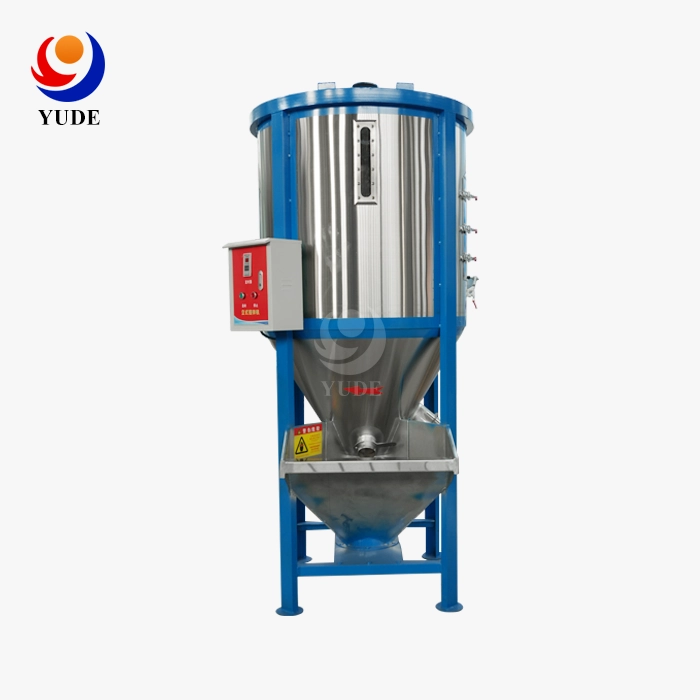
Understanding the Cleaning Challenge of Plastic Mixer Grinders
There are some things that industrial mixing tools have to deal with that home tools never have to. Many different types of polymer mixes leave behind trash that gathers in the blade grooves, release holes, and mixing tanks. You can't mix with it, and the parts will break down faster if you don't fix the pile.
Why Residue Buildup Is Harder Than It Looks?
As the surface gets hot and pushed, plastic and powder granules stick to it. These types of blenders and mixers can get things stuck because of the grooves on the shaft or the seals on the bearings. It's not safe to rinse off these layers quickly if they get hard, because they could damage the shiny stainless steel inside.
The Risk of Improper Cleaning Techniques
Plastic will lose its sheen when abrasive pads or harsh chemicals come into contact with it. The pollution process is accelerated on surfaces that are easily scratched since they are better able to get filthy again. Working with colour-sensitive materials such as ABS, PP, or PVC may result in final products having colour streaks even if the surface is little damaged.
Electrical Safety Is Non-Negotiable
When the motor housings, control panels, and wire joints are being cleaned, there shouldn't be any liquid on them. The motor or PLC unit could short out if water gets into them. It might be hard to fix and cost a lot of money and time. A lot of tools break down every year when they wouldn't have if they had been cleaned properly, which can damage the power.
Step-by-Step Guide on How to Clean a Plastic Mixer Grinder
When you clean tools in a planned way, you keep them and the person who uses them safe. This is a good mix that was made for plants. You can use it with a vertical color mixer, a hopper-style blending unit, or a spiral mixer with a lot of space.
Step 1 — Safe Disassembly and Preparation
You shouldn't turn the device off until it stops making noise. You should turn off the electricity before touching anything inside. To begin, locate and remove all accessible components, including the mixing jar, stirrer shaft, seals, and flow lines. If you set them aside in a clean area, you may view them before washing them.
Step 2 — Cleaning Each Component Correctly
Warm water mixed with an industrial cleaner that doesn't have a pH level can be used to clean parts made of plastic or stainless steel that can be taken off. A soft nylon brush won't hurt the smooth SUS304 surfaces when used to clean blades of dried color or packed filler. Wet cloth that is clean is all you need to clean the motor hub and the outside control panel. When you spray or soak, don't get near the electrical parts.
Step 3 — Drying and Reassembly
Then, after washing, let the parts to air dry before reassembling. Metal components corrode and plastic seals degrade when water becomes trapped in the mixing region. Before beginning the next batch of items, run a brief dry cycle to ensure everything is working properly. To begin, reassemble the machine in the reverse direction. The next step is to repair the joints by hand.
Maintenance Tips to Prolong the Life of Your Plastic Mixer Grinder
It's not enough to just have a plan to clean. Your equipment will keep running all year if you clean it and do the scheduled maintenance. Production managers want to have less than three days of unexpected downtime a year. To reach this goal, they should fix things as soon as they break.
Recommended Cleaning Frequency by Usage Level
- Daily use (multiple batches): After changing materials, wipe off the inside, particularly when changing colours. Standard procedure in high-output facilities is a brief compressed-air blast followed by a wipe with a non-fibrous cloth.
- Weekly maintenance: Take any parts that come into touch with water and wash them thoroughly. When working with machines that handle glass-fiber-filled or mineral-loaded compounds, which increase abrasion, be sure to check the blade edges for signs of wear.
- Monthly inspection: Inspect the bearings, seals, and lubrication points of the shaft. A vertical shaft granule agitator mixer's bottom bearings might fail due to fine dust getting into the bearing housing, thus it's important to replace worn seals very once.
Clean the inside with a damp cloth every time you switch materials, especially when you change colors. This is something you should do every day (in several batches). It is normal to use compressed air for a quick blowout and then a non-fiberless cloth to wipe down areas that need a lot of work.
Troubleshooting Persistent Odors and Stains
To keep production teams on schedule without overburdening floor employees, care is required at every level. Teams have found that by following this approach, they are able to reduce the frequency of emergency repairs and extend the time between maintenance visits.
When to Replace Blades and Seals?
If you clean something and the chemical smell is still there, polymer waste is probably stuck to small scratches inside. A good way to get rid of any pollution that is still there is to run a small amount of neutral resin pellets through an empty plastic mixer. Mineral deposits will come off of stainless steel surfaces that get wet or food on them if you put a little weak citric acid on them and then rinse them well. The acid will not hurt the surface.
Comparing Cleaning Methods: Traditional vs. Modern Techniques
Scrubbing by hand, rinsing with hot water, and using conventional detergents are the mainstays of traditional cleaning methods. While this method is sufficient for seldom used machinery, it becomes problematic when dealing with complicated geometries and thick compounding residue or densely packed filler deposits.
Limitations of Manual Scrubbing
Scrubbing by hand is laborious and doesn't always provide consistent results. Because the brush pressure changes, some areas are under-cleaned while others experience harmful friction. Manual cleaning increases changeover time and decreases daily production capacity in manufacturing facilities with high colour change frequency.
Modern Eco-Friendly Cleaning Agents
Industrial degreasers made of biodegradable ingredients dissolve polymer residue safely, protecting plastic and coated metal surfaces from damage. These agents are more energy efficient since they clean with less heat than conventional solvents. A proven cleaning solution lessens the possibility of cross-contamination between batches in operations that handle numerous kinds of resin daily.
Ultrasonic Cleaning for Precision Components
Nozzle tips, blade assemblies, and sensor housings are just a few examples of the tiny precision components that are finding more and more use in ultrasonic cleaning tanks. Because brushes can't get to blind holes and threaded parts, ultrasonic cavitation is used to remove the tiny residue. An ultrasonic station is a worthwhile investment for facilities that process engineering plastic alloys or speciality compounds because it ensures consistent product quality and reduces the need for rework.
Selecting and Procuring Plastic Mixers with Easy Maintenance in Mind
The easiest mixer to clean is one designed with cleaning in mind from the start. When evaluating suppliers, ask specifically about interior surface finish, disassembly time, and access to contact components.
Design Features That Simplify Cleaning
Polished SUS304 stainless steel interiors reduce adhesion of residue significantly compared to untreated surfaces. Clean-out doors at the base of the mixing chamber allow direct access without full disassembly. Removable agitator shafts cut cleaning time considerably during frequent color or material changes.
Matching Mixer Specifications to Your Production Needs
A facility producing automotive plastic parts in 500 kg batches has different requirements than a color masterbatch compounder running 10-ton daily volumes. Yude Plastic Machinery supplies vertical plastic mixers ranging from 300 kg to 10 tons, covering configurations including the Stainless Steel Hopper Mixer Machine, Vertical Color Mixer, and Double Spiral Plastic Particle Mixer. Each model is built with interior access and cleaning efficiency factored into the design.
Supplier Transparency and After-Sales Support
A reliable plastic mixer manufacturer provides clear documentation on cleaning procedures, recommended agents, and scheduled maintenance intervals. Yude Plastic Machinery's 7×24-hour after-sales system and on-site response capability within 24 hours domestically — and through local service partners internationally — means cleaning and maintenance questions get answered without delays that stall production.
Conclusion
In order to keep making things, it's important to keep a plastic mixing grinder and plastic mixer clean. Not only does it make the work better, but it also makes the tools last longer. If you keep your machine clean and in good working order, you can keep mixing even above the 98% level that injection molding needs. When you buy things that are easy to clean and don't wear down quickly, they cost less and take less time to clean. Clean up shouldn't be something you do after the fact; it should be a big part of making something. When you think this way, the color stays stable, there is less waste, and machines are handy.
FAQ
How often should I clean an industrial plastic mixer grinder?
After each change of material or colour, clean the mixing chamber. A complete disassemble wash should be done once a week for heavy daily usage. The rest of the maintenance demands are met by inspecting the bearings, seals, and lubrication points once a month.
Can I use water directly inside the mixing chamber?
Ensure that all components are completely detachable and electrically separated before use. Keep water away from the motor, control panel, and wiring at all times. Using a moist towel, carefully wipe such places.
What causes persistent residue after cleaning?
Interior surfaces with microscopic scratches collect filler and pigment particles. Much of it may be removed by purging the system with neutral resin after cleaning. This problem is reduced over time by having an interior made of polished stainless steel.
How do I clean the mixer after processing glass-fiber-filled compounds?
Cleaning blades and inner walls with a gentle nylon brush and pH-neutral detergent is recommended. After each cleaning, check the blade edges for signs of wear; using glass fibre speeds up blade erosion much more than using regular pellet blending.
Does Yude Plastic Machinery provide cleaning guidance with equipment purchase?
Yes. Each unit ships with operating and maintenance documentation. Their after-sales team is available around the clock to answer questions and provide cleaning protocol support for all mixer models.
Get a Free Quote from Yude Plastic Machinery — Trusted Plastic Mixer Manufacturer
There is a business in China called Yude Plastic Machinery that sells and makes plastic mixers. Up to 10 tons of stuff can fit in their vertical mixers, color mixers, spiral mixers, and drying-mixing units. They have buyers from over 30 countries. Each model is made to last, be easy to clean, and always mix the ingredients evenly. You can visit yudemachinery.com or email their sales team at sales@yudemachinery.com to find out more about their products, how much they cost in bulk, and how to get a free trial.
References
- Plastics Technology — Maintenance Best Practices for Mixing Equipment in Polymer Processing, 2022.
- Journal of Plastic Technology — Surface Contamination and Residue Management in Industrial Plastic Blending Systems, 2021.
- Processing Magazine — Industrial Equipment Cleaning: Methods, Agents, and Frequency Guidelines, 2020.
- Plastics News — Equipment Downtime Analysis in Injection Molding Facilities: Causes and Prevention, 2023.
- Polymer Engineering & Science — Effects of Filler Dispersion on Mechanical Properties of Compounded Thermoplastics, 2019.
- Industrial Maintenance & Plant Operation (IMPO) — Ultrasonic Cleaning Applications in Plastics Manufacturing Environments, 2022.
Learn about our latest products and discounts through SMS or email