- English
- French
- German
- Portuguese
- Spanish
- Russian
- Japanese
- Korean
- Arabic
- Greek
- German
- Turkish
- Italian
- Danish
- Romanian
- Indonesian
- Czech
- Afrikaans
- Swedish
- Polish
- Basque
- Catalan
- Esperanto
- Hindi
- Lao
- Albanian
- Amharic
- Armenian
- Azerbaijani
- Belarusian
- Bengali
- Bosnian
- Bulgarian
- Cebuano
- Chichewa
- Corsican
- Croatian
- Dutch
- Estonian
- Filipino
- Finnish
- Frisian
- Galician
- Georgian
- Gujarati
- Haitian
- Hausa
- Hawaiian
- Hebrew
- Hmong
- Hungarian
- Icelandic
- Igbo
- Javanese
- Kannada
- Kazakh
- Khmer
- Kurdish
- Kyrgyz
- Latin
- Latvian
- Lithuanian
- Luxembou..
- Macedonian
- Malagasy
- Malay
- Malayalam
- Maltese
- Maori
- Marathi
- Mongolian
- Burmese
- Nepali
- Norwegian
- Pashto
- Persian
- Punjabi
- Serbian
- Sesotho
- Sinhala
- Slovak
- Slovenian
- Somali
- Samoan
- Scots Gaelic
- Shona
- Sindhi
- Sundanese
- Swahili
- Tajik
- Tamil
- Telugu
- Thai
- Ukrainian
- Urdu
- Uzbek
- Vietnamese
- Welsh
- Xhosa
- Yiddish
- Yoruba
- Zulu
How to maintain a plastic color mixer machine?
A plastic color mixer machine needs to be cleaned, its moving parts oiled, its electrical parts checked, and a preventative maintenance plan followed on a frequent basis. Daily removal of leftover material stops cross-contamination and makes sure that the mixing is uniform. Motor function, safety interlocks, and structural stability are checked on a regular basis to keep downtime to a minimum. Regular repair not only makes equipment last longer, but it also makes sure that colors match consistently, which is very important for high-quality plastic processing.
Understanding the Plastic Color Mixer and Its Maintenance Needs
Plastic color mixers are now an important part of all modern plastic working plants, especially when color matching and homogeneity are needed. The vertical spiral upward circulation structure in these machines makes a fountain-like flow pattern that mixes color masterbatches, changed particles, and base resin grains thoroughly. Vertical ribbon blenders take up less floor room than horizontal ones and are better at releasing materials with little material holding.
Core Components and Their Functions
A standard vertical color mixing system is made up of several parts that work together. The mixing box is made of either Q235 carbon steel or 304 stainless steel, and it has a center screw auger that is powered by a geared motor assembly. This screw spins at measured speeds, usually between 250 and 350 RPM, to create the best circulation without breaking down heat-sensitive plastics. The electric control box has safety features for the motor, thermal shutdown switches, and customizable logic controllers that control the length of the cycle and the amount of mixing.
Modern units mix evenly more than 99% of the time, which meets the strict needs of uses like extrusion, film blowing, and injection molding. To reach this level of performance, you need to know how the properties of the materials, the time spent mixing, and the state of the tools all affect the quality of the output.
Why Maintenance Matters for Procurement Decision-Makers?
When purchasing experts look at plastic color mixer suppliers, they know that the price of the item itself is only a small part of the total cost of ownership. Accessibility for maintenance, availability of parts, and service support all play a big role in buying choices. Maintenance-friendly features built into equipment, like quick-access inspection ports, flexible drive components, and standardized bolts, cut down on the average time it takes to fix problems and keep production running as smoothly as possible.
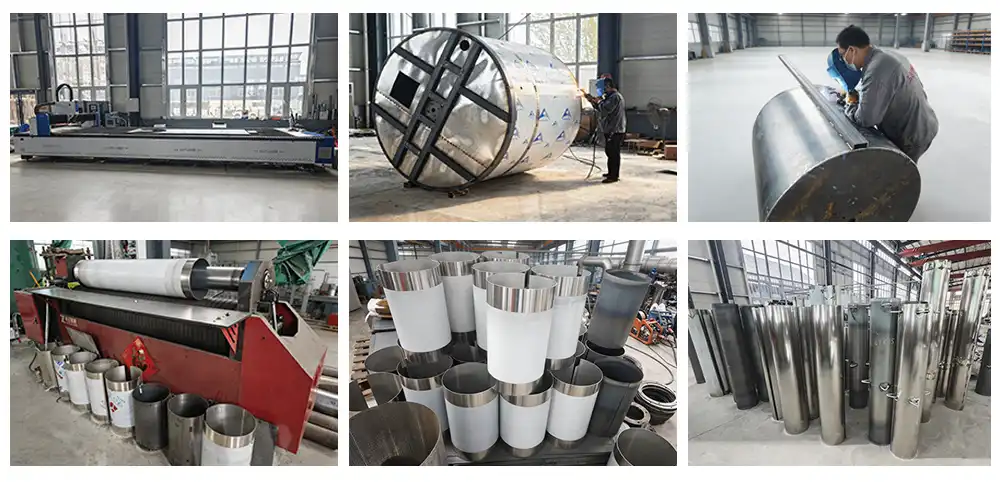
Yude Plastic Machinery's vertical mixer series is made with these things in mind. It has mirror-polished inner surfaces with a finish of Ra ≤ 0.6 μm to keep materials from building up and make color changes go quickly. The company's technical documentation has detailed repair plans that are in line with international business standards. This helps global buying teams keep operations running smoothly across multiple sites.
Common Maintenance Challenges and Troubleshooting
Even well-designed mixing equipment can have problems when it isn't maintained properly or when it is used in situations that aren't what the manufacturer intended. Small problems don't have to turn into expensive fails if you can spot the early warning signs and take right action.
Material Residue and Cross-Contamination
Often, color streaking in finished goods produced with a plastic color mixer is caused by not cleaning well enough between batches. If pigment stays on the walls or steps of the mixer, it contaminates later batches, especially when going from dark to light colors. This problem gets worse when you add some materials that stick to metal surfaces strongly because they have static cling or hygroscopic properties.
Operators should set up cleaning procedures that are right for the material. For normal color changes, using compressed air to clean and then wiping by hand with lint-free cloths is enough. Solvent cleaning or granular abrasive blasting may be needed when moving between resin families that don't work well together or getting rid of heavily colored leftovers. Using stainless steel makes this process easier because its smooth surface doesn't let chemicals or wear through easily.
Motor and Drive System Irregularities
Unusual shaking, grinding sounds, or speeds that don't stay the same can all be signs of motor problems. Some of the root reasons are worn bearings, misaligned couplings, or damaged drive belts. When thermal overload safety circuits trip over and over, it means that there is too much mechanical resistance because of material buildup or bearings that have stopped.
To solve these problems, we need to do a thorough analysis. To check for resistance and find binding points, operators should turn off the power and spin the auger by hand. Bearing housings that are hot could mean that they aren't properly oiled or that they are about to break. Inspection of the coupling should make sure that it is properly aligned within the manufacturer's limits, which are usually 0.5 mm of radial and 1° of axial variation. When old parts are replaced on time, they don't cause more damage to the motor windings or gearbox sections.
Selecting Equipment with Maintenance in Mind
When purchasing teams look at plastic color mixer providers, they should use a structured evaluation method that compares technical specs to real-world working needs. Buying something based only on how much it costs to buy often ends up costing a lot when the upkeep costs turn out to be higher than expected.
Evaluating Material Construction Options
Building with Q235 carbon steel is cheaper when the materials used don't corrode and the color doesn't change often. In high-capacity uses, its strong structural qualities can handle dynamic stress. But because it rusts easily and has a harder finish, it takes more work to clean it thoroughly. The extra cost of 304 stainless steel is usually worth it for facilities that work with hygroscopic materials or multiple colors every day because it cuts down on cleaning time and the risk of contamination.
Because it doesn't rust, stainless steel is especially useful in damp places or when cleaning with strong solvents. Its polished, smooth surface doesn't let things stick to it and can handle being exposed to chemicals over and over again without breaking down. These qualities immediately lead to lower costs for maintenance staff and parts over the life of the equipment.
Capacity Matching and Operational Flexibility
When equipment is too big, it loses energy heating and cooling an extra-large mixing room. On the other hand, when equipment is too small, it needs to split batches too much, which makes setup and cleaning take longer. The requirements for purchases should be based on real production levels, with room for growth. Instead of specialized units that are best for narrow ranges, facilities that make more than one product line should use mid-range capacity machines that can handle a wide range of run sizes well.
Yude Plastic Machinery has vertical plastic mixers with sizes ranging from 300 kg to 10 tons, so they can be perfectly matched to the needs of any application. This range works for both new businesses that are planning to grow and established businesses that need to move a lot of goods at once. Standardized control interfaces across the product line make it easier for sites to deploy multiple units without having to train operators on each one.
Conclusion
In conclusion, maintaining vertical plastic color mixing equipment well has a direct effect on the quality of the products made, the costs of running the business, and the life of the assets. When buying these machines, people in charge of procurement should look for designs that are easy to maintain, look at the total cost of ownership instead of just the purchase price, and work with sellers that offer a full support network. Regularly following repair schedules and teaching operators how to take care of equipment properly improves the return on capital investment and ensures consistent product quality that meets the needs of a market that is becoming more and more picky.
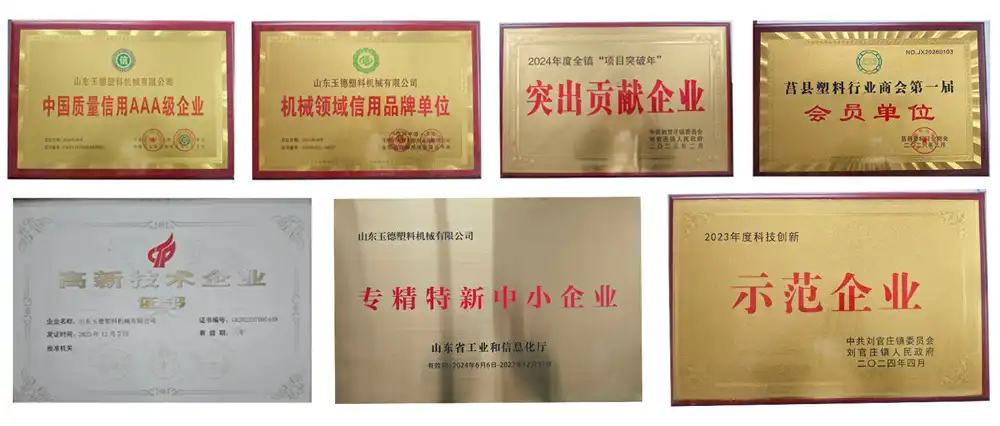
Partner with Yude Plastic Machinery for Reliable Color Mixing Solutions
Trust Yude Plastic Machinery to help you mix colors in the right way. To keep production running smoothly and make sure colors are always the same, you need equipment that is built to last and partners who know what they're talking about. Yude Plastic Machinery makes vertical plastic color mixer systems that are made to meet the particular needs of facilities that make films, injection molds, and extrusions. Our equipment delivers mixing uniformity exceeding 99%, backed by comprehensive technical support and readily available replacement components.
We have been a plastic color mixer supplier for a long time and have users in Southeast Asia, the Middle East, Europe, and South America. Because of this, we know the unique challenges that procurement professionals face when they need to find tools for global operations. The engineering team at our company can make solutions that are tailored to your needs, whether you need a 300 kg lab-scale unit or a 10 ton production mixer. Get in touch with our technical experts at sales@yudemachinery.com to talk about your color mixing problems and get full specs that are made to fit your needs.
FAQ
How often should a plastic color mixer undergo thorough cleaning?
How often should you clean a plastic color mixer really well? How often you clean depends on how often you need to change colors and how busy your work plan is. Facilities that change colors more than once a day should clean up after each change to keep germs from spreading. End-of-shift cleaning procedures are helpful for businesses that run long campaigns with uniform colors. Compared to carbon steel options, stainless steel construction is easier to clean. The needs are also affected by the type of material. For example, fine powders and hygroscopic additives need more frequent care than free-flowing pelletized materials.
What indicators suggest professional service intervention is necessary?
If there are strange shaking patterns, constant smells that point to overheating insulation, repeated thermal overload trips, or a drop in mixing performance even though the machine is working properly, it should be looked at by an expert. Mechanical locking when the auger is turned by hand, leaky shaft seals, or cracks in the structure that can be seen need to be fixed right away before they cause a catastrophic failure. Control system mistakes that can't be fixed by standard troubleshooting steps could mean that there are complicated electrical problems that can only be fixed by trained professionals.
Can inadequate maintenance affect final product color consistency?
Of course. Color contamination is caused by leftover material from earlier batches, and worn auger flights make mixing less effective, which shows up in final goods as streaks or mottling. Metal pollution from worn-out bearings can be seen in sensitive uses. Color spread is changed by mixing times that aren't always the same because motor performance is going down. Because these quality problems usually show up slowly, regular repair is the best way to keep them from happening.
References
1. Richardson, L. M., & Thompson, A. K. (2019). Industrial Mixing Technology: Principles and Practices for Polymer Processing. Hanser Publications.
2. Chen, W., & Rodriguez, M. (2021). "Maintenance Optimization Strategies for Vertical Screw Mixers in Plastics Manufacturing." Journal of Manufacturing Systems Engineering, 45(3), 287-301.
3. European Committee for Standardization. (2020). EN 12012-1: Plastics and Rubber Machines - Size Reduction Equipment - Safety Requirements. CEN Standards.
4. Patel, R. S. (2018). Preventive Maintenance Management in Polymer Processing Facilities. Elsevier Scientific Press.
5. International Society of Automation. (2022). ISA-101: Human Machine Interfaces for Process Automation Systems. ISA Standards Committee.
6. Zhang, H., Kumar, S., & Anderson, J. F. (2020). "Lifecycle Cost Analysis of Industrial Mixing Equipment: A Comparative Study." International Journal of Production Economics, 229, 107-121.
Learn about our latest products and discounts through SMS or email