- English
- French
- German
- Portuguese
- Spanish
- Russian
- Japanese
- Korean
- Arabic
- Greek
- German
- Turkish
- Italian
- Danish
- Romanian
- Indonesian
- Czech
- Afrikaans
- Swedish
- Polish
- Basque
- Catalan
- Esperanto
- Hindi
- Lao
- Albanian
- Amharic
- Armenian
- Azerbaijani
- Belarusian
- Bengali
- Bosnian
- Bulgarian
- Cebuano
- Chichewa
- Corsican
- Croatian
- Dutch
- Estonian
- Filipino
- Finnish
- Frisian
- Galician
- Georgian
- Gujarati
- Haitian
- Hausa
- Hawaiian
- Hebrew
- Hmong
- Hungarian
- Icelandic
- Igbo
- Javanese
- Kannada
- Kazakh
- Khmer
- Kurdish
- Kyrgyz
- Latin
- Latvian
- Lithuanian
- Luxembou..
- Macedonian
- Malagasy
- Malay
- Malayalam
- Maltese
- Maori
- Marathi
- Mongolian
- Burmese
- Nepali
- Norwegian
- Pashto
- Persian
- Punjabi
- Serbian
- Sesotho
- Sinhala
- Slovak
- Slovenian
- Somali
- Samoan
- Scots Gaelic
- Shona
- Sindhi
- Sundanese
- Swahili
- Tajik
- Tamil
- Telugu
- Thai
- Ukrainian
- Urdu
- Uzbek
- Vietnamese
- Welsh
- Xhosa
- Yiddish
- Yoruba
- Zulu
How does the PP plastic particle mixer structure adapt to PP pellets?
A PP plastic particle mixer has a spiral structure that can adapt to polypropylene pellets. This is possible because the design is carefully built to deal with the different densities, flow issues, and static buildup that are common in PP materials. The helical screw's perfect pitch and angle make controlled patterns of lifting and distribution. This allows for vertical circulation that stops pellet stratification that happens when the bulk densities of raw resin and additives are different. This design reduces the shear forces that could damage heat-sensitive PP particles while increasing the contact frequency to reach uniformity levels above 98%. This stops the problems of color streaking and clumping that happen during injection molding and extrusion.
Understanding the Physical Properties of PP Pellets and Their Impact on Mixing
Polypropylene pellets have unique working qualities that directly affect how procurement engineers choose a mixer. PP grains usually have bulk densities between 0.50 and 0.91 g/cm³, which is lower than heavier thermoplastics. This means that they may separate when mixed with mineral fillers or masterbatches. Polypropylene's semi-crystalline structure creates surface qualities that encourage electrostatic charges during material transfer. This makes pellets stick to mixer walls or form clumps that make the blend less even.
Particle geometry makes things even more complicated. Depending on how they were made, standard PP pellets can be round, spherical, or uneven in shape, and each has its own flow properties. While spherical pellets run better than flake-shaped regrind, they may separate during mixing cycles. Different surface textures of new and recycled PP make it harder for materials to interact with each other. For example, smoother new pellets flow differently than rougher recycled content.
The difference in density between base PP plastic and colorants or additives makes quality problems that won't go away. Mineral content can reach 20 to 40 percent in talc-filled materials used in car panels, and they separate quickly if the right mixing technology isn't used. If a procurement manager is looking for tools to make bumpers, they need to know that poor mixing can cause brittle spots in molded parts, which increases the number of rejections and guarantee claims.
These problems are made worse by temperature sensitivity. PP starts to soften above 160°C, which means that too much pressure during mixing can cause it to melt or glaze over too soon, which can affect the next steps in the process. When humidity goes below 30%, which happens a lot in climate-controlled factories, static buildup gets worse. This causes material to bridge in hoppers and feed rates to extruders or molding machines that aren't regular.
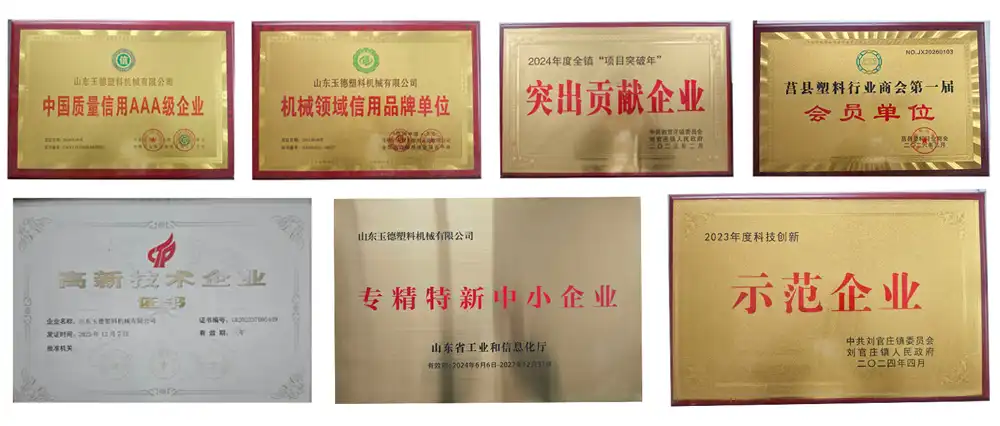
The Spiral Structure Design in PP Plastic Particle Mixers
The vertical spiral shape of PP plastic particle mixer gets around problems with mixing that are unique to particulate systems by using fluid dynamics rules that work with those systems. In contrast to horizontal ribbon blenders, which work by moving material side to side, the vertical screw moves material up along the barrel's edge, making a fountain effect at the top where pellets spread out in all directions before falling through the middle zone. This pattern of constant circulation lets every particle experience many mixing processes in a short amount of time.
Geometric Optimization for Polypropylene Characteristics
To find the best mix between lifting ability and shear generation in a PP plastic particle mixer, engineering teams set spiral pitch ratios between 0.8:1 and 1.2:1. Tighter pitch angles speed up vertical movement but make particle-on-particle friction worse. Wider pitches lower energy input but make cycle times longer. Modern designs use screws with varying pitches that go from rougher lower sections for initial material contact to softer top sections that keep the pellets from breaking down.
Getting rid of static electricity is directly affected by the spiral angle. Gradual circular slopes let pellets stay in contact with grounded stainless steel surfaces for longer, letting charges build up be released before the particles return to the mixing stream. This design trait is very important when working with PP materials that have carbon black or other conductive ingredients that make electrostatic effects stronger.
Mineral-filled types can cause wear on the screw itself, so the material choice is important. SUS304 stainless steel is used for everyday tasks, while SUS316L types are used to make medical-grade PP with acid chemicals. Surface finishes below Ra 0.4μm mirror polish standards keep pigments from getting stuck in tiny surface flaws. This lets clean material changes happen between production runs, which is very important for contract makers who work for many clients.
Performance Comparison with Alternative Technologies
Comparative testing shows that these methods are better than traditional ones in measured ways. Horizontal paddle mixers can make PP mixes 92–95% regular, but they need 18–22 minute cycles and use 40% more energy per batch because they need to turn faster. Ribbon blenders work great with powders but not so well with pellet-to-pellet distribution. In runs of 1,000 kg or more, they often leave areas of unmixed material.
The spiral design achieves the same level of uniformity in 10-15 minute rounds while taking up 60% less floor space, which is a crucial factor for buildings that are limited on space. Metrics on energy use show that loads draw 25–30% less current when the machine is running, which means that costs are lowered across high-volume production plans.
Types of PP Plastic Particle Mixers Featuring Spiral Structures
Different types of PP plastic particle mixer meet a wide range of operating needs in the polypropylene production spectrum. Manual discharge models are best for smaller operations that process batches of 300 to 500 kg. They have hand-operated butterfly valves that let the user decide when the material is released. These units are used by injection molding shops that make parts for cars or consumer goods where batch tracking is still important for quality records.
Automated systems use air discharge devices that work in sync with upstream hoppers and downstream extruders. This lets facilities that work multiple shifts run without lights. Capacity ranges from entry-level units of 600 kg that are good for test production lines to 10-ton industrial mixers that help makers of PP pipes and sheets do continuous extrusion. By integrating a PLC, mixing factors like motor amperage, cycle timing, and batch scheduling can be monitored from afar using SCADA networks.
Specialized Configurations for Recycled Content Processing
Post-consumer recycled PP demands enhanced mixing capabilities due to contamination variability and irregular particle geometries. Dedicated recovery mixers have screw shafts that are strengthened and hard-faced so that they don't wear out faster when contaminants get stuck in them. Larger output ports can handle the bridge behavior of flake-heavy feedstock, and available air purge systems keep material from getting stuck in dead zones.
PP plastic particle mixer designs use both spiral mixing and drying by moving hot air through the material to get rid of the hygroscopic moisture that makes the surface of extruded profiles imperfect. This two-in-one method gets rid of the need for separate drying equipment, which simplifies building layouts and lowers capital costs for businesses that want to meet sustainability goals by using more recycled material.
Customization goes beyond just specifying size. B2B customers ask for motor voltages that meet local electrical standards, electrical packages that won't explode in places that work with flammable materials, or finishes that can be used in clean rooms for making medical device parts. Standard setups usually have lead times of 4 to 6 weeks, while engineered-to-order systems need 10 to 12 weeks, which includes time for design approval and testing.
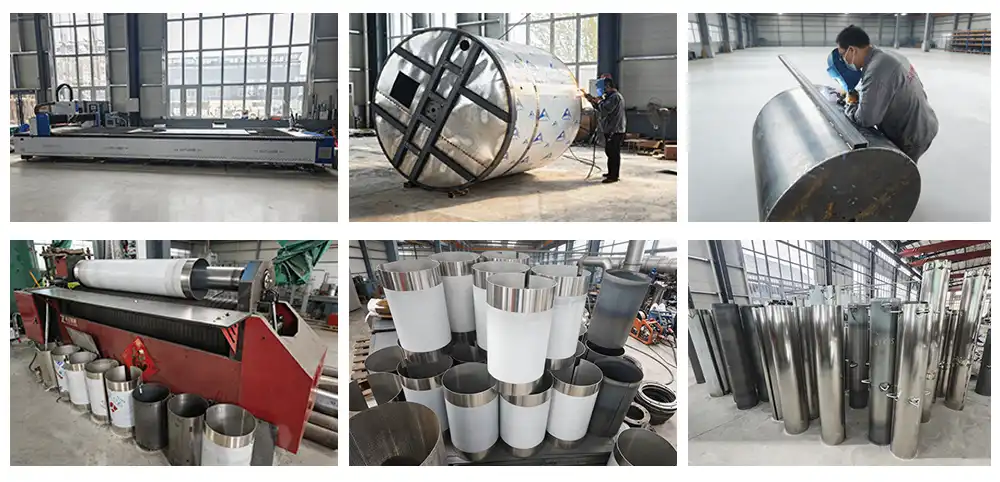
Conclusion
The circular structure's ability to change to the properties of the PP pellet shows how engineering precision can be used to solve real-world material handling problems. The vertical screw shape of PP plastic particle mixer stops segregation caused by density, controls electrical buildup, and keeps mechanical stress on heat-sensitive plastics to a minimum. Before choosing equipment, it's important to think about how much capacity is needed, how much automation is needed, and what the provider can do beyond the initial buy price. People who work in procurement who work with recycling plants, injection molding plants, or extrusion plants should know how spiral mixer technology affects product quality, working efficiency, and the total cost of ownership. Technical details are important, but long-term success depends just as much on relationships with suppliers that offer quick help and real production know-how.
Partner with Yude Plastic Machinery for Superior Mixing Solutions
Yude Plastic Machinery makes vertical mixers that are precisely designed to solve problems related to handling polypropylene. Our equipment has the best mixing consistency in the business (98%+), thanks to its well-designed spiral structures that can handle the different densities and flow rates of PP. As a well-known company that makes PP plastic particle mixers, we can do everything from making parts to putting them together. Our ISO-certified quality systems make sure that every unit works the same way. Capacity ranges from 300 kg to 10 tons, so they can be used for everything from small-scale injection molding to high-volume extrusion lines. Our expert team can customize our products to fit your needs, and they can add things like explosion-proof electrical packages, built-in drying systems, and multilingual control interfaces that meet regional safety standards. We help B2B procurement pros by providing clear prices, clear warranty coverage, and expert support 24 hours a day, 7 days a week. Contact our engineering experts at sales@yudemachinery.com to discuss your PP pellet mixing needs and get detailed equipment specs that are made to fit your production setting.
FAQ
How does the spiral structure specifically improve mixing efficiency for PP pellets?
The vertical helical screw pushes material continuously upward along the barrel walls, spreading it out in a waterfall design at the very top. This movement puts each pellet through several mixing processes, which makes the mixture more uniform by more than 98% in 10 to 15 minutes. The shape cuts down on dead zones where material just sits, and controlled stress levels keep pellets from deforming or freezing too soon.
What maintenance practices extend spiral mixer service life?
By checking the bearings every 500 hours of use, especially on the bottom assemblies that are under the most pressure, catastrophic breakdowns can be avoided. Abrasive dust can't get in because of high-temperature greasing and checks on the stability of the seals. Checking the sealing on the outlet valve and the amperage of the motor every three months against baseline measures shows wear patterns before equipment breaks down and delays production.
Can spiral mixers effectively process recycled PP pellets?
Specialized setups handle recovered content using screw flights that are strengthened and treated with hardfacing to stop contamination-related wear. Larger outlet ports stop bridging from flake shapes that aren't straight, and available air purge systems get rid of material holdup. These changes keep the mixing even even though the material changes, which is a normal part of post-consumer recycling streams.
References
1. Crawford, R.J. and Throne, J.L. (2002). Rotational Molding Technology. William Andrew Publishing, Norwich, NY.
2. Tadmor, Z. and Gogos, C.G. (2006). Principles of Polymer Processing, 2nd Edition. John Wiley & Sons, Hoboken, NJ.
3. Rauwendaal, C. (2014). Polymer Mixing: A Self-Study Guide. Hanser Publications, Munich, Germany.
4. Manas-Zloczower, I. (2009). Mixing and Compounding of Polymers: Theory and Practice, 2nd Edition. Hanser Publishers, Cincinnati, OH.
5. White, J.L. and Kim, E.K. (2010). Twin Screw Extrusion: Technology and Principles, 2nd Edition. Hanser Publications, Munich, Germany.
6. Kohlgrüber, K. (2008). Co-Rotating Twin-Screw Extruders: Fundamentals, Technology, and Applications. Hanser Publications, Munich, Germany.
Learn about our latest products and discounts through SMS or email