- English
- French
- German
- Portuguese
- Spanish
- Russian
- Japanese
- Korean
- Arabic
- Greek
- German
- Turkish
- Italian
- Danish
- Romanian
- Indonesian
- Czech
- Afrikaans
- Swedish
- Polish
- Basque
- Catalan
- Esperanto
- Hindi
- Lao
- Albanian
- Amharic
- Armenian
- Azerbaijani
- Belarusian
- Bengali
- Bosnian
- Bulgarian
- Cebuano
- Chichewa
- Corsican
- Croatian
- Dutch
- Estonian
- Filipino
- Finnish
- Frisian
- Galician
- Georgian
- Gujarati
- Haitian
- Hausa
- Hawaiian
- Hebrew
- Hmong
- Hungarian
- Icelandic
- Igbo
- Javanese
- Kannada
- Kazakh
- Khmer
- Kurdish
- Kyrgyz
- Latin
- Latvian
- Lithuanian
- Luxembou..
- Macedonian
- Malagasy
- Malay
- Malayalam
- Maltese
- Maori
- Marathi
- Mongolian
- Burmese
- Nepali
- Norwegian
- Pashto
- Persian
- Punjabi
- Serbian
- Sesotho
- Sinhala
- Slovak
- Slovenian
- Somali
- Samoan
- Scots Gaelic
- Shona
- Sindhi
- Sundanese
- Swahili
- Tajik
- Tamil
- Telugu
- Thai
- Ukrainian
- Urdu
- Uzbek
- Vietnamese
- Welsh
- Xhosa
- Yiddish
- Yoruba
- Zulu
High Speed Plastic Color Mixers for Plastic Pellets
It is the job of high speed plastic color mixers for plastic pellets to evenly mix masterbatch, pigments, and chemicals into polymer grains before they are processed. A plastic color mixer makes sure that the colors are spread out evenly, so there are no color spots. This guarantees batch accuracy, which is important for operations like injection molding, extrusion, and film blowing. Our vertical circulation mixers at Yude Plastic Machinery achieve mixing consistency of more than 99%. This directly addresses the quality issues that purchasing engineers and OEM buying managers deal with every day.
Understanding High Speed Plastic Color Mixers
How plastic pellets are made has changed a lot since high speed plastic color mixer technology came along. The upward spiraling structure pulls granules from the bottom through a central screw and spreads them out across the upper chamber, creating dynamic material flow. This constant movement makes sure that each pellet comes into contact with colorant particles more than once during a cycle.
Operating Principles and Flow Dynamics
High Speed vertical mixers are different from static blending systems because they mix in a fountain-effect way. When the motor starts, a carefully designed helix screw spins at a controlled speed, usually between 250 and 350 RPM. This creates centrifugal force that moves the material vertically. Then, gravity moves the pellets back down along the walls of the room, ending the cycle. This three-dimensional movement stops segregation, which happens a lot in horizontal ribbon blenders when they work with materials that have different mass densities. Masterbatch ratios as low as 0.1% can achieve uniform color saturation in 10 to 15 minutes. This cuts down on the time needed to prepare batches and keeps production from getting stuck.
Batch Versus Continuous Mixing Systems
When purchasing teams look at the ability of plastic color mixers, they need to know how batch and continuous mixers work differently. Batch systems, which can handle between 300 kg and 3,000 kg per cycle, are good for makers who need to change colors often or work with special chemicals. Integrating straight into extrusion lines, continuous mixers mix materials as they are fed into processing equipment in real time. Because they are more flexible and require less capital, batch mixers are perfect for contract makers who work with a wide range of clients. Continuous systems get the most work done when only one product is being made in large quantities, but they need accurate volumetric feeds and automatic controls.
Advantages Over Static Mixing Technologies
Static mixers depend on the flow of pellets through set baffles to achieve some homogeneity without using motorized stirring. Even though the cost of capital may seem appealing, static systems can't handle powder additions or spread masterbatch well in low-ratio situations. These problems are not a problem for High Speed mixers, which can work with everything from PVC binder packages to glass fiber supports. The closed mixing room also has dust in it, which meets safety standards that industrial makers must meet. Due to short cycle times and efficient motor designs, energy consumption per kilogram stays competitive. Savings on operations more than cover the original investment.
Choosing the Right High Speed Plastic Color Mixer for Your Business
To choose tools that fits the needs of output, you have to look at a lot of technical and financial factors. To get the best return on investment (ROI), procurement experts have to find a balance between mixing performance, processing capacity, material compatibility, and total cost of ownership.
Critical Selection Criteria
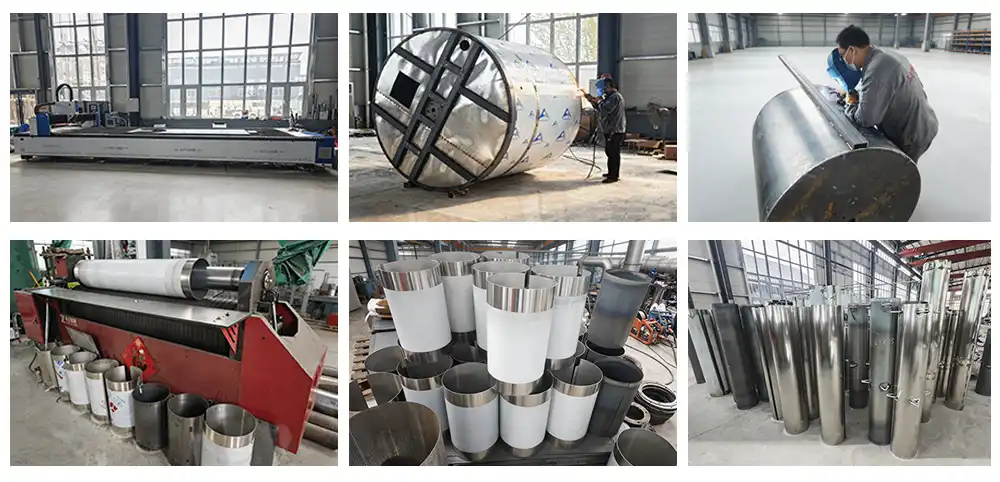
Product quality and scrap rates are directly affected by how well the mixture is mixed. For car and package uses, colorant distribution must meet tight tolerances with equipment that has a coefficient of variation (CV) below 3%. The throughput capacity needs to match the production plans without causing inventory bottlenecks. For example, a 500 kg batch mixer that cycles every 15 minutes can produce about 2 tons of material per hour. Equipment must be able to handle regrind flake, masterbatch chips, and powder ingredients without separating or sticking together. Compatibility goes beyond pellet size. Cross-contamination risk and how well a material cleans are affected by how it is made. A cost-effective option for single-color operations is Q235 carbon steel. On the other hand, 304 stainless steel makes color changes easier and meets food-contact rules.
Energy use should be closely looked at when evaluating purchases. Heavy-duty geared motors and variable frequency drives in modern mixers make the best use of power based on batch size. Units that use less than 0.15 kWh per kilogram of material processed are very efficient and directly lower running costs across production plans with multiple shifts.
Manual Versus Automatic Control Systems
Automation level changes how much work needs to be done and how often the plastic color mixer process can be done. Operators must add material, set timers, and empty batches from manual mixers. This is a good way for small makers that process less than 5 tons of material every day. Automatic systems have HMI touchscreens that store recipes and let workers access up to 100 pre-programmed formulas. PID-controlled heating jackets keep temperatures between 50°C and 180°C within ±1.5°C, which is important for heat-sensitive plastics or getting rid of moisture while mixing. Traceability records that meet ISO quality control standards and customer reports are made by automated batch logging.
Customization and After-Sales Support
When international buyers bring plastic color mixer into North America, they need to make sure it works with 480V 3-phase power, has language interfaces, and comes with paperwork that meets OSHA machine safety standards. Yude Plastic Machinery offers customizable electrical specs and CE-certified safety interlocks, such as emergency stops and dual lid interlocks that keep operators from getting in while the machine is running. When equipment is added to ongoing production lines, strong after-sales help is very important. Downtime costs can be kept to a minimum by having responsive expert teams that offer video diagnosis, spare parts, and on-site service. Our 7x24 customer service system and relationships with local service providers make sure that procurement leads get help throughout the lifecycles of the tools they buy.
Installation, Maintenance, and Troubleshooting of High Speed Plastic Color Mixers
Proper construction ensures that the system will work reliably, and preventative upkeep keeps the mixing working well and increases the life of the equipment. Structured procedures that deal with common problems before they become production interruptions are helpful for technical teams.
Site Preparation and Integration
The first step in installation is to make sure the base and electrical connections are sound. For plastic color mixers to work, the concrete pads must be level and strong enough to hold the full weight of the mixer without bowing. The power source must provide the right amount of voltage and current for the motor, and the circuit safety must be the right size to avoid unnecessary trips. When release chutes and vacuum loaders are integrated with conveying systems, they need to be perfectly lined up to keep materials from crossing. To meet safety standards, the building must have dust extraction ports that are linked to the air system and interlocked entry panels that meet regional machinery guidelines.
Preventive Maintenance Protocols
Cleaning steps keep colors from getting mixed up between runs in a plastic color mixer. The inside of stainless steel cells is mirror-polished (Ra ≤ 0.6 μm surface finish), which makes it easy to remove material quickly. Using compressed air and soft brushes, color changes can be done in less than 25 minutes. Abrasive pads that scratch surfaces and catch dust should never be used by operators. Wear parts like screw flights, discharge gate seals, and bearing systems are the main focus of inspection processes. Lubricating bearings every three months with greases recommended by the maker keeps them in good shape and lowers friction heat. Calibration checks make sure that the temperature sensors, timers, and safety interlocks work properly. The results are written down in maintenance logs that help get ready for an audit.
Diagnosing Operational Issues
Uneven mixing shows up as color streaks in finished products. This is usually because the mixing time was wrong or the screw flights were broken, which messed up the flow patterns. Usually, the problem goes away after increasing the spin time by 20% and checking for material growth. Noise and vibration are signs of worn bearings or an imbalanced motor that needs instant attention to avoid a catastrophic failure. Overheating safety circuits go off when motors get too hot. This usually happens when chambers are overloaded beyond their stated capacity or there isn't enough air flow around control panels. Before fixing thermal overloads, technical teams should compare the amperage draw to the nameplate values and make sure the environmental temperatures stay within the working range.
Conclusion
High speed plastic color mixers are important pieces of equipment for producers who need consistent color quality and high operating efficiency. Vertical circulation designs achieve mixing uniformity of more than 99%, meeting the strict needs of uses like film extrusion, injection molding, and packing. When purchasing equipment, people in charge must look at how well it mixes, how much it can handle, how well it works with different materials, and how automated it is compared to the needs of production. Proper installation and preventative maintenance keep equipment working well for many years, and quick expert help cuts down on the chances of downtime. As markets move toward sustainability and digitization, mixing technology is changing. Designs that use less energy and connect to the internet of things (IoT) are no longer seen as extras, but as normal features.
Connect with Yude Plastic Machinery for Tailored Mixing Solutions
To find the right plastic color mixer manufacturer, you need to look at their technical skills, output volume, and attention to customer service. Yude Plastic Machinery offers total mixing solutions backed by decades of engineering know-how and a full system for quality control. Our vertical mixers, which can hold up to 10 tons, work well with injection molding, extrusion, and film blowing processes all over North America. We can make changes to meet regional industrial standards, such as changing the voltage settings or adding international HMI screens. You can email our technical team at sales@yudemachinery.com to talk about your unique application needs, get full specs, or set up virtual equipment demonstrations. Our 7x24 support network and relationships with North American service providers make sure that your output keeps going even after the machine is installed and for years to come.
FAQ
Which Plastic Pellet Types Work Best with High Speed Color Mixers?
Polyethylene (PE), polypropylene (PP), polystyrene (PS), ABS, PVC, and industrial resins like nylon and polycarbonate are just some of the thermoplastic pieces that High Speed vertical mixers can handle. The most important factor in matching is the shape and mass of the pellets. Pellets that are uniformly round or cylindrical and have a width between 2 mm and 5 mm mix best. When mixed with granular base resins that help circulation flow, regrind flakes and powder ingredients work well. Materials that tend to stick together, like empty styrofoam, do better when they are made of stainless steel, which keeps electrostatic buildup to a minimum.
How Do I Determine the Appropriate Mixer Size?
Hourly output needs and batch cycle times should be in line with the mixer's capacity. To find out what batch size is needed, divide the number of pellets used per hour by the number of rounds per hour. A facility that processes 1,200 kg per hour in 15-minute cycles (4 cycles per hour) needs at least a 300 kg mixer. To handle growth in production and keep mechanical parts from being overworked, procurement teams should ask for 20% more capacity than they need. Larger OEMs usually use multiple mid-capacity units instead of a single high-capacity mixer. This gives them practical support during repair and lets them make different formulations at the same time.
Can One Mixer Handle Multiple Colors and Materials?
The stainless steel design makes it possible to change colors quickly with little chance of cross-contamination. When manufacturers switch between light and dark colors, they should set up cleaning procedures and keep separate mixers for white and pastel colors, where small amounts of contamination can be seen. Multi-material mixing works best when the melting points and processing conditions of the different materials are similar. For example, mixing different types of polyethylene is easy, but mixing PVC and polyolefins can be messy and needs special tools.
References
1. Rauwendaal, Chris. Polymer Mixing: A Self-Study Guide. Hanser Publications, 2021.
2. Tadmor, Zehev and Gogos, Costas G. Principles of Polymer Processing (2nd Edition). Wiley-Interscience, 2006.
3. Birley, A.W., Haworth, B., and Batchelor, J. Physics of Plastics: Processing, Properties, and Materials Engineering. Hanser Gardner Publications, 1992.
4. Cheng, Jin Jia and Manas-Zloczower, Ica. "Distributive Mixing in Conveying Elements of a ZSK-53 Co-Rotating Twin Screw Extruder." Polymer Engineering and Science, vol. 37, no. 6, 1997, pp. 1082-1090.
5. Connelly, Robert K. and Kokini, Jozef L. "Examination of the Mixing Ability of Single and Twin Screw Mixers Using 2D Finite Element Method Simulation with Particle Tracking." Journal of Food Engineering, vol. 79, no. 3, 2007, pp. 956-969.
6. Manas-Zloczower, Ica and Tadmor, Zehev. Mixing and Compounding of Polymers: Theory and Practice (2nd Edition). Hanser Publications, 2009.
Learn about our latest products and discounts through SMS or email