- English
- French
- German
- Portuguese
- Spanish
- Russian
- Japanese
- Korean
- Arabic
- Greek
- German
- Turkish
- Italian
- Danish
- Romanian
- Indonesian
- Czech
- Afrikaans
- Swedish
- Polish
- Basque
- Catalan
- Esperanto
- Hindi
- Lao
- Albanian
- Amharic
- Armenian
- Azerbaijani
- Belarusian
- Bengali
- Bosnian
- Bulgarian
- Cebuano
- Chichewa
- Corsican
- Croatian
- Dutch
- Estonian
- Filipino
- Finnish
- Frisian
- Galician
- Georgian
- Gujarati
- Haitian
- Hausa
- Hawaiian
- Hebrew
- Hmong
- Hungarian
- Icelandic
- Igbo
- Javanese
- Kannada
- Kazakh
- Khmer
- Kurdish
- Kyrgyz
- Latin
- Latvian
- Lithuanian
- Luxembou..
- Macedonian
- Malagasy
- Malay
- Malayalam
- Maltese
- Maori
- Marathi
- Mongolian
- Burmese
- Nepali
- Norwegian
- Pashto
- Persian
- Punjabi
- Serbian
- Sesotho
- Sinhala
- Slovak
- Slovenian
- Somali
- Samoan
- Scots Gaelic
- Shona
- Sindhi
- Sundanese
- Swahili
- Tajik
- Tamil
- Telugu
- Thai
- Ukrainian
- Urdu
- Uzbek
- Vietnamese
- Welsh
- Xhosa
- Yiddish
- Yoruba
- Zulu
How to clean silo-type plastic mixer when switching different materials?
To clean a plastic particle silo mixer properly during material changes, you need to turn off the power, manually or pneumatically discharge any remaining pellets, vacuum fine dust from the mixing chamber and screw auger, wipe down the inside surfaces with the right cleaning agents, and do a final check to make sure there is no cross-contamination left. This methodical approach makes sure that each new batch keeps the needed purity and mixing uniformity of ≥98%. This is very important when moving between resins that don't mix well together, like PVC and PE, or when changing color masterbatches in large-scale injection molding lines.
Challenges of Cleaning Silo-Type Plastic Particle Mixers
Material shift is a unique operating headache in plastic processing plants that handle a lot of plastic. Pellets left over from the last batch can affect the next one, leading to color streaks, changes in mechanical properties, or even problems with materials not working well together that compromise the purity of the final product. Even though the vertical silo design saves room, it can be hard to get to the mixing chamber and storage areas. This makes cleaning them by hand difficult and time-consuming.
Why Cross-Contamination Matters in Industrial Mixing?
When moving from black ABS to natural PP, even small amounts of pigment left over can ruin a whole lot of products. Engineers in charge of buying things at OEMs know that contamination causes expensive failures, late shipping, and bad relationships with customers. When working with engineering-grade resins that need to be shaped with great care or food-contact-approved materials that need to be kept clean to the highest standards, the problem gets worse.
Design Limitations That Complicate Cleaning
Traditional silo mixers have narrow output cones, internal screw conveyors, and few openings for inspection. Even though these design elements are great for moving materials and mixing them well, they leave open spots where pellets can gather. Static energy makes the problem even worse by sticking light particles to the inside walls. Over time, these leftovers harden, which means they need to be removed mechanically, which increases upkeep costs and downtime.
The Financial Impact of Inadequate Cleaning
More time spent on cleaning means less time spent making things. In a factory that is open 24 hours a day, seven days a week, a plastic particle silo mixer that needs four hours of rest for each material switch can slow down production. In addition to lowering output right away, poor cleaning increases the chance of quality problems later on. This could lead to warranty claims or customer audits, which put pressure on long-term supply deals.
Step-by-Step Guide: How to Clean a Plastic Particle Silo Mixer Effectively
Setting up a cleaning procedure that can be used again and again reduces variation and makes sure that quality control systems are followed. The steps below have been tested and shown to work in injection molding shops, mixing plants, and recycling centers that use a variety of plastics materials.
Safety Precautions and Preliminary Steps
Lockout/tagout (LOTO) methods should be used to disconnect electrical and gas power sources before any cleaning work begins. Personal protection equipment like dust masks, safety glasses, and anti-static gloves should be worn by operators. If hot materials were handled, make sure the plastic particle silo mixer has cooled to room temperature. Put up clear signs to keep things from starting up by chance while you're doing maintenance.
Purging Residual Material
Open the bottom outflow valve all the way and let gravity empty the rest of the pellets into a collection bin. To free pellets that are stuck in the moving mechanism, quickly turn on the internal screw auger (by hand). Compressed air vents can blow out dust that is stuck in small areas, but care must be taken not to spread the dust around the building. Separately collect all the material that has been cleared for re-grinding or burning.
Vacuuming and Manual Wiping
For getting rid of small dust and powder leftovers, you need industrial vacuum systems with HEPA filters. Pay close attention to the walls of the mixing room, the screw flights, and any dividers or sensors inside. After sweeping, use lint-free cloths wet with isopropyl alcohol or approved cleaning products to wipe down any surfaces that can be reached. Don't use strong solvents because they can damage stainless steel parts or leave behind chemicals that can't be used in food-grade uses.
Inspection and Documentation
After cleaning is done, use portable LED lights to look at hard-to-reach places during an eye check. Some facilities use UV lights to find glowing tracers that were added on purpose to earlier runs. Write down the time the cleaning was finished, the name of the inspector, and any strange things that were seen in the maintenance logs. This paperwork helps with following ISO 9001 standards and makes it possible to find information during exams or when quality standards aren't being met.
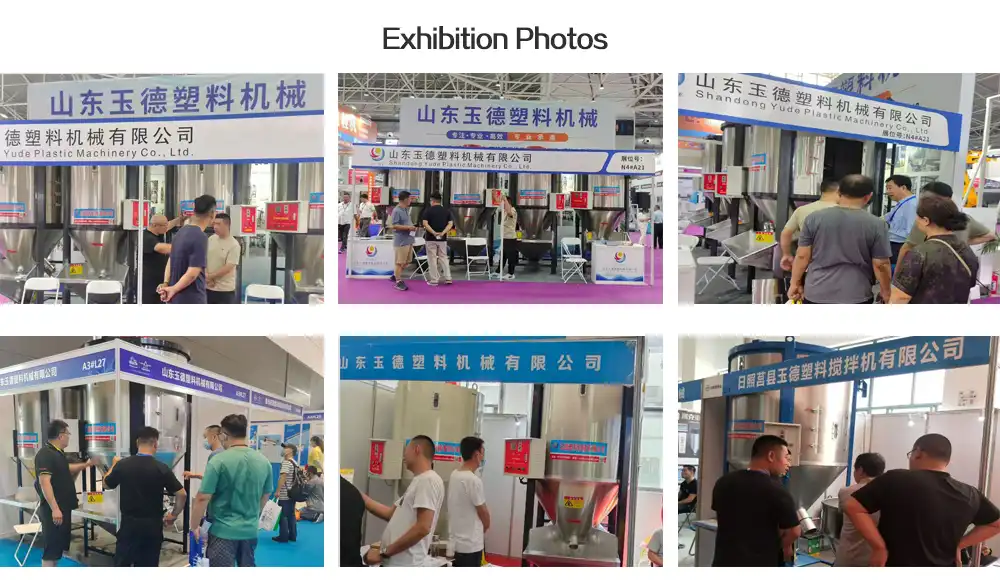
Modern plastic particle silo mixers from companies like Yude Plastic Machinery have wide viewing hatches and smooth-welded internal surfaces that make cleaning them a lot faster. Programmable purge cycles can be set up in their electric control boxes. This makes the material release process more automated and less dependent on human input. This design theory directly answers the problems that procurement teams have when they try to figure out the total cost of ownership.
Choosing the Right Plastic Particle Silo Mixer for Efficient Cleaning and Material Switching
The choices made about what equipment to buy during the buying phase affect how easy it is to clean the machine for its entire life. By choosing the right features at the start, you can avoid expensive repairs or replacements that happen too soon.
Automation and Control Integration
Modern mixers have PLC-controlled cleaning processes that automatically open the output valve, turn on the screw auger, and purge the system with compressed air. Integration with central ERP systems makes it possible to track materials by automatically keeping track of the type of glue used, the time it took to mix, and when it was finished cleaning. This technology cuts down on the work that operators have to do and gets rid of the mistakes that people make that lead to contamination.
Surface Coatings and Material Compatibility
Electropolished stainless steel or PTFE linings are examples of anti-sticking treatments that keep leftovers from sticking. This is especially important when working with sticky materials like TPU or hygroscopic nylons. If you are working with medical or industrial resins, make sure that all of the parts that get wet are made of food-grade stainless steel (304 or 316L). Chemical cleaning must be able to be done over and over on coatings without wearing away or letting contaminants through.
Capacity and Scalability Considerations
Larger mixers may look good for future growth, but they are harder to clean because they have more surface area and leftover volume. Match the size of the tools to the amount of work that needs to be done, keeping in mind that several smaller units may be more flexible than one big bin. Adding parallel mixers to a modular design lets you increase its capacity without having to replace the whole system.
Supplier Evaluation and After-Sales Support
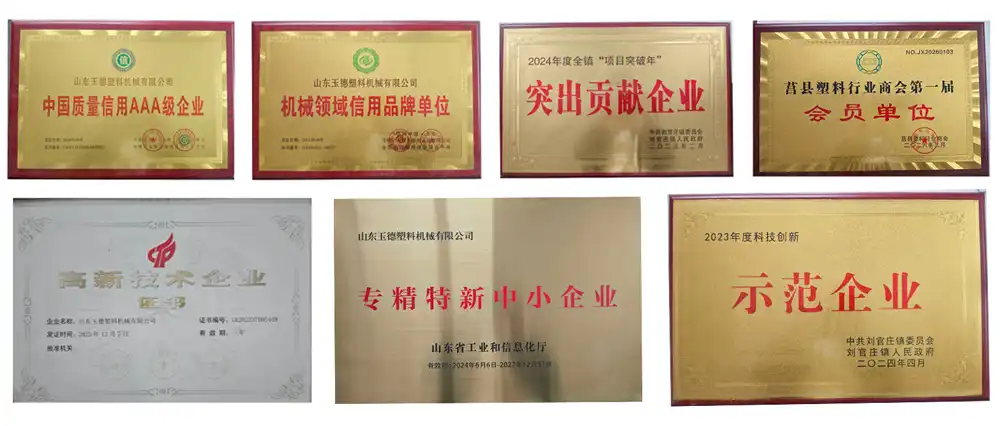
Check the supplier's expert help skills in addition to the equipment specs. Yude Plastic Machinery has a global service network with localized technical teams that can react within 24 hours in the United States and quickly coordinate help in other countries through regional partners. Their 7x24 customer service makes sure that pressing cleaning problems or operational questions get expert help right away, so that output doesn't stop.
When you compare silo mixers to drum tumblers or ribbon blenders, you'll see that vertical silo designs are easier to clean for pellets that move freely. While drum mixers are great at mixing powders, they catch fines in the seams where they spin. Ribbon blenders are great for mixing things evenly, but their internal flights are very complicated and need to be taken apart in order to be cleaned properly. The plastic particle silo mixer is the best choice for facilities that need to change materials quickly because of its simple shape and gravity-assisted release.
Troubleshooting Common Cleaning Issues in Plastic Particle Silo Mixers
Even when operators follow set procedures, they sometimes run into persistent problems that need specific answers. Figuring out the root causes speeds up the settlement process and stops problems from happening again.
Stubborn Residue That Resists Removal
If pellets stay stuck to walls after normal cleaning, it's usually because of too much static electricity or broken down glue. Putting in ionizing air fans gets rid of static charges, which lets particles escape. If the glue has broken down and stuck to the surface, it may need to be scraped off gently with non-metallic tools so as not to damage the finish. Increasing the regularity of cleaning stops damage from building up.
Extended Cleaning Times Disrupting Production
If washing always takes longer than planned, you should look at whether the tools you're using are the best ones for the job. Upgrading to industrial vacuums with a lot of space or automatic spray-ball systems makes getting rid of waste much faster. You could also think about whether the mixer's design itself sets basic limits. For older equipment that doesn't have current quick-access features, it may be better to replace it than to keep trying to find a fix.
Dust Generation and Ventilation Challenges
Fine plastic dust can make things dirty and can also be bad for your health. Make sure that the building's ventilation system moves enough air and that cleaning systems use HEPA filters to get rid of waste. Cleaning rooms with walls or negative-pressure containment zones keep dust from moving to work areas next to them. During cleaning, wetting agents or foam cleaners keep floating particles from moving around.
In order to solve these problems, repair technicians, quality inspection staff, and equipment providers need to work together. The expert team at Yude Plastic Machinery helps customers figure out why problems keep happening and suggests changes like better discharge valves or better air purge systems. This consultative method helps buyers get the most out of the assets they already have before they spend money on new ones.
Conclusion
Cleaning plastic particle silo mixers properly during material changes keeps the quality of the product safe, keeps production on schedule, and increases the life of the equipment. Procurement teams can greatly lower the risk of contamination and operational costs by putting in place systematic cleaning routines, investing in design features that make upkeep easier, and working with suppliers who offer strong technical support. The suggested proactive measures, such as choosing mixers with easy-to-reach inspection ports and setting up maintenance plans based on the calendar, turn cleaning from a bothersome chore into an easy habit. When facilities learn these techniques, they gain a competitive edge through higher output, lower reject rates, and better ability to meet the needs of customers who need quick material changes.
FAQ
How often should I clean my silo mixer when switching materials?
When you change the type of material, especially when you change colors, plastic families, or add-ins, you should clean the mixer. Compatible materials from the same batch may be able to wait longer, but resins that don't mix, like PVC and PE, need to be cleaned right away. For high-value or food-grade uses, even between batches of the same formal material, cleaning is needed to get rid of any traces of contamination.
Can silo mixers be cleaned in place without shutdown?
Because of safety rules and entry needs, most vertical silo mixers have to be turned off completely before they can be cleaned thoroughly. Some more advanced models have constant purge modes that fill the mixing area with the next batch of material. However, this method only works with resins that are suitable, and it could contaminate the first batch of production. Quick-change systems with removable mixing chambers let you clean them while output keeps going with an extra chamber, but they cost a lot more up front.
What cleaning agents are safe for plastic mixers?
Most thermoplastic leftovers can be removed with isopropyl alcohol, light soaps, and biodegradable degreasers. These won't damage stainless steel parts. There are some metals that chlorinated solvents can damage, and they can also leave behind dangerous residues. Talk to the company that makes the mixer to get a list of approved cleaning agents that are safe for both the equipment and the resins you are using. Yude Plastic Machinery includes specific chemical compatibility charts with all of its deliveries to help with safe upkeep.
Partner with Yude Plastic Machinery for Superior Mixing Solutions
If you upgrade to a plastic particle silo mixer that is designed for quick cleaning and flexibility in materials, it will have a direct effect on how well your business runs and how consistent your products are. Yude Plastic Machinery specializes in vertical mixers with capacities from 600 kg to 10 tons. All of their machines have wide inspection hatches, smooth-welded innards, and automatic control systems that keep downtime to a minimum when switching between materials. Our building with stainless steel means that it will last for decades, and the features can be changed to meet special needs, such as food-grade certifications or explosion-proof requirements. As an experienced plastic particle silo mixer maker that works with over 30 countries, we offer expert support in multiple languages, fast shipping of spare parts, and on-site testing services that are suited to the needs of the global supply chain. Email our engineering team at sales@yudemachinery.com to talk about your material handling problems and get a thorough quote that fits your budget and production goals.
References
- Smith, J. R., & Thompson, L. K. (2021). Industrial Mixing Technology for Thermoplastic Processing. Manufacturing Press.
- Chen, W. (2020). Cross-Contamination Control in Multi-Material Production Environments. Journal of Polymer Engineering, 45(3), 287-301.
- European Plastics Processing Association. (2022). Best Practices for Equipment Maintenance in Injection Molding Facilities. Technical Guideline EPP-041.
- Martinez, A., & Patel, R. (2019). Vertical Silo Mixer Design Optimization for Easy Cleanability. Chemical Engineering Progress, 115(8), 42-49.
- International Standards Organization. (2023). ISO 9001:2015 Quality Management Systems - Guidelines for Plastics Manufacturing. Geneva: ISO Publications.
- Williams, D. P. (2022). Total Cost of Ownership Analysis for Industrial Mixing Equipment. Procurement Engineering Handbook Series, Volume 12.
Learn about our latest products and discounts through SMS or email