- English
- French
- German
- Portuguese
- Spanish
- Russian
- Japanese
- Korean
- Arabic
- Greek
- German
- Turkish
- Italian
- Danish
- Romanian
- Indonesian
- Czech
- Afrikaans
- Swedish
- Polish
- Basque
- Catalan
- Esperanto
- Hindi
- Lao
- Albanian
- Amharic
- Armenian
- Azerbaijani
- Belarusian
- Bengali
- Bosnian
- Bulgarian
- Cebuano
- Chichewa
- Corsican
- Croatian
- Dutch
- Estonian
- Filipino
- Finnish
- Frisian
- Galician
- Georgian
- Gujarati
- Haitian
- Hausa
- Hawaiian
- Hebrew
- Hmong
- Hungarian
- Icelandic
- Igbo
- Javanese
- Kannada
- Kazakh
- Khmer
- Kurdish
- Kyrgyz
- Latin
- Latvian
- Lithuanian
- Luxembou..
- Macedonian
- Malagasy
- Malay
- Malayalam
- Maltese
- Maori
- Marathi
- Mongolian
- Burmese
- Nepali
- Norwegian
- Pashto
- Persian
- Punjabi
- Serbian
- Sesotho
- Sinhala
- Slovak
- Slovenian
- Somali
- Samoan
- Scots Gaelic
- Shona
- Sindhi
- Sundanese
- Swahili
- Tajik
- Tamil
- Telugu
- Thai
- Ukrainian
- Urdu
- Uzbek
- Vietnamese
- Welsh
- Xhosa
- Yiddish
- Yoruba
- Zulu
Why choose elevated plastic mixer instead of horizontal blender?
There are big practical benefits to using an elevated plastic mixer instead of a horizontal blender, especially in places where a lot of thermoplastic is being processed. The raised design lets the material fall straight into extruders or other equipment further down the line, without the risk of material separation that comes with horizontal systems. Elevated mixers make production more efficient and consistent by mixing more evenly (often over 98%), mixing faster, and taking up less floor space. This is important for procurement managers who are trying to get the most out of plastic granulation, injection molding, and extrusion lines.
Key Benefits of Elevated Plastic Mixers Over Horizontal Blenders
Vertical pellet processing elevated plastic mixers made for PE, PP, ABS, and PVC uses have clear operating benefits that directly address production problems that industrial fabricators and OEM sourcing teams face. Knowing about these benefits helps match the choice of tools with specific manufacturing goals.
Enhanced Mixing Efficiency and Material Homogeneity
When it comes to spreading out micro-additives, centrifugal mixing in vertical cells works better than horizontal ribbon churning. Vertical systems make sure that stabilizers and lubricants are evenly distributed throughout resin matrices by mixing at 98% or higher uniformity. This is very important for situations where changes in material properties cause problems in downstream processes or flaws in the finished product. This evenness comes from the high shear environment made by the shape and speed of the paddles, which breaks up pigment clumps and keeps the composite formulas' interfacial bonds.
Batch cycle times are usually 30% to 40% shorter than similar horizontal systems. This is because the active mixing and self-friction heating make the systems faster. The mechanical shear changes kinetic energy into thermal energy, quickly raising batch temps to gelation points without the need for additional heating. This cuts down on energy use while speeding up output.
Space Optimization and Maintenance Accessibility
Manufacturing plants are always balancing how much they can make with how much floor room they have. The vertical size takes up about 40% less floor space than horizontal equipment with the same capacity. This means that current facilities can be used to add more processing equipment or expand production lines. The higher output height (from 1,000mm to 1,500mm) puts the mixer directly above the hoppers further downstream. This gets rid of the need for screw conveyors or pneumatic transfer systems, which add more servicing spots and could be sources of contamination.
Vertical layouts make it easy to get to maintenance areas. The raised platform design lets you get to drive systems, seals, and paddle parts without any problems. Inspecting and replacing paddles takes a lot less time than in horizontal systems, where parts are harder to get to because the troughs are so close together. The pneumatic discharge opening at the chamber's base lets all the material out, which keeps products from getting contaminated while they are being switched out and cuts down on the time needed to clean between runs.
Operational Cost Advantages and Energy Efficiency
An analysis of energy use shows that vertical mixing devices have real benefits. Three-phase asynchronous motors with variable frequency drives can soft-start, which lowers peak demand charges and protects mechanical transmission parts from shock loads. The self-friction heating system cuts down on the need for external heating elements, which lowers energy costs, especially in high-volume operations that process many batches every day.
The total cost of ownership goes down when something is reliable over time. Advanced main shaft sealing, which often uses air-purge technology or double-lip designs, stops the escape of ultra-fine powder. This keeps the production area clean and protects the bearing assemblies from harsh contamination. This level of sealing integrity makes bearings last longer and cuts down on unexpected repair that delays production.
Critical Design Features and Performance Metrics for Informed Decision-Making
Material Construction and Durability Considerations
How long a piece of equipment lasts depends a lot on the materials that are used and how they are processed. The building of Q235 carbon steel provides affordable options for non-corrosive uses that involve working with common thermoplastics that don't have any harsh additions. Facilities that work with recipes that contain acidic buffers or that do processing in humid coastal areas benefit from being made of 304 stainless steel, which doesn't rust and keeps its structural integrity even when it's being used continuously.
The shape and material of the blades have a direct effect on how well they mix and how often they need to be serviced. Dynamically balanced paddles made from SUS304 or SUS316L stainless steel are carefully machined to meet G2.5 or better balance standards. This keeps vibrations below 4.5 mm/s at full RPM. This level of accuracy keeps bearings from wearing out and increases the life of mechanical parts. Finishing the inside of the surface to a roughness of Ra 0.4μm – 0.8μm stops material buildup that causes carbonization and batch contamination. This is especially important in PVC processing, where temperature-sensitive recipes break down quickly when exposed to waste that is too hot.
Capacity Specifications and Throughput Analysis
Vertical elevated plastic mixers range from small 300kg units that can be used in the lab or for small batches to large 10-ton systems that are used in factories for high-volume, continuous production lines. To match capacity to output needs, you have to compare batch cycle times to line flow needs. A good-sized mixing system makes sure that later extruders always have enough material without causing jams or needing too much buffer storage.
When figuring out throughput, the heating and cooling parts of the mixing cycle must be taken into account. Depending on how complicated the formula is and what temperature profile is needed, most batches take between 8 and 15 minutes. Parallel mixing systems are often used in factories with more than one production line to keep the flow of materials going even when individual units are being serviced.
Safety Standards and Environmental Compliance
Modern vertical mixing systems have many safety features that protect the user and follow environmental rules. Overload and burning protections built into motor drivers keep equipment from breaking and keep polymer processing safe from the fire risks that come with it. Interlocking systems stop the outlet valve from working during mixing cycles. This keeps the operator from coming into contact with hot materials and preventing spills.
Concerns about airborne particles can be solved by adding dust collection holes at release points. This keeps work areas clean and meets OSHA standards for workplace air quality. Facilities that work with controlled industries, like medical device parts or food-contact packaging, must use equipment that meets FDA material contact standards and has features that make it easy to clean thoroughly.
Procurement Guide: Selecting the Right Elevated Plastic Mixer
Evaluation Criteria for Vendor Selection
Professionals in charge of buying elevated plastic mixers should give priority to producers who can show they can control quality throughout the whole production process. Companies that follow standard production procedures from making the parts to putting them together make sure that all of the equipment they give works the same way. Look for suppliers who use full-process quality inspection systems that check arriving materials, keep an eye on the work in progress, and test each machine before it is delivered to make sure it meets the stated specs.
The technical help skills should be carefully looked at. Suppliers that give customer service 24/7 and keep up area service networks make sure that problems are fixed quickly when they happen. International buyers should make sure that there are local service partnerships or a direct maker support presence in the areas where they do business. This will reduce the risks of downtime that come with shipping parts across borders and getting technicians to those areas.
Flexibility in customization meets the specific needs of production. Standard designs often need to be changed in order to work with special materials or add tools to automatic production lines that are already in place. Manufacturers with in-house engineering teams and fast prototyping tools can quickly and easily make custom solutions, from chamber measurements that aren't standard to the integration of a control system that works with plant automation protocols.
Cost Structure and Commercial Terms
The price of equipment is based on its size, the materials it is made of, and the features it comes with. The total cost of installation should be included in the budget analysis. This includes the cost of the base, the power connections, and the integration with material handling systems. Ask for specific quotes that list the parts that are included, the extras that are optional, and the parts that aren't included and need to be bought separately.
Expected lead times depend on the manufacturer's production plans and the level of customization. Custom-engineered systems may take 12 to 16 weeks to ship, while standard versions usually ship in 4 to 8 weeks. Align the arrival of tools with the times for preparing the facility and starting up the production line. This will help you avoid expensive delays caused by poor coordination.
You can save money by buying in bulk when you need to get a lot of something or build a long-term relationship with a supplier. When manufacturers work with big OEMs, they often set up different price levels based on volume or offer better terms for multi-year framework deals. By negotiating full service packages that include extra parts inventory, preventative maintenance plans, and operator training, you can get the most out of your equipment while keeping costs low over its lifetime.
Conclusion
Vertical mixing technology is better than horizontal designs in a number of important performance areas, including better material homogeneity (above 98%), 30–40% faster batch cycles, less floor space needed, and easier entry for upkeep. The gravity-discharge design of the elevated plastic mixers gets rid of the risk of material segregation and makes it easier to connect to continuous processing lines. When you add in the fact that these systems use less energy and have parts that last longer, they make a strong case for buying managers who want to improve plastic handling operations. As the need for output rises and quality standards get higher, investing in vertical pellet processing equipment is a smart way to stay competitive in the global industrial markets.
FAQ
Which Industries Benefit Most from Elevated Mixing Systems?
Because of the strict needs for temperature control, elevated plastic mixers immediately help companies that make rigid PVC pipes and profiles. When masterbatch makers handle color concentrates, they get better dispersion quality. Wood-plastic composite factories can dry and mix materials at the same time. Injection molding processes that work with engineering thermoplastics benefit from even spread of additives that make sure the mechanical qualities are always the same.
How Do Energy Requirements Compare Between Vertical and Horizontal Systems?
Self-friction heating systems in vertical mixers mean that they need 15–25% less energy per batch than other types of mixers. Adding a variable frequency drive makes the best use of power under different load situations. Cutting cycle times even more will lower the total amount of energy used per kilogram of material handled.
What Customization Options Address Specific Processing Requirements?
Reliable makers offer different chamber capacities, different building materials (carbon steel vs. stainless steel), different blade geometries for different formulations, heating systems that are built in, PLC automation with recipe management, and dust collection systems that are built in. Changes can be made to equipment to make it meet local safety and electricity standards.
Partner with a Trusted Elevated Plastic Mixer Manufacturer
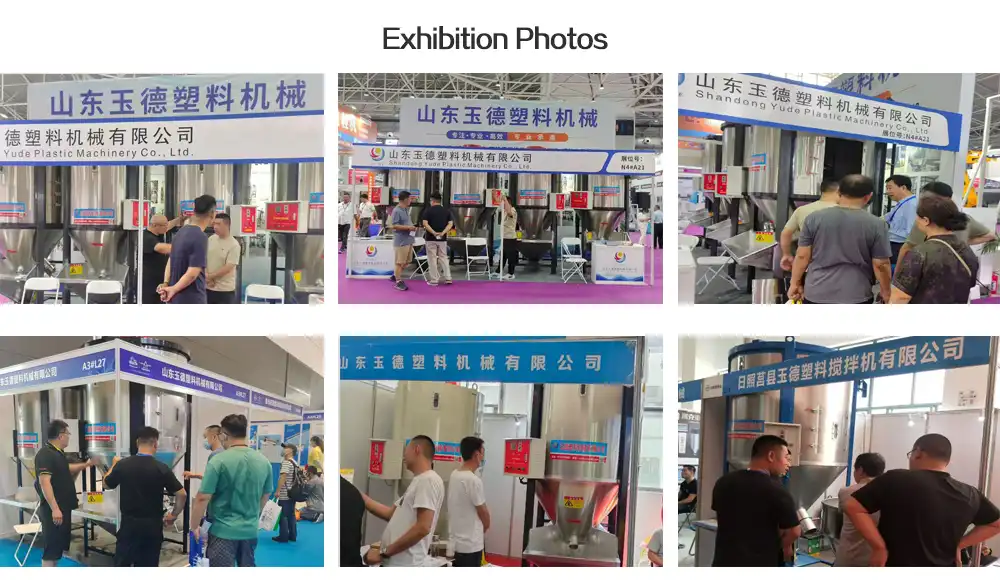
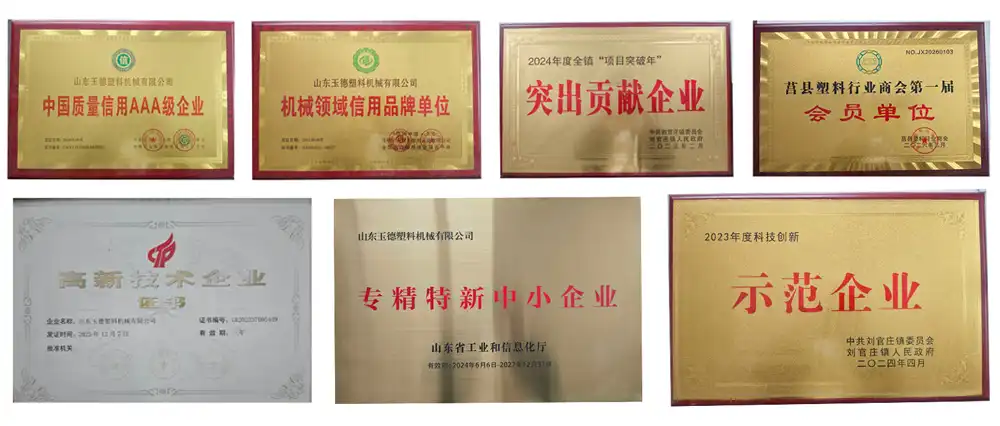
Yude Plastic Machinery has a lot of experience with elevated plastic mixers and works with OEM makers and industrial builders all over the world. Our full line of products includes everything from 300kg lab units to 10-ton production systems. All of them are made following strict quality control procedures to make sure they work reliably in tough production settings. We offer solutions that are in line with your procurement goals. Our capacities can handle a wide range of operating sizes, we can customize equipment to meet specific processing needs, and our prices are cheap thanks to the high volume of production.
You can reach our technical support team at sales@yudemachinery.com for application engineering help. They will help you figure out the best setups for your formulations and output goals. We keep a large stock of extra parts and work with service partners in the region to make sure that all of our North American businesses can get help quickly. Yude Plastic Machinery has the industrial know-how, product quality, and service commitment that procurement professionals need, whether they're creating new production lines or increasing the amount of mixing that can be done at the moment. Talk to us about how our elevated plastic mixer options can help you make more products and make them better by getting in touch with us.
References
- Rauwendaal, C. (2014). Polymer Mixing: A Self-Study Guide. Munich: Hanser Publications.
- White, J.L., & Kim, E.K. (2010). Twin Screw Extrusion: Technology and Principles. Cincinnati: Hanser Gardner Publications.
- Tadmor, Z., & Gogos, C.G. (2013). Principles of Polymer Processing (2nd Edition). Hoboken: John Wiley & Sons.
- Manas-Zloczower, I. (2009). Mixing and Compounding of Polymers: Theory and Practice (2nd Edition). Munich: Hanser Publications.
- Cheng, J.J., & Manas-Zloczower, I. (1998). "Flow Field Characterization in a Banbury Mixer." International Polymer Processing, 13(3), 227-234.
- Potente, H., Ansahl, J., & Klarholz, B. (1994). "Design and Processing Optimization of Extruder Screws." Polymer Engineering and Science, 34(11), 937-945.
Learn about our latest products and discounts through SMS or email