- English
- French
- German
- Portuguese
- Spanish
- Russian
- Japanese
- Korean
- Arabic
- Greek
- German
- Turkish
- Italian
- Danish
- Romanian
- Indonesian
- Czech
- Afrikaans
- Swedish
- Polish
- Basque
- Catalan
- Esperanto
- Hindi
- Lao
- Albanian
- Amharic
- Armenian
- Azerbaijani
- Belarusian
- Bengali
- Bosnian
- Bulgarian
- Cebuano
- Chichewa
- Corsican
- Croatian
- Dutch
- Estonian
- Filipino
- Finnish
- Frisian
- Galician
- Georgian
- Gujarati
- Haitian
- Hausa
- Hawaiian
- Hebrew
- Hmong
- Hungarian
- Icelandic
- Igbo
- Javanese
- Kannada
- Kazakh
- Khmer
- Kurdish
- Kyrgyz
- Latin
- Latvian
- Lithuanian
- Luxembou..
- Macedonian
- Malagasy
- Malay
- Malayalam
- Maltese
- Maori
- Marathi
- Mongolian
- Burmese
- Nepali
- Norwegian
- Pashto
- Persian
- Punjabi
- Serbian
- Sesotho
- Sinhala
- Slovak
- Slovenian
- Somali
- Samoan
- Scots Gaelic
- Shona
- Sindhi
- Sundanese
- Swahili
- Tajik
- Tamil
- Telugu
- Thai
- Ukrainian
- Urdu
- Uzbek
- Vietnamese
- Welsh
- Xhosa
- Yiddish
- Yoruba
- Zulu
Complete Buying Guide for HDPE Plastic Particle Mixer
To choose the right HDPE plastic particle mixer, you need to know what you want to make, how the material works, and your operating goals. This book tells you about important technical specs, performance standards, and buying tips that are specifically made for making high-density polyethylene. The tips in this article can help you make decisions more easily, whether you're expanding your extrusion lines or making sure that the color spreads evenly in blow molding. This guide is based on decades of manufacturing experience and real-life feedback from procurement engineers across North America. It talks about common problems like static buildup, material segregation, and equipment durability to help you choose mixing technology that gives you a good return on investment.
HDPE Plastic Particle Mixers: Technology and Applications
What Defines an HDPE Plastic Particle Mixer?
Before extrusion or injection molding, an HDPE plastic particle mixer is used to mix high-density polyethylene resins, color masterbatches, impact enhancers, and recovered regrind materials into a smooth consistency. Professional tools, not regular agitators, can handle the unique high-bulk-density and friction-sensitive properties of HDPE. The main job is to keep the material from separating into layers, get rid of color differences in finished goods, and make sure the Melt Flow Index is the same everywhere. Getting a uniform mix, usually through vertical cyclonic or horizontal ribbon action, keeps molecular structure inputs stable and stops structural flaws in important areas like pressure lines or car parts.
Core Mixing Technologies Explained
There are three main ways that modern mixing devices work. Agitator-style mixers have paddles that spin inside vertical tanks to make turbulent flow patterns that lift and cascade particles. These mixers are great for batch operations that need to switch between batches quickly. Static mixers use spiral parts inside pipes to constantly split and rejoin material streams. They are best for mixing inline during extrusion but are less adaptable for making changes to the recipe. Modern vertical mixers have perfectly balanced speeds between 250 and 450 RPM and spiral mixing structures that work best for mixing. This makes sure that the material mixes quickly without making too much heat, which could soften HDPE pellets too soon. Each technology is best for different production sizes and levels of freedom.
Industrial Applications Across Sectors
Using mixing tools is important in many areas that need to make sure materials are always the same. When making pressure pipes that meet ISO 4427 standards, mixers make sure that the carbon black masterbatch is spread out evenly in the gas and water pipe materials. UV damage and burst pressure problems in outdoor systems are caused by bad mixing. To make chemical containers that pass drop tests and external stress crack resistance standards, blow molding operations need to carefully mix anti-static agents with high-molecular-weight HDPE. Post-consumer recycling processes mix new resin with recovered flakes. This evens out differences in melt properties so that gauge thickness stays the same, even if the raw materials change.
Safety Protocols and Compliance Standards
To use mixing tools safely, you have to follow set rules that protect both people and the quality of the work. Lid interlock systems keep people from getting in by mistake while the machine is running, and emergency stop features let the machine shut down right away. When working with fine HDPE powder or degraded regrind, you need dust filtration holes to keep the workplace clean and safe for everyone. HDPE's high friction makes static electricity a risk, but grounded stainless steel cells reduce that risk. For equipment used with food or medicine, the inside must have a smooth, mirror-polished finish with a roughness level below 0.8 micrometers so that it can be cleaned thoroughly and keep batches from getting contaminated.
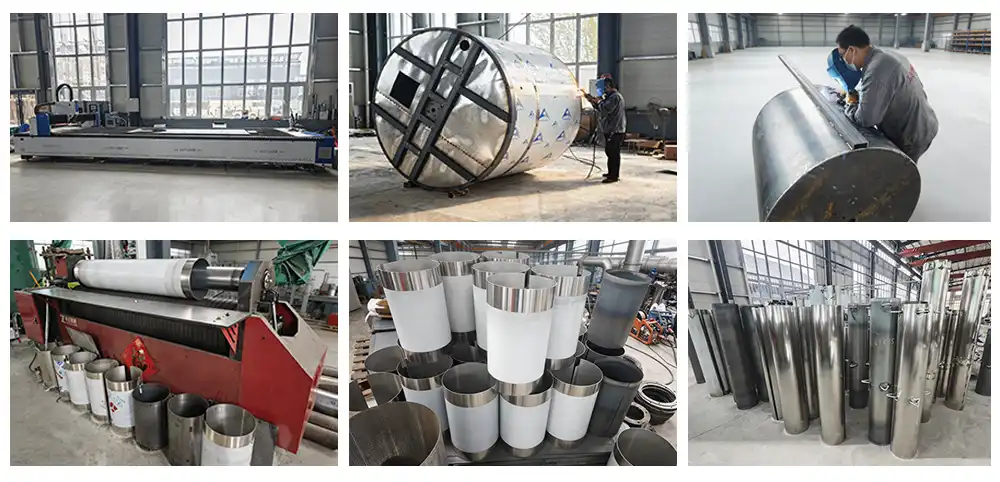
Choosing the Right HDPE Plastic Particle Mixer: Key Criteria and Comparisons
Evaluating Core Selection Criteria
The first step in choosing the right HDPE plastic particle mixers is to figure out how much power you need based on your hourly throughput needs. One-ton batch mixers that work in 10- to 12-minute rounds, including loading and unloading, help production lines that handle 500 kg per hour. Beyond HDPE, material compatibility can also be thought of when adding new resins with different amounts of regrind or masterbatch, up to 30%. When comparing energy efficiency, it's important to look at the full costs of running the business, such as the electricity used, the compressed air needed for pneumatic gates, and any heating elements that might be used to dry recycled materials after they've been washed. Accessibility for maintenance affects long-term costs, and quick-release paddles and viewing doors cut down on service time.
Material-Specific Design Differences: HDPE versus PVC
Particles of both plastics are mixed, but HDPE plastic particle mixer designed for polyvinyl chloride is very different from equipment designed for HDPE. To activate stabilizers and oils before extrusion, PVC processing often needs rooms heated to 150°C. HDPE is mixed at room temperature most of the time, unless it is handling clean recycle that needs to be dried out. For HDPE chamber building, smooth internal finishes that stop static buildup are important, while for PVC equipment, temperature uniformity is more important. Standard HDPE mixers work better with glass-fiber reinforced materials when the blades are sprayed with tungsten carbide and the walls of the tank are made thicker to protect them from sharp additives.
Leading Equipment Models for 2024
When procurement pros look at what's on the market right now, they should keep a few performance standards in mind. Vertical mixers weighing between 500 kg and 1,000 kg have become workhorses in the industry because they offer the best balance between batch efficiency and switching flexibility. Standard types made of SUS304 stainless steel work for most uses. For medicinal and food-contact uses, however, SUS316 grades that don't rust are needed. There are many advanced control choices, from simple digital timers that can be set and operated by hand to programmable logic controller interfaces that can store recipe parameters for various HDPE grades, such as black pipe compound or milk jug recycle mixes. Instead of depending only on marketing specs, buyers should ask for performance proof data that shows reached uniformity percentages and normal cycle times.
Procurement Best Practices for HDPE Plastic Particle Mixers
Understanding Pricing Trends and Budget Planning
Costs of HDPE plastic particle mixer change a lot depending on its size, the materials used to build it, and how much automation it has. Beginner 300–500 kg mixers with hand settings usually cost between $8,000 and $15,000. These are good for small businesses or new businesses. Systems that weigh between 1 and 3 tons, have PLC controls, and are made of stainless steel cost between $18,000 and $35,000. This is the perfect price range for well-known makers. Large automatic systems that can handle 5 to 10 tons of material cost more than $50,000, but they save money by producing more. A 10-15% discount is common when you buy a lot of units at once. However, freight costs from production hubs to North American destinations can add an extra $1,200 to $3,500, based on the size and weight of the equipment.
Evaluating Suppliers and Manufacturers
Buying from well-known companies guarantees access to tried-and-true designs backed by proof of quality control. Buyers should check the certifications of the production center, ask for lists of past clients as references, and look over the guarantee coverage, which for major parts usually lasts between 12 and 24 months. During installation and commissioning, responsive technical support is very helpful. Reliable HDPE plastic particle mixer suppliers offer English-language guides, installation instructions, and help with fixing problems. When you buy something from another country, service networks are very important. For example, when manufacturers work with North American service providers, they can supply parts faster and provide on-site help than when they only work with manufacturers, which means that replacement parts have to be shipped over to the other country for a long time.
Logistics and Documentation Requirements
Buying HDPE plastic particle mixers from other countries requires careful planning of sending paperwork, clearing customs, and making sure that rules are followed. Suppliers who have worked with exports before can provide business bills, packing lists, and certificates of origin that make the customs process go more smoothly. When compared to units that need expensive changes to meet power and safety requirements, equipment that meets UL or CSA electrical standards is easier to integrate into North American facilities. Lead times range from 30 to 60 days from placing an order to delivery. They depend on how customized the product needs to be, how busy the factory is right now, and whether you choose standard ocean freight or faster air transport for urgent needs.
Conclusion
Getting the right HDPE plastic particle mixer has a big effect on the quality of the products you make, how efficiently you run your business, and how much money you make in the long run. This guide has listed important technical things to think about, like how mixing works, checking the identities of suppliers, and keeping equipment in good shape so it lasts as long as possible. The key is to make sure that the mixer's specs meet your unique processing needs and to build relationships with manufacturers that offer strong support throughout the lifecycle of the equipment. North American manufacturers are under more and more pressure to keep quality high while keeping costs low. As a result, proven mixing technology is no longer just something they can buy, it becomes an important economic edge.
FAQ
How do we prevent static electricity buildup when mixing HDPE pellets?
During high-friction mixing processes, HDPE makes static electricity. As the main defense, grounded stainless steel tanks are used in professional tools. A lot of companies can make mixers with charged air nozzles that get rid of any charges that have built up. On the other hand, running at the best low-shear speeds, which are between 250 and 350 RPM, lowers friction while keeping the right mixing strength. This stops particles from sticking together and stopping the machine from blending properly.
Can this mixer handle glass-fiber reinforced HDPE?
Standard types wear out faster when working with glass-filled materials because the reinforcement threads are rough. To mix materials with glass fibers, you need tools that have been coated with tungsten carbide thermal spray or another layer that doesn't wear off easily. Tank walls that are thicker and last longer are necessary for long-term activities. If a buyer wants to handle reinforced compounds, they should make sure that the tools they choose meets their needs instead of trying to use standard setups.
What consists of daily maintenance for mixing equipment?
As part of the daily checks, the release gate is checked for any leftover material that could contaminate other runs. Operators should check the tightness of the belts on drive systems to make sure that power is transferred correctly and there is no slipping. Auto-lubrication systems need to be checked regularly to make sure the bearings get enough oil to keep them from seizing up when heavy loads are applied. Compared to reactive maintenance methods, these simple steps, which take about 10 to 15 minutes per shift, greatly reduce unexpected downtime and increase the life of parts.
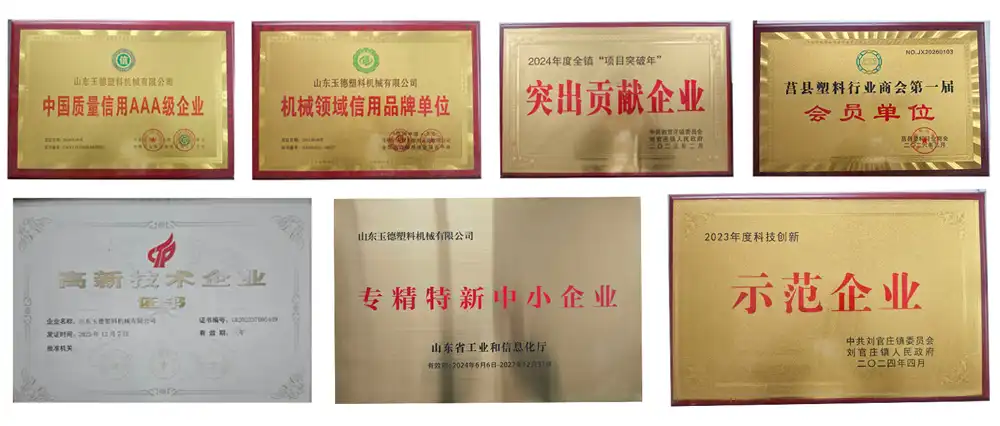
Partner with Yude Plastic Machinery for Superior HDPE Plastic Particle Mixer Solutions
Yude Plastic Machinery has become a reliable maker of HDPE plastic particle mixers that works with purchasing teams in over 30 foreign markets and all over North America. Our vertical mixers can handle loads from 300 kg to 10 tons. They have improved spiral mixing structures that make the mixtures ≥98% uniform in 3 to 10 minute cycles. We offer customized equipment that meets your exact needs, international interfaces, and compliance with regional standards. Our services are backed by strict quality control systems and a global support network that is open 24 hours a day, seven days a week. You can email our engineering team at sales@yudemachinery.com to talk about your material mixing problems and get personalized advice along with competitive quotes. Our tried-and-true technology is trusted by more than 1,000 happy customers to deliver steady quality and great long-term value.
References
- McKeen, L.W. (2017). Fatigue and Tribological Properties of Plastics and Elastomers (3rd ed.). William Andrew Publishing.
- Tadmor, Z., & Gogos, C.G. (2013). Principles of Polymer Processing (2nd ed.). John Wiley & Sons.
- Rauwendaal, C. (2014). Polymer Extrusion (5th ed.). Hanser Publications.
- Goodship, V. (2007). Introduction to Plastics Recycling (2nd ed.). Smithers Rapra Technology.
- Throne, J.L. (2008). Understanding Thermoforming (2nd ed.). Hanser Gardner Publications.
- Belofsky, H. (2009). Plastics: Product Design and Process Engineering. Hanser Publications.
Learn about our latest products and discounts through SMS or email