- English
- French
- German
- Portuguese
- Spanish
- Russian
- Japanese
- Korean
- Arabic
- Greek
- German
- Turkish
- Italian
- Danish
- Romanian
- Indonesian
- Czech
- Afrikaans
- Swedish
- Polish
- Basque
- Catalan
- Esperanto
- Hindi
- Lao
- Albanian
- Amharic
- Armenian
- Azerbaijani
- Belarusian
- Bengali
- Bosnian
- Bulgarian
- Cebuano
- Chichewa
- Corsican
- Croatian
- Dutch
- Estonian
- Filipino
- Finnish
- Frisian
- Galician
- Georgian
- Gujarati
- Haitian
- Hausa
- Hawaiian
- Hebrew
- Hmong
- Hungarian
- Icelandic
- Igbo
- Javanese
- Kannada
- Kazakh
- Khmer
- Kurdish
- Kyrgyz
- Latin
- Latvian
- Lithuanian
- Luxembou..
- Macedonian
- Malagasy
- Malay
- Malayalam
- Maltese
- Maori
- Marathi
- Mongolian
- Burmese
- Nepali
- Norwegian
- Pashto
- Persian
- Punjabi
- Serbian
- Sesotho
- Sinhala
- Slovak
- Slovenian
- Somali
- Samoan
- Scots Gaelic
- Shona
- Sindhi
- Sundanese
- Swahili
- Tajik
- Tamil
- Telugu
- Thai
- Ukrainian
- Urdu
- Uzbek
- Vietnamese
- Welsh
- Xhosa
- Yiddish
- Yoruba
- Zulu
Best Practices For Uniform Plastic Color Mixing
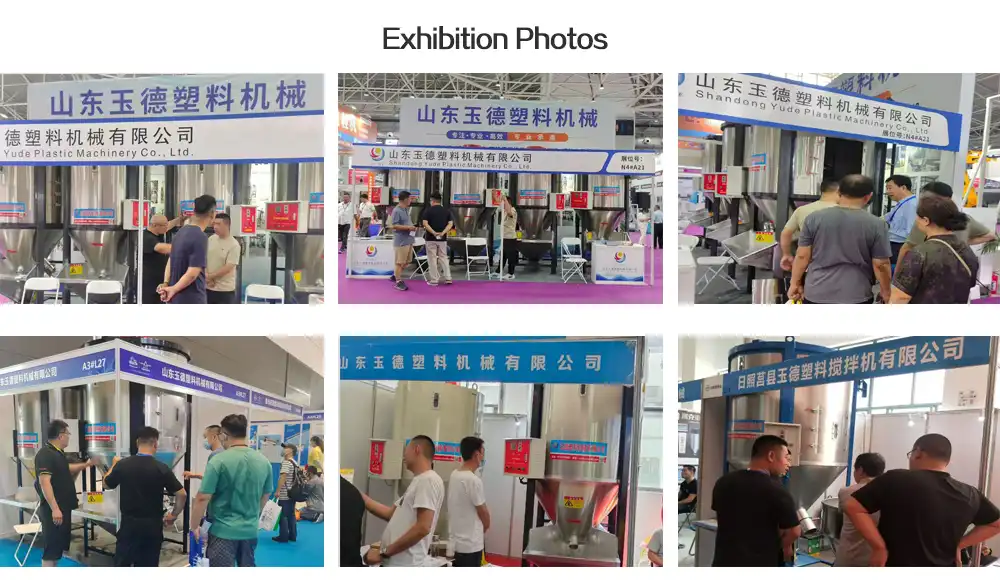
To mix plastic colors evenly, you need to plan how to prepare the materials, pick the right tools, and keep an eye on the whole process. Modern plastic material color mixers are very important for getting rid of color streaks, lowering the number of rejects, and making sure that accuracy from batch to batch is maintained. When procurement teams buy dependable vertical spiral lift mixers that mix materials evenly more than 99% of the time, they can easily connect them to processes like extrusion, film blowing, and injection molding. This guide talks about the technical, tactical, and strategic aspects that engineering teams and procurement managers need to know in order to improve color matching processes and build strong partnerships with equipment manufacturers.
Best Practices for Achieving Uniform Color Mixing
To get better mixing uniformity, you need to pay careful attention to how you handle the materials, the process settings, and the maintenance of your tools. These steps make sure that the color output is stable and get the best return on investment.
Raw Material Preparation and Handling
Pre-conditioning things before mixing them makes the results much better. Resin pellets and masterbatch should be kept in climate-controlled areas so that they don't absorb water, which can change the color or leave surface flaws. To keep colors from changing from batch to batch, make sure that masterbatch lot numbers stay the same across production runs. It is very important to use the right amount of colorants. Gravimetric feeds are more accurate than volumetric methods, especially when working with masterbatch that has different bulk densities. When materials come in, they are screened to get rid of any contaminants or large bits that could mess up the mixing.
Optimizing Mixing Parameters
The mixing time, screw speed, and batch size all have a direct effect on how regular the color is. Depending on the features of the material and the quality of the dispersion you want, mixing rounds usually last between 20 and 90 minutes. Plastic material color mixers that run at speeds between 30 and 60 RPM are a good balance between thorough mixing and gentle handling of pellets. When mixers are overloaded beyond their stated capacity, movement is slowed down and dead zones form where materials don't get mixed. When working with heat-sensitive resins, it's important to keep the temperature under control. Insulated tanks or jacketed designs keep the temperature from dropping during long mixing processes.
Maintenance and Contamination Prevention
Cross-contamination can't happen when you switch colors or grades of material because of regular cleaning procedures. 304 stainless steel tanks are perfect for factories that make more than one color line because their stainless steel design makes them easier to clean than carbon steel surfaces. Once a month, check the screw flights and tank innards for material growth or wear patterns that show the machine isn't aligned correctly. Every 1,000 hours of use, grease the bearings with high-temperature grease that is rated for constant service. Quickly replace any old seals to keep grease from leaking into material streams. Set up written repair plans to make tools last longer and reduce unplanned downtime.
Comparing Plastic Color Mixer Options for Procurement Decisions
To choose the right mixing tools, you need to look at its useful design, capacity alignment, energy efficiency, and compatibility with the materials you will be using. By knowing about these things, buying teams can find a balance between performance needs and the total cost of ownership.
Vertical vs. Horizontal Mixer Designs
Vertical mixers with spiral lifting devices are great at mixing pellets gently while keeping their shape and generating as little dust as possible. These units work well for tasks that need to keep the purity of the pellets, like precise injection molding for medical or car parts. Horizontal ribbon mixers have a higher mixing strength, which is helpful when adding flame retardants or UV stabilizers that need to be spread out quickly. It's also important to think about the mixer's footprint. Vertical mixers take up less floor room, which is helpful in places with limited space.
Capacity Matching and Scalability
The plastic material color mixer's ability needs to match the amount of work that is done each hour. As a general rule, you should choose a mixer that has an extra cost of 20% of the peak hourly usage. Compact vertical mixers with 0.75kW to 3kW motors are good for small businesses that process 300 kg to 500 kg per batch. High-volume factories that run injection molding cells or extrusion lines at rates of several tons per hour need industrial plastic material color mixers that weigh between 5 and 10 tons and have drive systems that range from 7.5kW to 15kW. When production grows, modular designs let capacity grow without having to update all the equipment.
Material Construction and Multi-Color Flexibility
The cost-effective performance of Q235 carbon steel construction makes it ideal for specialized color lines where changeovers don't happen very often. 304 stainless steel tanks should be used by businesses that make a wide range of colors or serve customers who have high standards for pollution. Stainless steel surfaces can be polished to a mirror finish, which makes it easier to clean between color runs and lessens the stickiness of leftovers. Electric control cabinets with customizable timers and motor overload protection make the process safer and more consistent, which is very important when you are in charge of a lot of different SKUs or custom color formulas.
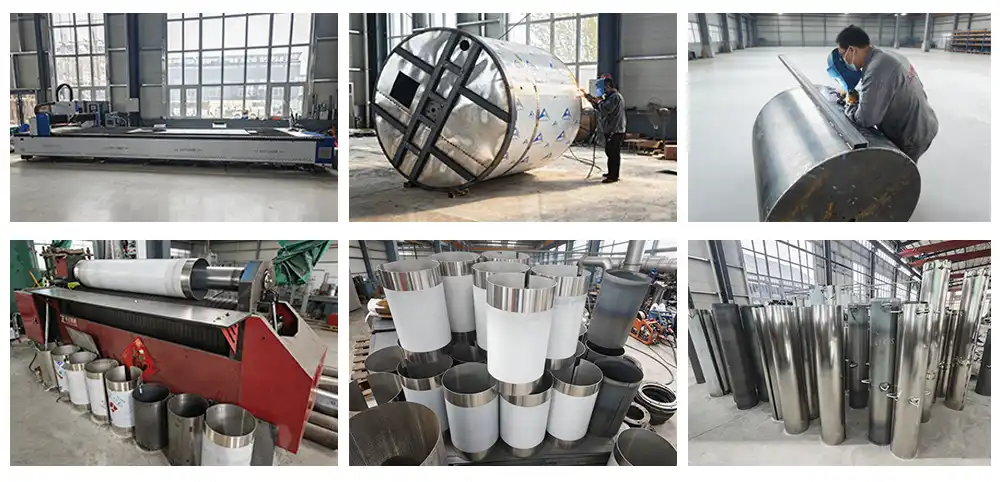
Procurement and Vendor Selection Guide for Plastic Color Mixers
To find the right suppliers, you need to look at their professional skills, service promises, and business terms that fit with your long-term working goals.
Identifying Reliable Suppliers
Reputable makers have production capacities that can be checked, quality standards, and customer bases that span many industries. Suppliers who have their own factories are better able to control the quality of parts and wait times than middlemen or resellers. Check that the company is certified by ISO 9001 and ask for proof of their quality control procedures, such as the steps they take to check arriving materials and test finished equipment. Manufacturers who offer factory acceptance testing (FAT) give customers peace of mind that their equipment meets all the requirements before it is shipped.
Pricing and Customization Capabilities
The price of a plastic material color mixer depends a lot on its size, the materials it's made of, and how complex its control system is. Beginner 300 kg carbon steel vertical mixers usually cost between $2,500 and $5,000. Industrial 5-ton stainless steel units with complex settings can cost more than $25,000. Ask for thorough quotes that list the types of materials used, the names of motors, and any extras that come with the quote, like hoppers or discharge valves. Custom changes like explosion-proof motors for dangerous areas, jacketed tanks for temperature control, or foreign control interfaces for facilities in other countries show that the provider is flexible and has engineering skills.
Delivery Logistics and After-Sales Support
The time it takes to get an order to delivery is usually between 4 and 8 weeks, but this depends on how complicated the customization is and how busy the production plan is. Make sure that foreign sales have clear shipping terms, help with import paperwork, and installation help. Full warranty coverage should include at least 12 months of support for problems with the products and the work. Responding after-sales support with technical help available 24 hours a day, spare parts, and on-site service choices lowers operating risk. Suppliers who keep thorough records on their customers' tools and send out proactive repair notes show that they want to work with their customers for a long time.
Case Studies and Summarized Recommendations
Real-life examples show that following best practices and choosing the right mixing tools has real benefits. A business that makes parts for the inside of cars switched from a horizontal mixer that was 15 years old to a new vertical plastic material color mixer that meets the 99% regularity standard. After the update, research showed that reject rates dropped from 8% to less than 2%. This was because the colorants were spread out better and the pellets didn't break down as quickly. The annual savings on materials were more than $45,000, and the equipment investment was paid back in 18 months. Customers were less likely to worry about color differences between production lots when there was more regularity.
A company that sells wrapping film to the food business teamed up with a company that makes plastic material color mixers that are made of stainless steel and can be switched out quickly. This partnership made it possible to grow into high-value specialty films that need to change colors often. The time it took to clean between colors went from 90 minutes to 30 minutes, which added 12 hours of useful work time each year. The wholesaler increased the number of colors in its catalog from 15 to 40, which helped it gain market share in premium packaging areas.
These cases show how important it is to match the powers of equipment to the problems that need to be solved in production. Procurement teams should give more weight to providers that offer application-specific design knowledge, high-quality building, and complete support ecosystems. Buying tools that can mix materials evenly (more than 99% of the time), work with a variety of materials, and have a capacity that can be increased gives producers a long-term competitive edge.
Conclusion
To mix plastic colors evenly, you need to carefully prepare the materials, make sure the process settings are just right, and use reliable tools that are designed to work the same way every time. Injection molding, extrusion, and film production all have quality problems that need to be fixed with vertical spiral lift mixers that produce 99% consistency. Decisions about what to buy should be based on which providers can show they have the technical know-how, are honest about how they make things, and are committed to long-term service. By following these best practices and choosing equipment that fits their production size and material needs, B2B makers can improve the quality of their products, lower their costs, and make their businesses more competitive in the market.
FAQ
How Often Should Color Mixers Be Calibrated?
How often calibration is done depends on how much is being made and how different the materials are. High-volume operations that process several color batches every day should test samples and look at the whole batch once a month to make sure that the mixing is regular. Facilities with specialized color lines may be able to review calibrations every three months instead of every six months. When reject rates go up or color accuracy problems show up, calibration checks need to be done right away. To find performance trends, keep accurate records of mixing times, batch weights, and colorant ratios.
Can Vertical Mixers Handle Both Powders and Pellets?
Vertical spiral lift mixers are mostly made for mixing pellets together. Fine powders tend to drop to the bottom of tanks or form dust clouds, which makes mixing less effective. When adding powder to pellet streams, make sure the powder volume is less than 10% by weight and mix the pellets for longer. For tasks that need to mix powders well, horizontal ribbon mixers or high-speed turbo mixers designed for powder dispersion are good options.
What Indicates Uneven Mixing During Production?
Color lines or spots on molded parts, uneven surface gloss, or changes in mechanical qualities between production runs are all visual signs. Keep an eye on the number of scraps and customer complaints about quality as early danger signs. Do pull-aside tests on a regular basis, where samples from different mixer zones are formed separately and then looked at side by side. Significant color differences between samples show that the mixing wasn't done right and that parameters need to be adjusted or equipment needs to be serviced.
Partner with Yude Plastic Machinery for Superior Color Mixing Solutions
Shandong Yude Plastic Machinery Co., Ltd. specializes in manufacturing vertical color mixers engineered for consistent performance across injection molding, extrusion, and film production applications. Our equipment achieves mixing uniformity exceeding 99%, ensuring precise colorant dispersion that eliminates streaking and reduces reject rates. We offer capacities from 300kg to 10 tons with flexible material options including Q235 carbon steel and 304 stainless steel construction. Electric control cabinets with motor overload protection deliver safe, reliable operation backed by comprehensive warranty coverage and 24-hour technical support. As an established plastic material color mixer manufacturer serving customers across 30 countries, we provide customized solutions aligned with your production requirements and industry standards. Contact our engineering team at sales@yudemachinery.com to discuss your color mixing challenges and receive tailored equipment recommendations that enhance your manufacturing efficiency.
References
1. Crawford, R.J. and Throne, J.L. (2002). Rotational Molding Technology. William Andrew Publishing.
2. Rauwendaal, C. (2014). Polymer Mixing: A Self-Study Guide. Hanser Publications.
3. Tadmor, Z. and Gogos, C.G. (2013). Principles of Polymer Processing. John Wiley & Sons.
4. Cheng, H. and Manas-Zloczower, I. (1997). "Study of Mixing Efficiency in Kneading Discs of Co-Rotating Twin-Screw Extruders." Polymer Engineering & Science, 37(6), 1082-1090.
5. White, J.L. and Kim, E.K. (2010). Twin Screw Extrusion: Technology and Principles. Hanser Publications.
6. Osswald, T.A. and Hernández-Ortiz, J.P. (2006). Polymer Processing: Modeling and Simulation. Hanser Publications.
Learn about our latest products and discounts through SMS or email