- English
- French
- German
- Portuguese
- Spanish
- Russian
- Japanese
- Korean
- Arabic
- Greek
- German
- Turkish
- Italian
- Danish
- Romanian
- Indonesian
- Czech
- Afrikaans
- Swedish
- Polish
- Basque
- Catalan
- Esperanto
- Hindi
- Lao
- Albanian
- Amharic
- Armenian
- Azerbaijani
- Belarusian
- Bengali
- Bosnian
- Bulgarian
- Cebuano
- Chichewa
- Corsican
- Croatian
- Dutch
- Estonian
- Filipino
- Finnish
- Frisian
- Galician
- Georgian
- Gujarati
- Haitian
- Hausa
- Hawaiian
- Hebrew
- Hmong
- Hungarian
- Icelandic
- Igbo
- Javanese
- Kannada
- Kazakh
- Khmer
- Kurdish
- Kyrgyz
- Latin
- Latvian
- Lithuanian
- Luxembou..
- Macedonian
- Malagasy
- Malay
- Malayalam
- Maltese
- Maori
- Marathi
- Mongolian
- Burmese
- Nepali
- Norwegian
- Pashto
- Persian
- Punjabi
- Serbian
- Sesotho
- Sinhala
- Slovak
- Slovenian
- Somali
- Samoan
- Scots Gaelic
- Shona
- Sindhi
- Sundanese
- Swahili
- Tajik
- Tamil
- Telugu
- Thai
- Ukrainian
- Urdu
- Uzbek
- Vietnamese
- Welsh
- Xhosa
- Yiddish
- Yoruba
- Zulu
What precautions should be taken when operating a plastic granule mixer?
Operating a plastic granule mixer safely requires adherence to specific protocols that protect personnel while maintaining equipment integrity. Critical precautions include conducting pre-operation mechanical inspections, verifying all safety guards are secured, ensuring proper grounding of electrical systems, and wearing appropriate personal protective equipment such as safety glasses and dust masks. Operators must avoid overloading the mixer beyond rated capacity, monitor operating temperatures to prevent material degradation, and maintain clear communication during loading and discharge cycles. Proper ventilation reduces dust accumulation, while lockout-tagout procedures during maintenance prevent accidental startups. These measures collectively minimize workplace injuries, equipment failures, and production disruptions in plastic processing facilities.
Risks in Operating Plastic Granule Mixers
The safe operation of vertical mixers for plastic granules begins with recognizing potential hazards inherent in mechanical processing equipment. Polymer blending systems present multiple risk categories that procurement engineers and plant managers must address through comprehensive safety protocols.
Mechanical Hazards from Rotating Components
The vertical shaft agitation system generates a large amount of kinetic energy with the rotation of the helical screw . Typical speeds of operation are in the 200-400 RPM range , depending on the size of the batch and the density of the material . Rotating elements are exposed and pose a risk of entanglement , especially when the operator is inspecting or cleaning the material manually . The cyclonic flow pattern developed during the mixing process creates strong suction forces in the vicinity of the discharge area and can pull loose clothing or improperly secured tools into the machinery . Advanced equipment from manufacturers such as Yude Plastic Machinery has interlocked safety guards that automatically stop the motor when access panels are open , dramatically reducing the risk of contact injuries . Exposed spinning parts present entanglement hazards, especially during physical examination or cleaning of the material. The swirling flow pattern created during mixing generates strong suction forces at the discharge area that might pull loose garments or poorly fastened items into the machine. Yude Plastic Machinery and other modern equipment manufacturers use interlocked safety guards that automatically turn off the motors when the access panels are opened, thus minimising the possibility of contact accidents.
Electrical System Vulnerabilities
Three-phase asynchronous motors that power vertical plastic pellet processing equipment operate at industrial voltage levels that present electrocution hazards if proper isolation protocols are not followed. Dust accumulation on electrical enclosures can create conductive paths, particularly in humid environments where hygroscopic materials such as nylon pellets are processed. Equipment constructed to IP54 or higher ingress protection ratings prevents particulate matter from infiltrating motor housings and control panels. Overload protection devices built into quality mixers automatically disconnect power when abnormal current draw indicates mechanical binding or motor strain, preventing catastrophic failures. Dust deposits on electrical enclosures can provide conductive channels . This is particularly true in humid conditions where the processing of hygroscopic materials such as nylon pellets is involved. Equipment manufactured to IP54 or higher ingress protection ratings inhibits particle penetration into motor housings and control panels. Quality mixers incorporate overload protection devices that automatically disconnect power in the event of abnormal current draw due to mechanical binding or motor strain, thus preventing catastrophic failures.
Dust Inhalation and Respiratory Concerns
Fine particulates are generated from common plastic pellets such as PE, PP, ABS and PVC, especially if regrind materials with fractured surfaces are processed. Airborne polymer dust may cause respiratory irritation and occupational asthma in sensitive individuals when inhaled for prolonged periods. The mixing process, especially with high-speed agitation, generates a dust cloud that escapes through unsealed openings during loading operations. A closed-system operation with integrated dust collection minimises airborne contamination in the production environment. Repeated inhalation of polymer dust in air may irritate the respiratory tract and cause occupational asthma in sensitive workers. During the mixing process, and especially during agitation at high speed, a dust cloud is generated which escapes via unsealed holes during loading operations. Closed-system operation with integrated dust collection minimises airborne pollution in the production area.
Material Contamination and Cross-Batch Issues
Residual material from previous batches can contaminate subsequent production runs, potentially compromising colour uniformity and mechanical characteristics. This is especially problematic when shifting from pigmented masterbatch to natural resin colours. Stainless steel models, like the 304 grade surfaces on Yude equipment, allow for proper cleaning and eliminate the risk of rust contamination that can detract from the finished product’s look. Residual material carryover also impacts regulatory compliance for applications needing virgin resin certification or food-grade contact approvals. This is especially difficult when moving from coloured masterbatch compositions to natural resin colours. For example, in Yude equipment you may also pick for stainless steel construction choices, such as 304-grade surfaces that make it easier to clean thoroughly and avoid rust contamination that ruins completed product look. Material carryover also impacts regulatory compliance for applications that require certification for virgin resin or food-grade contact authorisation.
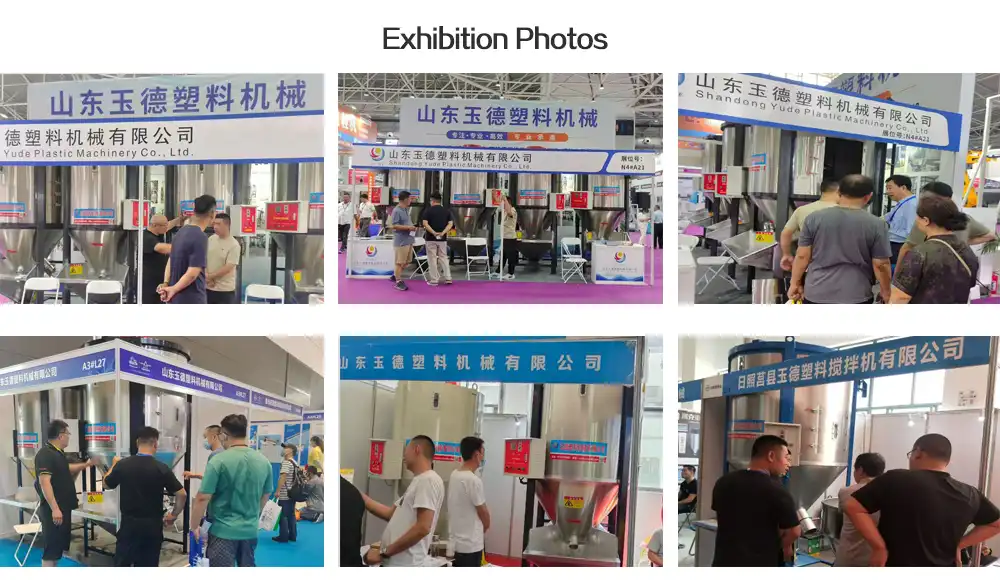
Essential Safety Precautions for Plastic Granule Mixer Operation
Implementing systematic safety procedures before and during operation transforms potential hazards into manageable risks through structured intervention protocols.
Pre-Operation Inspection Protocols
Before energising a vertical mixing system, operators should follow a standardised checklist that covers important safety and functional aspects. These inspections check that equipment is ready for use and help to detect maintenance needs before they might cause a breakdown in operation.
For visual inspection, verify that all access panels and safety guards on the plastic granule mixer are fastened in place with functioning interlocking mechanisms. Operators should check that there are no extraneous items, tools or residue hardened material from earlier batches in the mixing chamber, that might harm the helical blades or that could generate uneven loads. Visually examine electrical connections for frayed insulation, loose terminals or corrosion on grounding conductors. When manually rotated (with power unplugged) the three phase motor should turn easily, with no particular resistance.
Lubrication points on bearing assemblies and shaft seals have to be checked at intervals recommended by the manufacturer, which are generally from weekly to monthly depending on the intensity of operation. Equipment with mixing uniformity of ≥98% will only retain that performance provided the mechanical components are within the specified tolerances. Control panel functioning testing should verify that emergency stop buttons are activated instantly and that automated shutdown mechanisms are activated during simulated fault scenarios.
Personal Protective Equipment Requirements
The choice of suitable PPE depends on the properties of the materials and the processing circumstances particular to each industrial environment. Safety glasses with side shields are useful for protection from granule ejection during loading operations, especially when working with high-rebound materials such as impact-modified polystyrene. Hearing protection is required when working bigger capacity units above 500kg if engine noise and material tumbling exceeds 85 dB.
The need for respiratory protection depends on how much dust is being made and how well the surrounding air is being ventilated. Disposable N95 respirators are sufficient for occasional exposure during manual loading, but prolonged work near open mixing chambers may need the use of powered air-purifying respirators. When processing materials in low humidity, anti-static shoes help prevent the accumulation of electrical charges and reduce the risk of ignite should a flammable dust cloud be created, although this is improbable.
Cut-resistant gloves are required for hand protection during blade inspection and maintenance operations. Operators should never wear loose gloves when working near rotating machinery. Work attire must be free of drawstrings, loose sleeves, hanging embellishments, etc., to reduce entanglement dangers around moving machinery.
Loading Capacity and Material Handling Best Practices
If the rated capacity criteria are followed, mechanical overload is avoided and the best mixing performance is ensured. Maximum fill volumes for vertical mixers used in batch operation are usually given as percentages of the total chamber capacity, rather than in exact weights. If these limitations are exceeded the motor is overstressed, the mixing efficiency is reduced and material may be expelled through the vent holes.
Material should be loaded with the agitator not running to avoid kickback or uneven distribution at starting. Sequential loading strategies increase initial dispersion when combining components with drastically differing bulk densities e.g. virgin pellets and calcium carbonate fillers. The heavier ingredients can be added first and the initial agitation cycle will bring them into suspension before the lighter elements are added.
“Ambient conditions and batch timing to be monitored for temperature sensitive materials. Frictional heating caused by long mixing cycles can lead to premature melting of low temperature polymers such as EVA copolymers. The equipment is equipped with overload and overheating protection systems, which immediately stop the work when thermal sensors detect overheating, thereby maintaining the quality of the material and mechanical parts.
Environmental Controls and Workspace Organization
Proper ventilation is one of the most important environmental controls for safe mixer operation. Processing areas should be enclosed and maintained under negative pressure with exhaust rates sufficient to control dust created during loading and discharge operations. Local exhaust ventilation at the mixer apertures captures point sources before particles may spread across the work area.
Temperature and humidity management influences operator comfort and material behaviour. Moisture-sensitive polymers such as nylon pick up moisture from the air, which forms steam pockets during subsequent heating and reduces mechanical characteristics. The relative humidity in the mixing regions should be maintained below 50 percent to decrease moisture pickup, although it should be remembered that dry circumstances will boost static electricity production.
Floor lines surrounding mixing equipment define operational zones to restrict unwanted foot movement near whirling gear. Designated staging spaces for raw materials and finished batches make the flow easier and reduce clutter around the operating machines. Good illumination, especially at control panels and material discharge locations, decreases the chances of operator mistake and enhances danger awareness.
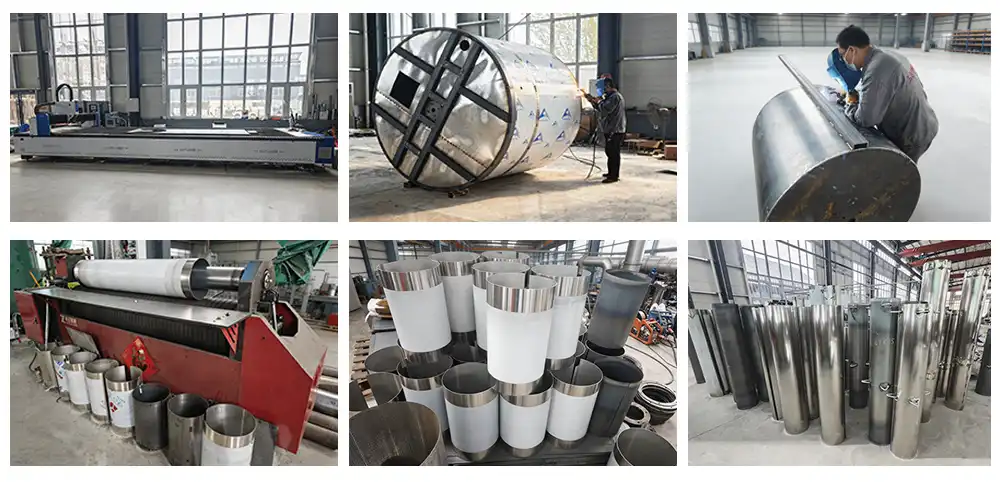
Maintenance and Inspection: Key to Long-Term Safety and Efficiency
Proactive maintenance strategies extend equipment lifespan while preventing unexpected failures that compromise production schedules and workplace safety. Structured inspection programs identify wear patterns before they progress to component failure.
Establishing Routine Cleaning Schedules
Material accumulates on interior surfaces, adversely affecting mixing ability and potentially contaminating following batches. The frequency of cleaning relies on the rates of material changeover and the ability of certain polymers to stick to metal surfaces. Quality equipment will have stainless steel chambers that will withstand accumulation better than the carbon steel options, but both will need cleaning often.
Complete chamber cleaning of the plastic granule mixer should be done during product changeover especially when transitioning from incompatible polymer families or colours. The helical screw surfaces develop thin layers of melted or deteriorated material that flake off during operation, leaving black flecks in final goods. Stubborn deposits will be removed by manual scraping using non-metallic instruments without damaging the surface.
Dust on bearing housings and cooling fins of motors interferes with heat dissipation and leads to wear of components. Compressed air cleaning eliminates loose buildup, but frequent disassembly enables for a comprehensive examination of bearing races for pitting or discolouration, which indicates insufficient lubrication.
Lubrication and Wear Monitoring Programs
Bearing assemblies supporting vertical shafts are under continual radial stresses and require lubrication intervals depending on the degree of operation. High capacity mixers with abrasive fillers such as glass fibre require more frequent servicing than machines for virgin pellets only. Food-grade lubricants are needed for processing materials for packaging applications under indirect food contact rules.
Material qualities and operating circumstances are monitored by wear characteristics of the helical blades. Typical wear from media flow shows a uniform rounding of the edges. Localised gouging is more indicative of foreign object damage or cavitation from insufficient media volume. As wear progresses, the blade clearance relative to the chamber walls gradually rises, leading to reduced mixing efficiency as material skips the agitation zone. Gaps larger than the manufacturer’s guidelines, generally 3-5 mm depending on the size of the device, should be replaced.
The quality of the shaft seal directly affects contamination control and bearing life. Fine dust enters bearing assemblies through leaky seals, causing abrasive slurry that quickly destroys rolling elements. External oil weeping is a sign of seal deterioration and requires immediate repair to avoid catastrophic failure of the bearing.
Component Replacement Timing and Predictive Strategies
Condition monitoring allows for strategic component replacement to avoid unexpected failures during production runs. Vibration analysis will uncover bearing faults weeks before any increase in noise or temperature may be heard. Hand-held vibration meters provide affordable screening and permanently-mounted sensors provide continuous monitoring of important equipment.
Megohm meters are used to identify motor insulation deterioration before short circuits develop. Annual tests provide baseline readings, and large declines indicate moisture intrusion or heat degradation and refurbishing of the motor. Engines equipped with overload and overheat protection systems have a longer service life, because automated shutdown avoids damage under abnormal operating circumstances.
Resistance and heat generation induced contact wear is an important issue in electrical contactors and relay components that cycle frequently during batch operation. Infrared thermography can be used during operation to identify hot areas suggesting an upcoming failure so that the replacement can be arranged during a planned maintenance window rather than during an emergency failure.
Operator Training and Safety Audit Programs
There is much more to extensive operator training than simply running the equipment. It includes recognising hazards and responding to emergencies. New workers must undergo supervised operating periods before being assigned independently to ensure they grasp starting sequences, emergency shutdown protocols, and handling requirements for specific materials. Periodic refresher training reinforces safe practices and brings changes to operational processes.
Quarterly safety assessments reveal procedural drift, when operators develop unauthorised shortcuts that endanger safety. Real-life practices might be different from recorded ones when seen in real-time production environments. Corrective actions are intended to correct individual compliance problems and systemic problems that need procedure changes or equipment modification.
Documentation systems that document maintenance operations, operator certifications and incident investigations give evidence of safety commitment that is appreciated during customer audits and regulatory inspections. This methodical approach displays the necessary diligence that protects organisations from litigation while truly enhancing worker safety.
Choosing the Right Plastic Granule Mixer to Minimize Operational Risks
Equipment selection decisions profoundly influence operational safety, production efficiency, and long-term maintenance costs. Understanding design variations and supplier capabilities enables procurement professionals to align equipment characteristics with specific production requirements.
Vertical Versus Horizontal Configuration Considerations
Vertical mixers occupy minimal floor space through their columnar design, making them ideal for facilities with limited production area. The gravity-assisted downward flow in vertical shaft granule agitator plastic mixers reduces energy consumption compared to horizontal tumbler designs, while the upward screw action ensures thorough material circulation. This configuration particularly suits operations processing multiple small batches daily, as rapid material discharge and cleaning enable quick changeovers between product formulations.
Vertical designs concentrate mechanical components in accessible upper sections, simplifying maintenance access without requiring equipment disassembly or relocation. The conical lower section available in many models promotes complete discharge, minimizing material waste between batches. However, vertical mixers may exhibit longer cycle times when processing extremely low-density materials like expanded polystyrene beads that resist downward flow against the upward screw current.
Integrated Safety Features in Modern Equipment
Contemporary mixing equipment incorporates engineered safeguards that prevent operator contact with hazardous components during operation. Interlocked access panels connected to motor control circuits ensure automatic shutdown when guards are removed, eliminating bypass attempts that compromise protection. Transparent polycarbonate inspection windows allow visual process monitoring without exposure to rotating elements or dust clouds.
Overload protection systems on the plastic granule mixer monitor motor current draw, automatically disconnecting power when mechanical binding or excessive material load creates abnormal resistance. This prevents motor burnout and reduces fire risk from overheated windings. Thermal sensors embedded in motor housings provide secondary protection, shutting down equipment when internal temperatures exceed safe operating thresholds regardless of current levels.
Emergency stop buttons positioned at multiple locations around larger equipment enable rapid shutdown from any operational position. These controls must be distinctively colored, easily accessible, and mechanically latching to prevent accidental reset. Modern control systems maintain shutdown status until operators manually verify safe conditions and deliberately reset the interlock, preventing premature restart during emergency response.
Automation and Control System Capabilities
Programmable logic controllers enable precise process control through automated cycle timing, sequential material addition, and adaptive speed adjustment based on load conditions. Recipe management systems store parameters for different product formulations, ensuring consistency across production shifts and reducing setup errors during changeovers. Data logging capabilities track operational history, facilitating troubleshooting and providing documentation for quality management systems.
Variable frequency drives allow gradual acceleration during startup, reducing mechanical shock and material spillage from abrupt agitation initiation. Soft-start capability extends component life while improving operator safety by eliminating sudden mechanical movements. Speed modulation during mixing cycles optimizes energy efficiency while accommodating material characteristics—fragile pellets benefit from gentler agitation, while dense filler blends require aggressive turbulence.
Remote monitoring integration enables supervisory oversight of multiple mixing stations from centralized control rooms, reducing personnel exposure in dusty production environments. Alarm notification systems alert operators to abnormal conditions requiring intervention, preventing minor issues from escalating into equipment damage or safety incidents.
Conclusion
Operating plastic granule mixers safely requires comprehensive understanding of mechanical, electrical, and environmental hazards, combined with disciplined adherence to established protocols. Critical precautions encompass pre-operation inspections, appropriate personal protective equipment, capacity management, and environmental controls that collectively minimize workplace injuries and equipment failures. Regular maintenance programs addressing cleaning, lubrication, and wear monitoring extend equipment lifespan while preventing unexpected breakdowns. Selecting mixing equipment with integrated safety features from reputable suppliers like Yude Plastic Machinery significantly reduces operational risks through engineered safeguards and responsive technical support. Learning from real-world incidents reinforces the importance of protective systems and procedural compliance, while successful automation implementations demonstrate measurable safety improvements alongside operational benefits.
Partner with Yude Plastic Machinery for Safe, Reliable Mixing Solutions
Procurement managers seeking dependable vertical mixers for plastic granules will find comprehensive solutions at Yude Plastic Machinery, a specialized plastic granule mixer manufacturer serving global markets across 30+ countries. Our production range spans 300kg to 10-ton capacity units constructed from Q235 carbon steel or 304 stainless steel, achieving ≥98% mixing uniformity through precisely engineered vertical shaft agitators. Every system incorporates three-phase asynchronous motors with integrated overload and overheating protection, ensuring safe operation across demanding production environments. Our 7×24-hour technical support network provides rapid response to operational questions, while comprehensive warranty coverage and customizable configurations address specific application requirements in plastic granulation, injection molding, and extrusion operations. Contact our engineering team at sales@yudemachinery.com to discuss your material blending challenges and receive detailed equipment specifications tailored to your production objectives.
FAQ
What personal protective equipment is required for mixer operation?
Operators should wear safety glasses with side shields, hearing protection when noise exceeds 85 decibels, and respiratory protection appropriate to dust generation levels. Cut-resistant gloves protect during maintenance activities, though loose gloves must be avoided near rotating equipment. Anti-static footwear prevents electrical charge buildup when processing dry materials in low-humidity environments.
How frequently should maintenance inspections occur?
Daily visual inspections should verify guard integrity and identify obvious wear or damage. Weekly lubrication and detailed mechanical inspections address bearing condition and shaft seal integrity. Comprehensive maintenance including vibration analysis and electrical testing should occur quarterly, with annual deep inspections documenting wear patterns requiring component replacement.
Which safety certifications should buyers prioritize?
Equipment should demonstrate CE marking compliance indicating adherence to European machinery directives covering mechanical safety and electrical systems. ISO 9001 certification of the manufacturing facility ensures consistent production quality. For North American markets, UL or CSA listings provide independent verification of electrical safety standards, though these remain less common for specialized industrial equipment.
References
1. Rauwendaal, C. (2014). Polymer Mixing: A Self-Study Guide. Hanser Publications, Munich.
2. Tadmor, Z., & Gogos, C. G. (2013). Principles of Polymer Processing (2nd ed.). John Wiley & Sons, Hoboken.
3. American National Standards Institute. (2019). ANSI B11.0-2020: Safety of Machinery – General Requirements and Risk Assessment. ANSI, Washington DC.
4. Harnby, N., Edwards, M. F., & Nienow, A. W. (1992). Mixing in the Process Industries (2nd ed.). Butterworth-Heinemann, Oxford.
5. Society of Plastics Engineers. (2021). Plastics Processing Safety Guidelines: Equipment Operation and Maintenance Best Practices. SPE Technical Publications, Danbury.
6. International Organization for Standardization. (2018). ISO 20361:2015 – Liquid Pumps and Installation – General Terms, Definitions, Quantities, Letter Symbols and Units. ISO, Geneva.
Learn about our latest products and discounts through SMS or email