- English
- French
- German
- Portuguese
- Spanish
- Russian
- Japanese
- Korean
- Arabic
- Greek
- German
- Turkish
- Italian
- Danish
- Romanian
- Indonesian
- Czech
- Afrikaans
- Swedish
- Polish
- Basque
- Catalan
- Esperanto
- Hindi
- Lao
- Albanian
- Amharic
- Armenian
- Azerbaijani
- Belarusian
- Bengali
- Bosnian
- Bulgarian
- Cebuano
- Chichewa
- Corsican
- Croatian
- Dutch
- Estonian
- Filipino
- Finnish
- Frisian
- Galician
- Georgian
- Gujarati
- Haitian
- Hausa
- Hawaiian
- Hebrew
- Hmong
- Hungarian
- Icelandic
- Igbo
- Javanese
- Kannada
- Kazakh
- Khmer
- Kurdish
- Kyrgyz
- Latin
- Latvian
- Lithuanian
- Luxembou..
- Macedonian
- Malagasy
- Malay
- Malayalam
- Maltese
- Maori
- Marathi
- Mongolian
- Burmese
- Nepali
- Norwegian
- Pashto
- Persian
- Punjabi
- Serbian
- Sesotho
- Sinhala
- Slovak
- Slovenian
- Somali
- Samoan
- Scots Gaelic
- Shona
- Sindhi
- Sundanese
- Swahili
- Tajik
- Tamil
- Telugu
- Thai
- Ukrainian
- Urdu
- Uzbek
- Vietnamese
- Welsh
- Xhosa
- Yiddish
- Yoruba
- Zulu
What is the use of spiral mixer?
In industrial manufacturing, where uniformity has a direct effect on product quality, spiral mixers are an important piece of technology for mixing materials. A spiral type large vertical mixer has an Archimedean screw device inside a vertical chamber that lifts materials from the bottom and creates a flow pattern that looks like a fountain. This design gets better homogeneity in large-scale processing, dealing with common problems like separating ingredients and limited floor room. These systems are used in many fields, from making plastics to making animal feed, to meet strict standards for uniformity. They often achieve mixing consistency levels above 98% while lowering working footprints by up to 70% compared to horizontal options. Procurement workers can make better choices that meet production needs and quality standards when they know how spiral mixers can be used in real life and what their technical benefits are.
Spiral Mixers and Their Industrial Uses
Defining the Spiral Mixer Technology
The spiral mixer works by lifting the center and dropping the edges. A spiral blade placed vertically spins inside a cylinder or cone-shaped container, slowly pulling powders and granules up through the center while stuff falls along the sides. This three-dimensional flow pattern keeps the material from breaking down, which is very important when working with temperature-sensitive chemicals or pellets that are easily broken. The spiral motor makes a controlled tumbling action that is good for sensitive materials like plastic masterbatches or pharmaceutical excipients. This is different from paddle mixers, which use strong shear forces.
Core Industrial Applications
Spiral type large vertical mixer is essential to many important processes in modern production. In the making of plastics, vertical spiral devices are used to mix new resin pellets with recycled materials and colorants before they are granulated or molded. These mixers are used in the food industry to mix flour with small ingredients, making sure that trace nutrients are spread out properly in large amounts. Chemical companies like the closed-system design because it controls dangerous powder dust while mixing materials with different densities, like light fillers and heavy binders.
Why Vertical Design Matters for Large Batches
Many choices about what to buy are based on how much space they will take up, especially in places with limited floor plans. Vertical mixers take up very little space on the ground and can hold up to 10 tons of material. This makes them perfect for businesses that want to increase production without adding more equipment. The vertical orientation also makes it easier to release materials through bottom outlets, which makes them more compatible with systems further downstream and reduces the need for human handling.
Key Benefits of Spiral Type Large Vertical Mixers for B2B Procurement
Enhanced Mixing Uniformity
The hardest part of group handling is making sure that the materials are distributed evenly. This problem is solved by spiral type large vertical mixers, which use continuous flow patterns that make sure all particles are mixed with the same pressures. Coefficient of variation tests show that equipment from companies like Yude Plastic Machinery keeps mixing consistency at 98% or higher. When mixing small amounts of chemicals, like UV stabilizers in polymer compounds, this uniformity is very important because uneven distribution leads to batch rejection and waste of material.
Energy Efficiency and Capacity Advantages
When it comes to ongoing production settings, operating costs have a big impact on the choice of tools. Because spiral mixers pull things gently, they need less force, so they use less power than high-shear mixers. A three-phase asynchronous motor and heavy-duty gear reducers keep the machine running smoothly at shaft speeds between 30 and 60 r/min, which saves energy and makes it possible to process large amounts of material. This speed saves money over the course of a production year, especially when working with materials like PE, PP, ABS, and PVC pellets, which are used a lot in plastics manufacturing.
Here are the core operational advantages that strengthen procurement justification:
- Reduced material degradation: The low-shear climate keeps the integrity of the pellets, stopping the formation of fines that contaminate finished goods and weaken their mechanical qualities.
- Shortened cycle times: Most plastic compounds are fully homogenized in 5 to 8 minutes, which speeds up output compared to standard ribbon blenders, which need 15-minute cycles or more.
- Lower maintenance demands: Less upkeep is needed because the screw blades are made of hardened metals that don't wear down easily, and the bearing assemblies are easy to get to for regular checks.
- Operational safety features: Enclosed designs keep operators from being exposed to floating particles, which meets OSHA standards and lowers health risks at work in chemical handling settings.
These traits solve common problems that purchase engineers have found when looking at mixer technologies. Performance stability and operational economy work together to support long-term contract manufacturing relationships and make capital investments in production facilities worth it.
Durability and Material Craftsmanship
How long industrial tools lasts depends on the materials used and how well they are made. Premium vertical mixers have Q235 carbon steel barrels with non-stick coats on the inside that keep material from building up and affecting the cleanliness of the batch. Stainless steel types made from 304 or 316 grades and mirror-polished on the inside to get Ra ≤ 0.8 μm surface finishes are good for uses that need to be very clean, like pharmaceutical substances or materials that come into touch with food. During plant acceptance testing, dye penetrant inspection and positive material identification procedures check the integrity of the weld and the makeup of the alloy. This keeps the structure from failing during full-load operation.
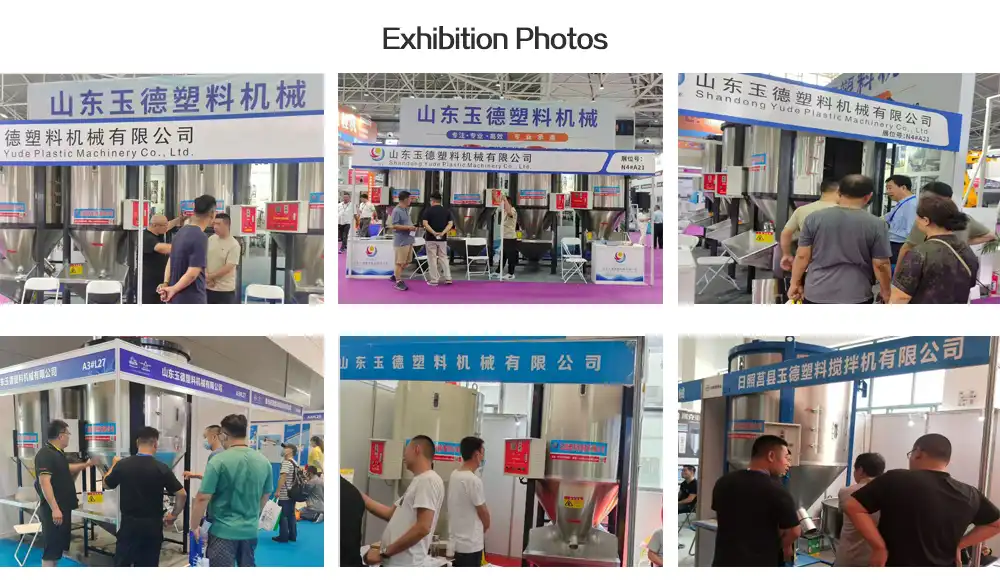
Procurement Considerations for Spiral Type Large Vertical Mixers
Essential Buying Criteria
Technical requirements and business terms must be balanced for equipment buying to go well. To avoid going out of style too soon, the mixing capacity of spiral type large vertical mixer should match current production needs while also being able to accommodate growth forecasts of 20 to 30 percent. Power configurations must match the electrical infrastructure of the building, and motor rates must be scaled correctly to match the batch tonnage. Customization options, like built-in heating systems, dust drainage ports, or ATEX-certified motors for explosive atmospheres, make operations more flexible and should be weighed against the needs of the particular application.
Verifying Manufacturer Credentials
Supplier dependability has a direct effect on how well equipment works and how well after-sales help is done. Buyers should make sure that makers are still ISO 9001 certified and follow strict quality control procedures that include inspecting incoming materials, trying products in progress, and validating finished products. Factory acceptance testing should include run-out measures to make sure that shaft deflection stays below 1 mm per meter, noise level tracking to make sure that operation stays below 80 dB, and constant empty-run testing to make sure that bearing temps stay within the +40°C range. Material approvals that are backed up by spectrometer analysis make sure that metal compositions meet requirements, which keeps parts from breaking down too soon.
After-Sales Support and Spare Parts Availability
Long-term operational success depends on having quick expert help and easy access to replacement parts. Leading providers, such as Yude Plastic Machinery, set up 7x24-hour service systems with language support teams that answer questions about how to use the equipment and help with fixing problems. Domestic service networks allow on-site reaction 24 hours a day, seven days a week. Partnerships with local expert teams in other countries make sure that foreign customers get the same level of care. Comprehensive customer file management systems keep track of the service records of all the equipment they own. This makes it easier to plan preventative maintenance and quickly find new parts when they need to be used.
Conclusion
In conclusion, when it comes to mixing industrial materials, vertical spiral mixers are better because they take up less room, mix materials more evenly, and cost less to run. Their soft but effective circulation system works well for many tasks, from mixing plastic pellets to making animal feed. It solves important problems that affect batch stability and production efficiency. When purchasing professionals look at these systems, they should give more weight to makers that show strong quality control, full customization options, and strong support networks after the sale. Technical specs, such as uniformity limits for mixing, building standards for materials, and performance evaluation methods, make it possible to compare suppliers in an objective way. Investing in spiral mixing technology that has been shown to work puts businesses in a position to grow on a large scale while still meeting the high standards of product quality that give them an edge in tough industrial markets.
FAQs
What materials work best with spiral type large vertical mixers?
Vertical spiral mixers work great with powders and granules that don't stick together. This includes plastic pellets (PE, PP, ABS, and PVC), ingredients for animal feed, medicine excipients, and chemical compounds. They work with things that have particle sizes between 0.5 mm and 8 mm and bulk values between 0.3 g/cm³ and 1.2 g/cm³. Sticky or combined materials might need special screw blade designs or treatments on the inside to keep them from sticking together.
How do energy costs compare to traditional mixing equipment?
Because they spin more slowly and have less mechanical resistance, spiral vertical mixers usually use 20 to 35 percent less power than similar horizontal ribbon blenders. A 5-ton unit that runs for 8 hours a day can save about 15,000 kWh a year compared to high-shear options. This means that the equipment will last longer and cost less overall.
What warranty and service coverage should buyers expect?
Reputable makers offer 12 to 24 month guarantees that cover manufacturing flaws in both mechanical and electrical systems. Full after-sales packages include supervision during installation, training for operators, and access to expert help. Premium providers keep spare parts in stock so that crucial parts can be delivered within 48 hours. This keeps production as steady as possible during repair events.
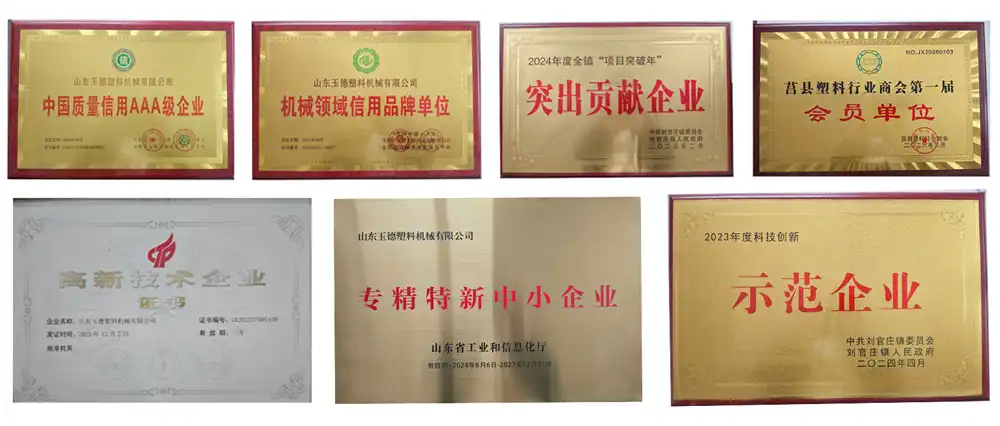
Partner With a Trusted Spiral Type Large Vertical Mixer Manufacturer
Yude Plastic Machinery is a specialized company that provides proven mixing solutions to businesses around the world. Our vertical mixers range in size from 600 kg to 10 tons and are made with single-screw high-efficiency designs that achieve ≥98% uniformity in plastic pellet mixing uses. Before it is shipped, every unit goes through strict quality checking procedures that include testing the stability of the welds, making sure that the materials are certified, and making sure that the full-load performance is satisfactory. We help foreign customers by having expert teams that speak multiple languages, making sure that equipment fits local standards, and having extensive after-sales networks in over 30 countries in Southeast Asia, Europe, and the Americas. When procurement experts are looking for trusted spiral type large vertical mixer suppliers, we can help them right away with customizations, offer technical support 24 hours a day, and make sure that urgent projects are delivered on time with our scalable production capacity. Contact our team at sales@yudemachinery.com to talk about your unique mixing needs and get personalized equipment suggestions based on decades of experience working with plastics.
References
- Richardson, J.F., Harker, J.H., and Backhurst, J.R. (2002). Particle Technology and Separation Processes. Butterworth-Heinemann Chemical Engineering Series, 5th Edition.
- Paul, E.L., Atiemo-Obeng, V.A., and Kresta, S.M. (2004). Handbook of Industrial Mixing: Science and Practice. Wiley-Interscience Publication.
- Harnby, N., Edwards, M.F., and Nienow, A.W. (1992). Mixing in the Process Industries. Butterworth-Heinemann, 2nd Edition.
- Cullen, P.J. (2009). Food Mixing: Principles and Applications. Wiley-Blackwell.
- Muzzio, F.J., Shinbrot, T., and Glasser, B.J. (2002). "Powder technology in the pharmaceutical industry: the need to catch up fast." Powder Technology, 124(1-2), 1-7.
- Poux, M., Fayolle, P., Bertrand, J., Bridoux, D., and Bousquet, J. (1991). "Powder mixing: Some practical rules applied to agitated systems." Powder Technology, 68(3), 213-234.
Learn about our latest products and discounts through SMS or email