- English
- French
- German
- Portuguese
- Spanish
- Russian
- Japanese
- Korean
- Arabic
- Greek
- German
- Turkish
- Italian
- Danish
- Romanian
- Indonesian
- Czech
- Afrikaans
- Swedish
- Polish
- Basque
- Catalan
- Esperanto
- Hindi
- Lao
- Albanian
- Amharic
- Armenian
- Azerbaijani
- Belarusian
- Bengali
- Bosnian
- Bulgarian
- Cebuano
- Chichewa
- Corsican
- Croatian
- Dutch
- Estonian
- Filipino
- Finnish
- Frisian
- Galician
- Georgian
- Gujarati
- Haitian
- Hausa
- Hawaiian
- Hebrew
- Hmong
- Hungarian
- Icelandic
- Igbo
- Javanese
- Kannada
- Kazakh
- Khmer
- Kurdish
- Kyrgyz
- Latin
- Latvian
- Lithuanian
- Luxembou..
- Macedonian
- Malagasy
- Malay
- Malayalam
- Maltese
- Maori
- Marathi
- Mongolian
- Burmese
- Nepali
- Norwegian
- Pashto
- Persian
- Punjabi
- Serbian
- Sesotho
- Sinhala
- Slovak
- Slovenian
- Somali
- Samoan
- Scots Gaelic
- Shona
- Sindhi
- Sundanese
- Swahili
- Tajik
- Tamil
- Telugu
- Thai
- Ukrainian
- Urdu
- Uzbek
- Vietnamese
- Welsh
- Xhosa
- Yiddish
- Yoruba
- Zulu
What is an automatic plastic particle mixer used for?
An automatic plastic particle mixer is a special kind of industrial machine that is made to mix thermoplastic pellets, color masterbatches, additives, and regrind materials in a precise and even way. Instead of mixing things by hand, which can lead to uneven results and wasted time, these automatic systems use electrical agitation to get homogeneity rates higher than 98%. These mixers stop segregation problems and make sure that every batch meets strict quality standards for injection molding, extrusion, and blow molding. In modern plastic manufacturing, even small differences in the materials can make finished products look bad or be structurally weak.
What Is an Automatic Plastic Particle Mixer?
Today's plastic making needs reliable tools that can mix different materials quickly and correctly. The change from mixing by hand to automatic systems is a big step forward in production technology.
Core Equipment Design and Technology
Digital control systems and mechanical engineering are both used in industrial mixing tools. More advanced models have vertical spiral lifting structures that move material from the bottom chamber up through a central shaft. This creates circulation patterns that look like fountains and get rid of areas where the material isn't mixing. With this system, all of the materials will connect with each other during every cycle.
With the PLC touchscreen controls built in, workers can set exact mixing settings, such as the length of the cycle and the speed of the rotation. These computerized systems can save more than one recipe setup, which lets them quickly switch between different material formulas without having to be re-calibrated by hand. When access panels are opened, safety interlocks stop activity immediately. This protects workers while keeping the integrity of the process.
Types and Configuration Options
Material suitability is not the same in all manufacturing settings. Manufacturers of automatic plastic particle mixers can make barrels out of either Q235 carbon steel for normal use or 304 stainless steel for uses that need better rust resistance. Food-grade models meet the strict hygiene standards that packing materials that come into touch with food must meet.
Ranges in capacity from small 300 kg units good for small-batch specialty production to large 10-ton systems made for high-volume manufacturing lines that run all the time. This scalability lets buying teams perfectly match the specs of equipment to the amount of output that needs to be done. This way, there are no capacity issues and no need to spend money on machinery that is too big.
How Does an Automatic Plastic Particle Mixer Work?
If procurement professionals understand operating mechanics, they can better judge whether equipment is right for the job and spot any problems that might come up when it's added to current production processes.
Sequential Mixing Process and Automation
The automatic plastic particle mixer starts when the material is loaded. This can be done by hand or with automated systems that move pellets straight from storage bins. When the vertical screw device is loaded, it starts to rotate at a set speed to lift the material up. When particles reach the dispersion zone at the top, gravity pulls them down through the rising material stream, mixing them completely.
Sensors keep an eye on operational factors like motor load, temperature, and mixing time during this process. When the planned cycle is over, automatic discharge gates open and the mixed material is sent to further processing equipment or bins for collection. Between mixing and the next steps in the production process, this closed-loop technology gets rid of the need for human work.
Performance Advantages Over Manual Methods
Mixing by hand adds factors that make it harder to keep the batch consistent. Human workers can't keep the stirring strength the same for long periods of time, and visual inspection doesn't show that all the materials are spread out evenly at the microscopic level needed for quality assurance.
Automated systems get the same results every time because they do the same technical steps for each batch. Real-time tracking can find problems right away, setting off trouble alarms before the bad material goes through expensive downstream processes. Data logging functions make full records that can be tracked back to their source, which is needed for quality certificates and regulatory compliance paperwork.
Key Benefits of Using an Automatic Plastic Particle Mixer
Investing in modern mixing technology pays off in a number of operational areas, with direct effects on revenue and positioning in the market.
Enhanced Production Efficiency and Cost Reduction
Costs related to labor are very high in industry. By automating the mixing function, fewer workers are needed while the output capacity goes up at the same time. When compared to manual processes that require a lot of work, equipment can run continuously across multiple jobs with little control, which greatly increases the rate at which assets are utilized.
When mixing uniformity gets better, a lot less material waste happens. Rejected batches because of differences in color or poor addition distribution have costs that go beyond the raw materials lost; they use up machine time, energy, and labor that doesn't produce anything that can be sold. Meeting standards for 98% uniformity cuts down on these expensive quality problems.
Optimizing how much energy is used is another cost benefit. Modern variable-frequency drive motors change how much power they use based on the exact needs of the load. This avoids the wasteful energy use that comes with fixed-speed systems that run all the time, no matter what the demand is.
Quality Consistency and Compliance
Industries that work with the car, medical device, and food packing industries have to follow strict quality standards. Differences in materials can cause product recalls, legal issues, and damage to the company's image. Automated mixing equipment gives these controlled markets the proof of regularity they need.
Here are the main benefits that perfect mixing gives you:
• Material Homogeneity: Density stratification doesn't happen with vertical spiral systems because they mix materials with the same specific gravity all the way through. When mixing new resin with recycled material, this is especially important because uneven spread can make structure parts like boxes or crates weak.
• Color Accuracy: For injection-molded car interior parts to be perfect, the colors must match perfectly across many production runs that last months or years. Automated mixing makes sure that masterbatch colors spread out evenly, getting rid of the chromatic aberration that leads to poor visual quality and costly redo.
• Additive Distribution: For UV stabilizers, flame retardants, and processing aids to work properly, they need to be spread out evenly throughout the base resin. Some parts of the material are over-fortified while other parts don't have the right protection chemicals, which hurts the product's performance and durability.
It can be hard for B2B sellers to keep up with quality standards when production grows while protecting the brand's image and customer relationships. These benefits directly address those problems.
Safety and Workplace Environment Improvements
Safety features on equipment protect both people and property. Electromagnetic brakes stop rotation right away when safety interlocks identify illegal entry. This keeps people from getting tangled up in moving machinery that is left out in the open. Overload safety switches keep motors from burning out when too much material stress goes beyond what was intended.
Enclosed mixing rooms hold the dust and particles that are released into the work area when mixing by hand. This control makes the air better, cuts down on the amount of cleaning that needs to be done, and helps facilities meet the limits set by occupational health rules for plastic dust exposure in the workplace.
How to Choose the Right Automatic Plastic Particle Mixer for Your Procurement Needs?
To choose the right tools, you need to carefully compare the technical specs to the needs of the business and the company's long-term goals.
Assessing Production Requirements and Material Compatibility
Projections of production volumes help figure out what kind of equipment is needed. When mixers are too small, they cause bottlenecks that slow down production growth. When units are too big, they waste capital. The right capacity is chosen by carefully looking at current output and making growth predictions that are based on reality.
The way automatic plastic particle mixer equipment is set up is affected by the properties of the materials used. Wear on mixing parts is sped up by abrasive fillers like glass fiber or mineral additives. Businesses that work with these materials benefit from using sharpened steel and wear areas that can be replaced to make the equipment last longer. Materials that absorb water easily, like nylon, need built-in drying features to get rid of the water that would otherwise cause problems during processing.
Evaluating Manufacturers and Supply Partners
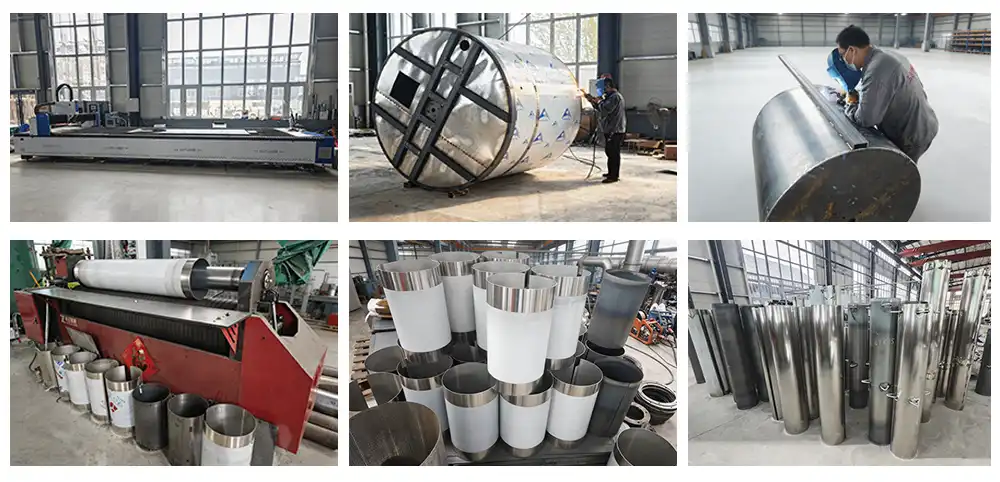
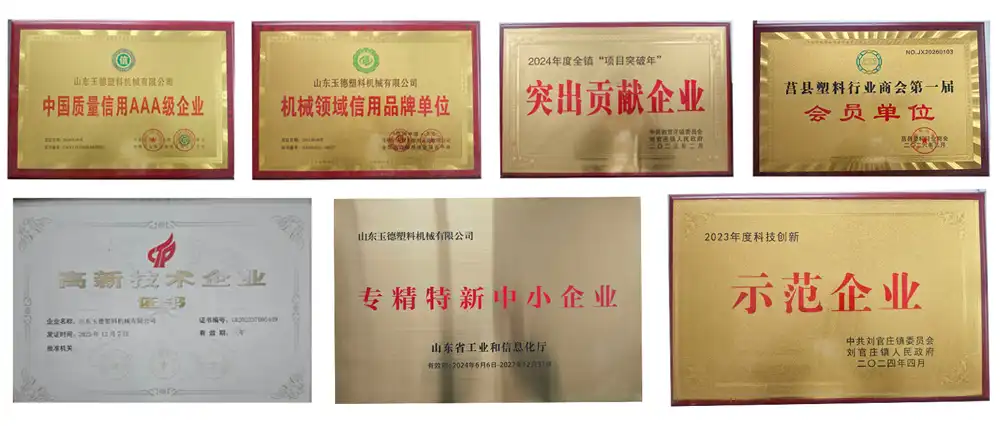
When you buy industrial tools from around the world, you have to choose between the cost of purchase and the cost of ownership over time. Yude Plastic Machinery is a good example of a company that offers reasonable prices and a full range of support services. Their factories have ISO quality management systems in place, and they can show proof that they follow international rules for machinery safety.
Warranty coverage changes a lot from one provider to the next. Manufacturers who offer guarantees that cover both parts and labor for long periods of time are confident in the stability of their products. Professionals in procurement should carefully read the warranty terms to make sure they include information on reaction times, replacement parts availability, and how to get expert assistance.
Infrastructure for after-sales service has a direct effect on how well equipment works. When problems happen, suppliers with established service networks can quickly send trained techs to fix them, keeping production from stopping, which costs a lot of money. With remote diagnostics, many common problems can be fixed without having to go to the site, which cuts down on downtime even more.
Customization and Integration Considerations
Standard sets of tools work well for many uses, but they may need to be changed for specific production settings. If a supplier offers engineering customization services, they can change the size of the mixer to fit a small floor area, change the control interfaces so they work with existing factory automation systems, or add special features for moving materials.
Multilingual control panel interfaces make it easier to work in foreign sites where employees speak different languages. Equipment that has been changed to meet local safety and electricity rules gets rid of the need for expensive retrofits after delivery.
Conclusion
Automatic plastic particle mixers are an important part of modern plastics factories that want to make the most of their production space while still meeting strict quality standards. There are real benefits to using this technology over hand mixing methods, such as better batch consistency, less work, and a safer workplace. When B2B procurement workers are thinking about buying equipment, they need to carefully look at production needs, material compatibility, and provider skills. This way, they can make sure that the mixing systems they choose meet both short-term operational needs and long-term strategy manufacturing goals. These systems are good investments because they combine advanced automation, tried-and-true mechanical design, and full support services. They create value over long service lifecycles and support quality commitments that protect brand reputation in global markets that are very competitive.
FAQ
What factors influence mixing accuracy in automated systems?
The efficiency of mixing relies on how the equipment is designed, how it is used, and the properties of the materials being mixed. Better uniformity is achieved with vertical spiral designs because they get rid of dead zones where material sits still. A good mixing duration allows all the materials to move around; too little cycle time leaves areas of unmixed material, and too much duration wastes energy without improving quality. Different particle sizes, differences in density between parts, and static electricity that affects powder flow are all features of materials that affect how easily they blend evenly.
How do the maintenance costs compare between automatic and manual mixing approaches?
When you buy automated equipment, you have to pay more for the initial cash investment and regular upkeep for the mechanical parts and control systems. Manual mixing may seem cheaper at first, but it requires a lot of work and costs a lot over the life of the tools. Costs related to poor quality caused by inconsistent hand mixing usually go over the costs of maintaining an automatic system. These costs include wasted materials, production delays, and customer returns. Total cost of ownership analyses that cover more than one year always show that automation is better for sites that handle large amounts of stuff.
Can mixing equipment be customized for specific production requirements?
Reliable makers offer a wide range of customization options to meet the specific needs of each business. Changes include special surfaces for touching materials that are rough or corrosive, built-in heating or cooling systems for processes that need to be done at a certain temperature, and electrical systems that won't blow up when handling dangerous materials. Customizing a control system makes it easier to use in foreign production facilities because it can be connected to factory automation networks and have user interfaces that are translated into the language of the operators.
Partner with Yude Plastic Machinery for Superior Mixing Solutions
Yude Plastic Machinery offers tried-and-true mixing technology backed by a wealth of production knowledge and a worldwide support network. Our selection of automatic plastic particle mixers has capacities ranging from 300 kg to 10 tons. They come with PLC touchscreen controls, 304 stainless steel construction choices, and a promise that the mixing will be more even than 98% of the time. As a well-known company that makes automatic plastic particle mixers, we work with companies in more than 30 countries that do processing work in the car, packing, and industry sectors. Our expert team offers customization services, such as multilingual interfaces and changes that meet regional compliance standards. This makes sure that the software fits in perfectly with your work setting. Rapid-response service networks and help that is available 24 hours a day, 7 days a week protect your operating continuity. Send an email to sales@yudemachinery.com to talk to one of our procurement experts about your unique needs and get full technical specifications that are made just for your purpose. We offer low prices, flexible delivery times, and quality guarantee that keeps your production image safe.
References
- Crawford, R.J. & Throne, J.L. (2002). Rotational Molding Technology. William Andrew Publishing, Norwich, NY.
- Rauwendaal, C. (2014). Polymer Mixing: A Self-Study Guide. Hanser Publications, Munich.
- Tadmor, Z. & Gogos, C.G. (2006). Principles of Polymer Processing (2nd ed.). John Wiley & Sons, Hoboken, NJ.
- American Society for Testing and Materials. (2018). ASTM D6866 - Standard Test Methods for Determining the Biobased Content of Solid, Liquid, and Gaseous Samples Using Radiocarbon Analysis. ASTM International, West Conshohocken, PA.
- Goodship, V. (2007). Introduction to Plastics Recycling (2nd ed.). Smithers Rapra Technology, Shawbury, UK.
- Society of Plastics Engineers. (2019). Plastics Technology Handbook (5th ed.). CRC Press, Boca Raton, FL.
Learn about our latest products and discounts through SMS or email