- English
- French
- German
- Portuguese
- Spanish
- Russian
- Japanese
- Korean
- Arabic
- Greek
- German
- Turkish
- Italian
- Danish
- Romanian
- Indonesian
- Czech
- Afrikaans
- Swedish
- Polish
- Basque
- Catalan
- Esperanto
- Hindi
- Lao
- Albanian
- Amharic
- Armenian
- Azerbaijani
- Belarusian
- Bengali
- Bosnian
- Bulgarian
- Cebuano
- Chichewa
- Corsican
- Croatian
- Dutch
- Estonian
- Filipino
- Finnish
- Frisian
- Galician
- Georgian
- Gujarati
- Haitian
- Hausa
- Hawaiian
- Hebrew
- Hmong
- Hungarian
- Icelandic
- Igbo
- Javanese
- Kannada
- Kazakh
- Khmer
- Kurdish
- Kyrgyz
- Latin
- Latvian
- Lithuanian
- Luxembou..
- Macedonian
- Malagasy
- Malay
- Malayalam
- Maltese
- Maori
- Marathi
- Mongolian
- Burmese
- Nepali
- Norwegian
- Pashto
- Persian
- Punjabi
- Serbian
- Sesotho
- Sinhala
- Slovak
- Slovenian
- Somali
- Samoan
- Scots Gaelic
- Shona
- Sindhi
- Sundanese
- Swahili
- Tajik
- Tamil
- Telugu
- Thai
- Ukrainian
- Urdu
- Uzbek
- Vietnamese
- Welsh
- Xhosa
- Yiddish
- Yoruba
- Zulu
What are the different types of mixing mechanisms for PS pellets?
Manufacturers face specific technical challenges when mixing polystyrene pellets, and picking the right tools has a direct impact on how well they can make the product and how consistent it is. A PS plastic mixer is designed to mix colorants, fillers, and regrind materials with polystyrene resins like GPPS (General Purpose Polystyrene) and HIPS (High Impact Polystyrene). The vertical conical shape and improved spiral mechanisms prevent electrostatic segregation, density stratification, and color streaks. This makes sure that mixing is more than 98% regular for injection molding and extrusion uses.
Overview of PS Plastic Mixing Mechanisms
Polystyrene mixing equipment is the most important link between the machines that store raw materials and the machines that prepare them. At the same time, these systems have to achieve a random spread of particles, get rid of static charges, and keep the structure of the pellets without causing fines by putting too much mechanical stress on them. Creating controlled material movement patterns that mix each pellet over and over again until statistical unity is reached across the batch is the main job.
Core Functions in Manufacturing Workflows
In a normal production process, different hoppers bring in virgin resin, masterbatch concentrates, stabilizers, and recycled material for the mixing stations. The mixer has to do more than just stir; it also has to account for the fact that different materials tend to separate based on particle size, shape, and density. Polystyrene is easily separated during pneumatic moving or vibratory feeds because it has a low bulk density and smooth pellet surfaces. This is why thorough pre-blending is so important.
Impact on Production Efficiency
Choosing the right PS plastic mixer affects a number of success measures. When mixers aren't strong enough or aren't set up properly, they cause jams that make injection molding machines or extruders sit idle while the material is prepared. On the other hand, units that are too big take up room and energy that aren't needed. The best setup combines cycle time with batch size needs, usually handling 1.5 times the hourly usage rate of downstream equipment to keep running continuously with enough buffer space for loading and unloading processes.
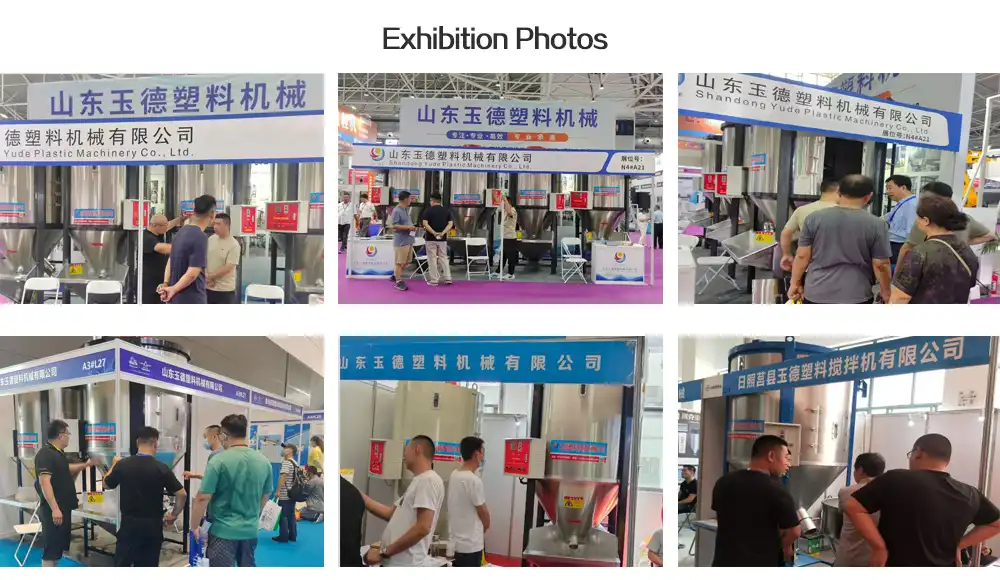
The Main Types of Mixing Mechanisms Used for PS Pellets
Depending on the production needs, material properties, and quality standards, different industrial uses need different mixing methods. We will look at the five main types of mechanisms used in styrofoam production plants.
Vertical Conical Mixers with Spiral Screws
When it comes to mixing PS pellets, PS plastic mixers are the most common choice. The design uses a tapered cylinder with an auger fixed in the middle that spins at 10 to 25 rpm. The spiral turns of the screw lift the material, which then falls down the smooth conical walls as a result of gravity. This makes a gentle top-to-bottom circulation pattern. This low-shear method reduces frictional heat and static electricity while stopping pellet wear that could damage clarity in GPPS uses or surface finish in HIPS parts.
Our special vertical mixer for polystyrene pellets has a spiral structure that was designed to work best with the bulk and flow of PS. Through carefully regulated spin speeds and flight geometry, the equipment achieves mixing consistency of more than 98%. The barrel's design uses materials that work well with polystyrene and mixing parts that don't wear out easily, which makes it last longer than normal configurations. These units fit easily into production lines for granulation, injection molding, and extrusion, and are used for things like making shells for home appliances and clear packing.
Paddle Mixers for Gentle Blending
In horizontal paddle designs, there are two shafts that rotate counterclockwise and are fitted with slanted blades that move material in both the radial and axial directions. The gentle rolling motion works well for temperature-sensitive mixtures where too much mechanical energy could cause them to break down. Processing speeds stay about the same, and homogenization processes usually take 8 to 12 minutes for normal batch amounts. The main problem is that it's not as easy to deal with big differences in density between new and used products.
Ribbon Blenders for High-Volume Operations
Ribbon-style mixers have a U-shaped trough with a center tube and helical ribbon agitators set up in different pitch patterns. The outer ribbon pushes the material toward the end where it is discharged, while the inner ribbon creates counter-flow, which results in both radial circulation and axial progress. This mechanism works great for tasks that need to go on all the time or sometimes, but they need to go quickly. However, it produces more frictional heat and static electricity than vertical conical designs because it works more mechanically.
Turbine Mixers for Intensive Dispersion
High-speed turbine or chopper-style mixers have blades that spin very quickly (300 to 1500 rpm) to do a lot of cutting. These units are good at mixing hard-to-disperse ingredients like specialty fillers or glass fiber reinforcements, and they break up agglomerates through mechanical impact. Because they mix very quickly, they aren't good for normal pellet blending where material degradation is a worry. However, they are perfect for compounding tasks that need very good dispersion quality.
Drum Mixers for Basic Applications
The simplest mechanical method is a rotating drum or tumbler mixer, which has a cylinder that spins on its horizontal plane, letting material fall through the chamber. These units are cheap to buy and don't need much upkeep, but they don't mix materials very well, especially when the materials have a tendency to stick together. They can only be used for small-scale or non-critical tasks because they take a long time to run and can't be scaled up easily.
Choosing between these types of mechanisms rests on a number of factors, including the size of the batches needed, the types of materials being handled, quality standards, floor space, and budget. Vertical conical shapes are the most common way to handle PS because they mix materials efficiently, keep static under control, and keep pellets intact.
How PS Plastic Mixers Operate – A Practical Guide
Understanding working processes and upkeep practices is important to make sure that equipment works the same way for as long as it's supposed to. For proper use, it's not enough to just add the material and turn on the mixer.
Standard Operating Procedures
Before starting an operation, the mixing chamber must be checked to make sure it is clean and free of any leftover material from earlier runs. This is especially important when switching between colors or resin grades. There are specific steps for adding materials: heavier parts go in first, then lighter ones, and finally masterbatch colorants are added at the end to keep static electricity from sticking to the room walls. Before rotation starts, the lid closes tightly, which turns on any dust filtration systems that are fitted. Mixing time depends on the size of the batch and the mix of materials, but for plastic recipes, it's usually between 15 and 35 minutes. Checking for consistency before release can be done visually through clear lid sections (if available) or by timed sample extraction.
Critical Control Parameters
The main element that can be changed is the rotation speed. Too fast of speeds creates heat through friction and makes static electricity build up more, while not enough movement lengthens cycle times and risks not fully mixing. Monitoring the temperature keeps heat-sensitive plastics or chemicals from getting damaged. Anti-static liquid dosing or ionizer devices are used in some processes to get rid of charge buildup in dry areas or high-throughput situations.
Maintenance Best Practices
Routine check plans focus on bearing sets because they are under the most mechanical stress. In modern systems, bearings are placed outside the mixing room to keep processed materials from getting lubricant on them. Every 1000 hours of operation, the lubrication is replaced, and the quality of the seal is checked once a year to make sure powder doesn't leak out. The spiral screw and chamber inner need to be checked for wear on a regular basis, especially when working with glass-fiber strengthened materials that wear faster. Cross-contamination can't happen because of the cleaning processes that are used between production runs. For example, when switching from black HIPS to clear GPPS, the remaining colored material has to be completely removed using compressed air blowout, solvent wiping on stainless steel surfaces, and often a sacrifice purge batch.
Safety Considerations
When mixing things for industry, there are certain risks that need to be considered. Electrical grounding stops static electricity from happening. Interlocked safety features keep people from getting into the room while it's running. Dust filtration devices keep workers safe from airborne particles while they load and unload. When material handling systems are designed properly, they are less likely to cause repeated stress injuries.
Conclusion
When choosing the right PS plastic mixer for polystyrene pellets, you have to balance technical performance with budget and practical limits. Vertical conical mixers with optimized spiral designs work best for most PS processing tasks because they can handle the unique problems that come with static electricity, changing the density of the material, and keeping the integrity of the pellets. When you buy equipment that is properly matched to your needs, you get a return on your investment through lower failure rates, less material waste, and uniform product quality. As manufacturing becomes more automated and connected, mixing systems with smart controls and the ability to do preventative maintenance give companies a competitive edge by making their processes more reliable and efficient.
FAQs
How do you prevent static electricity buildup when mixing PS, which is highly insulating?
Standard mixing tools should have strict grounding lines that connect all metal parts to the building's ground systems. Optional ionizer systems that actively neutralize collected charges are helpful for high-throughput operations or sites that are located in dry climates. Some processors have anti-static liquid dose ports that let you add static-reducing chemicals in a controlled way. The construction of the chamber is important. The friction-induced charge generation is lessened by polished stainless steel innards with surface roughness below 0.6 μm compared to rougher finishes.
What is the recommended cleaning protocol to switch from black HIPS to transparent GPPS?
To keep the colors from mixing, this change needs to be done very carefully. The process is easier when the equipment can be taken apart without using any tools. First, operators blow out free particles with compressed air. Then, they wipe down stainless steel mixing components with a cleaner (isopropyl alcohol works well). A lot of processors run a "sacrificial purge" batch of natural material before they start working with production-grade clear material. This makes sure that there are no more colored particles left over. Usually, the whole process takes 45 to 60 minutes.
Can standard mixers handle glass-fiber reinforced PS?
Abrasion is a big problem with glass fiber. Regular stainless steel paddles wear out quickly, and they only last a few weeks instead of years. When buying tools for processing reinforced grades, you need to mention hardened alloy steel blades or tungsten carbide coatings. Some companies make retrofit update kits, but it's usually cheaper to buy new tools than to make changes to old ones.
Partner with Yude Plastic Machinery for Superior PS Mixing Solutions
For polystyrene mixing to work best, you need equipment that is designed to work with these materials' special properties. Yude Plastic Machinery makes vertical mixers that are specially made for handling PS pellets. These mixers can handle batches ranging from 300 kg to 10 tons. Our equipment mixes evenly more than 98% of the time thanks to spiral structures that are perfectly tuned to the density and flow properties of polystyrene. The mirror-polished (Ra ≤ 0.6 μm) stainless steel design keeps static to a minimum and makes cleaning easier between production runs.
As an established provider of PS plastic mixers to the North American market, we offer full support during the entire buying process and the duration of the equipment. Our expert team helps you figure out the right capacity for your throughput needs so you don't make the common mistake of choosing based on rapid shot weight instead of hourly consumption rates. Customization lets you meet the needs of specific applications, such as creating anti-static systems for high-speed production settings or using special blade materials for strengthened grades. Full support after the sale includes help with installation, training for operators, and quick expert help when questions come up.
Contact our team at sales@yudemachinery.com to discuss your polystyrene mixing requirements. We'll analyze your production parameters, material specifications, and facility constraints to recommend the optimal equipment configuration. Request detailed specifications, pricing information, and references from facilities processing similar materials. Discover why manufacturers across Southeast Asia, the Middle East, Europe, and the Americas trust Yude Plastic Machinery for reliable, high-performance mixing solutions.
References
- Rauwendaal, Chris. Polymer Mixing: A Self-Study Guide. Hanser Publications, 2019.
- Tadmor, Zehev, and Costas G. Gogos. Principles of Polymer Processing. 2nd ed., Wiley-Interscience, 2006.
- Manas-Zloczower, Ica, and Zehev Tadmor, editors. Mixing and Compounding of Polymers: Theory and Practice. 2nd ed., Hanser Publications, 2009.
- Goodship, Vannessa, editor. Practical Guide to Injection Moulding. Rapra Technology Limited, 2004.
- White, James L., and Hee Eon Park. "Polymer Powder Mixing Technology." Polymer-Plastics Technology and Engineering, vol. 54, no. 3, 2015, pp. 237-256.
- Plastics Industry Association. Equipment Standards for Thermoplastic Material Handling and Auxiliary Equipment. PLASTICS, 2021.
Learn about our latest products and discounts through SMS or email