- English
- French
- German
- Portuguese
- Spanish
- Russian
- Japanese
- Korean
- Arabic
- Greek
- German
- Turkish
- Italian
- Danish
- Romanian
- Indonesian
- Czech
- Afrikaans
- Swedish
- Polish
- Basque
- Catalan
- Esperanto
- Hindi
- Lao
- Albanian
- Amharic
- Armenian
- Azerbaijani
- Belarusian
- Bengali
- Bosnian
- Bulgarian
- Cebuano
- Chichewa
- Corsican
- Croatian
- Dutch
- Estonian
- Filipino
- Finnish
- Frisian
- Galician
- Georgian
- Gujarati
- Haitian
- Hausa
- Hawaiian
- Hebrew
- Hmong
- Hungarian
- Icelandic
- Igbo
- Javanese
- Kannada
- Kazakh
- Khmer
- Kurdish
- Kyrgyz
- Latin
- Latvian
- Lithuanian
- Luxembou..
- Macedonian
- Malagasy
- Malay
- Malayalam
- Maltese
- Maori
- Marathi
- Mongolian
- Burmese
- Nepali
- Norwegian
- Pashto
- Persian
- Punjabi
- Serbian
- Sesotho
- Sinhala
- Slovak
- Slovenian
- Somali
- Samoan
- Scots Gaelic
- Shona
- Sindhi
- Sundanese
- Swahili
- Tajik
- Tamil
- Telugu
- Thai
- Ukrainian
- Urdu
- Uzbek
- Vietnamese
- Welsh
- Xhosa
- Yiddish
- Yoruba
- Zulu
What application scenarios is plastic particle powder screw feeder suitable for?
A plastic particle powder screw feeder https://www.yudemachinery.com/plastic-particle-feeder/plastic-particle-powder-screw-feedersuits any line that needs steady, measured delivery of pellets, powders, or both. The most common uses include extrusion for pipe and profile, injection molding, film blowing, compounding, masterbatch production, and recycling. It works best where manual bag dumping causes dust, uneven ratios, and wasted material. I wrote this guide for plant managers, process engineers, and buyers who want to match a feeder to their real material instead of a catalog photo. Below, I cover how the equipment works, where it fits, how to judge performance, and what to ask a supplier before you buy.
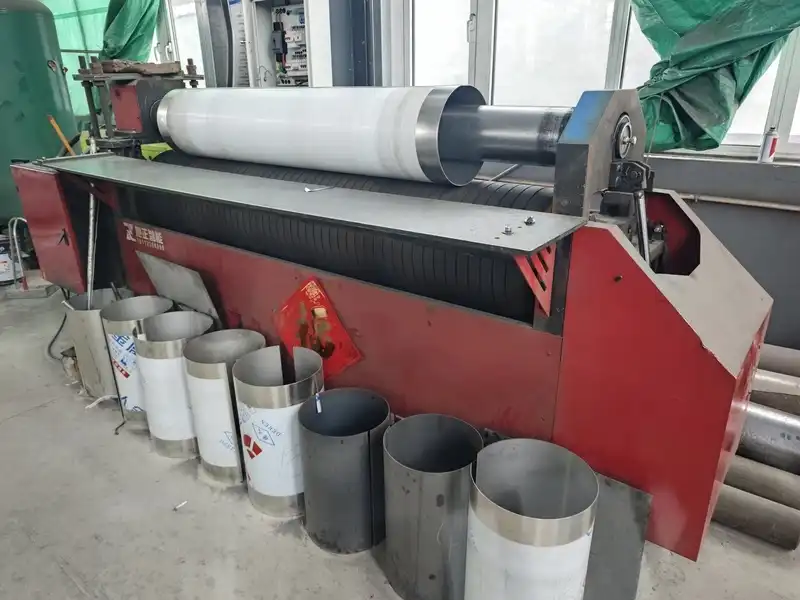
How a Plastic Particle Powder Screw Feeder Works
The Core Parts Inside the Feeder
A plastic particle powder screw feeder starts with a hopper that drops material into a screw housing. A rotating screw pushes the material forward to the discharge outlet, and each turn moves a set volume. A motor and gear reducer drive the screw, while a variable-speed control sets the feed rate. Many units add an agitator or bridge breaker in the hopper, and some add sensors or a load cell. Single-screw units handle free-flowing pellets well. Twin-screw units give more positive conveying for sticky or fine powders. I always tell buyers that the hopper matters as much as the screw, because material must reach the screw before the screw can feed it.
Volumetric and Gravimetric Control
A volumetric feeder sets output by screw speed alone. It costs less and runs simply, but it assumes the material weighs the same every time. A gravimetric feeder, usually a loss-in-weight design, weighs the hopper and adjusts screw speed to hit a target in kilograms per hour. That corrects for changes in bulk density. During refill, most loss-in-weight units switch to volumetric mode for a short time, so ask any supplier how accuracy holds during refill. If your recipe uses heavy filler or tight ratios, price a gravimetric unit. For free-flowing pellets at a steady rate, volumetric control often does the job.
What Changes Feeder Performance
Five material traits drive results: flowability, bulk density, particle size, moisture, and abrasiveness. Fine powders pack and arch above the screw, and Jenike's classic hopper studies tie that arching to hopper shape and wall friction. Moisture makes it worse. Abrasive fillers wear screws and seals faster than clean resin does. Screw pitch, torque, and speed range also matter, because a screw that suits pellets may starve on a fluffy powder. These variables explain why two materials with the same plastic name can need different feeders. Share your actual sample with the supplier, and expect a test run before the final design.
Main Application Scenarios for a Plastic Particle Powder Screw Feeder
Extrusion, Injection Molding, and Film Blowing
Extrusion lines gain the most from steady feeding, because output swings show up directly in the product. In rigid PVC pipe and profile, a plastic particle powder screw feeder can meter resin powder, calcium carbonate, stabilizer, and color powder at set ratios, which helps limit wall-thickness drift between manual bags. Injection molding and film blowing use feeders to add masterbatch, color, or additives at a fixed percentage to the main resin stream. Replacing hand dosing also cuts dust and the labor needed to watch the hopper. Whichever process you run, match the feed rate to the downstream machine's batch time, not to the maximum the feeder can deliver.
Compounding and Masterbatch Production
Compounding plants feed base resin, fillers, flame retardants, and pigments into twin-screw extruders. Filled masterbatch can carry very high mineral loadings, often more than half the formula by weight. Those powders have low bulk density, so each kilogram takes up a lot of volume. The feeder needs enough screw volume and an anti-bridging hopper to keep up. Gravimetric control suits these recipes because ratio drift can spoil a whole batch. Direct pigment feeding, which replaces purchased color masterbatch with color powder, is another use. It needs a fast-cleaning design because powder sticks to walls. Color dispersion also depends on the extruder and carrier, so test before a full switch.
Recycling, Reprocessing, and Polymer Powder Handling
Recyclers feed regrind and flakes whose shape and bulk density change from lot to lot. A plastic particle powder screw feeder with enough torque and a suitable flight profile moves irregular pieces that gravity alone would jam. Gravimetric control helps here because a volumetric screw cannot detect density shifts. Plants that handle polymer powders, additives, or fillers for mixers and reactors also use screw feeders to meter them into the next step. Sealed hopper lids and dust enclosures keep fines inside the equipment and out of the workshop. If a powder forms combustible dust, check NFPA 652 and your local rules, since grounding and dust control may call for added engineering.
Materials, Configuration, and Alternative Feeding Systems
Which Plastic Materials a Screw Feeder Can Handle
Screw feeders handle PP, PE, PVC, PET, ABS, PA, PC, engineering plastics, masterbatch, polymer powders, recycled pellets, regrind, and irregular flakes. The plastic's name alone does not pick the feeder, though. Free-flowing pellets move easily through a simple single-screw design. Cohesive powders and lightweight flakes may need twin screws, agitation, a special flight profile, or dust control. Electrostatic charge, temperature, and moisture also change behavior, and heat-sensitive fillers should not sit in a warm feed zone. Color changes add cleaning needs. Smooth inner walls, quick-release parts, and purge ports cut the time spent on each changeover.
Single-Screw or Twin-Screw, Volumetric or Gravimetric
Pick the screw first for a plastic particle powder screw feeder. Single-screw feeders suit free-flowing pellets and steady powders. Twin-screw feeders suit cohesive, sticky, or fine powders because the intermeshing screws push material forward and help clear the housing. Pick the control next. Volumetric control fits steady materials and tight budgets. Gravimetric control fits changing bulk density and strict ratios. Then check screw diameter and pitch against your required kilograms per hour, hopper shape against your flow problems, and surface finish against your cleaning schedule. Choose from your measured material behavior, not from a product category.
Screw Feeders Compared with Vibratory Feeders and Manual Feeding
A vibratory feeder moves free-flowing granules gently, but it struggles with cohesive powder and irregular flakes. A screw feeder gives more controlled dosing across powders, additives, and mixed forms. Against manual bag dumping, automation cuts labor, dust exposure, and weighing errors, and it keeps ratios consistent from shift to shift. A standard volumetric screw feeder is simpler to run and costs less. A loss-in-weight feeder costs more, yet it compensates for density changes and holds tighter accuracy. Compare each option on accuracy, material behavior, budget, and the process control you need.
Evaluating, Installing, and Maintaining a Plastic Particle Powder Screw Feeder
How to Judge Capacity and Accuracy
Start with three numbers: your minimum, normal, and maximum feed rates in kilograms (or pounds) per hour. Capacity comes from screw volume per revolution, speed range, bulk density, and fill efficiency. A powder that weighs half as much per liter needs twice the volume to deliver the same weight. Then separate the accuracy terms, because repeatability, linearity, and short-term stability are different measurements. Ask for the conditions behind any ±0.5% claim, including refill effects and the test material. Request torque data, wear estimates, and calibration steps too. Generic catalog figures cannot answer your question, so ask for a trial with your own sample.
Installation and Integration
Plan the mechanical side first: mounting height, flange size, discharge direction, support structure, and room to pull the screw for cleaning. On the electrical side, check the drive, PLC links, alarms, overload protection, and emergency stop signals. Confirm your plant voltage and frequency before ordering, since US plants commonly run 60 Hz and equipment built for other grids needs motor and drive changes. Before you install a plastic particle powder screw feeder, plan sealed connections, dust extraction, and grounding for fine powders. During commissioning, run the unit empty, check rotation, calibrate with real material, test several feed rates, and record the baseline settings.
Maintenance and Troubleshooting
Wear parts decide running cost. Inspect screw flights, housing, bearings, seals, couplings, and sensors on a schedule, and recalibrate after any part change. Abrasive fillers like calcium carbonate wear screws and shaft seals, so ask for the screw material grade, expected life, and spare-part prices before you buy. Low output, pulsing flow, blocked discharge, motor overload, and dust leaks usually trace back to bridging, a poorly shaped hopper, worn parts, wrong rotation, foreign objects, or a screw that does not fit the material. Bridging is a design issue, so the fix is agitation or hopper changes, not blaming the operator. Stock the wear parts that matter before the line stops.
Yude Plastic Machinery Equipment and Supplier Selection
Yude's Vertical Plastic Mixer for Pellet Blending
A uniform blend makes feeding easier, and Yude Plastic Machinery builds vertical plastic mixers for that upstream step. Here are the core features:
- Mixing structure: a single-screw, high-efficiency vertical design keeps material circulating smoothly. It blends PE, PP, ABS, and PVC pellets with mixing uniformity of 98% or higher. The effective volume is customizable by model, and the stirring shaft turns at 30 to 60 r/min, a speed range set for steady pellet circulation.
- Drive system: a three-phase asynchronous motor, with power matched to the tonnage of each model, works with a heavy-duty gear reducer. This pairing supports stable operation across different batch sizes and line capacities, from small units to large tonnage models. Tell us your batch weight and we will match the motor rating.
- Build quality: the barrel uses Q235 carbon steel with an anti-stick coating on the inner wall, which helps material release during color changes. The screw blades are wear-resistant, which extends equipment life. Mixing pellets for color matching and modification is a typical use for this build on lines of different capacities.
These features suit pre-processes such as plastic granulation, injection molding, and film blowing.
Choosing a Plastic Particle Powder Screw Feeder Supplier
Look beyond price. A capable supplier should show experience with pellets, powders, additives, masterbatch, and abrasive compounds, and should offer material testing before you commit. Ask about screw geometry options, single- and twin-screw choices, gravimetric control, hopper design, dust control, and wear protection. Review machining, welding, surface finish, inspection steps, documentation, spare parts, commissioning, and after-sales response. A good quotation lists the material data, capacity, accuracy, dimensions, controls, and standards. Yude Plastic Machinery inspects every stage from incoming raw material to final check, offers 7×24-hour after-sales support, and supplies vertical mixers from 600 kg to 10 tons plus small 300–500 kg pellet mixers. It can also provide multilingual interfaces and modifications for local standards.
Final Decision Checklist
Walk through six steps. Define the material and its properties. Calculate the capacity range. Choose volumetric or gravimetric control. Choose single or twin screws. Specify hopper, dust, and safety features. Then run a material trial and compare lifetime cost and support. A plastic particle powder screw feeder fits continuous or controlled feeding of pellets, powders, additives, and regrind into extrusion, molding, mixing, recycling, and compounding equipment. Special cases, such as moisture-sensitive or combustible powders, may also need drying, pneumatic conveying, explosion-risk engineering, or a full loss-in-weight system.
Conclusion
Plastic particle powder screw feeders deliver pellets, powders, additives, and regrind to extruders, molding machines, mixers, and compounding lines at a controlled rate. They fit best where manual dosing creates dust, ratio drift, or labor strain, as in PVC pipe, masterbatch, film, and recycling work. Results depend on material traits such as bulk density, moisture, particle size, and abrasiveness, so screw type, hopper design, and volumetric or gravimetric control should follow measured behavior. Capacity should match the downstream machine, and accuracy claims need stated test conditions. Installation planning, dust control, and wear-part maintenance affect long-term output as much as the initial specification. A trial with the real material, plus a supplier that documents capacity, wear life, and support, gives the most dependable basis for a decision.
FAQ
What is a plastic particle powder screw feeder used for?
It meters pellets, powders, additives, and regrind into extruders, molding machines, mixers, and compounding lines. Common uses include PVC pipe dry blends, masterbatch, film blowing, and recycling.
Should I choose volumetric or gravimetric control?
Choose volumetric for steady, free-flowing material and simple recipes. Choose gravimetric when bulk density changes or ratios must hold tightly, as in filled compounds. Ask how accuracy performs during hopper refill.
How do I prevent bridging?
Use a hopper shaped for your powder, add an agitator or bridge breaker, and consider twin screws for cohesive materials. Keep powder dry, because moisture worsens arching. Send a sample for a trial before the final design.
What should I send for a quote?
Send the material type, particle size, bulk density, moisture, target feed rate, accuracy needs, operating hours, installation dimensions, and downstream machine.
Ask Yude Plastic Machinery About a Plastic Particle Powder Screw Feeder
Yude Plastic Machinery can review your material, capacity, and line layout and recommend a suitable mixing and feeding setup. If you are comparing a plastic particle powder screw feeder supplier or planning a new line, send your material type, particle size, bulk density, and target rate to sales@yudemachinery.com. Our team supports customization, multilingual interfaces, and 7×24-hour after-sales service. Visit yudemachinery.com to see our vertical plastic mixers.
References
1. Extrusion: The Definitive Processing Guide and Handbook, 2005
2. Bulk Solids Handling: Equipment Selection and Operation, 2008
3. Storage and Flow of Solids (Bulletin 123, Utah Engineering Experiment Station), 1964
4. NFPA 652: Standard on the Fundamentals of Combustible Dust, 2019
5. Handbook of Industrial Mixing: Science and Practice, 2004
6. Plastics Additives Handbook, 2009
Learn about our latest products and discounts through SMS or email