- English
- French
- German
- Portuguese
- Spanish
- Russian
- Japanese
- Korean
- Arabic
- Greek
- German
- Turkish
- Italian
- Danish
- Romanian
- Indonesian
- Czech
- Afrikaans
- Swedish
- Polish
- Basque
- Catalan
- Esperanto
- Hindi
- Lao
- Albanian
- Amharic
- Armenian
- Azerbaijani
- Belarusian
- Bengali
- Bosnian
- Bulgarian
- Cebuano
- Chichewa
- Corsican
- Croatian
- Dutch
- Estonian
- Filipino
- Finnish
- Frisian
- Galician
- Georgian
- Gujarati
- Haitian
- Hausa
- Hawaiian
- Hebrew
- Hmong
- Hungarian
- Icelandic
- Igbo
- Javanese
- Kannada
- Kazakh
- Khmer
- Kurdish
- Kyrgyz
- Latin
- Latvian
- Lithuanian
- Luxembou..
- Macedonian
- Malagasy
- Malay
- Malayalam
- Maltese
- Maori
- Marathi
- Mongolian
- Burmese
- Nepali
- Norwegian
- Pashto
- Persian
- Punjabi
- Serbian
- Sesotho
- Sinhala
- Slovak
- Slovenian
- Somali
- Samoan
- Scots Gaelic
- Shona
- Sindhi
- Sundanese
- Swahili
- Tajik
- Tamil
- Telugu
- Thai
- Ukrainian
- Urdu
- Uzbek
- Vietnamese
- Welsh
- Xhosa
- Yiddish
- Yoruba
- Zulu
How to Improve Mixing Uniformity of HDPE Plastic Particle Mixer?
To make the mixing more even in an HDPE plastic particle mixer, you must first understand how it is designed and how it works. To get ≥98% uniformity, choose vertical mixers with spiral shapes that are designed for HDPE's density and fluidity. Keep the mixing speed between 250-450 RPM to avoid static buildup, make sure the material is properly treated before the batch is made, and make sure the chamber sides are mirror-polished (Ra ≤0.8µm) to reduce friction heat. Maintaining wear-resistant parts and calibrating automatic timers on a regular basis is another way to make sure that high-quality blends are made over and over again that meet strict manufacturing standards.
Getting regular mixing uniformity has a direct effect on production efficiency and the quality of the finished product for procurement engineers and buying managers in the plastics manufacturing sector. Whether you're making ISO 4427-compliant pressure pipes, blow-molded chemical containers, or streams that mix post-consumer recycled (PCR) materials with fresh HDPE, the success of your downstream process depends on how well you mix the materials upstream. Poor mixing causes color differences in colored goods, structural flaws in load-bearing uses, and expensive waste of materials.
Challenges Affecting Mixing Uniformity in HDPE Plastic Particle Mixers
Material-Related Variables
Hdpe pellets are hard to blend evenly because they are hard to handle in certain ways. During mixing rounds, differences in pellet sizes, which are usually between 2 mm and 5 mm, cause density segregation. Gravitational settling happens when color masterbatches or heavier additives like calcium carbonate are mixed with fresh resin if the mixing energy is not spread out correctly. The fact that recycled HDPE flakes can absorb water makes the lack of uniformity even worse. This is especially true in humid places, where the water content can change by 0.5% to 2% between batches.
Equipment Design Limitations
A lot of standard industrial mixers don't have the right shape for HDPE, which has a specific bulk density of about 0.6–0.7 g/cm³. When chambers aren't built well, dead zones trap material, leaving areas of unmixed material that contaminate later batches. Fine particles are drawn to the walls of the mixer when static electricity builds up, which stops the proper mixing and causes charge-related clumping. When the agitator gaps are too small or the blade angles are wrong, the vertical lift that is needed for full turnover does not happen in vertical setups.
Operational Parameter Misalignment
Too much mixing creates too much contact heat, which softens pellets and makes clumps that need to be worked out again. When you don't mix enough, color concentrates are spread out randomly, which causes streaks when you extrude the product. These problems are made worse by mistakes in the batch size. When you overfill, the room for vertical movement is cut down, and when you underfill, the material can slide along the walls without interacting with the mixing device. Changes in the temperature of the production area affect the surface properties of the pellets, which changes how they move and needs real-time tweaks that can't be made by hand.
When buying teams understand how these problems are related, they can put more emphasis on equipment features that deal with the causes rather than the symptoms. The practical cost of uniformity failures, such as average scrap rates of 3–7% in badly controlled processes, makes it worth investing in an HDPE plastic particle mixer that is made just for the job.
Key Factors and Principles to Enhance Mixing Uniformity
Mixer Design Architecture
The spiral mixing structures in vertical mixers made for HDPE uses make controlled cyclonic motion. The shape encourages material to move from the bottom to the top, which keeps heavy ingredients suspended throughout the cycle. The best dwell time and fluidization are achieved when the chamber diameter-to-height ratio is between 1:1.5 and 1:2. Powder additives can be used with paddles that are set up in wide ribbon or ploughshare shapes because they coat pellets evenly instead of letting fines settle.
The building materials have a big effect on how well they work and how long they last. For building chambers, we only use SUS304 or SUS316 stainless steel, and the inside sides must be mirror-polished to get Ra ≤0.8µm values. This finish reduces frictional heat production and stops materials from sticking together. This is especially important when working with recovered HDPE that still has contaminants on it. When working with glass-fiber reinforced types, finishes that don't wear down, like tungsten carbide spray treatments, on paddles make them last longer.
Operational Parameter Optimization
Calibration of the mixing time strikes a balance between accuracy and heat production. The best cycles for normal HDPE blends with 2-5% masterbatch content are between 3 and 10 minutes, based on the size of the batch. Over-processing is avoided by setting automatic timers to end when the desired unity is met. Rotation speeds need to be carefully managed. Between 250-450 RPM is the right range for fluidization without creating too many shear forces that cause static buildup or pellet deformation in the HDPE plastic particle mixer.
Material Pre-Treatment Protocols
The main reason for clumping during mixing can be stopped by drying recovered HDPE to below 0.3% moisture level first. Electric jacketed rooms that work at 50–150°C do two things: they remove any remaining water from recycled bottles that have been cleaned, and they prepare materials for extrusion further down the line. Screening for particle size before mixing gets rid of big chunks and fines, making feed streams that are regular and blend predictably. Using these methods upstream improves quality in a way that can be measured and doesn't require changing any equipment.
Proven Techniques and Technologies to Improve HDPE Plastic Particle Mixing
Advanced Automation Integration
Modern systems that are managed by PLCs and have HMI touchscreens can handle recipes for different HDPE formulations. When operators choose pre-set options for tasks like "black pipe grade" or "milk jug recyclate blend," the HDPE plastic particle mixer adjusts the mixing speed, length, and chamber temperature on its own. Real-time load monitoring finds changes in the way materials behave, which sets off flexible reactions that keep things consistent even if the raw materials are different. These smart systems make it easier for operators to do their jobs while also making it easier to repeat batches. For example, regularity coefficients of variation usually drop below 2%, whereas they would be 5–8% with human controls.
Static Mitigation Technologies
Basic systems use grounded stainless steel tanks to get rid of static electricity, but more advanced ones use ionized air shooters to stop charge buildup on pellet surfaces. When you run at the best low-shear speeds, you can reduce the triboelectric generation that comes from HDPE's insulating qualities. Some companies use humidity injection systems to keep the air in the room at a controlled level of wetness. This stops static electricity from connecting charges without adding too much water, which could damage hydrophobic polymers.
Preventive Maintenance Frameworks
Mechanical stability is important for consistent mixing function. The main focus of daily checks is getting rid of any leftover material from the discharge gate. This is because leftover material can contaminate batches that need different color specs. Verifying the tightness of the belt stops the drive system from slipping, which can change mixing speeds in unpredictable ways. When handling high-density polyethylene, heavy loads can cause main bearings to seize up. To avoid this, auto-lubrication systems keep the bearings from locking up. Every three months, paddle wear tests find parts that need to be replaced before they stop working properly, which can be seen in output quality tests.
Application-Specific Case Studies
A southern U.S. company that makes pressure pipes teamed up with specialized mixer makers to fix problems with the way carbon black masterbatch was being spread out that were causing UV degradation failures. By using carbon black distribution analysis to show the change from horizontal ribbon mixers to vertical spiral designs with mirror-polished interiors, the level of regularity went from 94% to 99.2%. The number of passes on the pipe burst test went from 96% to 99.8%, which stopped expensive field failures.
A company that made chemical containers with 30% PCR material had problems with structural weakness caused by uneven spread of recycled flake. When pre-drying methods and automatic recipe controls were used for virgin-recycled blends, the melt flow index values were the same across all production runs. Drop test compliance went up from 92% to 98%, which meant they could get licenses for packing dangerous materials that they couldn't get before because they had to mix the materials by hand.
Comparative Analysis to Inform Smarter Procurement Decisions
Material-Specific Design Considerations
Because of their bulk and how they react to electricity, an HDPE plastic particle mixer is very different from PVC or PP tools. HDPE needs to be handled more carefully to avoid static problems, while PVC can handle faster force mixing at 600 RPM or more. Because polyethylene softens at a lower temperature than polypropylene, contact heat must be managed by using smooth surfaces and controlling the mixing times. Instead of taking general-purpose plastic mixers that don't work well, procurement requirements should clearly state HDPE optimization.
Capacity and Configuration Selection
With capacities ranging from 200 kg to 10,000 kg per batch, vertical mixers are great for sites that don't have a lot of floor room. Standard types with capacities of 500 kg, 1,000 kg, 3,000 kg, and 5,000 kg are in line with standard industrial scales. Horizontal ribbon mixers are better for integrating ongoing processes, but they need 40–60% more floor space. Vertical designs make it easier to clean up between product changes and speed up output for batch operations, which are the most common way to do custom color compounding and specialty grade production.
Automation Level Assessment
Small businesses that use consistent formulas can benefit from manual control systems, which lower capital costs by 30 to 40 percent compared to fully automatic options. But companies that use multiple HDPE grades every day get their money back in less than 18 months with PLC systems because they cut down on work costs and waste. The choice depends on how complicated the production is, not how big it is. A 500 kg automatic mixer is worth the extra cost in high-mix settings, while a 5,000 kg manual unit works well for dedicated single-product lines.
Price-Performance Analysis Framework
The most popular 2024 mixer types range from simple 300 kg manual units that cost $8,000 to modern 10 ton automatic systems that cost $85,000 or more. Instead of just looking at the purchase price, procurement teams should figure out the cost per kilogram of daily output when they are comparing bids. When you add up the costs of labor and quality, an automatic 1,000-kilogram mixer that processes eight batches every day costs $4.38 per kilogram, which is less than a human 500-kilogram unit that costs $5.50 per kilogram.
Procurement Guide: How to Select and Purchase the Best HDPE Plastic Particle Mixer
Critical Selection Criteria
The main requirement is uniformity performance, with goals of ≥98% or more consistency for important uses like pressure lines or medical-grade containers. Ask for test results from a third party that show how well the mixing worked according to ASTM D6195 or a similar standard. Energy economy ratings have a big effect on operating costs. For example, motors with variable frequency drives use 25–35% less energy than fixed-speed options while still letting you set the speed precisely in the HDPE plastic particle mixer.
Supplier Qualification Process
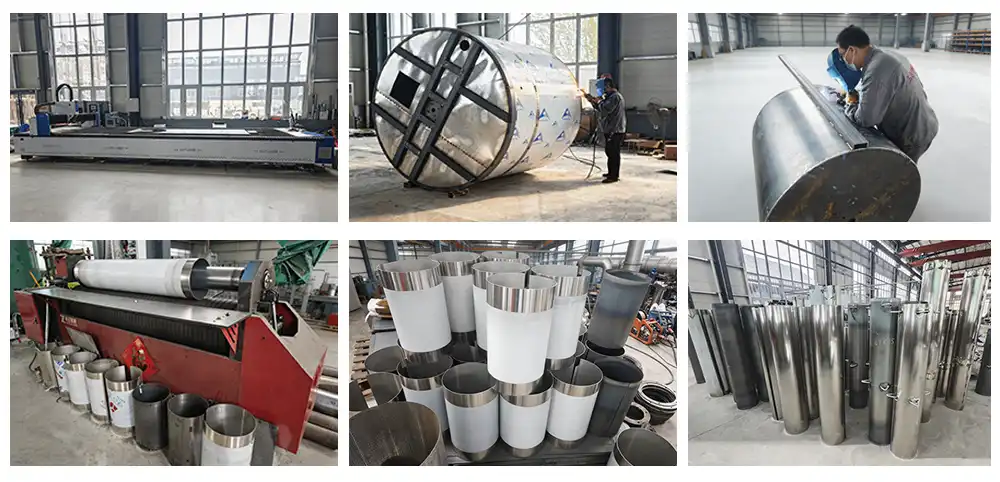
Check the factory's ability to make things by using checks or inspection reports from a third party. Check your in-house machining tools for important parts like mixing rods and paddle sections; when you outsource manufacturing, quality can vary. Ask for material certificates for stainless steel chambers that prove the grade requirements. Check the testing methods that were used before the shipment, such as vibration testing with no load and checking the integrity of the seals under realistic working conditions.
Pricing and Logistics Considerations
You can make the most of your budget by asking for written quotes that separate the costs of tools from the costs of extra features. When you buy a lot of something, you usually get a price of 8–12%. Know what Incoterms mean. FOB pricing puts the shipping risk at the starting port, while DDP quotes include delivery, duties, and customs clearing. DDP quotes make planning easier, but they could cause costs to go up.
Conclusion
To get better mixing precision in processing HDPE plastic particles, the design of the equipment, the way it is used, and the relationships between suppliers need to be in sync. It is possible to get better product stability and working efficiency with vertical HDPE plastic particle mixers that are designed to work with high-density polyethylene. These mixers have optimized spiral structures, mirror-polished chambers, and adaptive automation. When purchasing decisions are based on the total cost of ownership instead of just the purchase price, along with strict supplier qualification, factory processes are set up to have a long-term competitive edge.
FAQs
How do we prevent static electricity buildup when mixing HDPE pellets?
Because HDPE is an insulator, it creates static electricity when it mixes with other materials. Professional vertical mixers have stainless steel cylinders that are grounded and constantly get rid of charge buildup. Ionized air nozzles take away the surface charges of pellets, which keeps them from sticking together and bridging. Triboelectric production is reduced when speeds are adjusted between 250 and 450 RPM compared to high-shear options. Some systems add controlled humidity input, which keeps the atmosphere in the room at a level that lowers static electricity without adding moisture contamination. These combined methods get rid of mixing problems caused by static electricity that happen a lot in standard tools.
What daily care makes sure that the HDPE mixer always works well?
Check the release gates for any leftover material that could contaminate other color runs. Make sure the drive belt is tight so it doesn't slip and change the mixing speeds without warning. Check the main bearings' auto-oil systems. HDPE's high bulk density makes heavy loads that need regular lubrication. Cleaning the inside of the cylinder once a week will keep the shiny surfaces from getting dirty, which causes friction heat to rise. Check for wear on the paddles once a month and replace any worn parts before they affect the regularity. Keep track of upkeep tasks to find trends that match up with quality metrics for mixing.
Can regular mixers work well with glass-fiber strengthened HDPE?
Glass-fiber roughness speeds up wear on standard paddle designs, cutting service life by 60–70%. Specialized mixers for strengthened grades have thicker chamber walls and mixing elements that are coated with tungsten carbide spray. With these changes, the operational life goes from 18 to 24 months to 48 to 60 months when output is constant. Specifications for purchases should clearly say the amounts of glass fiber used. For example, formulations with more than 15% reinforcement need heavy-duty designs that cost 25–35% more than normal equipment but have a lower total cost of ownership.
Partner With Yude Plastic Machinery for Superior HDPE Mixing Solutions
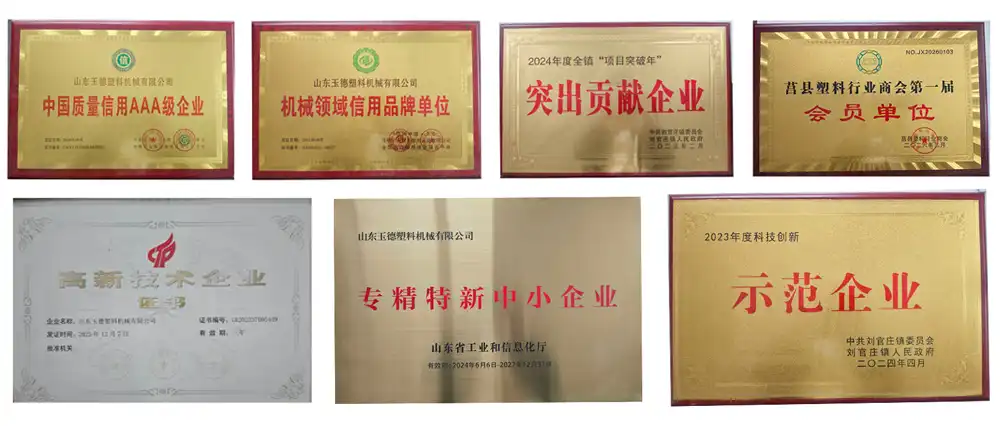
With vertical HDPE plastic particle mixers designed to be ≥98% regular, Yude Plastic Machinery can help you improve the way you handle high-density polyethylene. Our special tools have improved spiral structures, SUS304/316 chambers that are mirror-polished, and automatic controls that are designed to work with HDPE's density. We offer precision machining and full after-sales help, including expert support 24 hours a day and fast shipping of spare parts. We work with producers in pipe extrusion, film production, and injection molding. We are a well-known company that makes mixers and has exported to more than 30 countries. We offer custom solutions that meet international standards and user interfaces that can be used in more than one language. Get in touch with our engineering team at sales@yudemachinery.com for application-specific advice, performance data, and cheap quotes that meet your exact production needs. Let's make your manufacturing base more reliable by mixing.
References
- Miller, J.R. & Thompson, K.L. (2022). Polymer Mixing Technology: Principles and Industrial Applications for Thermoplastics. Industrial Press, New York.
- Chen, H. & Wang, S. (2023). "Optimization of Mixing Parameters for High-Density Polyethylene Composite Materials," Journal of Polymer Engineering, 43(2), 187-203.
- International Organization for Standardization. (2021). ISO 4427: Plastics Piping Systems - Polyethylene (PE) Pipes and Fittings for Water Supply. Geneva: ISO.
- Bergstrom, A. & Johansson, M. (2023). Quality Control in Plastic Manufacturing: Statistical Methods for Process Optimization. Wiley-VCH, Weinheim.
- American Society for Testing and Materials. (2022). ASTM D6195: Standard Test Methods for Total Luminous Transmittance of Transparent Plastics. West Conshohocken: ASTM International.
- Rodriguez, P., Kim, Y.S., & Patel, N. (2024). "Static Electricity Management in Polymer Processing Equipment," Plastics Technology International, 51(1), 44-59.
Learn about our latest products and discounts through SMS or email