- English
- French
- German
- Portuguese
- Spanish
- Russian
- Japanese
- Korean
- Arabic
- Greek
- German
- Turkish
- Italian
- Danish
- Romanian
- Indonesian
- Czech
- Afrikaans
- Swedish
- Polish
- Basque
- Catalan
- Esperanto
- Hindi
- Lao
- Albanian
- Amharic
- Armenian
- Azerbaijani
- Belarusian
- Bengali
- Bosnian
- Bulgarian
- Cebuano
- Chichewa
- Corsican
- Croatian
- Dutch
- Estonian
- Filipino
- Finnish
- Frisian
- Galician
- Georgian
- Gujarati
- Haitian
- Hausa
- Hawaiian
- Hebrew
- Hmong
- Hungarian
- Icelandic
- Igbo
- Javanese
- Kannada
- Kazakh
- Khmer
- Kurdish
- Kyrgyz
- Latin
- Latvian
- Lithuanian
- Luxembou..
- Macedonian
- Malagasy
- Malay
- Malayalam
- Maltese
- Maori
- Marathi
- Mongolian
- Burmese
- Nepali
- Norwegian
- Pashto
- Persian
- Punjabi
- Serbian
- Sesotho
- Sinhala
- Slovak
- Slovenian
- Somali
- Samoan
- Scots Gaelic
- Shona
- Sindhi
- Sundanese
- Swahili
- Tajik
- Tamil
- Telugu
- Thai
- Ukrainian
- Urdu
- Uzbek
- Vietnamese
- Welsh
- Xhosa
- Yiddish
- Yoruba
- Zulu
How to choose silo-type plastic pellet mixer for injection molding plant?
To pick the best plastic particle silo mixer for your injection molding plant, you need to know how much you make, what kinds of materials you use, and how much technology you need. If you choose the right silo mixer, it will store and mix pellets at the same time, making them more uniform by more than 98% while saving you money on floor space and work. The most important things for procurement teams to think about are mixing capacity, energy savings, control systems, and the stability of suppliers. This guide goes over important selection criteria, practical benefits, and source evaluation factors to help you make an investment that increases productivity and protects the quality of the materials during the molding process.
Understanding Silo-Type Plastic Pellet Mixers
What Are Silo-Type Plastic Pellet Mixers?
Plastic particle silo mixers are big, vertical mixing machines that were made to work with thermoplastic pellets that are used in injection casting. Unlike most horizontal tumblers, these machines have a mixing room below and a cylindrical part on top for bulk storage. This building has two uses, which saves room on the production floor, which is very helpful in places with a lot of work to be done because every square meter counts. The material comes in from the top, moves through the mixing zone on a center screw auger or paddle system, and comes out at the bottom through a controlled release system.
Polyethylene, polypropylene, ABS, and PVC are just some of the resins that the tools can work with. The sizes range from small 500 kg units that are good for small makers to huge 30-ton plastic particle silo mixers that are used by plants that make car parts. The vertical design lets gravity help with recycling, which uses less energy than horizontal batch mixers. Many types get mixing consistency equal to or higher than 98%, which meets strict quality standards for distributing the color masterbatch and adding the regrind.
Core Working Principle and Design Features
Continuous material lifting and radial spread are needed for the mixing process to work. A powered auger or ribbon stirrer moves the pellets up from the cone-shaped bottom through a tube in the middle. At the top, the material spreads out in the shape of an umbrella, falling back into the room through the silo walls. This cyclonic flow happens many times an hour, which stops separation based on density and makes sure that the additives are spread out evenly.
Programmable logic controllers are built into modern systems' electric control cabinets. This lets workers switch between human and automatic modes. Level sensors keep an eye on the fill height and sound alarms when there isn't enough material, which keeps production from stopping. Some more modern models have varying frequency drives that change the speed of the agitator based on the pellets. This makes the best use of power while keeping the consistency of the mix. Temperature tracking choices help handle resins that are sensitive to water, like nylon or PET, and support pre-drying methods when needed.
Operational Benefits for Injection Molding Lines
Adding a plastic particle silo mixer changes the way that materials are moved. By combining storage and mixing, plants get rid of the need for multiple transfers between hoppers, conveyor systems, and shaping machines. By streamlining the process, less work needs to be done and the risk of exposure from repeated handling is lower. The stability from batch to batch gets a lot better, which keeps the melt flow index values and mechanical features of finished parts stable.
Gains in energy economy can be measured. Because of gravity-assisted recirculation and better motor size, vertical plastic particle silo mixers use 30% to 40% less power per ton of mixed material than standard tumble mixers. Centralized feeding systems cut down on the number of times that each shaping machine has to replace its hoppers, which means less downtime. It becomes easier to predict quality control, which lowers the amount of scrap that is made because of color streaks or weak spots caused by uneven masterbatch spread.
Criteria for Choosing the Right Plastic Pellet Silo Mixer
Assessing Production Volume and Throughput Requirements
The plastic particle silo mixer size is based on how much resin your plant uses every day. If you want to account for production spikes or line growth, raise the peak hourly demand by 1.5 times the number of active molding machines. A factory that processes five tons per shift usually needs a seven- to ten-cubic-meter silo to keep extra stock without having to keep replacing it. Undersized units require a lot of supply of materials, which slows down work and raises the cost of labor. Too big of a mixer can waste money and make pellets less stable if the material sits for too long before it is discharged.
Throughput is also affected by the design of the release valve and the systems that move materials downward. Gravimetric or vacuum loaders need rotary valves or slide gates that match the rate of feed. Mismatches cause delays, which cancels out the silo's capacity benefit. Carefully read technical datasheets to make sure that the discharge rates match up with how much your molding tools use when they are running all the time.
Material Characteristics and Compatibility
The qualities of the pellet have a big effect on the plastic particle silo mixer that is chosen. Free-flowing plastics like HDPE or polystyrene mix easily in normal paddle mixers. However, fibrous additives or regrind particles with odd shapes need more vigorous mixing. For equipment made of glass-filled nylons or mineral-reinforced materials to last longer and be resistant to wear, it needs to be built out of stainless steel.
Changes in bulk density affect how big a plastic particle silo mixer needs to be. Low-density foamed pellets take up more space per kilogram than solid ABS, so bigger bins are needed to hold the same amount of weight. Materials that absorb water easily, like plastic or nylon, do better in bunkers that have desiccant dryers or nitrogen blanketing systems built in. This keeps the materials from getting too wet while they are being stored. Always tell suppliers what kinds of resins and additives you want to use so they can suggest the right stirrer speeds and internal surface finishes.
Mixing Uniformity and Performance Metrics
The most important measure is uniformity. Mixing coefficients of variation for industrial-grade plastic particle silo mixers should be less than 5%, which means that the mixture should be more than 98% uniform. Ask a third party to provide test results that show how well the blend works with the materials you're using, especially if you're using a lot of masterbatch or a lot of regrind streams.
Cycle time is also important. Most 1-ton batches can be homogenized in 8 to 12 minutes with an efficient plastic particle silo mixer. This means that changes can be made quickly to the color or ingredient amounts without having to wait a long time. Slower cycles mean more work-in-progress material and less freedom in timing. Check how well the mixer works in situations that are similar to the ones you'll be using in production, such as ranges of ambient temperature and amounts of pellet moisture.
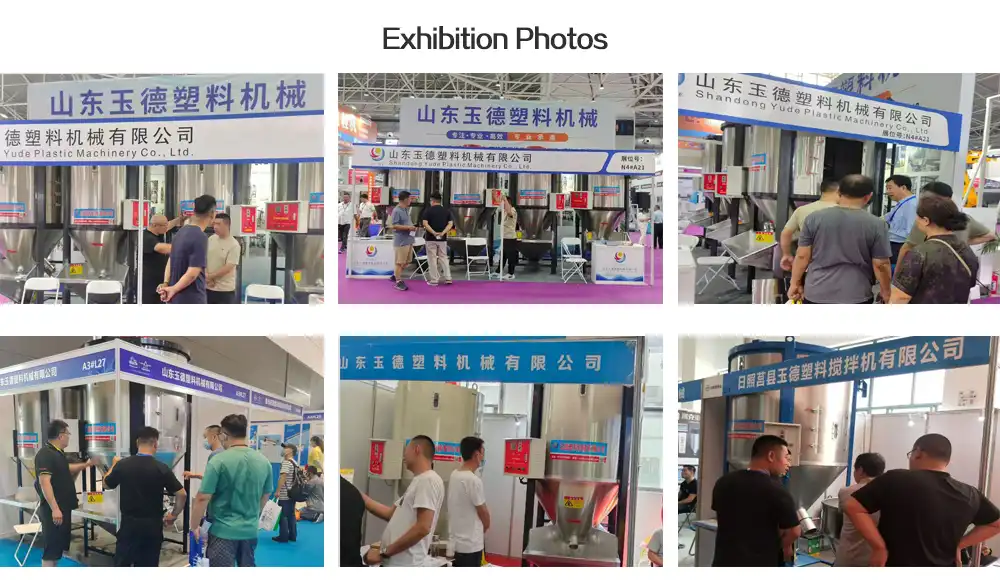
Evaluating Brands, Suppliers, and After-Sales Support
Leading Manufacturers and Technology Innovations
Well-known companies put a lot of money into research and development, which leads to small but steady gains in things like energy efficiency, resistance to wear, and control complexity. Yude Plastic Machinery shows this dedication by providing a wide range of products, from small 300 kg plastic particle silo mixers to large 10-ton units. In their line of products, they have vertical color mixers made for precise masterbatch mixing and stainless steel models made for food-grade use. Because of this, buyers can get whole material handling systems from a single vendor, which makes getting expert help and spare parts easier.
Companies that have ISO certifications and written quality control systems show that they are serious about meeting consistent output standards. Look for proof of ongoing programs for growth, like using Six Sigma or Lean Manufacturing. These programs make plastic particle silo mixers more reliable and reduce the number of failures in the field. Companies that put out white papers or case studies show that they know a lot about technology and are happy to share their knowledge with customers.
Supplier Evaluation Criteria
Delivery wait times have a big effect on project plans. Standard plastic particle silo mixers are usually ready in 6 to 10 weeks from sources in North America or Asia. Custom versions can take up to 14 weeks. For ocean freight, international delivery adds another 4 to 6 weeks, plus the time it takes to clear customs. Plan for extra time in case something goes wrong, and get specific production plans before you place an order.
Coverage under warranties varies a lot. Basic plans cover parts and work for 12 months, while higher plans cover 24 months and include yearly preventative maintenance visits. Carefully read the parts of the protection that don't cover wear and tear, especially parts like agitator blades or outlet valve seals. Maintaining regional spare parts stores for the plastic particle silo mixer by suppliers cuts down on downtime during repairs, which is very important for plants that run ongoing production plans.
Real-World Client Reviews and Case Studies
Peer experiences are very helpful for procurement teams. People in industry platforms and LinkedIn groups often talk openly about how quick suppliers are, how reliable plastic particle silo mixers are, and any secret costs that come up during installation. The most useful feedback comes from direct references from current customers in similar fields. Ask for the contact information of at least three recent setups that meet your needs for size and application.
Case studies that makers put out show how to solve problems and how well the solution worked. A well-researched example could show how a plastic particle silo mixer fixed problems with color accuracy in the molding of car bumpers, including how much scrap was saved and how long it took to pay for itself. These stories help buyers picture how the equipment will work in their own buildings and set reasonable goals for how it will improve operations.
Conclusion
To find the best plastic particle silo mixer, you need to carefully consider your production needs, the properties of the material, and your long-term business goals. Mixing uniformity, automatic compatibility, and seller dependability should be given more weight than the original buy price. When you have the right tools, your injection molding processes can be transformed by consistent material quality, less work, and processing that uses less energy. When you carefully look over the technical specs and do your research on the supplier's skills and customer service after the sale, you can give your company a long-term competitive edge in tough production environments.
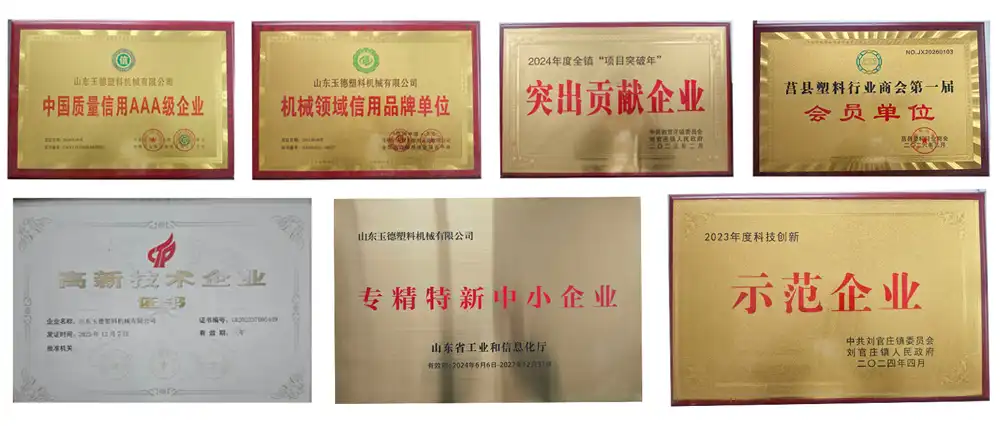
FAQ
How can I tell if a silo mixer is right for the size of my plant's production?
Figure out how much resin your molding tools use each day, and then choose a plastic particle silo mixer that can hold 1.5 times your peak hourly demand. Smaller batch mixers may be more cost-effective for plants that process less than 500 kg per shift, while bin systems are very helpful for plants that process more than 2 tons per day. When sizing tools, think about how it will be used in the future so that it doesn't become obsolete too soon.
How often should repair be done to avoid costly downtime?
Visual checks done once a month find 90% of problems before they get bad enough to break something. Bearings and gears in the plastic particle silo mixer should be oiled every three months to keep them in good shape, and they should be completely taken apart once a year so that worn parts can be replaced on time. High-abrasion materials need to be checked more often, so change the time between checks based on the resins you use and how hard they are used.
Can silo mixers handle multiple plastic types simultaneously?
Modern plastic particle silo mixers are great at mixing new pellets with regrind and masterbatch ingredients, making sure that particles of all densities and sizes are spread out evenly. Don't mix resins that don't react with each other chemically, like PVC and acrylic, because it could cause contamination. When moving resin families, quality problems can be avoided by cleaning well between changes in materials.
Partner with a Trusted Plastic Particle Silo Mixer Manufacturer
Work with a reliable company that makes plastic particle silo mixers. For decades, Yude Plastic Machinery has been creating and making vertical mixing solutions that are perfect for injection molding operations. Our products range from 300 kg color mixers to industrial 10-ton bins. All of them are designed to mix uniformly above 98% of the time and use little energy. We work with clients in over 30 countries to make unique setups that include explosion-proof motors, stainless steel construction, and PLC interfaces that can be used in multiple languages. Because our technical support team is available 24/7 and we work with service partners around the world, we can quickly answer questions about installation or fix problems. Get in touch with our purchasing experts at sales@yudemachinery.com to talk about your material handling problems and get a full quote that fits your production needs.
References
- Modern Plastics Handbook: Material Selection and Processing Techniques for Industrial Applications. Society of Plastics Engineers, 2021.
- Industrial Mixing Technology: Principles and Applications in Polymer Processing. American Institute of Chemical Engineers, 2020.
- Quality Assurance in Injection Molding: Statistical Process Control and Material Homogeneity Standards. Plastics Industry Association, 2022.
- Energy Efficiency in Plastics Manufacturing: Comparative Analysis of Material Handling Equipment. U.S. Department of Energy Industrial Technologies Program, 2019.
- Safety Guidelines for Bulk Solids Handling in Thermoplastic Processing Facilities. National Fire Protection Association, 2021.
- Procurement Best Practices for Capital Equipment in Polymer Processing Industries. International Purchasing and Supply Chain Management Institute, 2020.
Learn about our latest products and discounts through SMS or email