- English
- French
- German
- Portuguese
- Spanish
- Russian
- Japanese
- Korean
- Arabic
- Greek
- German
- Turkish
- Italian
- Danish
- Romanian
- Indonesian
- Czech
- Afrikaans
- Swedish
- Polish
- Basque
- Catalan
- Esperanto
- Hindi
- Lao
- Albanian
- Amharic
- Armenian
- Azerbaijani
- Belarusian
- Bengali
- Bosnian
- Bulgarian
- Cebuano
- Chichewa
- Corsican
- Croatian
- Dutch
- Estonian
- Filipino
- Finnish
- Frisian
- Galician
- Georgian
- Gujarati
- Haitian
- Hausa
- Hawaiian
- Hebrew
- Hmong
- Hungarian
- Icelandic
- Igbo
- Javanese
- Kannada
- Kazakh
- Khmer
- Kurdish
- Kyrgyz
- Latin
- Latvian
- Lithuanian
- Luxembou..
- Macedonian
- Malagasy
- Malay
- Malayalam
- Maltese
- Maori
- Marathi
- Mongolian
- Burmese
- Nepali
- Norwegian
- Pashto
- Persian
- Punjabi
- Serbian
- Sesotho
- Sinhala
- Slovak
- Slovenian
- Somali
- Samoan
- Scots Gaelic
- Shona
- Sindhi
- Sundanese
- Swahili
- Tajik
- Tamil
- Telugu
- Thai
- Ukrainian
- Urdu
- Uzbek
- Vietnamese
- Welsh
- Xhosa
- Yiddish
- Yoruba
- Zulu
How to choose a plastic mixer for granule injection molding machines?
When picking a plastic mixer for granule injection molding machine, you need to think about technical specs, production capacity, and how reliable the machine will be in the long run. When you use the right tools, you can make sure that thermoplastic resins are mixed evenly with color masterbatches, fillers, and regrind materials. This keeps finished molded parts from having any color or functional problems. When procurement engineers look at mixing equipment, they need to think about things like mixing regularity (ideally ≥98%), how well it works with PE, PP, ABS, and PVC powders, and how well it can be integrated with other production lines. This choice has a direct effect on the quality of the product, the speed of operations, and the return on investment for uses that use injection molding, film blowing, and extrusion.
Understanding the Core Functionality of Plastic Mixers for Granule Injection Molding
In plastic making settings, plastic mixer for granule injection molding machine's main job is to make sure that the different parts of the material are spread out evenly before they go into the plasticizing unit. When you mix things by hand, the particles tend to separate. But designed mixing systems use vertical motion to evenly mix materials with different bulk densities.
The Role of Uniform Blending in Injection Molding Quality
Material uniformity has a direct effect on the properties of the finished product. When producers don't mix raw resin pellets and color concentrates properly, consumers can see streaks in their goods. When mixing isn't done well enough, heavy additions like talc fillers tend to settle at the bottom of the hopper. This makes weak spots in car parts. These problems can be solved by vertical plastic pellet processing equipment that uses controlled motion cycles to keep particles suspended during the mixing process. This stops the separation that happens because of density that often happens in gravity-fed systems.
Different Mixer Types and Their Production Applications
Different types of equipment are used for different levels of automation and churning speed. High-speed models can finish batch runs in 20 to 30 minutes, which works well for just-in-time production plans where materials are switched out often. Low-speed mixers work in rounds of 45 to 60 minutes, which is better for handling delicate ingredients that are easily damaged by mechanical stress. Automated systems have PLC controls and recipe storage, which lets workers use the same exact formulas during different jobs. Manual versions need to be watched over by an operator, but they are easy for smaller workshops that process less than 500 kilograms per day.
Comparing Mixers with Alternative Material Handling Equipment
Screw conveyors move materials quickly and efficiently, but they can't mix them, so they can't be used on their own when formula precision is important. During melt processing, extruders mix the material, but this method can't fix the uneven spread of the particles that come in through the feed throat. Upstream dedicated mixing equipment makes sure that the material is uniform before thermal processing starts. This lowers the wear on the screws and makes the melt more uniform. When regrind materials are used in production, this pre-processing step is especially helpful because it stops the clumping that often jams screw feed zones.
Critical Criteria to Consider When Choosing a Plastic Mixer
When choosing equipment, it's important to make sure that the factors are in line with the needs of the manufacturing process. The following criteria help procurement teams make choices based on facts that balance the need for success with the limitations of the budget for a plastic mixer for granule injection molding machine.
Capacity and Throughput Matching Production Demands
Batch sizes must match the rates at which the injection molding machine uses materials. About 300 to 400 kilograms of material are used up every hour by a 180-ton drilling press that cycles every 45 seconds. Professionals in procurement should figure out the daily throughput needs while taking into account things like line speed and operations that happen on multiple shifts. Vertical equipment for making plastic pellets runs from 300-kilogram units that are used in small workshops to 10-ton industrial systems that help factories make a lot of products. Mixers that are too small slow down production, while equipment that is too big takes up important floor room and uses more energy than it needs to.
Energy Efficiency and Operating Cost Considerations
Three-phase asynchronous motors with overload safety keep running smoothly while keeping power use under control. Models with variable frequency drives use the least amount of energy because they change the motor speed based on batch needs instead of running at full power all the time. Ask for nameplate power rates and figure out how much electricity each piece of equipment uses each year based on its operating hours when comparing it to other options. Over the course of five years, energy costs may be higher than the cost of buying the tools in the first place. This is why efficiency analysis is so important for figuring out the total cost of ownership.
Maintenance Requirements and Equipment Durability
The materials used in construction have a big effect on how often parts need to be serviced and how much they cost. Q235 carbon steel is a cheap material to start with, but it needs to be checked for rust on a frequent basis in damp places. Stainless steel 304 is better at resisting chemicals and lasting longer, especially when working with plastics that are sensitive to water or materials that have acidic additives. Interior areas that are mirror-polished and have a roughness value below 0.8 micrometers stop material growth that could contaminate later runs. Equipment with easy-to-reach inspection holes and tool-free removal cuts down on repair work hours, which is an important thing to think about when figuring out long-term costs.
Comparing Popular Plastic Mixer Solutions on the Market
There are both specialized auxiliary equipment makers and full-line machinery providers that work with the plastics processing business that make the plastic mixer for granule injection molding machine. Knowing the choices that are out there helps buying teams find solutions that meet their business needs.
Vertical Mixing Systems from Dedicated Equipment Providers
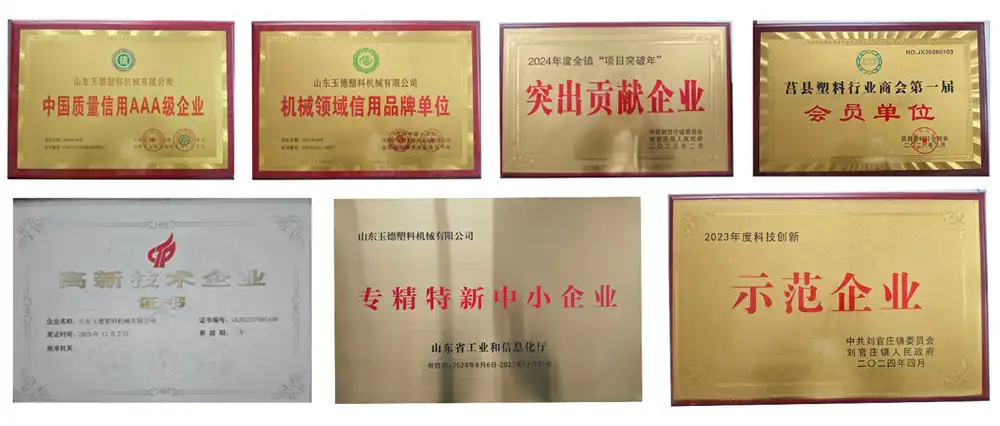
Specialized companies like Yude Plastic Machinery only make mixing and material handling tools. Their product lines include small 300-kilogram models as well as big 10-ton systems. Their vertical mixing designs have center augers that lift granules to the top of the room. This creates spiraling flow patterns that mix materials without making too much dust or breaking up the granules. When compared to the extra equipment that injection press makers sell, this type of equipment usually offers better value because specialized manufacturers can keep their prices lower and offer more customization options. Stainless steel building choices are good for pharmaceutical and food-contact uses that need to follow strict hygiene rules.
Automated versus Manual Control Considerations
Manual mixers have simple timer settings that let workers start batch runs and check to see when they're done through viewing windows. This method works well for operations that deal with regular formulas and recipe changes that don't happen very often. Automated systems with tablet HMI displays can store many formulas, each with exact time parameters, ingredient amounts, and process temperatures for heated models. The ability to handle recipes cuts down on the time needed to train operators and gets rid of formulation mistakes that happen when materials are switched over. When deciding whether to invest in automation, you should weigh the money you could save by reducing waste and increasing first-pass return rates against the cost of the new equipment.
Tailoring Your Plastic Mixer Choice to Specific Procurement Needs
Customized equipment methods are needed for different operating scales and output needs when choosing your plastic mixer for granule injection molding machine. Knowing about these differences lets you choose tools that fits your business's needs more precisely.
Equipment Sizing for Various Production Scales
Small injection molding shops that work with 1 to 3 tons of material every day need small mixing solutions that don't take up too much floor room but still get the job done. Units weighing between 300 and 500 kilograms are the right size for batches in single-shift operations that don't need a lot of different kinds of materials. Medium-sized factories that handle 5 to 10 tons of material every day can benefit from 1-2 ton mixers that can balance batch regularity with the need for material consistency. Large factories often have more than one mixing station or buy 5–10 ton systems that can support constant production across multiple casting lines.
Customization and OEM Partnership Opportunities
Suppliers of equipment that offer engineering customization can change standard designs to fit different ways of making things. Some common changes that are made are different output setups for direct hopper feeding, the addition of a heating jacket for resins that are sensitive to moisture, and the upgrading of material contact surfaces to meet standards for making food or medical devices. During the planning stages, procurement teams should talk to sellers early on to find out if customization is possible and how it will affect costs and lead times. Companies like Yude Plastic Machinery offer services to change equipment in a way that meets regional industry standards. They help customers from other countries by providing paperwork and control tools in multiple languages.
Evaluating Supplier Reliability and Service Capabilities
Support infrastructure after the sale has a big impact on how well equipment works in the long run. Before buying tools, people who work in procurement should look into supplier service networks, reaction time promises, and the availability of spare parts. If there are problems with equipment, domestic suppliers with repair centers in big manufacturing regions can be there within 24 to 48 hours. International sellers of heavy equipment should make it clear that they have service ties in the areas where their buyers are located. This way, technical help won't have to deal with language barriers or problems caused by different time zones. Asking for customer references from working settings that are similar can give you useful information about how the service actually works compared to what the marketing says it will do.
Conclusion
When picking the right plastic mixer for granule injection molding machine, you need to carefully look at the technical specs, output needs, and supplier abilities. When it's matched up with the right production scales, vertical plastic pellet processing equipment that meets industry standards works reliably with common thermoplastic materials. Equipment with mixing regularity of more than 98%, long-lasting construction in carbon steel or stainless steel, and a lot of safety features is the basis for improving quality and making operations more efficient. Successful procurement happens when technical needs match up with service skills of suppliers, forming relationships that support long-term manufacturing goals.
FAQ
How often should mixing equipment undergo maintenance inspection?
How often routine repair needs to be done depends on how hard the machine is used and the weather. Continuous operations should have checks every three months that look at the state of the chamber, the motor's performance, and the lubrication of the bearings. Lighter-duty processes with only one shift usually need repair checks every six months. Checking equipment for strange noises, vibrations, or changes in temperature between planned repair checks can help find problems early on.
What quality improvements can manufacturers expect after implementing dedicated mixing equipment?
When compared to hand blending methods, implementing a plastic mixer for granule injection molding machine usually cuts down on color difference complaints by 60 to 80%. When parts are made with properly mixed materials, their mechanical features are more consistent. This means that guarantee claims related to structural failures are lower. As material consistency gets better, production trash rates often drop by 20–30%. This alone can quickly pay for the equipment because it cuts down on waste.
What lead times should procurement teams expect when ordering customized mixing equipment?
Standard setup equipment from well-known manufacturers usually ships between 4 and 6 weeks after the order is confirmed. Custom changes like different materials, unique discharge designs, or built-in heating systems can make lead times 8–12 weeks longer, based on how complicated the engineering is. International shipments need extra time for freight transport and customs clearance, which could add two to four weeks to arrival times.
Partner with Yude Plastic Machinery for Superior Mixing Solutions
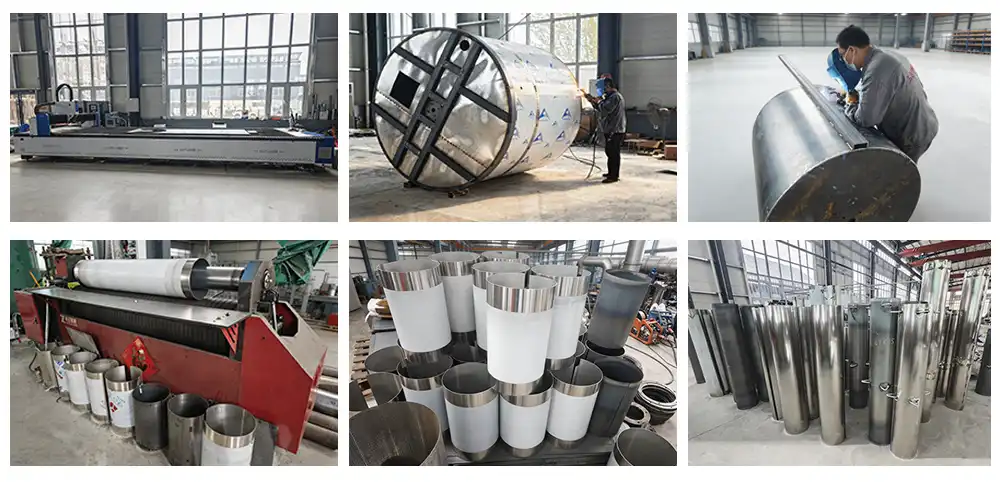
Manufacturers who want to improve the efficiency of injection molding by mixing materials reliably should get in touch with experienced providers of mixing tools who offer full support. Yude Plastic Machinery makes vertical plastic mixers with capacities ranging from 300 kg to 10 tons, so they can be used for all kinds of tasks. When working with PE, PP, ABS, and PVC powders in tough production conditions, our equipment mixes them evenly more than 98% of the time. Different types of construction materials, like Q235 carbon steel and 304 stainless steel, can be used for a wide range of tasks, from making things for industry to processing drugs.
Our technical team can customize services to fit specific production methods. For example, they can make control interfaces that work with multiple languages and changes to tools that meet foreign standards. Our goods are used by people in more than 30 countries, and we offer full after-sales help through our 7x24 service system. This means that your investment will continue to pay off. Get in touch with our purchasing agents at sales@yudemachinery.com to talk about the mixing equipment you need and to find out about reasonable prices on plastic mixer for granule injection molding machine supplier solutions that are tailored to your manufacturing goals.
References
- Crawford, R.J., & Throne, J.L. (2002). Rotational Molding Technology. William Andrew Publishing.
- Rauwendaal, C. (2014). Polymer Mixing: A Self-Study Guide. Hanser Publications.
- Tadmor, Z., & Gogos, C.G. (2006). Principles of Polymer Processing. John Wiley & Sons.
- Michaeli, W., Greif, H., Kaufmann, H., & Vossebürger, F.J. (1995). Plastics Processing Technology. Hanser Gardner Publications.
- Osswald, T.A., Turng, L.S., & Gramann, P.J. (2008). Injection Molding Handbook. Hanser Publications.
- Goodship, V. (2004). Practical Guide to Injection Moulding. Smithers Rapra Technology.
Learn about our latest products and discounts through SMS or email