- English
- French
- German
- Portuguese
- Spanish
- Russian
- Japanese
- Korean
- Arabic
- Greek
- German
- Turkish
- Italian
- Danish
- Romanian
- Indonesian
- Czech
- Afrikaans
- Swedish
- Polish
- Basque
- Catalan
- Esperanto
- Hindi
- Lao
- Albanian
- Amharic
- Armenian
- Azerbaijani
- Belarusian
- Bengali
- Bosnian
- Bulgarian
- Cebuano
- Chichewa
- Corsican
- Croatian
- Dutch
- Estonian
- Filipino
- Finnish
- Frisian
- Galician
- Georgian
- Gujarati
- Haitian
- Hausa
- Hawaiian
- Hebrew
- Hmong
- Hungarian
- Icelandic
- Igbo
- Javanese
- Kannada
- Kazakh
- Khmer
- Kurdish
- Kyrgyz
- Latin
- Latvian
- Lithuanian
- Luxembou..
- Macedonian
- Malagasy
- Malay
- Malayalam
- Maltese
- Maori
- Marathi
- Mongolian
- Burmese
- Nepali
- Norwegian
- Pashto
- Persian
- Punjabi
- Serbian
- Sesotho
- Sinhala
- Slovak
- Slovenian
- Somali
- Samoan
- Scots Gaelic
- Shona
- Sindhi
- Sundanese
- Swahili
- Tajik
- Tamil
- Telugu
- Thai
- Ukrainian
- Urdu
- Uzbek
- Vietnamese
- Welsh
- Xhosa
- Yiddish
- Yoruba
- Zulu
Can plastic particle mixers be made of stainless steel?
Plastic particle mixers might be stainless steel. This design is becoming increasingly popular in industrial production areas that demand improved cleanliness, corrosion resistance, and contamination-free mixing. Most stainless steel plastic particle mixers use 304 or 316L for their mixing container, agitator blades, and contact surfaces. Unlike carbon steel or coated alternatives that might corrode or lose their polish, stainless steel units retain the substance pure throughout mixing. Medical-grade polymers, food packaging resins, and optical-grade compounds require them since even minor contaminants might harm the product.
Benefits of Using Stainless Steel for Plastic Particle Mixers
Building mixing equipment from stainless steel improves its performance and quality. These benefits go beyond picking the proper material; they increase process efficiency and save costs over time.
Unmatched Durability and Corrosion Resistance
The chromium-rich inactive oxide layer of stainless steel inherently resists corrosion, chemical assault, and water. Processing facilities that employ hygroscopic materials like nylon or polyurethane benefit from this corrosion resistance since humidity and residual moisture can't rust them. The material can withstand repeated temperature and mechanical stress without breaking or warping due to its high tensile strength. Tools can be used for over 15 years.
Abrasion resistance is crucial when formulating glass-fiber reinforced or mineral-filled formulations. Normal 304 stainless steel can tolerate relatively abrasive materials without breaking down the surface and letting metals in. Heavy fillers (more than 30% loading) may require tungsten carbide coatings.
Superior Hygiene and Contamination Prevention
Medical device and food-contact packaging manufacturers must meet zero-tolerance contamination guidelines. Stainless steel plastic particle mixer surfaces are easy to clean after approval and between manufacturing cycles and don't breed bacteria. Materials can't get caught in surface imperfections since the structure has no holes. This ensures no hidden pollutants may accumulate.
Fast color changes are another feature. When transferring from black masterbatch to white pigment concentrates, mirror-polished stainless steel tanks clean completely with minimal solvent and downtime. Due to color carryover defects in surface pits and weld gaps, carbon steel alternatives must be scrapped many times.
Enhanced Process Control and Static Management
Plastic hoppers pick up electrostatic charges when things move. Grounded stainless steel jars securely eliminate static electricity. Conductivity prevents sparks and particle adhering, causing uneven fill levels while working with explosive chemicals. Correctly connecting objects to the ground maintains power throughout the system. This protects delicate devices downstream from electromagnetic interference.
Stainless steel's heat conductivity helps manage temperatures. Jacketed designs use fluid circulation to precisely heat or cool shear-sensitive materials within the correct thickness. The consistent temperature mass prevents hot areas from polymerizing or cross-linking prematurely.
Combine these benefits for a higher ROI. Shorter repair periods and longer stainless steel plastic particle mixer life save labor and capital expenses. Good product stability reduces garbage and quality control mistakes, increasing material production and lowering waste disposal costs. Even though they cost more to acquire, buying managers usually find stainless steel mixers to be cheaper than carbon steel or plastic ones in the total cost of ownership.
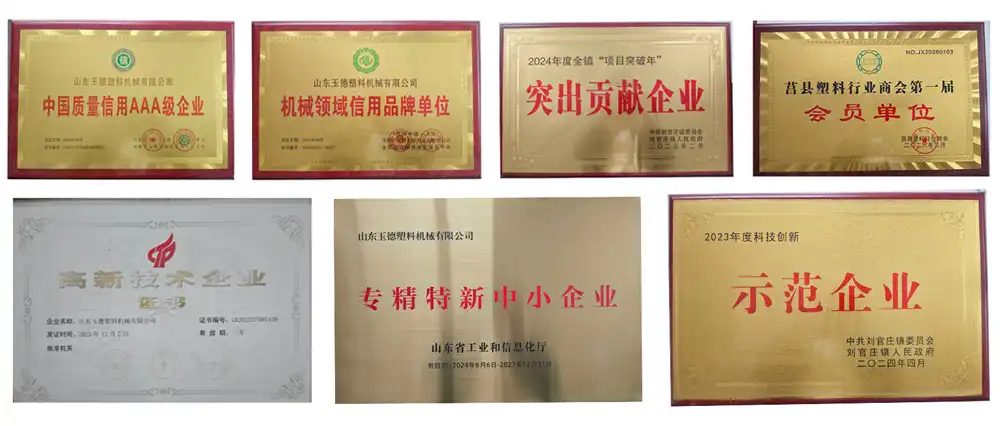
Types and Configurations of Stainless Steel Plastic Particle Mixers
Manufacturers develop stainless steel plastic particle mixers for varied production capacities, materials, and labor methods. When procurement teams understand these variances, they can match tool skills to application demands.
Vertical Conical Blenders
Stainless steel plastic particle mixer variants are more common since they discharge materials faster and take up less space. Conical mixing chambers induce natural material flow to the bottom output hole. That prevents particles from becoming caught in dead zones. The capacity spans from 300 kilogram trial units for color development labs to 6,000 kg production models for large-scale mixing. The vertical location simplifies connection to centralized material handling networks and gravimetric feeding systems.
Horizontal Ribbon Mixers
Horizontal designs use two ribbon agitators that revolve counterclockwise to mix material radially down the ditch. This design is ideal for mixing materials with large density changes or adding tiny quantities of chemicals to large batches. Long rooms can accommodate semi-automated manufacturing lines with continuous feeding and disposal systems. Despite the larger surface area and more intricate ribbon pattern, stainless steel keeps everything clean.
Tumbler and Double-Cone Variants
Instead of internal agitators, tumbler mixers rotate the container. For fragile pellets or coated granules, this delicate mixing motion is ideal. Double-cone designs improve mixing by randomly moving particles with complicated tumbling motions. For mixing pharmaceutical excipients or manufacturing optical-grade polymers, where particle size and uniformity are equally crucial, these configurations are ideal.
Automation and Control Integration
Manual batch loading works for small enterprises and job shops that change items regularly. Automated systems use PLC controllers, touchscreen interfaces, and recipe management software to hold hundreds of formulation mixing parameters. Programmed circuitry regulates cycle time, motor speed ramping, and discharge sequence, reducing operator effort and allowing repetition. Quality control and legal records benefit from data logging.
Customization solves OEM processing issues. You may adjust the speed of stress-sensitive materials with variable frequency drives. Mixing wet resins in an inert environment is possible in vacuum-rated rooms. With multi-zone temperature management, large batches maintain their temperatures. These solutions demonstrate stainless steel fabrication's flexibility by allowing producers to customize conventional platforms without impacting structural integrity or sanitary design.
Buying Guide and Procurement Considerations for Stainless Steel Plastic Particle Mixers
Mixing equipment is a large investment; thus, technical requirements, provider capabilities, and overall ownership expenses must be considered. Strategic procurement requires balancing short-term functional demands with long-term operating flexibility and support infrastructure.
Critical Specification Parameters
The mixing capacity, which accounts for low and high fill levels, determines the practical batch size range. Underfilling and overfilling prevent particles from migrating, making mixing less efficient. Effective volume values are usually 60–80% of chamber capacity. This is the most efficient range.
Motor horsepower and torque must handle your processing portfolio's densest materials and heaviest mixes. Glassy compounds or watery regrind cause thermal overload tripping and production stoppage in underpowered motors. However, large motors waste energy and cost more.
Supplier Evaluation and Quality Assurance
Reputable stainless steel plastic particle mixer manufacturers have ISO 9001-certified quality management systems. This ensures consistent production and material tracking. Request mill test data to verify the stainless steel alloy's composition, notably the nickel and chromium concentration that distinguishes grades 304 from 201. Surface finish specifications should include electropolishing and roughness measurements.
Production lead times vary based on complexity of customisation and number of orders in line. Engineered systems with particular control interfaces may take 12–16 weeks to ship, whereas standard setups require 6–8 weeks. Set delivery deadlines and sanctions for delays that delay production start dates in the contract.
Pricing Strategies and International Logistics
Bulk buying saves money by improving efficiency and shipping. When expanding operations or sending labor to several locations, operators should discuss fleet pricing for all units. Sellers may sell sample or repaired devices at a cheaper price. This allows existing product lines expand without investing much.
When buying stainless steel plastic particle mixers abroad, you must consider shipping fees, customs duties, and currency fluctuations. The client assumes FOB pricing after the equipment leaves the facility. However, DDP includes shipping and customs clearance. Standard mixers may be carried in containers at a reasonable cost, while larger ones may need break-bulk ocean freight or special handling.
Different nations need different paperwork to import items, although company invoices, packing lists, certificates of origin, and equipment-specific compliance declarations are usually required. Importers must ensure equipment meets local safety, electrical, and pressure tank standards before entering a nation. Working with professional freight forwarders and customs traders can help you avoid unexpected clearance delays and costs that might delay your project.
After-sales service infrastructure significantly impacts the long-term success of an organization. Regional service networks allow domestic providers to respond rapidly, while overseas suppliers can cooperate with local experts. Check for parts, professional support, and online troubleshooting. Electrical diagrams, parts lists, and repair techniques are needed for in-house expert teams to do routine service work.
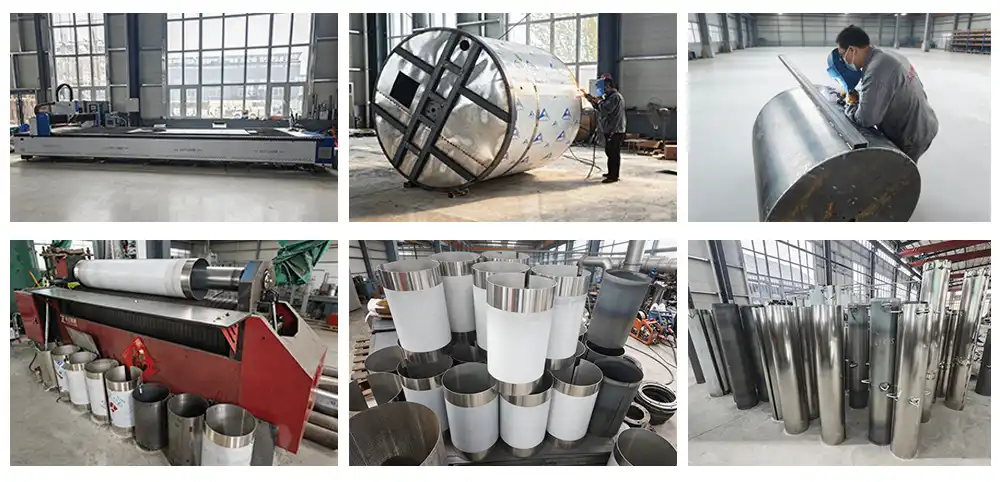
Conclusion
In conclusion, stainless steel plastic particle mixers are accurate and fulfill the toughest contamination-free standards. High corrosion resistance, clean surface, and long life duration characterize 304 stainless steel. Its purity is important for product quality and regulatory compliance in medical, food packaging, and optical polymer applications. Knowing about vertical conical designs and automated horizontal systems helps procurement experts match tool capabilities to operations. Supplier expertise, warranty conditions, and after-sales support infrastructure must be thoroughly checked. This saves capital and assures long-term success. With proper maintenance and operator training, stainless steel mixers may produce uniform blends for decades in contemporary polymer manufacturing.
FAQs
Can stainless steel mixers handle abrasive glass-fiber reinforced compounds?
Standard 304 stainless steel buildings can take 30% glass-fiber loads without damage. If the fillers are aggressive or excessive, the blade surfaces may need tungsten carbide coating or hardened steel bits. Because of its slower contact speed than stirrer parts, the chamber typically stays intact. Regular inspections reveal wear and allow you to fix parts before contamination.
How do these mixers address static electricity concerns common with plastic pellets?
The electrically conductive stainless steel foundation grounds the building's electrical systems when earthed. Conductivity removes electric charges from falling materials, preventing particles from adhering together and sparking. Metal structure protects persons and objects from static electricity mishaps, unlike insulating plastic containers that build up dangerously high charge levels.
What mixing cycle duration achieves specification homogeneity for typical applications?
Pellet-to-pellet mixing takes 10–15 minutes at recommended shaft speeds to achieve homogeneity. Depending on particle size and distribution, powdered additives like stabilizers or colorants can extend cycles by 15–20 minutes. Material types drastically impact timeframes. Resins that stay together take longer to mix than pellets that flow freely, and portions with differing densities need longer to pump to prevent separation.
Partner with Yude Plastic Machinery for Superior Mixing Solutions
Yude Plastic Machinery manufactures high-quality designed stainless steel plastic particle mixer systems with customized technical assistance. Our 304 stainless steel construction ensures clean mixing for medical-grade polymers and food-contact purposes. Over 98% mixing uniformity is possible in 300 kg to 10 tons batches. Three-phase asynchronous motors are reliable and overload-safe. They are supported by our 24/7 technical support and rapid-response service network in over 30 countries.
As a leading manufacturer of stainless steel plastic particle mixers, we can integrate multilingual control interfaces, change the voltage to match international requirements, and develop unique models for tough materials. Our procurement experts collaborate with your engineering teams to determine equipment requirements. They then give thorough bids, lead times, and explicit pricing for single and fleet deployments. Ask our team at sales@yudemachinery.com about your mixing needs and see how our proven technology can enhance production, ensure compliance, and provide a clear return on investment across all of your polymer processing operations.
References
Chen, L., & Wang, J. (2021). Advanced Mixing Technologies for Polymer Processing: Design Principles and Industrial Applications. Industrial Equipment Publishing.
Harrison, M. T. (2020). Material Selection for Food-Contact Processing Equipment: Regulatory Requirements and Engineering Best Practices. Journal of Food Engineering Technology, 45(3), 187-203.
Kumar, R., & Patel, S. (2022). Contamination Control in Medical Device Manufacturing: Equipment Design and Validation Strategies. Pharmaceutical Engineering Press.
Morrison, D. K. (2019). Static Electricity Management in Plastics Handling: Grounding Systems and Hazard Mitigation. Polymer Processing Safety Quarterly, 31(2), 78-95.
Nakamura, H., & Yoshida, T. (2023). Stainless Steel Fabrication Standards for Hygienic Industrial Equipment. Materials Engineering Institute.
Thompson, R. A. (2020). Total Cost of Ownership Analysis for Industrial Mixing Equipment: A Procurement Decision Framework. Manufacturing Management Review, 38(4), 112-129.
Learn about our latest products and discounts through SMS or email