- English
- French
- German
- Portuguese
- Spanish
- Russian
- Japanese
- Korean
- Arabic
- Greek
- German
- Turkish
- Italian
- Danish
- Romanian
- Indonesian
- Czech
- Afrikaans
- Swedish
- Polish
- Basque
- Catalan
- Esperanto
- Hindi
- Lao
- Albanian
- Amharic
- Armenian
- Azerbaijani
- Belarusian
- Bengali
- Bosnian
- Bulgarian
- Cebuano
- Chichewa
- Corsican
- Croatian
- Dutch
- Estonian
- Filipino
- Finnish
- Frisian
- Galician
- Georgian
- Gujarati
- Haitian
- Hausa
- Hawaiian
- Hebrew
- Hmong
- Hungarian
- Icelandic
- Igbo
- Javanese
- Kannada
- Kazakh
- Khmer
- Kurdish
- Kyrgyz
- Latin
- Latvian
- Lithuanian
- Luxembou..
- Macedonian
- Malagasy
- Malay
- Malayalam
- Maltese
- Maori
- Marathi
- Mongolian
- Burmese
- Nepali
- Norwegian
- Pashto
- Persian
- Punjabi
- Serbian
- Sesotho
- Sinhala
- Slovak
- Slovenian
- Somali
- Samoan
- Scots Gaelic
- Shona
- Sindhi
- Sundanese
- Swahili
- Tajik
- Tamil
- Telugu
- Thai
- Ukrainian
- Urdu
- Uzbek
- Vietnamese
- Welsh
- Xhosa
- Yiddish
- Yoruba
- Zulu
Best Machines To Process Mixed Plastics
The tools you choose for handling mixed plastics has a direct effect on the quality of the end product, how efficiently it is made, and how much it costs to run the business. The most important part of the answer is a high-quality plastic industrial mixer, which is designed to handle the challenges of mixing different types of polymers, regrind materials, masterbatches, and additives into products that are all the same. These tools consistently mix uniformly, usually getting 98% or higher homogeneity, and keep the purity of the material throughout the process. The vertical plastic pellet mixer is the best choice for places that need to blend things reliably and in large quantities, especially when it comes to industrial-grade models.
Understanding High-Quality Plastic Industrial Mixers for Mixed Plastics
Core Features Defining Quality Standards
A high-quality plastic industrial mixer has a number of important design features that set it apart from simple mass-produced tools. Using thickened Q235 carbon steel barrels with walls that are 8 mm thick or more and construction that doesn't rust guarantees the structure's stability during constant use. The way the surfaces of mixing parts are treated is very important. For example, finishes that are resistant to wear on mixing swirls make them last a lot longer, especially when working with rough materials like glass fiber-reinforced compounds.
Contact surfaces usually have mirror-polished finishes with average hardness values below 0.8 micrometers. This makes it easier to clean between production runs and keeps materials from sticking to them. When moving between different color concentrates or material grades, this surface quality is very important because leftovers from earlier batches can lower the quality of the next batch. The different types of stainless steel, especially 304 and 316, are better at resisting chemicals for tasks that use harsh additives or need to meet food-grade standards.
Working Principles and Mechanical Design
Gravitational and mechanical convection principles are used by industrial vertical mixers, which use spiral augers or ribbon shapes to lift materials vertically while spreading them out horizontally. When you combine vertical lift with horizontal distribution, you get full mixing across the whole batch volume. High-power three-phase motors that are matched to the tonnage needs provide steady torque, and extra-heavy-duty hard tooth surface gear reducers turn the motor speed into the best mixing speeds, which can be anywhere from 20 to 90 RPM based on the properties of the material.
The strengthened welded base construction stops movement and shaking while it's in use, which is very important for places that work multiple shifts. The steadiness of the equipment has a direct effect on the regularity of the mixing and the life of the bearings. This seemingly simple structural element is actually very important for long-term performance. Performance factors include mixing uniformity scores of 98% or higher, effective amounts that can be changed from 300 kg to 10,000 kg per batch, and single mixing cycle times that can be 8 to 50 minutes, depending on the complexity of the recipe and the level of homogeneity that is wanted.
Operational Benefits Beyond Basic Mixing
Professionally designed mixing equipment has many benefits besides making sure that all the materials are mixed the same. Energy efficiency can be measured when motors work within their set load limits. This keeps waste from happening that comes with drive systems that are too big or too poor. When compared to older equipment, modern mixers with IE3 or IE4 motors use 15 to 25 percent less energy. This directly leads to lower operating costs over the span of the equipment.
Noise-reduction features are very important in buildings that care about safety and following the rules. When it comes to noise levels, equipment that has the right clearances, balanced moving parts, and vibration-dampening bases works much quieter than options that weren't well thought out. Quality materials and precise manufacturing limits are what make something last a long time. Machines built to industrial standards usually last between 15 and 20 years with proper upkeep, while cheap equipment usually needs to be replaced after only 5 to 7 years.
Types of Plastic Industrial Mixers and Their Applications in Processing Mixed Plastics
Vertical Batch Mixers for Volume Production
For sites that handle large amounts of mixed plastics, vertical batch mixers are the workhorse type. The batch sizes for these units can range from a few hundred kilos to several tons, which makes them perfect for big plastic processing plants, petrochemical businesses, and granulation facilities. The vertical position lets gravity help the mixing process, and the circular augers make sure that the material moves consistently throughout the room.
Among the many businesses that use it are those that make car parts, consumer goods, building materials, and industrial packaging. The batch processing method lets workers exactly control the amounts of materials used and clean the equipment completely between production runs. These are important skills for factories that make a lot of different formulations or that have to meet strict quality standards for customers.
High-Intensity Continuous Mixers
Continuous mixing systems are often used in places where production needs to keep going. These systems take in materials at fixed rates and discharge blended product at the same time. When output consistency is more important than batch freedom, these systems really shine in high-volume situations. The continuous method cuts down on the cycle time lost when loading and removing batch equipment, but it needs more advanced infrastructure for process control and moving materials.
When high-quality plastic industrial mixer equipment works long shifts, energy-efficient design becomes even more important for ongoing operations. Variable frequency drives let workers change how much they mix materials based on how they are made and how much energy they need to use. This keeps quality standards high while also saving energy. Safety linking systems keep people from getting to moving parts while the machine is running, dual lid mechanisms make sure that people can't get around safety features, and emergency stop features let the machine shut down right away if needed.
How to Choose the Best Plastic Industrial Mixer for Your Mixed Plastics Processing Needs?
Evaluating Capacity Requirements and Production Scenarios
Before making a purchase choice, it's important to get a true picture of how much is being produced now and in the future. Undersized equipment causes jams that slow down production and force workers to work extra hours, which speeds up wear and tear and shortens the life of the equipment. On the other hand, mixers that are too big lose money and don't work well when they're only partially loaded. Look at your batch sizes, how often you make things, and your busiest times to figure out how much capacity you need, making sure that there is a 20–30% growth gap built into the specs.
The properties of the material have a big impact on the choice of equipment. For example, free-flowing pellets behave differently than fluffy regrind, dense industrial resins need more mixing energy than common polymers, and additives like glass fibers need construction that is resistant to wear. Instead of choosing equipment based only on normal production runs, think about the whole range of materials your business works with. This is because the odd difficult recipe can cause problems if the equipment doesn't have the right features.
Comparing Material Construction Options
When deciding between carbon steel and stainless steel building, performance needs and budget limits need to be weighed. With the right surface processes, carbon steel barrels last a long time and are much cheaper than stainless steel options. They are perfect for most plastic processing tasks. When working with normal plastic materials, the thickened Q235 carbon steel construction with 8 mm wall thickness gives the structure great strength and durability.
Stainless steel is needed when working with materials that need to be food-grade, when making medicines, or when mixing ingredients that are acidic. The 304 grade is generally resistant to rust and can be used in the toughest situations. On the other hand, the 316 grade is better at protecting against corrosion in very harsh chemical conditions. Facilities with structural load limits need to think about weight, and stainless steel equipment weighs a lot less than carbon steel building that is the same. Maintenance needs are also different. Stainless steel doesn't rust and usually doesn't need to be refinished as often as carbon steel, but it costs 40–60% more to buy at first.
Leading Brands and Suppliers of Plastic Industrial Mixers for Mixed Plastics Processing
Global and Regional Manufacturer Landscape
In the market for industrial mixing tools, there are both well-known global companies and specialized regional companies that offer different value propositions. Big foreign brands have a lot of products, service networks that reach people all over the world, and a lot of engineering tools that can help with complicated customization needs. Regional makers often offer faster response times, lower prices, and specialized knowledge in certain application niches or market groups.
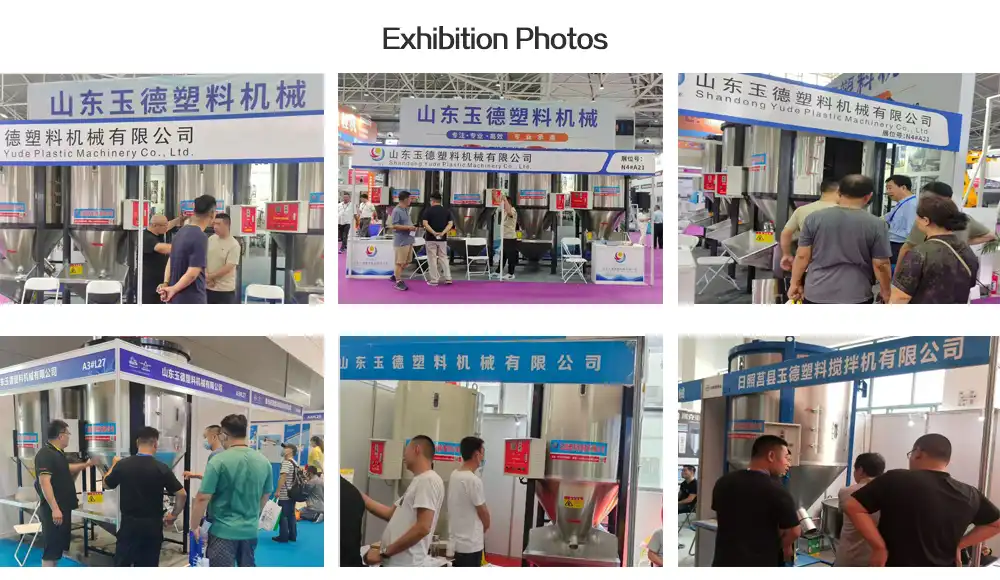
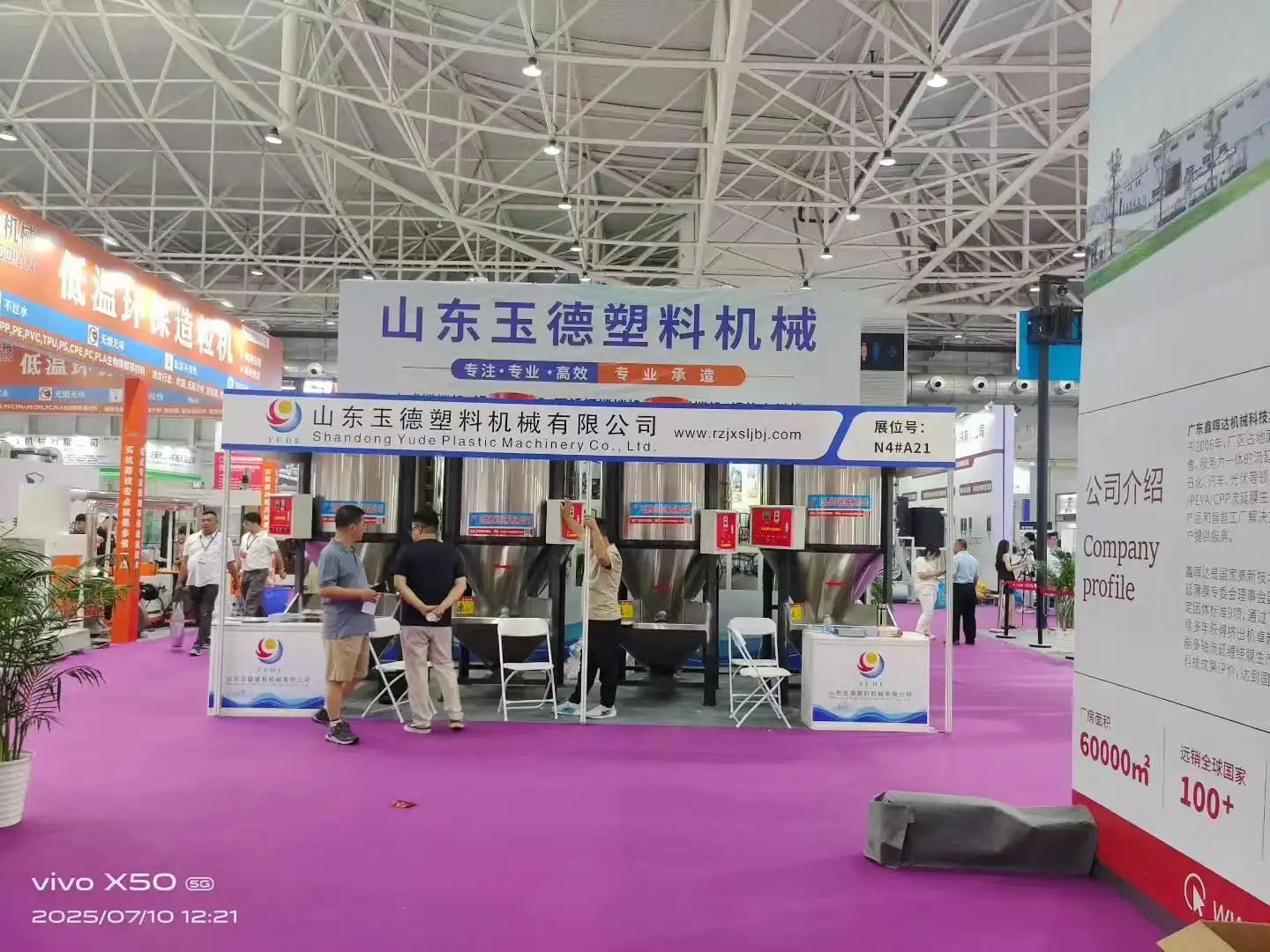
Shandong Yude Plastic Machinery has built a good name for itself by specializing in plastic mixing tools with batch sizes ranging from 300 kg to 10 tons. The company's product line covers a wide range of operating scales, from small-batch custom compounding to high-volume, continuous production. Their way of making things is based on standard quality control processes and open customization options, which let them make changes to the setup to meet specific customer needs without causing long engineering delays.
Supplier Selection Criteria and Partnership Value
When evaluating possible high-quality plastic industrial mixer suppliers, you should look at more than just the specs of the tools they offer. You should also think about the total cost of ownership. Original equipment manufacturing (OEM) skills show how technically advanced and quality-controlled a provider is, since OEM deals need consistent manufacturing standards and reliable delivery performance. Details about the warranty coverage are very important. For example, warranties that cover both parts and work for long periods of time show that the manufacturer is confident in the product's durability, while restricted warranties may mean that the manufacturer is trying to save money by using cheaper materials or manufacturing methods.
When building limitations, unique material properties, or specific process needs mean that equipment needs to be changed, customization becomes important. When compared to vendors who treat customization requests as unusual, those who respond quickly to requests and make changes quickly and without charging too much in engineering fees offer real value. Operator training and ongoing use are made easier in North American facilities by the fact that operation interfaces and paperwork are available in both English and Spanish. Compliance approval to OSHA and relevant industry standards also gets rid of the need for expensive changes made after delivery.
Conclusion
When choosing the best mixing tools for processing mixed plastics, you need to think about technical specs, working needs, and long-term support. Industrial-grade vertical plastic pellet mixers are built to last and work consistently in high-volume production settings. They have precise controls and strong construction. Equipment made of thicker steel, wear-resistant parts, and the right-sized drive systems works reliably with a wide range of material formulations and meets standards for mixing consistency that are higher than 98%.
Evaluation of capacity needs, material suitability, building quality, and vendor skills in a planned way leads to successful purchase outcomes. Investing in carefully designed and built mixing equipment pays off in the form of less downtime, lower upkeep costs, consistent product quality, and a longer operating lifespan that can last up to twenty years with the right care.
FAQ
How does a high-quality plastic industrial mixer handle abrasive materials like glass fiber-reinforced PA6?
Wear-resistant upgrades, like ceramic-coated spray or tungsten carbide surface treatments on the rotor blades and tank walls, are used on high-quality units. When compared to normal steel building, these protective coatings make things last three to five times longer, which lowers the cost of repair and the number of times they need to be serviced. Even when working with very rough materials all the time, the hardened surfaces keep their shape and mixing effectiveness.
What is the typical mixing cycle time for achieving homogeneity?
Vertical batch mixers usually reach 98–99% homogeneity within 10–15 minutes of mixing time, though this depends on the mass density and properties of the material. Things that affect the length of the cycle are the particle sizes, the changes in densities between the parts, and the level of uniformity that is wanted at the end. When very tight distribution is needed, mixing cycles can last up to 20 to 25 minutes. On the other hand, materials that flow freely and have similar densities usually hit the target homogeneity in 8 to 10 minutes.
Can this mixer serve as a dryer?
High-speed mixers are mostly used for mixing, but they can also be used as mechanical dryers by creating heat through friction. Resins like PVC and ABS lose surface wetness when they are mixed quickly because of the kinetic energy. However, hygroscopic materials like PET need special dehumidifying fans along with mixing equipment, since mechanical mixing alone can't get rid of the absorbed internal moisture that is needed for good handling of these polymer types.
Partner With Yude Plastic Machinery for Your High-Quality Plastic Industrial Mixer Needs
As its name suggests, Yude Plastic Machinery makes vertical mixers that are designed to handle tough mixed plastics handling tasks. Our industrial-grade equipment is used by big plastic processing plants, petrochemical companies, and granulation facilities in over 30 countries. We offer full expert support and quick service after the sale. As a committed high-quality plastic industrial mixer provider, we can provide customization options such as multilingual interfaces, capacity setups from 300 kg to 10 tons, and equipment changes that meet regional compliance requirements.
Our 7×24-hour service guarantee makes sure that your production questions are answered quickly, no matter what time zone you're in. Our domestic and foreign service network also lets us respond quickly to technology needs. Get in touch with our purchasing team at sales@yudemachinery.com to talk about your unique mixing needs and get full quotes on equipment that will meet your needs.
References
1. Richardson, T. (2019). Industrial Plastics Processing: Equipment Selection and Optimization Strategies. Manufacturing Technology Press.
2. Chen, M. & Stevens, P. (2020). "Mixing Uniformity Analysis in Vertical Batch Blenders for Polymer Compounding." Journal of Polymer Engineering, 40(8), 623-638.
3. European Committee for Standardization (2018). Safety Requirements for Plastics Processing Machinery: EN 201-2018. Brussels: CEN Publications.
4. Martinez, R. (2021). Maintenance Management for Processing Equipment: Reducing Total Cost of Ownership. Industrial Press Inc.
5. American Society for Testing and Materials (2020). ASTM D6940-20: Standard Practice for Measuring Mixture Uniformity. West Conshohocken: ASTM International.
6. Zhang, L., Kumar, A. & Wilson, D. (2022). "Comparative Analysis of Mixer Construction Materials in Corrosive Polymer Processing Environments." Plastics Technology Review, 15(3), 112-129.
Learn about our latest products and discounts through SMS or email