- English
- French
- German
- Portuguese
- Spanish
- Russian
- Japanese
- Korean
- Arabic
- Greek
- German
- Turkish
- Italian
- Danish
- Romanian
- Indonesian
- Czech
- Afrikaans
- Swedish
- Polish
- Basque
- Catalan
- Esperanto
- Hindi
- Lao
- Albanian
- Amharic
- Armenian
- Azerbaijani
- Belarusian
- Bengali
- Bosnian
- Bulgarian
- Cebuano
- Chichewa
- Corsican
- Croatian
- Dutch
- Estonian
- Filipino
- Finnish
- Frisian
- Galician
- Georgian
- Gujarati
- Haitian
- Hausa
- Hawaiian
- Hebrew
- Hmong
- Hungarian
- Icelandic
- Igbo
- Javanese
- Kannada
- Kazakh
- Khmer
- Kurdish
- Kyrgyz
- Latin
- Latvian
- Lithuanian
- Luxembou..
- Macedonian
- Malagasy
- Malay
- Malayalam
- Maltese
- Maori
- Marathi
- Mongolian
- Burmese
- Nepali
- Norwegian
- Pashto
- Persian
- Punjabi
- Serbian
- Sesotho
- Sinhala
- Slovak
- Slovenian
- Somali
- Samoan
- Scots Gaelic
- Shona
- Sindhi
- Sundanese
- Swahili
- Tajik
- Tamil
- Telugu
- Thai
- Ukrainian
- Urdu
- Uzbek
- Vietnamese
- Welsh
- Xhosa
- Yiddish
- Yoruba
- Zulu
3-Ton Vertical Mixer with Integrated Drying for Efficiency, Consistency, and Space Savings
The 3 ton vertical plastic particle mixer with drying function revolutionizes medium-to-large plastic processing operations. This device removes moisture to ≤0.5% and mixes over 98% evenly. Hot air drying and spiral mixing are combined into a vertical unit. It streamlines color masterbatches or additives mixing with base resins and surface moisture removal into a single step. This reduces cycle time to 30–45 minutes and saves time, money, and space over separate mixing and drying systems.
Plastic processors face increasing pressure to save costs while creating high-quality items. In North American injection molding, film extrusion, and granulation operations, the 3 ton vertical plastic particle mixer with drying function is helpful. The 3-ton capacity design balances throughput volume and operating flexibility optimally. Medium-sized PE, PP, ABS, and PVC resin firms benefit from this.
Our work with procurement engineers and plant managers has taught us that moisture in later processing phases impacts them all. Even little levels of humidity in raw materials can make products appear poor, be the incorrect size, or not perform well. This tutorial shows how the dual-function vertical mixer tackles these issues and improves energy consumption, output speed, and ownership cost. This research is designed to help professional decision-makers determine if this equipment fits their building's processing and quality criteria.
Understanding the 3 Ton Vertical Plastic Particle Mixer with Drying Function
How the Integrated System Works
Vertical circular upward circulation keeps material circulating through heated places in the machine. A thicker carbon steel screw removes particles from the bottom of the Q235 barrel. Meanwhile, heated air (set between room temperature and 85℃) circulates through the material bed. The insulating layer prevents energy loss and controls temperature, while the counter-current design maximizes heat transfer. The sealed feeder port prevents hot air from escaping, ensuring consistent drying performance between batches.
Core Technical Specifications
The maximum load is 3000 kg of plastic particles with bulk densities of 0.6-0.8g/cm³. Approximately 4500–4800 liters is useful. The system's 22–30kW mixing motor and 60–75kW heating parts may handle materials that need moderate thermal treatment or aggressive moisture removal. PID dual-digital controls and temperature monitors ensure accurate thermal management, which maintains processing rates and prevents heat-sensitive polymers from breaking down.
Material Compatibility and Processing Parameters
A 3-ton vertical plastic particle mixer with drying function can mix polyethylene, polypropylene, acrylonitrile butadiene styrene, and polyvinyl chloride. Equipment with right bottom bearing seal improvements and pulse dust collection can employ powder additives up to 10%. Recycling plastic regrind allows processing flexibility, but storing it in a way that lets water in makes extrusion or molding harder.
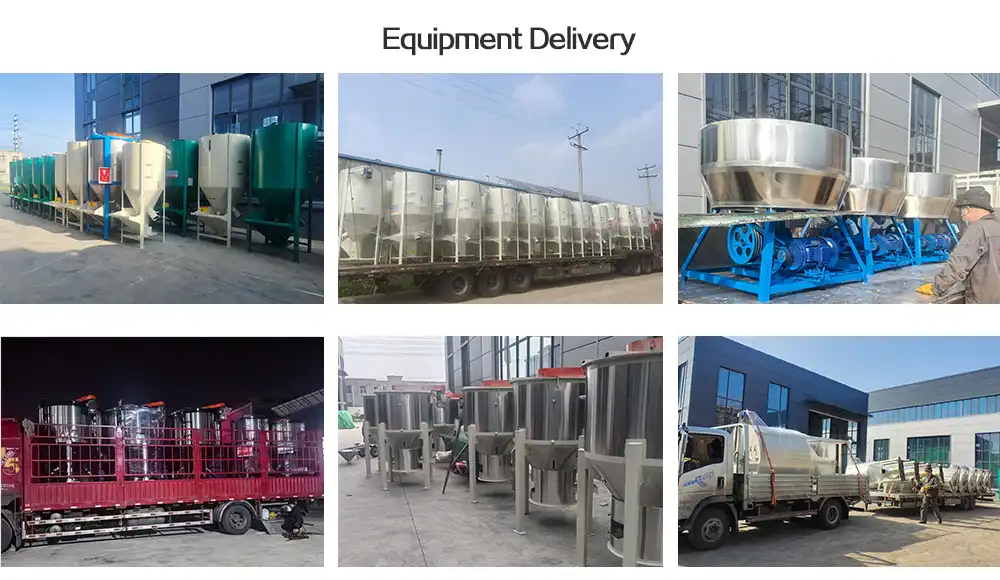
Core Advantages of the 3 Ton Vertical Mixer with Drying Function
Putting two crucial elements of the work process in one piece of equipment has strategic benefits beyond convenience. This design has these primary advantages:
Process Efficiency and Cycle Time Reduction: Traditional methods include moving ingredients from a blender to a hopper drier. The preparation procedure takes longer due to extra handling processes. The combined process homogenizes the mixture in 15–20 minutes and eliminates moisture in 2–4 hours, depending on the beginning water content. Parallel processing eliminates delays in transporting materials and reduces worker engagement, allowing operators to focus on quality control.
Energy Consumption Optimization: Mixing and drying tools require two motor sets and heating components. A 3-ton vertical plastic particle mixer with drying functions combine these power demands, and the continual material movement improves drying. The temperature controls prevent overheating and the sealed barrel construction prevents heat loss. Facilities estimate the combined energy costs are 20–30% lower than running separate systems.
Factory Space Utilization: Maintaining industrial floor space is expensive, especially at static sites. A vertical configuration uses 40% less space than a horizontal blender and hopper drier. Since separate drying and mixing rooms for each resin type would take up too much space, this tiny design is advantageous in plants that utilize many resins.
Material Quality and Consistency: Circular movement prevents material segregation and ensures that the complete batch receives the same heat. Static drying techniques heat particles closer to heating sources differently than those farther away; active movement maintains working conditions. This allows the batch's moisture content to be forecast, reducing molding or extrusion variances.
These benefits reduce total cost of ownership, improve product correctness, and simplify facility design for procurement engineers considering pre-processing equipment expenditures.
Maintenance and Troubleshooting Best Practices for Longevity
Routine Maintenance Protocols
Mechanical and thermal parts must be regularly maintained for optimal functioning. We recommend inspecting the spiral mixing device weekly for dust, especially when using color concentrates or chemicals that adhere to metal. The entrance hole at the base lets workers use compressed air to clean the mirror-polished stainless steel inside. Grease bearing assemblies once a month using the manufacturer's high-temperature grease to prevent premature wear, and calibrate temperature sensors every three months to ensure proper temperature management.
Common Operational Issues and Solutions
Not spinning quickly enough or filling the 3 ton vertical plastic particle mixer with drying function beyond 3000 kg causes inconsistent mixing. Make sure bulk density estimations account for material compacting after filling to address most consistency concerns. Broken drying functions frequently indicate a broken hot element or dust restricting filter airflow. By replacing filter media on time and measuring heating tube resistance using a voltmeter, parts may be changed before production stops.
OEM Parts and Service Network Access
Repairs using OEM parts maintain design requirements and prevent compatibility issues. Certified service networks help with challenging testing, but qualified plant staff can do much of the ordinary maintenance by following specified processes. Before installing equipment, build partnerships with professional service providers to receive help quickly when issues arise, preventing production from pausing for lengthy periods, which is expensive.
Comparing 3 Ton Vertical Mixers with Drying Function to Other Mixing Solutions
Vertical Mixers Without Integrated Drying
Standard vertical blenders combine things well, but they need drying equipment afterward. Businesses who use non-wet materials or have hopper dryers benefit from this two-step procedure. The added step of handling increases pollution during transfer and preparation time, making it unsuitable for high-volume, continuing manufacturing.
Horizontal Mixing Systems
Horizontal ribbon or paddle mixers combine powders and grains well but don't remove moisture. They operate better for batch operations that change materials less regularly due to their larger size and varied discharge methods. Horizontal orientation makes connecting to injection molding plant ceiling feeding systems difficult.
Standalone Hopper Dryers
However, dedicated drying equipment cannot mix but can carefully manage moisture. Buildings need separate mixing tools and floor space for each systems. This setup works well for creating single resin grades without fillers, but it becomes less helpful for increasingly complex products and materials.
When materials must be fully mixed and moisture removed, the 3 ton vertical plastic particle mixer with drying function is optimal. Particularly in facilities that handle recovered materials that require moisture management.
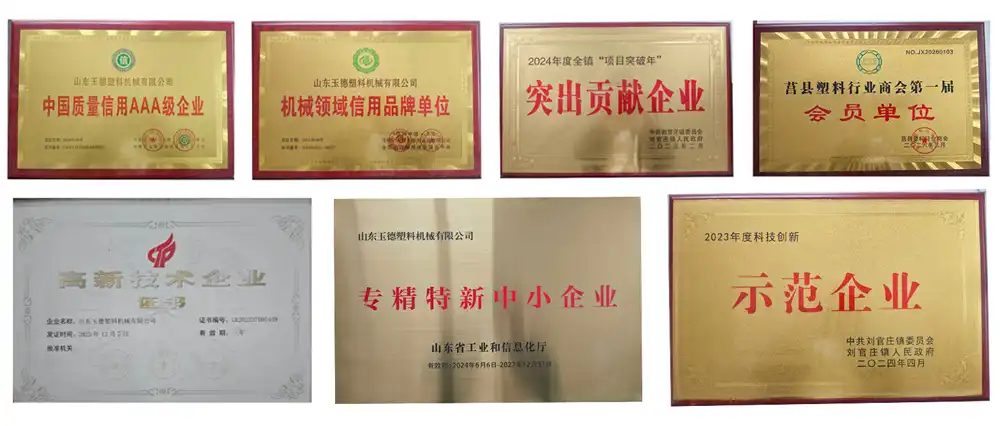
Procurement Considerations for B2B Clients
Besides tool cost, you must consider technical and business issues while choosing a mixing and drying choice. When planning a plant's capacity, consider batch cycle times and daily throughput. The 3000 kg projected capacity can match industrial plans. Local utility rates and the cost of running a combined system vs a separate system over five years are major factors in energy efficiency.
For areas with severe restrictions, safety permits must be carefully reviewed. You may relax and follow your insurance policy with equipment that satisfies electrical safety regulations and features heat protection interlocks. Integration is crucial for manufacturing lines with unique control systems or automated material handling. Making sure new and old systems function together saves money on upgrades.
Customizations like improved control interfaces, steam heating instead of electric elements, or harmful additive processing construction materials affect prices. Lead times for standard setups are 6–10 weeks. Special configurations take longer to supply. Warranty coverage and after-sales support should be carefully examined since timely technical support affects equipment usage and long-term expenses.
Trustworthy manufacturers with a history of exporting ensure that foreign purchasers have the necessary documentation, that the items function with varied voltages, and that they can acquire replacement parts. Continuous quality control through production process approvals and regional standard modification improve equipment reliability.
Conclusion
For plastic processing factories that wish to enhance pre-processing efficiency, the 3 ton vertical plastic particle mixer with drying function is feasible. Instead of retaining separate equipment for mixing and moisture removal, companies may save energy, floor space, and make products more uniform. The vertical circular circulation design uniformly distributes heat, and the temperature controls may be adjusted for polyethylene and ABS polymers. Procurement teams should consider their output demands, energy prices, and building space when assessing this technology's suitability for their production objectives and budget.
Contact Yude Plastic Machinery for Your Industrial Mixing Solution
Vertical plastic particle mixers from 300 kg to 10 tons are made by Yude Plastic Machinery. The 3 ton vertical plastic particle mixer with drying function sale is our most versatile mid-capacity type. Our technical staff can design multilingual control interfaces, satisfy North American electrical requirements, and enhance materials for complex chemical processing needs. We can assist you with all your production needs, from initial meetings to technical assistance, with facilities in over 30 countries and a vast network of after-sales service suppliers. Talk to our purchasing professionals at sales@yudemachinery.com about your material processing needs and acquire customized specs.
FAQ
Can this equipment handle highly hygroscopic engineering plastics?
Polyethylene and polypropylene, which don't absorb water or very marginally, are safe with the hot air circulation system. A desiccant-based dehumidifying drier that can reach -40°C dew points can use this mixer as a pre-drying stage. Nylon, which needs little moisture, benefits from this.
What measures prevent cross-contamination during color changes?
The interior features mirror-polished stainless steel to prevent sticking, and a cleaning entrance slot near the base allows workers empty the machine with pressured air. Facilities with variable frequency drives can reverse screw spinning to remove bottom residue. This ensures that all material is gone between color or formula runs.
How does particle size affect processing performance?
Equipment can accommodate standard plastic pellets with a bulk density of 0.6 to 0.8g/cm³. Businesses that use powder additive ratios above 10% should request bottom bearing seal modifications and pulse dust collecting devices when buying new equipment to prevent filter clogging and maintain bearings.
References
- Rauwendaal, Chris. Polymer Extrusion: Processing and Equipment Design. Hanser Publications, 2014.
- Tadmor, Zehev, and Costas G. Gogos. Principles of Polymer Processing. John Wiley & Sons, 2013.
- Michaeli, Walter. Plastics Processing: An Introduction. Hanser Gardner Publications, 2003.
- Rosato, Dominick V., and Marlene G. Rosato. Plastics Processing Data Handbook. Chapman & Hall, 1997.
- Crawford, R. J. Plastics Engineering: Manufacturing and Processing. Butterworth-Heinemann, 1998.
- Agassant, Jean-François, et al. Polymer Processing: Principles and Modeling. Hanser Publications, 2017.
Learn about our latest products and discounts through SMS or email