- English
- French
- German
- Portuguese
- Spanish
- Russian
- Japanese
- Korean
- Arabic
- Greek
- German
- Turkish
- Italian
- Danish
- Romanian
- Indonesian
- Czech
- Afrikaans
- Swedish
- Polish
- Basque
- Catalan
- Esperanto
- Hindi
- Lao
- Albanian
- Amharic
- Armenian
- Azerbaijani
- Belarusian
- Bengali
- Bosnian
- Bulgarian
- Cebuano
- Chichewa
- Corsican
- Croatian
- Dutch
- Estonian
- Filipino
- Finnish
- Frisian
- Galician
- Georgian
- Gujarati
- Haitian
- Hausa
- Hawaiian
- Hebrew
- Hmong
- Hungarian
- Icelandic
- Igbo
- Javanese
- Kannada
- Kazakh
- Khmer
- Kurdish
- Kyrgyz
- Latin
- Latvian
- Lithuanian
- Luxembou..
- Macedonian
- Malagasy
- Malay
- Malayalam
- Maltese
- Maori
- Marathi
- Mongolian
- Burmese
- Nepali
- Norwegian
- Pashto
- Persian
- Punjabi
- Serbian
- Sesotho
- Sinhala
- Slovak
- Slovenian
- Somali
- Samoan
- Scots Gaelic
- Shona
- Sindhi
- Sundanese
- Swahili
- Tajik
- Tamil
- Telugu
- Thai
- Ukrainian
- Urdu
- Uzbek
- Vietnamese
- Welsh
- Xhosa
- Yiddish
- Yoruba
- Zulu
What is the price range for commercial ps plastic mixers?
Commercial PS plastic mixers usually cost between $3,500 and $45,000, but this depends on how much they can mix, how automated they are, and the quality of the material. Entry-level vertical mixers with a batch capacity of 50–300 kg cost between $3,500 and $8,000. Mid-range units with a capacity of 500–1,000 kg cost between $12,000 and $25,000, and high-capacity industrial systems with a capacity of 1,500–2,000 kg and advanced control features can cost more than $35,000. The exact cost relies on the type of building materials used (304 vs. 316L stainless steel), the motor's specs, any extra anti-static grounding systems that are chosen, and whether the PS plastic mixer has dust extraction ports or clear lids for monitoring. Custom engineering for specific styrofoam uses could make base prices go up by 15 to 30 percent.
Understanding PS Plastic Mixers and Their Market
To work with polystyrene, you need precise tools that understand how this flexible material behaves physically. Specialized mixers are different from general blending tools because they can deal with electrostatic buildup, differences in density between fresh resin and regrind, and the risk of color streaking in high-value injection molding applications.
What Defines a PS Plastic Mixer
It has a vertical conical cylinder and a slow-rotating spiral screw that mix General Purpose Polystyrene (GPPS), High Impact Polystyrene (HIPS), or recycled PS pellets with color masterbatch, flame retardants, or useful ingredients in a gentle way. Within 15 to 35 minutes, the screw mechanism lifts the material up and it falls down the mirror-polished inner wall. This creates an environment with low shear. This design cuts down on pellet wear, stops yellowing that can ruin sharpness in GPPS uses, and lowers static electricity, which is very important when working with highly insulating polymers. The rotational speed is usually between 10 and 25 rpm, which is much slower than in a regular tumbler, so the pellets stay intact while being spread out evenly.
Commercial Types and Blade Variations
The market has both batch and ongoing mixing options. Most purchases in North America are made with batch systems because they are easy to change colors and make changes to recipes. This is especially helpful for OEMs that make a lot of different SKUs with different design needs. Continuous gravimetric blenders are used in high-throughput extrusion processes where stable feed rates affect sheet thickness consistency and foam density control in the production of expanded polystyrene.
Blade shape has a big effect on how well mixing works and how much it costs. Ribbon blades are great at gently moving particles from top to bottom, which keeps particle sizes from separating when regular pellets and uneven regrind chips are mixed. Cycle times are faster with paddle setups, but there is more friction, which makes static buildup more of a problem. Advanced helical spiral designs that are especially designed for PS density and fluidity traits achieve mixing uniformity of over 98% while using the least amount of energy, which is a requirement that is being asked for more and more by buying teams that care about the environment.
Technical Parameters Affecting Equipment Cost
The main thing that affects price is capacity. Small PS plastic mixer 50 kg lab units are used for R&D and color tests, while large 2,000 kg systems serve as the hubs of centralized mixing stations that feed many production lines. Motor power goes up or down in a linear way, from 2.2 kW for small types to 15 kW for heavy-duty ones. There is a big difference in prices depending on the type of material used. Cheaper carbon steel mixers with food-grade coatings are good for applications that need to save money, while pharmaceutical-grade 316L stainless steel with a surface finish of Ra ≤ 0.6 μm is worth the extra cost because it is easier to clean and meets FDA standards. The total amount of money needed depends on the thickness of the chamber wall, where the bearing assembly is placed (either fixed on the outside to keep the lubricant clean or built in from the inside), and whether wear-resistant tungsten carbide coatings are used for glass-fiber reinforced PS uses.
Factors Influencing the Price Range of PS Plastic Mixers
The final purchase cost above the base capacity specs is based on a number of interconnected factors. When procurement engineers understand these factors, they can balance current budget limits against lifecycle value propositions.
Component Quality and Material Selection
The metal of the mixing box has a direct effect on how long it lasts and how often it needs to be maintained. For processing fresh resin, standard 304 stainless steel is enough to prevent corrosion. However, 316L versions are needed when working with recycled streams that might be contaminated with acidic or wet leftovers. Interiors that are mirror-polished cost more, but they give a clear return on investment (ROI) because materials don't stick to them as well, they clean up faster during color changes, and there are no risks of contamination that lead to expensive production rejects. Bearing systems are the most stressed part. External placement designs that keep bearings away from powder environments increase service intervals and stop grease from moving into product contact zones, which makes their 20–25% higher cost worth it by reducing downtime.
Capacity and Throughput Requirements
PS plastic mixer size is more complicated than just figuring out the weight of a batch. The purchasing teams need to look at how much downstream injection molding cells or extrusion lines are used every hour and choose equipment with 1.5x processing capacity to allow for filling cycles and extra stock. A 500 kg mixer that serves an injection operation that moves 200 kg per hour makes sure that there is always material available without leaving the hopper empty during batch changes. When equipment is too small, it causes mixing cycles to happen too quickly, which hurts uniformity. When equipment is too big, it uses too much energy and floor room. The price difference between a 300 kg unit and a 1,000 kg unit is usually between $6,000 and $15,000. This means that it is very important to make accurate demand forecasts when developing specifications.
Energy Efficiency and the Cost of Running a Business
Modern variable frequency drives (VFDs) cost an extra $1,200 to $2,800 to buy, but they use 30 to 40 percent less energy than fixed-speed motors. For medium-capacity units, this means saving $4,500 to $8000 in power over five years of running in environments with multiple shifts. Insulated room designs keep the temperature stable even when the outside temperature changes. This is especially important in places that don't have climate control because it stops condensation that makes pellets stick together. In humid industrial areas where temperatures regularly rise above 35°C, heat-dissipating motor housings make parts last longer. Instead of just looking at the purchase price, procurement workers should ask for total cost of ownership studies that cover three to seven years when they are comparing quotes.
Brand Reputation and After-Sales Infrastructure
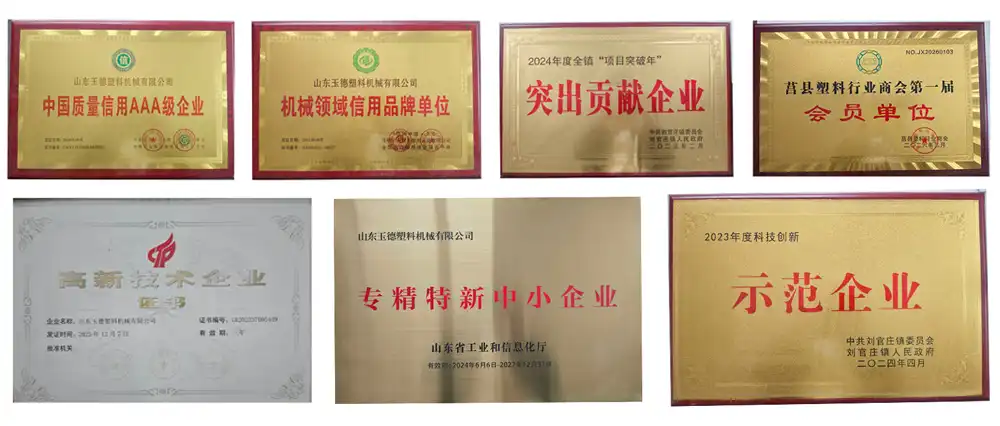
Established makers with ISO 9001 approval and proof of meeting OSHA safety standards can charge 15–30% more than providers who haven't been checked out. This difference is because engineers spent money on finite element analysis to make sure the structure was built correctly, having electrical systems tested by a third party, and writing a lot of technical paperwork. For multinational businesses, having regional service networks is important because equipment downtime can cost more than $2,500 an hour in the car component production industry. This means that having quick access to spare parts and on-site expert help is a good business decision. Brands that offer bilingual help seven days a week, important spare parts that are already located, and training programs for preventive maintenance are worth the extra money because they reduce risk in a way that can be measured.
Customization and Automation Integration
Customization prices are driven by specific needs, while standard stock models work for most situations. Anti-static grounding systems with active ionizers cost an extra $800 to $1,500, but they are necessary when working with PS in dry places where electrostatic discharge makes materials stick together. Transparent plastic inspection lids let you see what's going on with clear GPPS batches, which costs an extra $300 to $600 but gets rid of the need to sample in the middle of the cycle. Automatic material transfer systems that use vacuum conveyors or air loaders raise the cost of a project by $5,000 to $12,000. However, they cut down on the need for workers and lower the risk of contamination while moving materials. PLC-based recipe management systems with touchscreen HMIs make it easy to switch between products quickly in facilities that make more than one. Their $2,500–$4,500 price tag is justified by the fact that they cut down on setup time and eliminate user mistake.
Conclusion
The price of a commercial PS plastic mixer depends on a lot of factors, including the amount of volume needed, the quality of the materials used, how well they are automated, and the supplier's skills. Precision engineering that solves polystyrene's unique processing problems makes investments ranging from $3,500 for small lab units to $45,000 for large industrial systems worthwhile. When you use strategic procurement, you weigh the original costs of buying something against the costs that come up over time, such as energy use, repair frequency, and the chance of downtime. Specialized design features like low-shear mixing, anti-static treatments, and mirror-polished tanks support the high price by improving quality and making operations more efficient. Thoroughly evaluating suppliers, being clear about technical requirements, and following set maintenance procedures help procurement teams get the most out of their capital while also finding reliable blending equipment that can support consistent product quality in tough production settings.
FAQ
What operational lifespan can I expect from a commercial PS plastic mixer?
If you keep your styrofoam mixers in good shape, they should last between 12 and 18 years in commercial settings with two shifts every day. Longevity rests a lot on following through with preventative maintenance, handling materials properly to avoid abrasive exposure, and choosing the right building materials for the job. For units working with rough glass-fiber reinforced PS, blades may need to be replaced every 18 to 24 months. For standard resin uses, however, parts can last for 6 to 8 years. External bearing designs and building from 316L stainless steel in corrosive settings greatly increase service life compared to carbon steel options or internal bearing designs that are exposed to powder contamination.
Do energy-efficient features justify their higher initial cost?
Variable frequency drives and improved motor size raise the initial cost by 10 to 15 percent, but they save money in the long run by using less electricity and making parts last longer. A 1,000-kg mixer that is used 4,000 hours a year saves between 1,800 and 2,400 dollars a year on energy costs compared to standard fixed-speed setups. Heat dissipation features keep technology from breaking down too quickly in hot places, which saves $3,500 to $5,500 in control system breakdowns. Over the course of a normal 10-year ownership term, efficiency features give a 2.5–3.5x return on additional investment through lower running costs and less frequent upkeep. This makes them a good investment for operations that run 24 hours a day, seven days a week, or more than one shift.
Are financing options available for large equipment orders?
A lot of companies that sell industrial equipment, even well-known brands, give flexible payment plans to help people buy capital equipment. Staged payments that are timed with quality checks and manufacturing goals are some of the options. Other options are longer net terms (60–90 days) for buyers with good credit and leasing agreements through third-party financial partners. When you commit to buying more than one unit, you can often get better prices that cut the cost of each unit by 12 to 18%. Also, when you buy mixers with other tools like vacuum loaders and dust collectors, you can save money on the whole system. Letters of credit are often used in international deals because they provide security for both parties. Direct payment by wire transfer can save you two to three percent. Talking about money issues early on in the buying process helps make sure that the time of purchases fits with budget limits and plans for allocating capital.
Partner with Yude Plastic Machinery for Superior Polystyrene Mixing Solutions
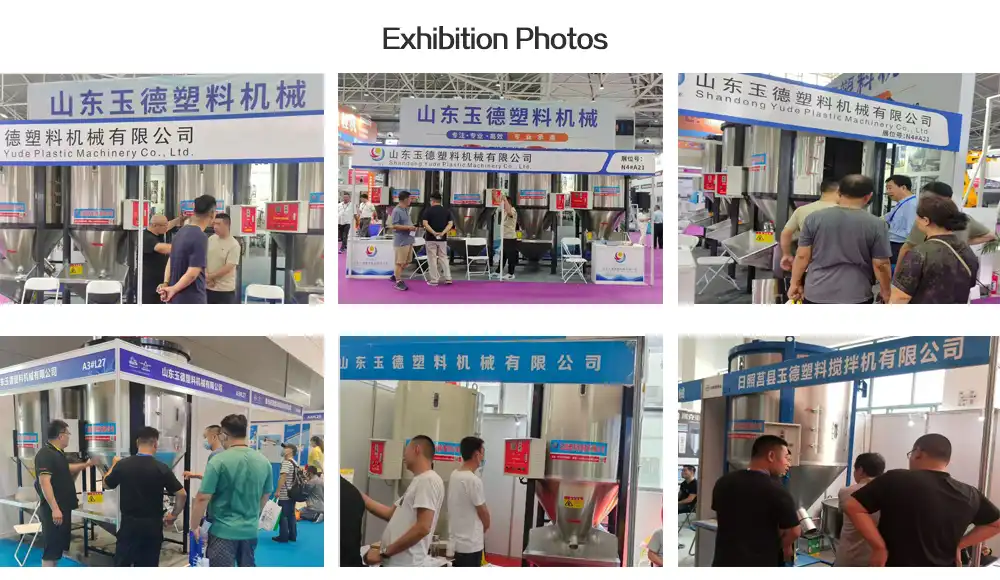
Yude Plastic Machinery is a reliable seller of PS plastic mixers and can make systems with capacities ranging from 300 kg to 2,000 kg. Our vertical mixers have spiral designs that are tuned to achieve ≥98% mixing uniformity and are especially designed to work with polystyrene's density and fluidity. Our equipment is made from 304 or 316 stainless steel and has mirror-polished Ra ≤0.6 μm innards and wear-resistant parts that make it last longer. It is used in injection molding, extrusion lines, and custom compounding in more than 30 countries.
Our expert team can quickly make changes to voltage specs, controls that work with multiple languages, and compliance certifications that match local standards. Full after-sales support includes language help 7 days a week, a collection of extra parts already placed, and on-site commissioning services that make sure production integration goes smoothly. Our ISO 9001-certified quality systems ensure that the tools will always work properly, and our volume purchasing programs offer big discounts. Contact our engineering experts at sales@yudemachinery.com to talk about your polystyrene mixing needs, get full technical specs, and look into unique solutions that will help you process materials more efficiently and make better products.
References
- Jenkins, M. & Thompson, R. (2021). Industrial Mixing Technology for Thermoplastic Processing. Manufacturing Engineering Press.
- Patterson, L. (2020). "Electrostatic Control in Polystyrene Material Handling Systems," Journal of Plastics Processing Technology, 15(3), 127-145.
- Wang, H. & Mueller, S. (2022). Equipment Selection and Specification for Polymer Compounding Operations. Industrial Equipment Publishers.
- Ramirez, C. (2019). "Total Cost of Ownership Analysis for Polymer Processing Machinery," Plastics Manufacturing Quarterly, 28(2), 56-71.
- Sullivan, K. & Benson, P. (2023). Maintenance Best Practices for Industrial Mixing Equipment. Technical Publishing International.
- Anderson, G. (2021). "Comparative Performance of Vertical and Horizontal Mixers in Thermoplastic Applications," Polymer Engineering Review, 44(1), 89-104.
Learn about our latest products and discounts through SMS or email