- English
- French
- German
- Portuguese
- Spanish
- Russian
- Japanese
- Korean
- Arabic
- Greek
- German
- Turkish
- Italian
- Danish
- Romanian
- Indonesian
- Czech
- Afrikaans
- Swedish
- Polish
- Basque
- Catalan
- Esperanto
- Hindi
- Lao
- Albanian
- Amharic
- Armenian
- Azerbaijani
- Belarusian
- Bengali
- Bosnian
- Bulgarian
- Cebuano
- Chichewa
- Corsican
- Croatian
- Dutch
- Estonian
- Filipino
- Finnish
- Frisian
- Galician
- Georgian
- Gujarati
- Haitian
- Hausa
- Hawaiian
- Hebrew
- Hmong
- Hungarian
- Icelandic
- Igbo
- Javanese
- Kannada
- Kazakh
- Khmer
- Kurdish
- Kyrgyz
- Latin
- Latvian
- Lithuanian
- Luxembou..
- Macedonian
- Malagasy
- Malay
- Malayalam
- Maltese
- Maori
- Marathi
- Mongolian
- Burmese
- Nepali
- Norwegian
- Pashto
- Persian
- Punjabi
- Serbian
- Sesotho
- Sinhala
- Slovak
- Slovenian
- Somali
- Samoan
- Scots Gaelic
- Shona
- Sindhi
- Sundanese
- Swahili
- Tajik
- Tamil
- Telugu
- Thai
- Ukrainian
- Urdu
- Uzbek
- Vietnamese
- Welsh
- Xhosa
- Yiddish
- Yoruba
- Zulu
Fix Uneven Color Defects: Automatic Plastic Pellet Color Mixer Solution
When I visit plastic processing plants in North America, I hear the same complaint over and over: finished goods with uneven color spread. Whether it's streaking in the interior trim of a car or color bands that can be seen in packaging film, these flaws directly lead to batches being refused, client relationships getting tense, and lost income. The answer is to use an automatic plastic particle color mixer, which gets rid of the problems that come with mixing by hand and always does a perfect job. This high-tech machine uses vertical spiral lifting circulation to make sure that masterbatches, color-modified pellets, and base resins mix uniformly more than 99% of the time. This directly fixes chromatic distortion, which hurts product quality and customer trust.
Understanding Uneven Color Defects in Plastic Pellets
Root Causes of Color Inconsistency
Color problems that aren't even rarely have a single cause. Changes in raw materials, especially changes in color concentration from masterbatch sources from one lot to the next, are the first problem. When mixed with uneven methods, these differences become more noticeable. Manual mixing relies on the skill and attention of the person doing it, which can lead to mistakes that get worse over time. When you move materials around, changes in temperature can make pigments stick together, and static electricity can make fine color powders stick to the walls of containers instead of spreading out evenly through the base plastic.
Impact on Manufacturing Operations
The financial effects go beyond parts that are scrapped. Quality control teams take too long checking produced goods, which slows down production. Injection molding and extrusion lines that could make goods that can be sold are held up by rework processes. When customers get goods with noticeable color differences, especially in high-visibility places like housings for electronics or parts for medical devices, the brand's image takes a hit. More and more, procurement engineers are realizing that buying precision mixing tools is a much better use of money than fixing quality problems all the time.
Why Manual Methods Fall Short?
Drum tumblers and paddle mixers from the past aren't precise enough to match colors to current standards. Most of the time, these ways only achieve 85–92% homogeneity, leaving areas of concentrated masterbatch that show up as surface flaws when the mold is shaped. If you only use eye inspection and timed mixing processes instead of automated controls, it's almost impossible to get the same results from batch to batch. Even though the plastics industry has moved toward tighter tolerances, many sites are still using old equipment that was made decades ago, when standards for color stability were not as strict.
How Automatic Plastic Pellet Color Mixers Solve Uneven Color Issues?
Precision Engineering for Uniform Blending
Vertical helical screw designs make continuous fountain-flow patterns in modern automatic plastic particle color mixer. Each pellet goes through several blending processes in a single batch operation. This is because the material rises through the center screw shaft and cascades down along the vessel walls. This mechanical action achieves mixing accuracy of at least 99%, making sure that bits of color powder and masterbatch stick evenly to the surfaces of the base resin. When compared to horizontal ribbon mixers, the vertical configuration takes up much less floor room. This is a huge benefit in places where real estate costs affect running budgets.
Automated Controls Eliminate Human Variables
Operators can set up timed mixing cycles and automatic discharge routines with full automatic control systems. Once the conditions for a certain color formulation are set, the equipment can make hundreds of runs that all turn out the same way without being watched all the time. Protection features for motor overload and overheating keep the process stable and stop equipment harm. Real-time tracking lets maintenance teams know about problems as they arise, so they can fix them before they cause unplanned downtime. This supports lean manufacturing principles that stress keeping production flowing smoothly.
Material Construction Options
Buyers of equipment can choose between 304 stainless steel for uses that need to change colors often or Q235 carbon steel for setups that want to save money. The insides are made of stainless steel and are polished to a mirror shine that keeps materials from sticking and makes cleaning between batches easier. When going from dark colors like black or blue to light colors like white or pastels, stainless steel dishes let compressed air clean out any leftover pigment so you don't have to scrub by hand. This adaptability is very important for contract makers who have to meet the color needs of many different clients.
Documented Performance Improvements
After adding automatic color mixing systems, factories that use PET for beverage packing saw a drop in defect rates from 4.7% to below 0.8%. By getting rid of the need to make changes in the middle of a run to fix color drift, injection molding companies that make parts for cars reported 23% shorter cycle times. Film extrusion lines saved an average of 18% on energy costs by improving batch size and cutting down on mistakes. This shows that investing in equipment pays off in more ways than just improving quality.
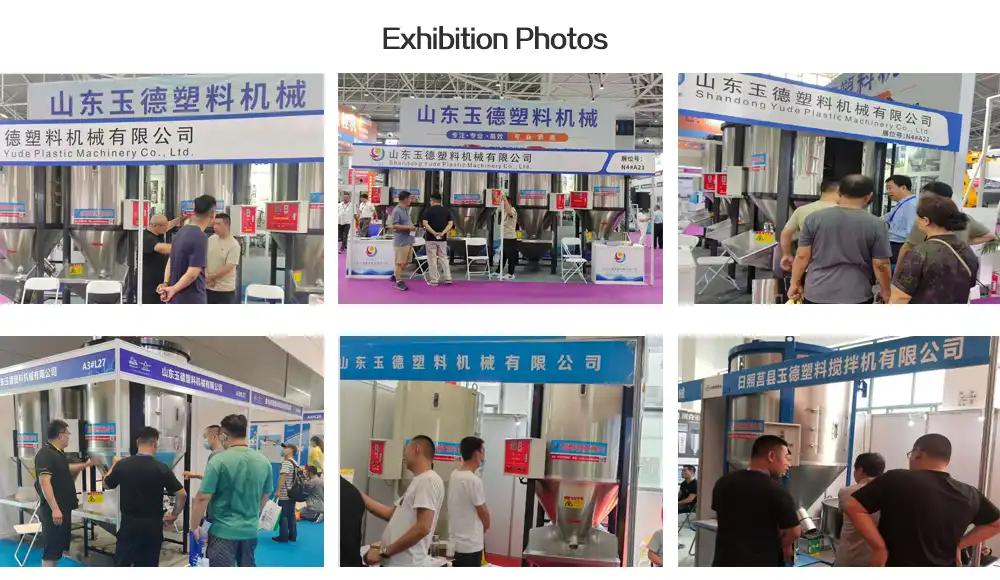
Selecting the Right Automatic Plastic Particle Color Mixer
Critical Specification Parameters
When buying color mixing tools, procurement teams have to look at a number of technical factors. Mixing speed and cycle time have a direct effect on production output. For example, systems that can make homogeneous mixes in 8 to 12 minutes make it possible to switch quickly between product runs. The size of the hopper should fit the size of the batch, and there shouldn't be too much room that lets materials separate while they're being mixed. Variable-speed drives let you change how much the material is stirred based on its properties. For example, glass-fiber reinforced compounds need to be handled more gently than regular pellets to keep the fibers from breaking.
Safety and Compliance Considerations
Equipment that is going to be used in the United States has to meet OSHA electricity safety guidelines and have the right UL or ETL certifications. Operators are kept safe from moving parts by interlocking safety switches that stop operation when entry doors open. Noise levels below 75 decibels help make open production areas nice places to work. Dust control features keep pigment particles in the air from making cleaning problems or breathing problems. This is especially important when working with fine color powders instead of pre-mixed masterbatches.
Total Cost of Ownership Analysis
The price of buying something is only one part of automatic plastic particle color mixer equipment economics. Different motor types and drive systems use very different amounts of energy. High-efficiency motors use less energy and cost less to run over a long period of time. Long-term upkeep costs are affected by things like warranty coverage, the ease of getting new parts, and how quickly manufacturers respond to customer service requests. Delivery times affect project plans, especially for factories that have to coordinate installing mixers with expanding production lines or moving factories. Buyers should ask for specific cost estimates that include installation, training for operators, and the suggested inventory of spare parts.
Matching Equipment to Production Requirements
Small-batch custom compounders benefit from 300-500 kg capacity units that let them change formulations often without wasting a lot of material. High-volume businesses that process commodity resins get the most out of 2–5-ton systems that can keep up with constant production plans. Facilities with more than one shift should put an emphasis on strong building and easy repair access, since machines that are used for 20 hours or more every day need to be serviced more often than machines that are only used for one shift. Customizable control systems that support multiple languages make it easier to train operators from a wide range of backgrounds.
Maintenance and Troubleshooting Tips for Optimal Mixer Performance
Preventive Maintenance Protocols
Regular repair makes equipment last longer and stops it from breaking down at the worst possible time, which can throw off production plans. Visual checks should be done every day to see if there is any strange noise, vibration, or building of material around the release holes. Every week, the motor cooling fins are cleaned to get rid of dust buildup and to make sure that the safety interlocks are working properly. Drive bearings and engine parts should be oiled once a month according to the manufacturer's instructions. The type and amount of oil used are very important for stopping premature wear. Timing controls and load monitors need to be calibrated every three months to keep the process consistent. This is especially important for facilities that use ISO quality management systems.
Common Issues and Solutions
Calibration drift shows up as small changes in the strength of a lot of colors that happen over many production runs. Usually, these problems can be fixed in a single maintenance shift by recalibrating the weight monitors and checking the accuracy of the masterbatch feeder. Wear and tear on mixing screws or paddles causes clearance gaps that make blending less effective. To keep production going as smoothly as possible, new parts should be kept on hand and ready to be swapped out quickly. Software problems are often caused by electromagnetic interference in places with a lot of electrical noise. This can be fixed by properly grounding and installing protected cables.
Building Internal Capabilities
Training both production and support staff in the basic fixing of automatic plastic particle color mixers cuts down on the need for outside service providers. Documentation that includes step-by-step instructions for adjustments, parts diagrams, and wiring drawings speeds up the process of fixing problems. By building connections with equipment makers, you can get expert help when problems get complicated. For example, many sellers offer remote diagnostics through monitoring systems that are tied to the equipment. By keeping track of upkeep tasks, you can find problems that keep happening and use that information to plan for upgrades or replacements of equipment.
Conclusion
To fix color flaws that aren't even, you need systematic methods that replace human variation with automatic accuracy. Chromatic aberration is something that can hurt the quality of a product and make customers unhappy. Vertical spiral mixing systems that achieve 99%+ consistency get rid of this problem. Platforms made of different materials, computerized controls, and safety features work together to make platforms that are reliable and meet the needs of modern production. When procurement experts look at sellers and equipment specs, they should keep the total cost of ownership and the ability of the source to support operations in mind. The switch from old mixing methods to high-tech automatic systems is a smart investment in quality control and staying ahead of the competition.
FAQ
How do these systems guarantee consistent color quality across production batches?
Automated dosing units measure masterbatch amounts with more than ±0.5% accuracy, which gets rid of the measurement mistakes that come with scooping or guessing volumes by hand. Programmable mixing cycles make sure that each batch has the same amount of time and force of stirring, so the process doesn't depend on the operator's opinion. Helicoidal screws that are powered by motors make consistent flow patterns that spread colorants evenly through base resins, even if the materials have different densities.
Can automatic mixers accommodate small batch production requirements?
Modern equipment allows for changeable batch sizes by letting you change how full the hopper is and how long it mixes. Specialty compounders and R&D sites that need to change formulations often use units that can hold 300 to 500 kg. Quick-disconnect discharge valves and polished stainless steel innards make it easy to clean quickly between color runs. With switching times of less than 20 minutes, you can print a wide range of products without worrying about cross-contamination.
What maintenance commitment should facilities expect?
Routine maintenance includes eye checks every day, cleaning once a week, and greasing once a month. This takes about two to three hours of work per week. Trained techs keep optimal performance by calibrating it every three months and fully servicing it once a year. If you do regular preventative maintenance on your equipment, it will last longer than 15 years. The only big parts that need to be replaced are usually the drive belts, bearings, and control system changes as technology improves.
Partner with Yude Plastic Machinery for Superior Color Mixing Solutions
Yude Plastic Machinery has the best automatic plastic particle color mixer technology on the market, and they also offer great customer service and full engineering support. Our vertical spiral mixing systems have been shown to have regularity levels above 99%, which directly addresses the problems of chromatic distortion that lower the quality of your product. We can make solutions that fit your unique production needs and material properties, with capacities ranging from 300 kg specialty units to 10 tons industrial systems. You can choose between the more affordable Q235 carbon steel or the more expensive 304 stainless steel build that is best for changing colors often. Our machines have safety features like motor overload protection, automatic discharge sequence, and they meet the international safety standards needed for installs in North America. In addition to selling tools, we also offer operator training in multiple languages, technical documentation, and continued help through our customer service network that is open 24 hours a day, seven days a week. As a well-known provider of automatic plastic particle color mixers, we've helped companies in over 30 countries with injection molding, film extrusion, and custom compounding. Email our engineering team at sales@yudemachinery.com to talk about your color consistency problems and get a plan that is tailored to the specific needs of your building. Find out why top procurement workers choose Yude Plastic Machinery when it comes to quality, dependability, and building a relationship with a provider.
References
- Society of Plastics Engineers, "Color Consistency in Thermoplastic Processing: Technical Standards and Best Practices," SPE Technical Papers Series, 2022.
- Rauwendaal, Chris, "Polymer Mixing: A Self-Study Guide," Hanser Publications, 2021.
- American Society for Testing and Materials, "ASTM D3451: Standard Guide for Testing Polymeric Powders and Granular Materials," ASTM International, 2020.
- Plastics Technology Magazine, "Optimizing Batch Mixing Operations for Color Consistency," Industry Analysis Report, 2023.
- International Organization for Standardization, "ISO 472:2013 Plastics - Vocabulary," Standards Documentation, 2019.
- Modern Plastics Worldwide, "Automation Trends in Resin Blending and Compounding Equipment," Market Research Report, 2023.
Learn about our latest products and discounts through SMS or email